


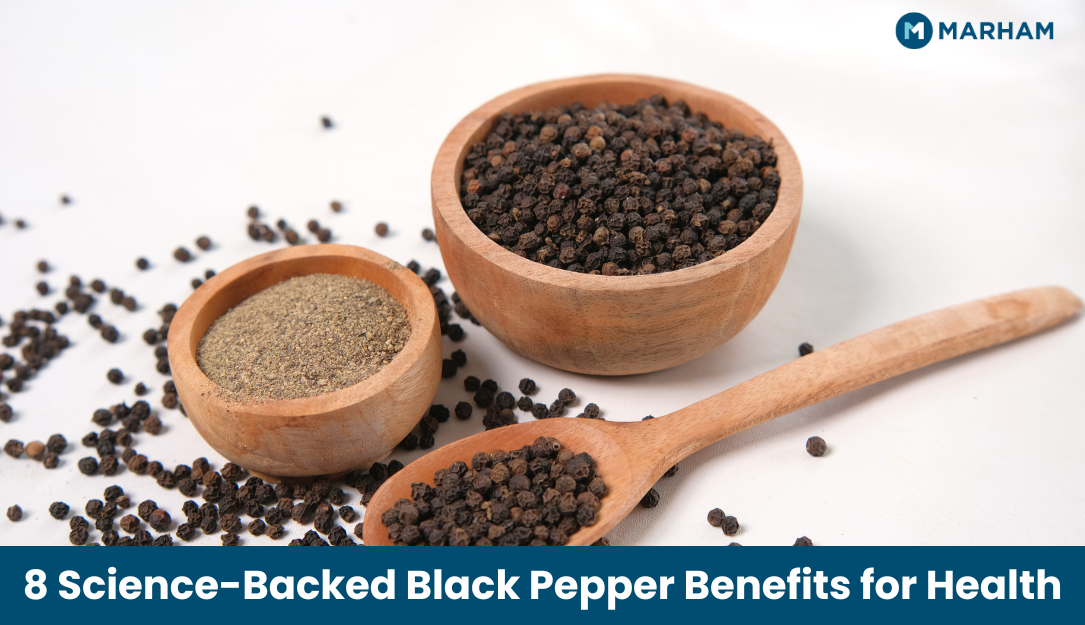
Black pepper (Piper nigrum) is one of the most widely used spices across Pakistan and the world. In Urdu, it is known as Kali Mirch. This kitchen staple does much more than just make your food taste better. Known as the “king of spices,” black pepper offers surprising health advantages that have been valued in traditional medicine for thousands of years. That’s why people today actively search for black pepper benefits beyond its everyday culinary use.
The key player is piperine, a natural alkaloid that gives black pepper its distinctive bite. Research shows piperine makes up about 5–10% of black pepper and is responsible for most of its health-boosting properties. From sprinkling it on your daal to adding it to your morning omelette, this everyday spice can do wonders for your body.
In this blog, you will learn about 8 science-backed black pepper benefits, its nutritional value, how to use it effectively, and important precautions to keep in mind. So, without any further ado, let’s get started.
Nutritional Profile of Black Pepper
Before we explore black pepper benefits, let’s look at what black pepper actually contains. One teaspoon of ground black pepper provides:
- 13% of daily manganese needs
- 3% of daily vitamin K requirement
- Small but useful amounts of iron, potassium, and calcium
- Rich in antioxidants and essential oils
- 6 calories per teaspoon
These nutrients work together with piperine to support your overall health in multiple ways.
8 Amazing Black Pepper Benefits
1. Improves Digestion
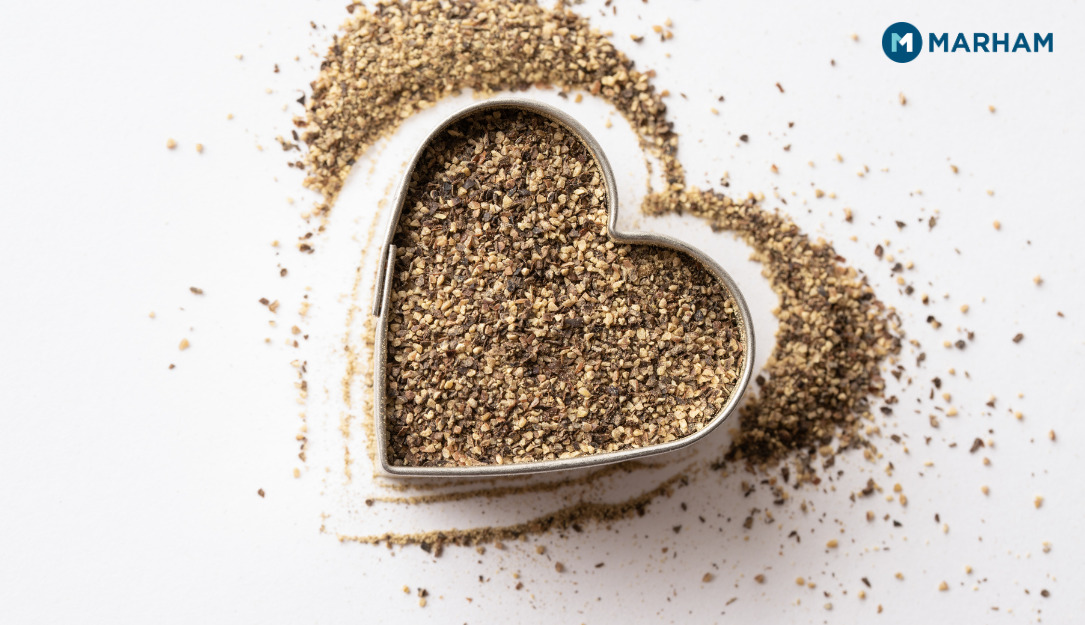
Black pepper stimulates the production of hydrochloric acid (HCl) in your stomach. This helps break down food more efficiently and prevents common problems like bloating, gas, and indigestion. If you feel heavy after meals, adding a pinch of freshly ground kali mirch might help.
The spice also has carminative properties, meaning it helps reduce discomfort and gas buildup in your intestines. This is why traditional Pakistani remedies mostly include black pepper for stomach troubles.
2. Boosts Nutrient Absorption
Here’s something remarkable about black pepper benefits. When you combine it with other healthy foods, your body absorbs their nutrients much better. Research published in medical journals shows that piperine can increase curcumin absorption from haldi (turmeric) by up to 2000%.
This applies to other nutrients too, including selenium, vitamin B12, and beta-carotene. Simply adding black pepper to your meals means you get more nutrition from the same food.
3. Rich in Antioxidants
Free radicals are harmful molecules that damage your cells and contribute to aging and diseases. Black pepper contains powerful antioxidants that fight these free radicals and protect your body.
Studies suggest that the antioxidant activity of piperine may help lower the risk of chronic conditions like heart disease and diabetes. The protective effect is stronger when you use freshly ground pepper rather than pre-ground powder.
4. Supports Brain Health
Piperine shows promising effects on brain function. Research indicates it may help improve memory and cognitive performance by reducing oxidative stress in brain cells. Some studies suggest it could even increase levels of serotonin and dopamine, the chemicals that regulate mood and motivation.
While more human studies are needed, early research points to black pepper’s potential role in supporting mental sharpness as we age.
5. Has Anti-Inflammatory Properties
Chronic inflammation is linked to many health problems, from joint pain to heart disease. The piperine in black pepper has natural anti-inflammatory effects that may help manage inflammation in the body.
Research has shown that combining black pepper with turmeric and ginger can reduce inflammation in people with knee osteoarthritis, similar to certain prescription drugs. This means the traditional use of these spices in Pakistani cooking isn’t just flavorful, it may also support joint health.
6. Controls Blood Sugar
For those watching their blood sugar levels, black pepper offers some significant benefits. Preliminary research suggests that piperine may improve insulin sensitivity and help regulate glucose absorption in the intestines.
While it’s not a replacement for proper diabetes management, including black pepper in a balanced diet may support healthy blood sugar levels.
7. Supports Heart Health
Black pepper may benefit your cardiovascular system in several ways. Studies suggest it can help improve cholesterol levels by supporting healthy HDL (good) cholesterol while keeping LDL (bad) cholesterol in check.
The potassium content in black pepper also helps balance blood pressure. Combined with its antioxidant properties, this makes kali mirch a heart-friendly spice.
8. Natural Salt Alternative
High salt intake raises blood pressure and increases the risk of heart disease and stroke. Black pepper offers a flavourful way to reduce salt in your cooking without making food taste bland. You get excellent taste while making your meals healthier.
Black Pepper Benefits in Urdu
کالی مرچ ایک مقبول مصالحہ ہے جو نہ صرف کھانوں کا ذائقہ بڑھاتا ہے بلکہ صحت کے لیے بھی بے شمار فوائد رکھتا ہے۔ اس میں موجود پائپرین مدافعتی نظام کو مضبوط بنانے، ہاضمہ بہتر کرنے اور جسم میں غذائی اجزاء کے جذب کو بڑھانے میں مدد کرتا ہے۔
کالی مرچ میں اینٹی آکسیڈنٹس اور ضروری تیل بھی شامل ہوتے ہیں جو جسم کو آزاد ریڈیکلز سے بچاتے ہیں اور مجموعی صحت کو فروغ دیتے ہیں۔ روزانہ معمول میں تھوڑی مقدار میں استعمال کرنے سے جوڑوں کے درد کم کرنے، دماغی صحت بہتر بنانے اور خون کی روانی میں مدد حاصل کی جا سکتی ہے۔ تاہم، ہاضمے کے مسائل رکھنے والے افراد کو زیادہ مقدار استعمال کرنے سے پہلے ڈاکٹر سے مشورہ کرنا چاہیے۔
How to Use Black Pepper for Maximum Benefits

To get the most from black pepper:
- Grind fresh peppercorns just before using. Pre-ground pepper loses its potency over time.
- Combine with turmeric in curries and daal for enhanced absorption of both spices.
- Add it at the end of cooking to preserve more of the volatile oils and piperine.
- Use in moderation, about 1/8 to 1/4 teaspoon per serving is enough for most people.
Precautions to Keep in Mind
Although black pepper is safe for most people when used in normal cooking amounts, some should be careful:
- Eating too much may cause stomach upset or heartburn.
- It can interact with certain medications by affecting how your body absorbs them.
- People with gastrointestinal conditions should consult their doctor before significantly increasing intake.
- Pregnant women should stick to normal culinary amounts.
Concerned About Your Diet or Digestive Health?
Still confused about black pepper benefits and how to include it in your daily meals? Marham is here to help. If you are experiencing digestive issues or want personalized nutrition advice, consulting a qualified healthcare professional is always the best approach. Book an appointment with top nutritionists through Marham to get expert guidance designed to your health needs.
Call 0311-1222398 to book your consultation today. Appointments are available online or in person.
Frequently Asked Questions About Black Pepper
How much black pepper should I eat daily?
For general health benefits, about 1/8 to 1/4 teaspoon per meal is sufficient. Using it as a regular seasoning in your cooking provides adequate amounts without overdoing it.
Can black pepper help with weight loss?
Some research suggests piperine may boost metabolism and help reduce appetite. However, it works best as part of a balanced diet and healthy lifestyle, not as a standalone weight loss solution.
Is fresh black pepper better than powder?
Yes. Freshly ground peppercorns contain more piperine and essential oils compared to pre-ground powder, which loses potency through evaporation over time.
Can I take black pepper with my medications?
Black pepper can affect how your body absorbs certain medicines. If you take prescription medications regularly, discuss your black pepper intake with your doctor to avoid any interactions.
Does black pepper have side effects?
In normal cooking amounts, black pepper is safe for most people. However, excessive consumption may cause stomach upset, heartburn, acid reflux, burning sensation in the throat, and interaction with certain medications.
Disclaimer: This article is for informational purposes only and should not replace professional medical advice. Always consult a qualified healthcare provider for personalized guidance on diet and health concerns.
