



Every Ramadan, millions of Pakistanis look forward to iftar all day long. The samosas are fried, the fruit chaat is ready, the rooh afza is chilled, and the dahi balay are calling your name. But within an hour of eating, your stomach starts to feel like a balloon. That uncomfortable, heavy, gassy feeling we all know too well. Bloating after iftar (پیٹ پھولنا / Pet Phoolna) is one of the most common complaints during Ramadan, and almost every household in Pakistan deals with it at some point during the holy month.
The good news? You do not have to spend every evening after iftar lying on the sofa holding your stomach. Once you understand why bloating after iftar happens, fixing it becomes surprisingly simple. This guide covers everything from the real causes behind that puffy stomach to easy home remedies your dadi would approve of.
What Causes Bloating After Iftar?
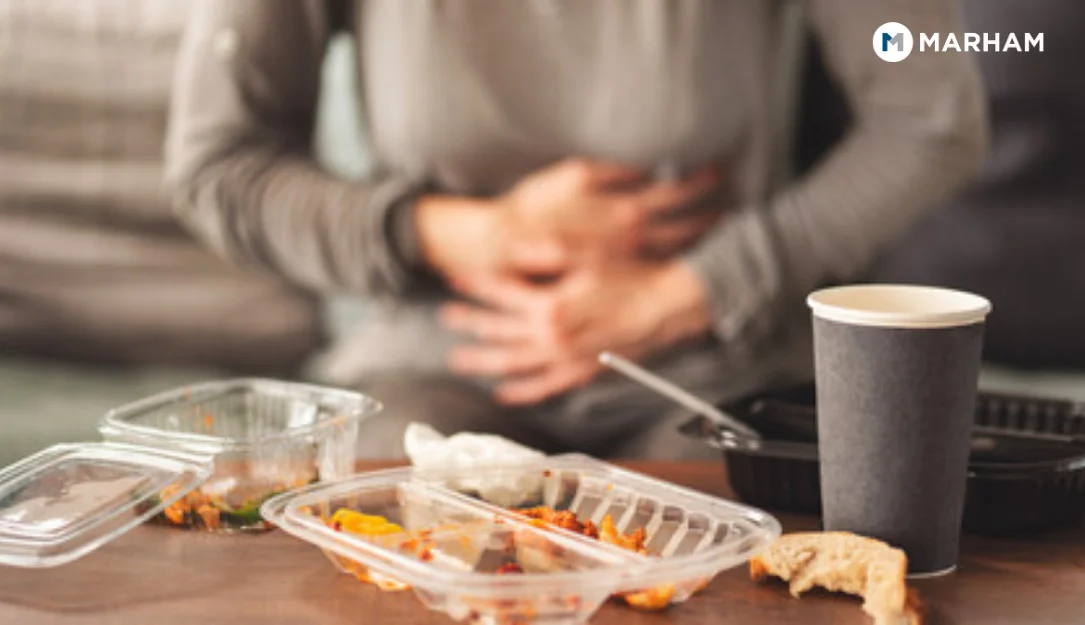
Before jumping into solutions, it helps to understand what is actually going on inside your body. Bloating after iftar does not happen for just one reason. It is usually a combination of things that all come together at the same moment.
1. Eating Too Fast After a Long Fast
This is the number one reason most Pakistanis feel bloated after iftar. You have been fasting for 14 to 16 hours. The azaan goes off and suddenly you are eating as if someone is about to take your plate away. When you eat too quickly, you swallow large amounts of air along with your food. That air gets trapped in your digestive system and causes your stomach to expand and feel tight. Your body also does not get enough time to signal that it is full, so you end up overeating without even realizing it.
2. Starting With Fried and Heavy Foods
Let us be honest. Pakistani iftar spreads are legendary, but they are not exactly gentle on the stomach. Pakoras, samosas, spring rolls, and fried chana chaat are delicious, but your digestive system has been resting all day. Throwing heavy, oily food at it right away is like asking someone to sprint the moment they wake up from a deep sleep. These fried foods take much longer to digest and produce more gas in the process, which leads directly to bloating after iftar.
3. Drinking Too Many Carbonated Drinks
Rooh afza with soda, Pepsi, Sprite, or any fizzy drink at iftar might feel refreshing in the moment, but carbonated beverages are literally pumping extra gas into your stomach. The carbon dioxide in these drinks creates bubbles inside your digestive tract, and those bubbles have to go somewhere. The result is that swollen, uncomfortable feeling that makes you want to just lie down and not move.
4. Not Enough Fiber During Sehri
What you eat at sehri actually plays a big role in how your stomach handles iftar. If your sehri is just paratha and chai with no fiber, your digestive system slows down during the day. By the time iftar comes, your gut is sluggish and not ready to process a big meal. People who include fiber rich foods like oats, whole wheat roti, or fruits at sehri tend to experience much less bloating after iftar.
5. Dehydration Throughout the Day
When your body is dehydrated after a full day of fasting, your digestive system does not have enough fluids to break down food properly. This slows digestion and causes food to sit in your stomach longer than it should. That slow movement leads to fermentation and gas production, which is one of the sneakiest causes of bloating that most people overlook completely.
6. Eating Too Much Salt and Spice at Once
Pakistani iftar items tend to be heavily spiced and salty. Chaat masala on everything, extra namak on the fruit chaat, spicy dahi balay. Excessive salt causes your body to retain water, which adds to that bloated, puffy feeling. Combine that with strong spices irritating a stomach that has been empty all day, and you have the perfect recipe for discomfort.
7. Skipping Movement After Eating
After a long fast and a big iftar, most of us just want to sit or lie down. But staying completely still after eating slows your digestion even further. Even a gentle 10 minute walk after iftar can make a significant difference in how quickly your body processes food and releases trapped gas.
پیٹ پھولنا افطار کے بعد: وجوہات اور علاج | Bloating After Iftar in Urdu
رمضان میں افطار کے بعد پیٹ پھولنا ایک بہت عام مسئلہ ہے جو تقریباً ہر گھر میں دیکھنے کو ملتا ہے۔ اس کی سب سے بڑی وجہ یہ ہے کہ لمبے روزے کے بعد ہم بہت تیزی سے اور بہت زیادہ کھانا کھا لیتے ہیں۔ تلی ہوئی چیزیں جیسے سموسے، پکوڑے اور رولز خالی پیٹ پر بھاری ہوتی ہیں اور ہاضمے کو سست کر دیتی ہیں۔ کولڈ ڈرنکس اور سوڈا پینے سے پیٹ میں گیس بنتی ہے جو تکلیف کا باعث بنتی ہے۔ سحری میں فائبر نہ کھانا اور دن بھر پانی نہ ملنا بھی پیٹ پھولنے کی اہم وجوہات ہیں۔ اس مسئلے سے بچنے کے لیے افطار آہستہ آہستہ کریں، پہلے کھجور اور پانی سے شروع کریں، اور تلی ہوئی چیزیں کم کھائیں۔ افطار کے بعد ہلکی سی چہل قدمی بھی بہت فائدہ مند ہوتی ہے۔ اجوائین کا پانی اور پودینے کی چائے بھی گیس اور پیٹ پھولنے میں فوری آرام دیتے ہیں۔ اگر مسئلہ روزانہ ہو تو ماہرِ غذائیت سے مشورہ ضرور کریں۔
10 Easy Remedies for Bloating After Iftar
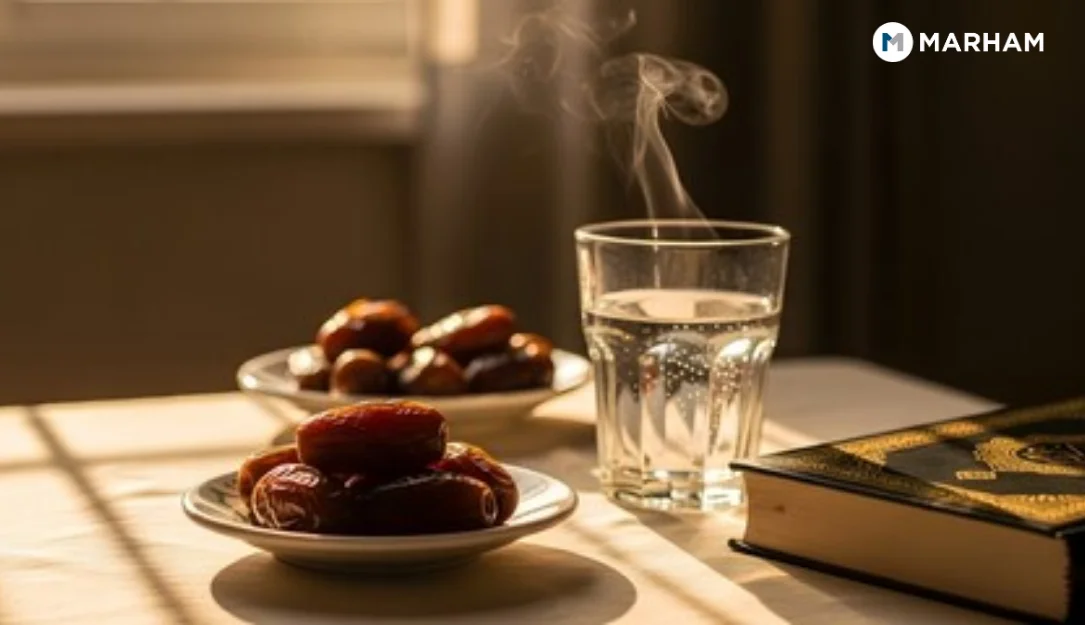
Now that you know what causes the problem, here are practical solutions that actually work. These are not complicated medical tips. These are simple changes that fit perfectly into a Pakistani Ramadan routine.
1. Break Your Fast Slowly With Dates and Water
The Sunnah way of breaking your fast is also the best way to prevent bloating after iftar. Start with 1 to 3 dates and a glass of water. Wait 10 to 15 minutes before eating anything else. This gives your stomach time to wake up gently and signals your digestive enzymes to start working. Dates are also naturally rich in fiber which helps keep things moving smoothly through your gut.
2. Drink Ajwain Water Before Your Main Meal
This is one of the oldest and most effective desi remedies for gas and bloating. Boil one teaspoon of ajwain (carom seeds) in a glass of water for 5 minutes, strain it, and drink it warm about 10 minutes before your main iftar meal. Ajwain contains thymol which helps your stomach release digestive enzymes faster. Your dadi probably already told you this one, and she was absolutely right.
3. Replace Fried Items With Baked or Grilled Options
You do not have to give up your favorite iftar snacks entirely. Try baking your samosas instead of frying them. Make grilled chicken seekh kababs instead of deep fried rolls. Air fryers have become very popular in Pakistani kitchens and they can make pakoras that are almost as crispy as the fried version. Reducing the amount of oil in your iftar spread is one of the fastest ways to reduce bloating.
4. Add Pudina Chutney or Fresh Mint to Your Iftar
Pudina (mint) is a natural anti spasmodic that relaxes the muscles in your digestive tract and helps trapped gas move through more easily. Adding fresh pudina chutney to your iftar plate or drinking pudina tea after your meal can provide quick relief from bloating. It also freshens your breath which is a nice bonus after a flavorful Pakistani iftar.
5. Eat Your Iftar in Two Smaller Sittings
Instead of loading your plate and eating everything at once, try splitting your iftar into two parts. Break your fast with dates, water, and a light snack like fruit chaat or a small bowl of dahi. Pray Maghrib. Then sit down for your main meal. This gap gives your stomach time to adjust and prevents that overwhelming fullness that leads to bloating after iftar.
6. Switch From Carbonated Drinks to Fresh Juices or Lemon Water
Replace Pepsi and Sprite with fresh lemonade (shikanjvi), watermelon juice, or simple lemon water with a pinch of salt and black pepper. These drinks hydrate you without pumping your stomach full of gas. Lemon water in particular helps stimulate bile production which improves digestion naturally. If you really crave something fizzy, try limiting yourself to just a few sips rather than a full glass.
7. Include Yogurt or Lassi With Your Meal
Dahi (yogurt) and lassi are natural probiotics that support the good bacteria in your gut. Having a small bowl of plain dahi or a glass of namkeen lassi with your iftar meal helps your digestive system process food more efficiently. Many Pakistani households already serve raita with iftar, which is perfect. Just make sure it is not loaded with too much salt or heavy cream.
8. Sip on Saunf Tea After Iftar
Saunf (fennel seeds) have been used in South Asian households for centuries as a digestive aid. After your iftar meal, chew on a small spoonful of saunf or brew a quick saunf tea by adding one teaspoon of fennel seeds to a cup of hot water and letting it steep for 5 minutes. Saunf helps relax the smooth muscles in your intestines and allows trapped gas to pass through, giving you relief from that tight, bloated feeling.
9. Go for a Short Walk After Eating
You do not need to do a full workout. Just 10 to 15 minutes of gentle walking after iftar can speed up digestion significantly. Walk around your garden, go to the nearby masjid for Isha on foot, or simply walk around inside your house. Movement helps your stomach and intestines contract and push food along, which reduces gas buildup and eases bloating after iftar.
10. Fix Your Sehri to Prevent Iftar Problems
A good sehri sets you up for a comfortable iftar. Include whole grains like oats or whole wheat roti, a serving of protein like eggs or chickpeas, a banana for potassium, and plenty of water. Avoid very salty or very spicy sehri foods that increase thirst and slow digestion during the day. When your body enters iftar in a better state, it handles food much more smoothly.
Best Foods to Eat at Iftar to Avoid Bloating
Choosing the right foods at iftar makes a huge difference. Here is a quick comparison of common iftar items and their impact on your stomach.
| Food Item | Bloating Risk | Better Alternative |
| Fried Samosas | High | Baked Samosas |
| Pepsi or Sprite | High | Fresh Lemonade |
| Heavy Fruit Chaat with Cream | Medium | Light Fruit Chaat with Lemon |
| Fried Pakoras | High | Grilled Chicken Tikka |
| White Bread Sandwiches | Medium | Whole Wheat Wraps |
| Canned Juices | Medium | Fresh Watermelon Juice |
The pattern is simple. Go for lighter, less processed, less oily options whenever you can. You do not have to be perfect every single day. Even replacing one or two fried items with a lighter alternative can reduce bloating after iftar noticeably.
Desi Home Remedies for Bloating That Actually Work
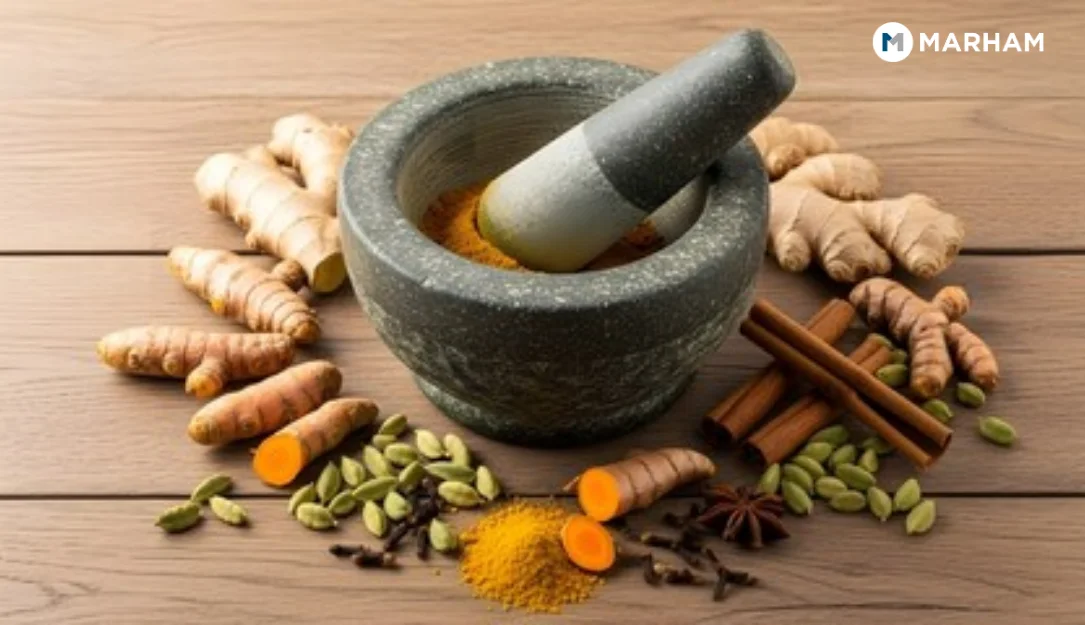
Pakistani kitchens are full of natural remedies that have been used for generations. Here are a few that are backed by both tradition and science.
Ajwain and Kala Namak: Mix half a teaspoon of ajwain with a pinch of kala namak and chew it slowly after iftar. This combination stimulates digestive juices and helps relieve gas within minutes. It tastes strong but it works fast.
Adrak (Ginger) Tea: Grate a small piece of fresh ginger into hot water and add a little honey. Ginger contains gingerol which speeds up stomach emptying and reduces the time food sits fermenting in your gut. This is especially helpful on days when you have eaten a heavier iftar.
Zeera (Cumin) Water: Boil one teaspoon of zeera in two cups of water until it reduces to one cup. Strain and drink warm. Cumin stimulates the production of pancreatic enzymes which help break down food more effectively. Many people in Pakistan drink zeera water regularly during Ramadan and swear by its effectiveness.
Isabgol (Psyllium Husk): If bloating is accompanied by constipation, mixing one tablespoon of isabgol in a glass of water and drinking it at sehri can regulate your bowel movements and prevent gas buildup throughout the day. Just make sure to drink plenty of water with it.
When to See a Doctor About Bloating
Occasional bloating after iftar during Ramadan is completely normal and nothing to worry about. However, if you experience severe pain along with the bloating, if it happens every single day despite making dietary changes, if you notice blood in your stool, or if the bloating continues even after Ramadan ends, it is important to consult a doctor. These could be signs of an underlying digestive condition like IBS, GERD, or a food intolerance that needs proper medical attention.
Book a Consultation With Marham
If bloating after iftar is making your Ramadan uncomfortable and home remedies are not helping, it might be time to talk to a gastroenterologist or nutritionist. Marham connects you with the best stomach and digestive specialists across Pakistan. You can book an online or in person consultation in minutes so you can enjoy the rest of Ramadan in comfort. Call 0311-1222398 to book your appointment today.
Final Thoughts
Bloating after iftar is one of those Ramadan problems that almost everyone faces but very few people actually try to fix. The truth is that small changes make a big difference. Breaking your fast slowly, reducing fried foods, staying hydrated between iftar and sehri, and adding simple desi remedies like ajwain water or pudina tea can transform your Ramadan evenings. You deserve to enjoy iftar without spending the rest of your night in discomfort. Start with one or two changes this Ramadan and build from there. And if the problem persists, do not hesitate to consult a healthcare professional through Marham because your digestive health matters just as much as your spiritual journey during this blessed month.
