



You have probably heard about chia seeds from health-conscious friends or seen them trending on social media. If you are wondering what these tiny seeds are called in Pakistan and if they are worth the hype, you are in the right place.
Chia seeds in Urdu are known as تخم شربتی (Tukhm-e-Sharbati). The name literally means “beverage seeds” because they have been used in cooling summer drinks for generations. These small black or white seeds might look ordinary, but they pack serious nutritional power.
What makes chia seeds special? They are loaded with fiber, protein, and healthy fats, all in just one tablespoon. Moreover, they are incredibly easy to add to your daily routine without changing your diet dramatically.
In this guide, you will learn everything about chia seeds, what they are, their proven health benefits, and the right ways to use them. Without further ado, let’s get started!
What Are Chia Seeds Called in Urdu?
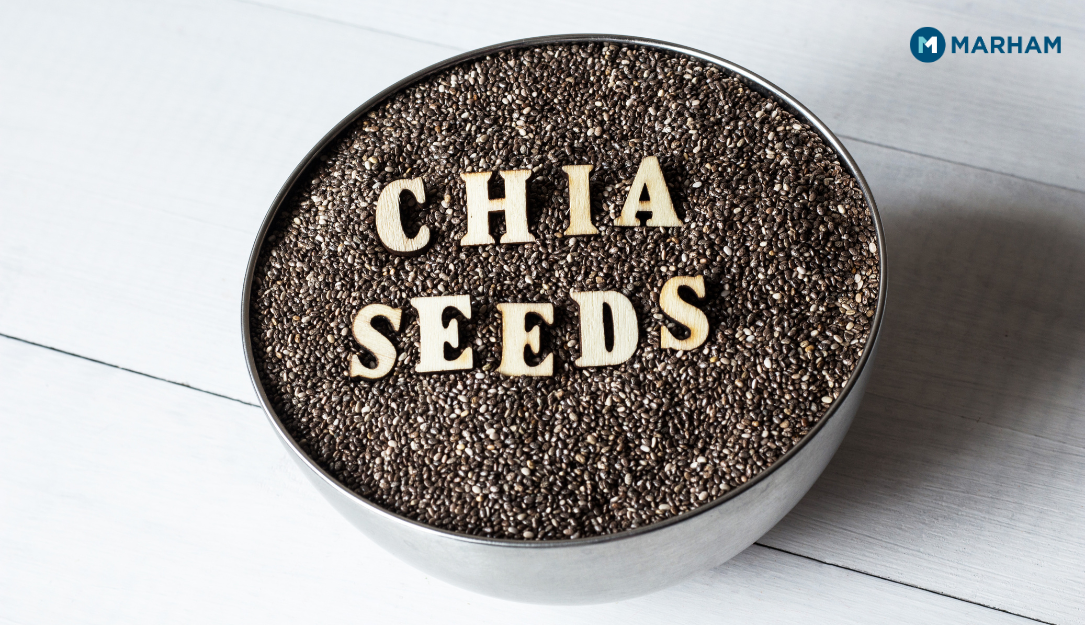
The chia seeds meaning in Urdu is تخم شربتی (Tukhm-e-Sharbati). This name comes from the word “sharbat” (شربت), which refers to traditional sweet drinks popular across Pakistan and India.
Here’s something important.
Many people confuse chia seeds with basil seeds (تخم ریحان or Tukh Malanga). Both look similar and have cooling properties. However, they are completely different plants with different nutritional profiles.
What are chia seeds called in Urdu in different regions?
- Punjab: تخم شربتی (Tukhm-e-Sharbati)
- Sindh: Same terminology
- Some stores: “Chia seeds” (English name commonly used)
When buying from local markets or online, use the term “تخم شربتی” to avoid confusion with basil seeds.
Chia Seeds Benefits
Let’s take a closer look at why everyone is talking about chia seeds these days.
1. Packed With Nutrients in a Tiny Package
Just one tablespoon (15g) of chia seeds gives you:
- 5 grams of fiber (20% of your daily needs)
- 3 grams of protein
- Omega-3 fatty acids
- Calcium, magnesium, and iron
That’s impressive nutrition for something so small.
2. Help With Weight Loss
One of the most searched benefits of chia seeds is weight management. Here’s how they help.
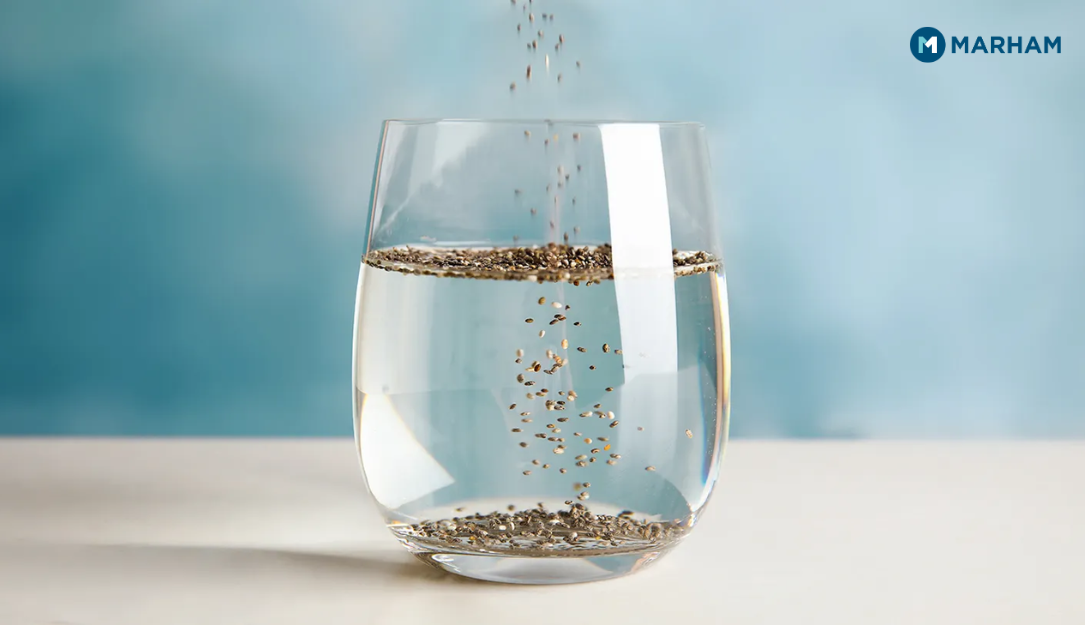
When you soak chia seeds in water, they absorb liquid and expand up to 10 times their size. This creates a gel-like substance that fills your stomach and makes you feel full longer. Less hunger means fewer unnecessary snacks.
The high fiber content also slows down digestion which keeps your blood sugar stable. No more energy crashes that make you reach for unhealthy snacks at odd hours.
3. Support Heart Health
Chia seeds are one of the best plant-based sources of omega-3 fatty acids. These healthy fats help:
- Lower bad cholesterol (LDL)
- Reduce blood pressure
- Decrease inflammation in the body
For people who don’t eat fish regularly, chia seeds offer an excellent alternative source of omega-3s.
4. Strengthen Your Bones
Here’s something surprising. Chia seeds contain more calcium per gram than most dairy products. They are also rich in phosphorus and magnesium. Your bones need both of these minerals to stay strong.
This makes them particularly valuable for people who are lactose intolerant or avoid dairy products.
5. Improve Digestive Health
The fiber in chia seeds acts as food for good bacteria in your gut. A healthy gut means better digestion, stronger immunity, and even improved mood.
Many people in Pakistan struggle with constipation, especially during summer. The fiber in chia seeds can help keep things moving naturally.
6. Rich in Antioxidants
Chia seeds contain powerful antioxidants that protect your cells from damage. These compounds help slow down aging and may reduce the risk of chronic diseases.
How to Use Chia Seeds
Here are some simple and practical ways to use chia seeds:
Basic Preparation Method
The most common way to use chia seeds:
- Take 1 tablespoon of chia seeds
- Mix with 3 tablespoons of water
- Let it sit for 15-20 minutes
- The seeds will form a gel-like consistency
Popular Uses in Pakistani Households
-
Morning Drinks:
Add soaked chia seeds to your morning lassi, rooh afza, or fresh fruit juice. They add nutrition without changing the taste.
-
With Yogurt:
Sprinkle chia seeds directly on dahi (yogurt) with a little honey. It’s a filling, nutritious snack.
-
In Smoothies:
Blend chia seeds into your fruit smoothies for extra thickness and nutrition.
-
Breakfast Boost:
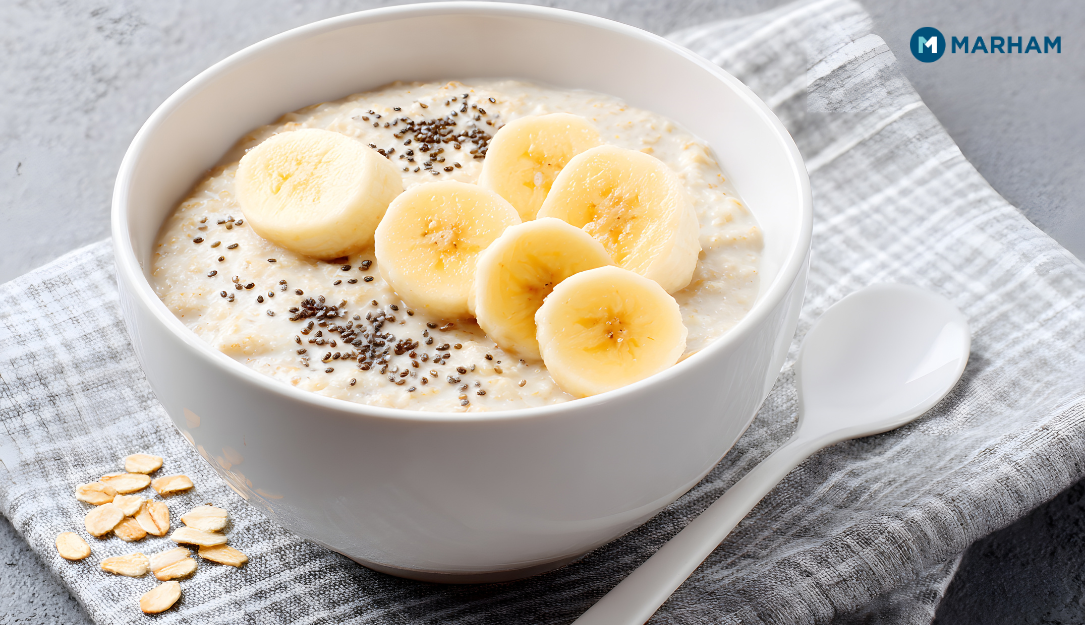
Mix into dalia (porridge), oatmeal, or even traditional kheer for added nutrients.
-
Salad Topping:
Sprinkle dry chia seeds on salads for a slight crunch and nutritional boost.
Chia Seeds For Weight Loss
Mix 1 tablespoon of chia seeds in a glass of water with fresh lemon juice. Drink this 30 minutes before meals. The seeds will expand in your stomach and help you eat less.
Remember: Chia seeds support weight loss, but they are not magic. You still need a balanced diet and regular physical activity.
How Much Should You Take Daily?
The recommended amount is 1-2 tablespoons per day (15-30 grams). This provides optimal nutrition without overdoing the calories.
If you are new to chia seeds, start small:
- Week 1: 1 teaspoon daily
- Week 2: 2 teaspoons daily
- Week 3 onwards: 1-2 tablespoons daily
This gradual increase helps your digestive system adjust to the extra fiber.
Chia Seeds vs Basil Seeds: What’s the Difference?
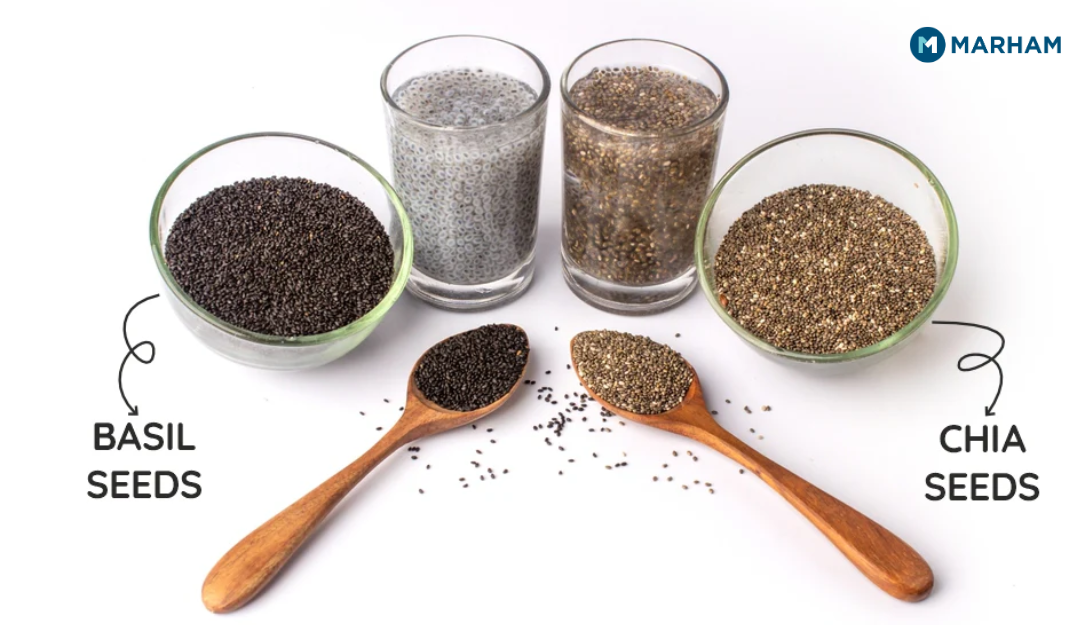
Many people ask about basil seeds vs chia seeds since both are popular in Pakistan.
Chia Seeds (تخم شربتی)
- From the Salvia hispanica plant
- Higher in omega-3 fatty acids
- More protein
- Can be eaten dry or soaked
Basil Seeds (تخم ریحان)
- From the basil plant
- Must be soaked before eating
- Better cooling properties
- Lower in omega-3s
Both are healthy, but chia seeds offer more nutritional benefits overall.
Where to Buy Chia Seeds in Pakistan
Chia seeds in Pakistan are widely available. You can find them:
- Online: Daraz, other e-commerce sites
- Supermarkets: Imtiaz, Naheed, Carrefour
- Health stores: Organic food shops in major cities
- Local markets: Ask for تخم شربتی
Chia seeds price in Pakistan typically ranges from Rs. 400-800 per 250g, based on the brand and quality. Organic varieties cost more.
Who Should Be Careful When Taking Chia Seeds?
- People with swallowing difficulties (never eat dry chia seeds)
- Those on blood-thinning medications (consult your doctor first)
- Anyone with low blood pressure (chia seeds can lower it further)
Pregnancy Note: Chia seeds are generally safe to consume in moderate amounts during pregnancy. However, it’s important for pregnant women to consult their doctor before adding them to their diet.
If you are still confused about how to use chia seeds safely, here is the way to go. Talk to the best nutritionists on Marham. They will make a diet plan for you based on your health, weight, and lifestyle. You can book an appointment anytime, anywhere either through video call or by visiting the clinic.
Conclusion
Chia seeds in Urdu (تخم شربتی) deserve their superfood status. They are packed with nutrients, easy to use, and offer real health benefits backed by science.
If you want to lose weight, improve heart health, or simply boost your nutrition, these tiny seeds can help. Start with small amounts, be consistent, and give your body time to show results.
They are affordable, widely available, and fit quite easily into traditional Pakistani foods and drinks. No complicated recipes or expensive equipment needed.
Ready to try them? Start with just one tablespoon daily and see how you feel after a few weeks.
Frequently Asked Questions
What are chia seeds called in Urdu?
Chia seeds are called تخم شربتی (Tukhm-e-Sharbati) in Urdu, which means “beverage seeds.”
How to use chia seeds for weight loss?
Soak 1 tablespoon in water with lemon juice and drink 30 minutes before meals. This helps you feel fuller and eat less.
How much chia seeds per day?
The recommended amount is 1-2 tablespoons (15-30 grams) daily for adults. Start with smaller amounts if you are new to them.
Are chia seeds and basil seeds the same?
No, they are different plants. Chia seeds (تخم شربتی) have more omega-3s and protein, while basil seeds (تخم ریحان) have stronger cooling properties.
Can I eat chia seeds daily?
Yes, daily consumption is safe and beneficial for most people. Just stick to the recommended 1-2 tablespoons per day.
