


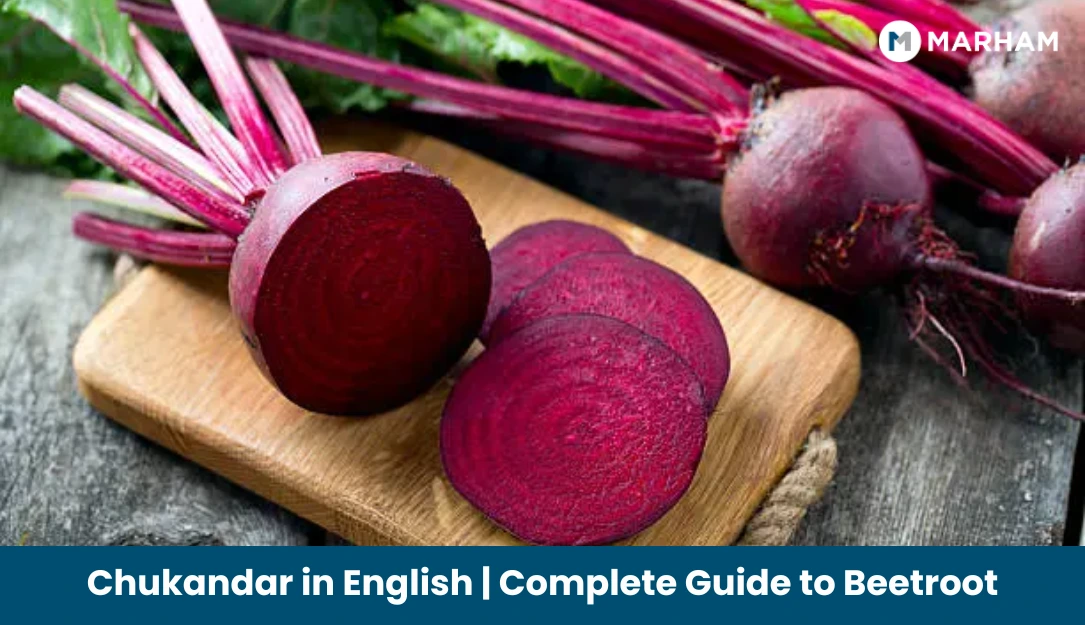
If you’ve ever wondered “what do we call chukandar in English?” you’re not alone. Thousands of Pakistanis search for the chukandar meaning in English every month. The answer is simple: chukandar in English is called Beetroot.
This deep red vegetable, known as چقندر (chukandar) in Urdu, is one of the most nutritious foods you can add to your diet. Whether you eat it raw in salads, drink it as juice, or cook it in traditional Pakistani dishes, beetroot offers incredible health benefits that have been used in desi remedies for generations.
In this complete guide, we’ll explore everything about chukandar – from its English name to its amazing health benefits, nutrition facts, and how Pakistani families can include it in their daily meals.
Chukandar Name in English: Beetroot
The chukandar name in English is Beetroot (also simply called “beet” in American English). Here’s a quick reference:
| Language | Name |
| Urdu | چقندر (Chukandar) |
| English | Beetroot / Beet |
| Scientific Name | Beta vulgaris |
Many people also search for “chukandar animal in English” – but chukandar is not an animal! It’s a root vegetable that grows underground, similar to carrots and turnips. The confusion might come from searching, but rest assured, chukandar is a healthy vegetable, not an animal.
Chukandar (Beetroot) Nutrition Facts
Before exploring chukandar benefits, let’s look at what makes this vegetable so nutritious. Here’s what you get in one cup (136g) of raw beetroot:
| Nutrient | Amount | Daily Value |
| Calories | 58 | 3% |
| Carbohydrates | 13g | 4% |
| Fiber | 3.8g | 14% |
| Protein | 2.2g | 4% |
| Folate | 148mcg | 37% |
| Manganese | 0.4mg | 16% |
| Potassium | 442mg | 13% |
| Vitamin C | 6.7mg | 11% |
| Iron | 1.1mg | 6% |
| Magnesium | 31mg | 8% |
Chukandar is especially rich in folate, potassium, and nitrates – compounds that give beetroot its powerful health benefits.
10 Chukandar Benefits | چقندر کے فوائد
Now that you know chukandar in English is beetroot, let’s explore why this vegetable deserves a place in your kitchen.
1. Lowers Blood Pressure
One of the most researched chukandar benefits is its ability to lower blood pressure naturally. Beetroot contains high levels of nitrates, which your body converts into nitric oxide. This compound relaxes and widens blood vessels, allowing blood to flow more easily. Studies show that drinking beetroot juice can lower systolic blood pressure by 4-10 mmHg within just a few hours. For the millions of Pakistanis dealing with high blood pressure, adding chukandar to your diet could be a natural way to support heart health.
2. Boosts Energy and Stamina
Feeling tired during the day? Chukandar might be your answer. The nitrates in beetroot improve how efficiently your muscles use oxygen during physical activity. Research shows that beetroot juice can improve exercise performance by up to 16% and help you exercise longer without feeling exhausted. Whether you’re working long hours, doing household chores, or exercising, chukandar can give you that extra energy boost.
3. Supports Heart Health
Heart disease is a growing concern in Pakistan, and chukandar offers natural protection. The fiber, potassium, and antioxidants in beetroot work together to keep your heart healthy. Beetroot helps reduce bad cholesterol (LDL), prevents plaque buildup in arteries, and reduces inflammation. Regular consumption of chukandar can significantly lower your risk of heart attacks and strokes.
4. Improves Digestive Health
Chukandar is an excellent source of dietary fiber, with nearly 4 grams per cup. This fiber feeds the beneficial bacteria in your gut, promoting a healthy digestive system. Eating beetroot regularly can help prevent constipation, promote regular bowel movements, and reduce the risk of digestive conditions like inflammatory bowel disease. If you struggle with digestive issues, adding chukandar to your meals could provide relief.
5. Fights Inflammation
Chronic inflammation is linked to many diseases, from arthritis to diabetes. Chukandar contains betalains – the pigments that give beetroot its deep red color – which have powerful anti-inflammatory properties. Studies show that beetroot juice and supplements can reduce inflammatory markers in the body. This makes chukandar beneficial for anyone dealing with joint pain, swelling, or inflammatory conditions.
6. Supports Brain Health
As we age, mental function naturally declines. Chukandar can help slow this process by improving blood flow to the brain. The nitrates in beetroot increase blood flow to the frontal lobe – the area responsible for decision-making and memory. Research on older adults shows that regular beetroot consumption improves reaction time and cognitive function. For students studying for exams or elderly family members, chukandar is brain food.
7. Helps with Weight Management
If you’re trying to lose weight, chukandar is a perfect addition to your diet. It’s low in calories (only 58 per cup) but high in fiber and water, which keeps you feeling full longer. The natural sugars in beetroot provide energy without the crash that comes from processed foods. Replacing high-calorie snacks with beetroot salad or juice can help you manage your weight effectively.
8. Supports Liver Health
Your liver works hard to filter toxins from your body, and chukandar helps it do this job better. Beetroot contains betaine, a compound that helps prevent fat buildup in the liver and protects liver cells from damage. Regular consumption of chukandar can support liver detoxification and may help prevent fatty liver disease – a condition becoming increasingly common in Pakistan.
9. Improves Skin Health
Want glowing, healthy skin? Chukandar benefits extend to your appearance too. The vitamin C in beetroot promotes collagen production, keeping skin firm and youthful. The antioxidants fight free radicals that cause premature aging, while the anti-inflammatory properties help reduce acne and skin irritation. Many Pakistani women use beetroot as a natural remedy for achieving that healthy, rosy glow.
10. Increases Hemoglobin and Fights Anemia
Anemia is a significant health concern in Pakistan, especially among women. Chukandar is rich in iron and folate – two essential nutrients for producing healthy red blood cells. Drinking beetroot juice regularly can help increase hemoglobin levels and combat iron-deficiency anemia. Doctors often recommend chukandar for pregnant women and those with low blood counts.
Chukandar Juice Benefits | چقندر کا جوس
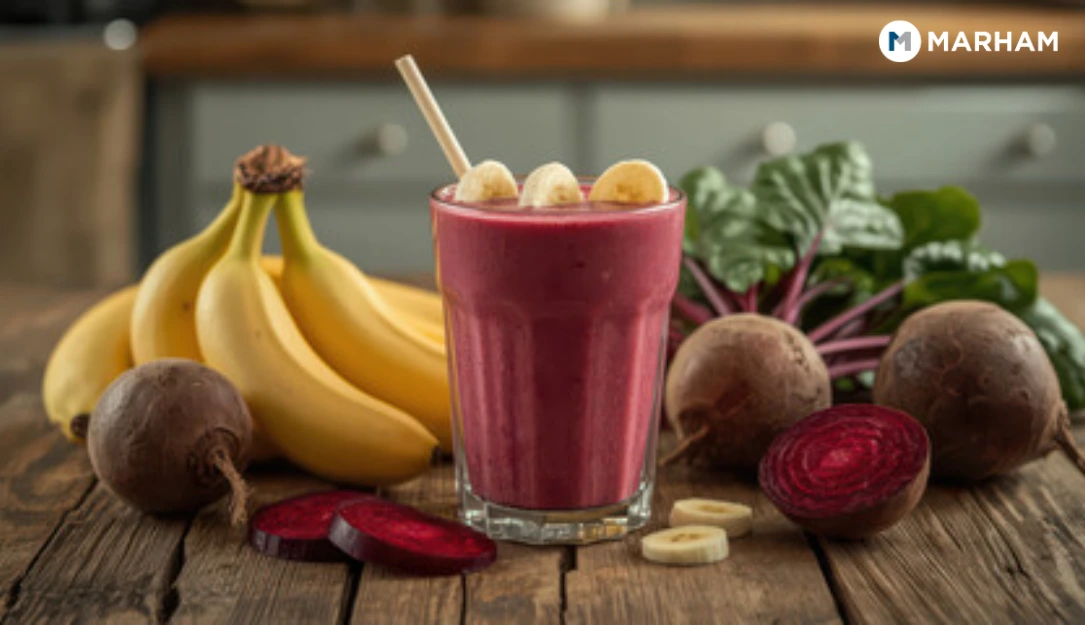
Chukandar juice (beetroot juice) is one of the most popular ways to consume this vegetable. Here are specific chukandar juice benefits:
Drinking chukandar juice provides concentrated nutrition that’s quickly absorbed by your body. Just one glass delivers a powerful dose of nitrates, antioxidants, and vitamins. Athletes often drink beetroot juice before workouts because it improves oxygen use and endurance. The juice is also excellent for people who don’t enjoy eating whole beetroot but still want its benefits.
For best results, drink fresh chukandar juice on an empty stomach in the morning. You can mix it with carrot juice, apple, or orange to improve the taste. Start with half a glass and gradually increase to one full glass daily. Many Pakistani families make fresh chukandar juice at home using a juicer or blender.
How to Use Chukandar in Pakistan
Pakistani cuisine offers many delicious ways to enjoy chukandar:
Chukandar ka Raita: Mix boiled, grated beetroot with yogurt, cumin, and salt for a colorful side dish that pairs perfectly with biryani or pulao.
Chukandar Salad: Combine raw or boiled beetroot with onions, cucumber, lemon juice, and chaat masala for a refreshing salad.
Chukandar Juice: Blend raw beetroot with carrots, apples, and a little ginger for a nutritious morning drink.
Chukandar Paratha: Add grated beetroot to your paratha dough for a colorful, nutritious breakfast option that kids love.
Chukandar Halwa: A traditional winter dessert made by cooking grated beetroot with milk, sugar, and ghee – popular during cold months.
In Curries: Add beetroot to mixed vegetable curries for extra nutrition and a sweet, earthy flavor.
Recommended Daily Intake
For most people, eating one medium beetroot or drinking 200-250ml of chukandar juice daily is safe and beneficial. Start with smaller amounts if you’re new to beetroot, as it can cause digestive discomfort in some people. Those using beetroot for blood pressure management should consult with a doctor about the right amount for their needs.
Chukandar vs Gajar (Beetroot vs Carrot)
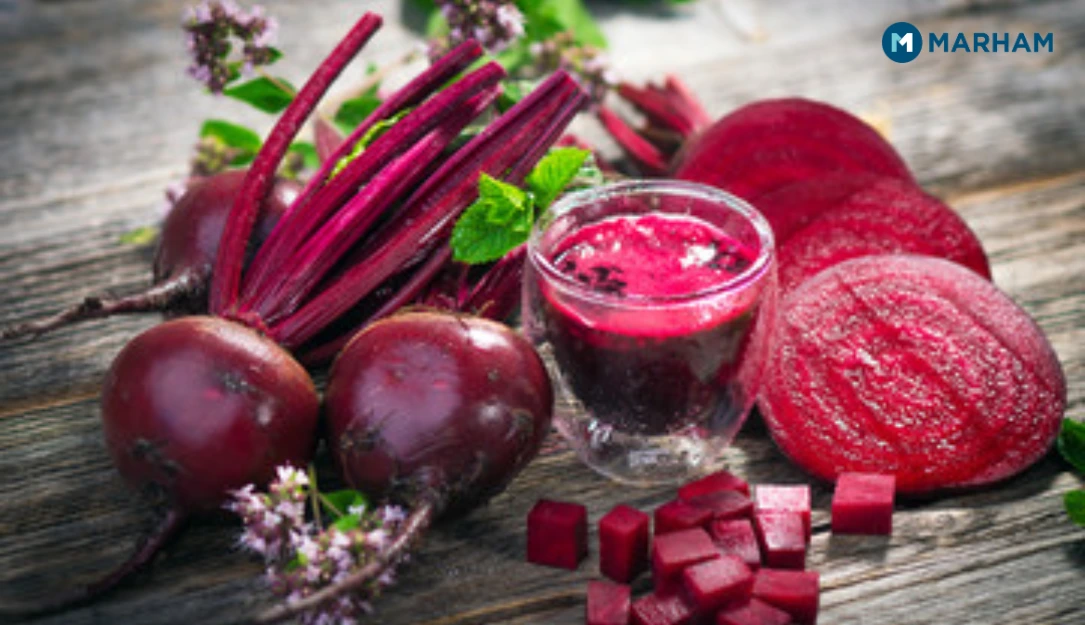
Both chukandar and gajar (carrot) are popular root vegetables in Pakistan. Here’s how they compare:
| Feature | Chukandar (Beetroot) | Gajar (Carrot) |
| Best For | Blood pressure, stamina | Eye health, immunity |
| Calories (1 cup) | 58 | 52 |
| Key Nutrient | Nitrates, folate | Beta-carotene, Vitamin A |
| Taste | Earthy, sweet | Sweet, mild |
| Color | Deep red/purple | Orange |
| Juice Benefit | Energy, blood flow | Vision, skin |
Both vegetables are excellent choices. Many Pakistanis combine them in juices and salads for maximum benefits.
Cautions and Side Effects
While chukandar (beetroot) is safe for most people, keep these points in mind:
- Kidney Stones: Beetroot is high in oxalates, which can contribute to kidney stone formation. If you have a history of kidney stones, limit your intake and consult your doctor.
- Red Urine/Stool: Don’t be alarmed if your urine or stool turns pink or red after eating beetroot. This is called beeturia and is completely harmless – it’s just the natural pigments passing through your system.
- Blood Pressure Medication: If you’re taking blood pressure medication, monitor your levels carefully when consuming beetroot regularly, as it can enhance the effects of your medication.
- Diabetes: While beetroot has a moderate glycemic index, those with diabetes should monitor their blood sugar levels when consuming it regularly.
- Allergies: Though rare, some people may be allergic to beetroot. If you experience itching, swelling, or difficulty breathing, stop consumption immediately.
Get Expert Dietary Advice from Marham
If you are unsure how to safely include chukandar (beetroot) or other natural ingredients in your daily routine, getting professional guidance can be very helpful. Individual health needs differ, especially for those managing concerns such as blood pressure, anemia, kidney issues, or overall wellness, and expert advice ensures the right approach for your body.
Marham helps you connect with experienced dietitians and healthcare professionals who are familiar with both traditional practices and modern nutrition. You can receive personalized diet plans, clear usage guidance, and practical recommendations based on your specific health goals.
Take the next step today:
- Call 0311-1222398 to book a consultation
- Choose between online video consultations or in-clinic visits
- View verified patient reviews and select the expert that suits you best
Professional support can make a meaningful difference in your health journey.
Conclusion
Now you know that chukandar in English is called beetroot and it’s one of the most nutritious vegetables you can eat. From lowering blood pressure and boosting energy to improving brain function and fighting anemia, chukandar benefits are truly impressive.
Whether you enjoy it as fresh juice, in raita, as halwa, or in salads, adding chukandar to your Pakistani kitchen is a delicious way to improve your family’s health. Start with small amounts, find recipes your family enjoys, and make this wonderful vegetable a regular part of your meals.
