


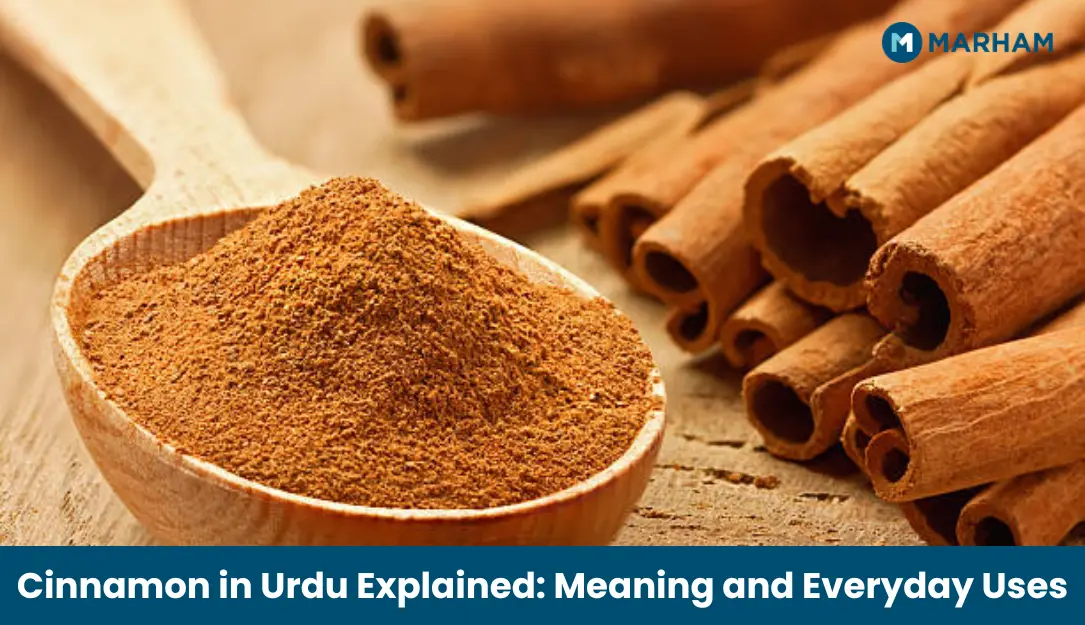
Cinnamon is a commonly used spice in Pakistan, known locally as Daar Cheeni and often searched online as cinnamon in urdu when people want to understand its meaning, uses, or health value. It is widely added to food, tea, and traditional remedies, not just for its aroma but also for its long-standing role in household wellness practices. From managing digestion to supporting blood sugar balance, cinnamon has remained part of daily life across generations.
Pakistan does not have large-scale domestic cinnamon production and mainly depends on imported cassia varieties for consumption. Despite this, the country has emerged as a growing exporter, with cinnamon exports increasing sharply in recent years. In 2024, exports crossed 4,200 metric tons, valued at around USD 7.5 million, with shipments going to markets such as the UAE, Saudi Arabia, the UK, Germany, and Canada. This growth reflects both rising global demand and stronger trade activity from Pakistan.
Within the local market, cinnamon is commonly available in powder and stick form and is frequently used in chai, desserts, spice mixes, and herbal preparations. Many people value it for its perceived benefits related to heart health, inflammation, and blood sugar control. With increasing awareness and steady demand, cinnamon continues to hold an important place in Pakistani kitchens as well as in traditional health routines.
Cinnamon in Urdu: What Is Darcheeni
Cinnamon in Urdu is known as “Daar Cheeni” (دار چینی). It refers to the dried inner bark of trees belonging to the Cinnamomum species. Cinnamon is commonly available in two forms: sticks and powder, both of which have a warm, slightly sweet aroma and taste. In Pakistani households, Daar Cheeni is widely used in tea, rice dishes, desserts, and spice blends, and is also valued in traditional home remedies for its long-standing culinary and wellness uses.
Cinnamon Meaning in Urdu
دار چینی ایک مشہور خوشبودار مصالحہ ہے جو دار چینی کے درخت کی اندرونی چھال سے حاصل کیا جاتا ہے۔ اردو زبان میں اسے دار چینی کہا جاتا ہے اور یہ صدیوں سے برصغیر میں کھانوں، چائے، اور روایتی گھریلو استعمال میں شامل رہی ہے۔ دار چینی کو عام طور پر ایک گرم تاثیر رکھنے والا مصالحہ سمجھا جاتا ہے جو کھانوں کے ذائقے اور خوشبو میں اضافہ کرتا ہے اور روزمرہ زندگی میں وسیع پیمانے پر استعمال ہوتی ہے۔
Cinnamon Sticks vs Cinnamon Powder in Urdu: Key Differences
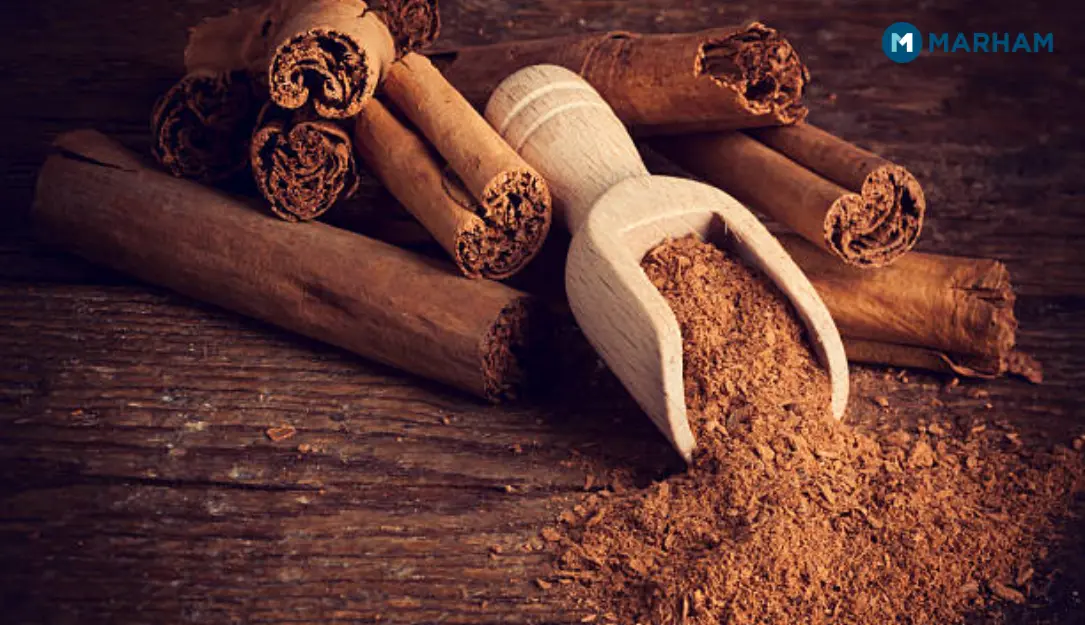
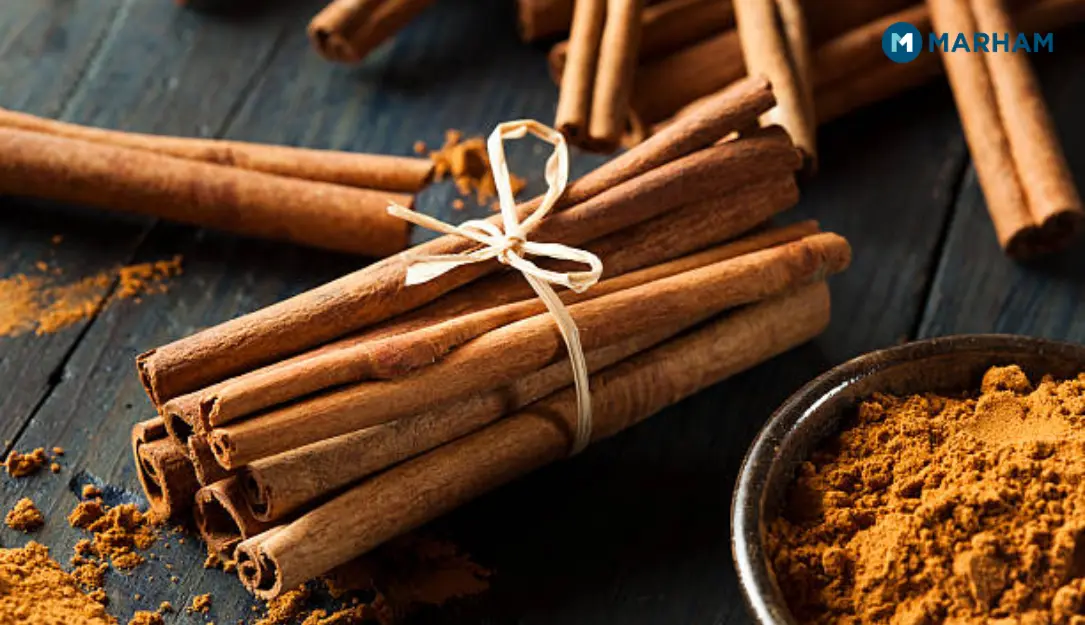
Cinnamon is commonly available in two forms: cinnamon sticks and cinnamon powder, and both are used widely in Pakistani kitchens. Cinnamon sticks are whole pieces of dried bark and are usually added to tea, rice dishes, curries, or gravies. They release flavor slowly during cooking and are often removed before serving, making them suitable when a mild and steady aroma is needed.
Cinnamon powder is made by grinding cinnamon sticks into a fine form. It is easier to use and mixes quickly, which is why it is commonly added to tea, milk, desserts, and baked items. Many people prefer cinnamon powder for daily use because it saves time and blends evenly. In terms of taste and benefits, both forms are similar, and the choice mostly depends on how the cinnamon is being used in cooking or home remedies.
Cinnamon Benefits
Cinnamon is a common spice used in many Pakistani homes for cooking, tea, and traditional remedies. It is known locally as Daar Cheeni and is often searched online as cinnamon in urdu by people who want to understand its everyday uses. When used in small amounts, cinnamon can support general health and fit easily into daily routines.
Helps Manage Blood Sugar
One of the well-known benefits of cinnamon is its role in helping manage blood sugar levels. Many people add a small amount of cinnamon to tea or food, especially those who are careful about sugar intake. In traditional home practices, Daar Cheeni is often mentioned as a helpful spice when used regularly but in moderation.
Supports Digestion
Cinnamon is commonly used to support digestion, especially after heavy or oily meals. It may help reduce gas, bloating, and stomach discomfort. In Pakistani households, cinnamon is often added to warm drinks to help the stomach feel more comfortable.
Helpful During Cold and Cough
During winter, cinnamon is often used in home remedies for cold, cough, and sore throat. It is usually mixed with honey or added to tea. Many people believe its warming effect helps provide comfort during seasonal illnesses.
Supports Heart Health
Cinnamon is also believed to support heart health when used as part of a balanced diet. It is often linked with helping maintain healthy cholesterol levels. While it is not a medicine, regular and moderate use of cinnamon is commonly advised in traditional diet practices.
Has Natural Anti-Inflammatory Properties
Cinnamon contains natural compounds that help reduce inflammation in the body. Because of this, it is often included in everyday food and drinks. When people search for cinnamon in urdu, they are usually looking for this kind of simple, practical information about how the spice fits into daily life.
Cinnamon Benefits in Urdu
دار چینی کے فوائد میں ہاضمہ بہتر کرنا، جسم کو گرم رکھنا، نزلہ، زکام اور کھانسی میں آرام دینا، خون میں شوگر کے توازن میں مدد کرنا، دل کی صحت کو سہارا دینا، اور جسم میں سوزش کم کرنے میں معاون ہونا شامل ہیں۔ یہ توانائی بحال کرنے، منہ کی بدبو کم کرنے، اور مجموعی صحت کو بہتر رکھنے کے لیے بھی روایتی طور پر استعمال کی جاتی ہے، خاص طور پر جب اسے اعتدال میں استعمال کیا جائے۔
Cinnamon Nutrition
Below is a single, properly sequenced table showing the nutritional value of cinnamon, with per 100g values and common household use (per teaspoon) combined for easy understanding.
Cinnamon Nutrition
Below is a single, properly sequenced table showing the nutritional value of cinnamon, with per 100g values and common household use (per teaspoon) combined for easy understanding.
Nutritional Value of Cinnamon
| Nutrient | Per 100g | Per Teaspoon (2g) |
| Calories | 247 kcal | 6 kcal |
| Carbohydrates | 81 g | 2 g |
| Dietary Fiber | 53 g | 1 g |
| Protein | 4 g | <0.1 g |
| Fat | 1 g | <0.1 g |
| Manganese | 17 mg | ~10% DV |
| Calcium | 1002 mg | ~5% DV |
| Iron | 8 mg | ~2% DV |
| Magnesium | 60 mg | ~1% DV |
| Potassium | 431 mg | ~1% DV |
| Vitamin K | 31 µg | ~1% DV |
| Vitamin E | 2 mg | Trace |
This table reflects how cinnamon is typically consumed in small amounts in Pakistan, such as in tea, cooking, or traditional remedies, while still contributing useful nutrients to the diet.
How to Make Cinnamon Tea
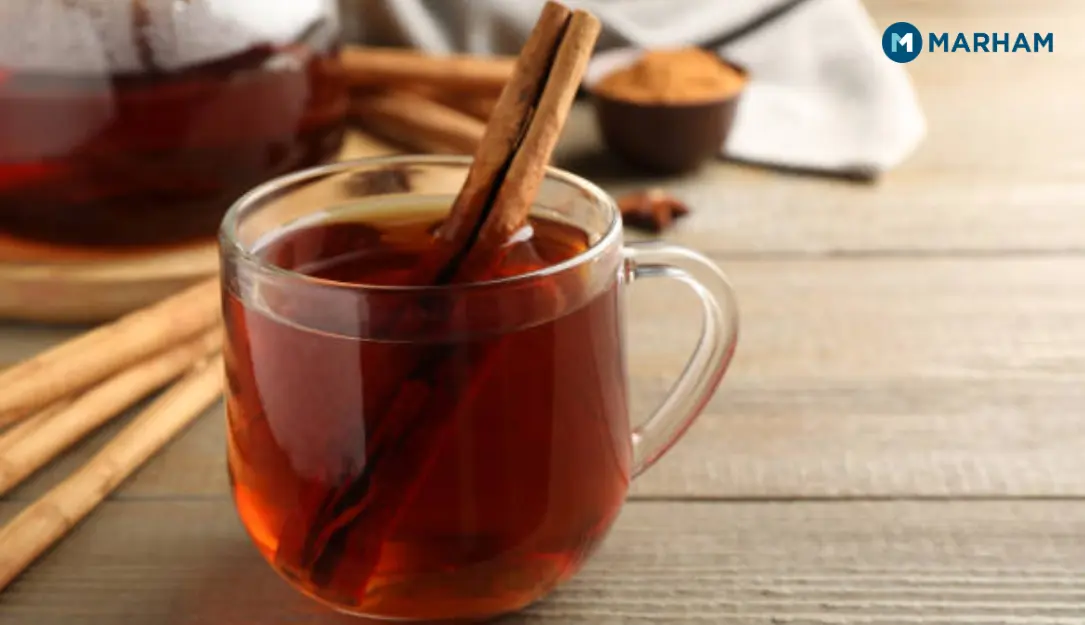
Many people search for cinnamon tea as a simple home drink used for warmth, digestion, and daily wellness. It is easy to prepare and requires only a few ingredients. Follow these simple steps:
- Take 1 small cinnamon stick or ½ teaspoon cinnamon powder
- Add it to 1 cup of water
- Bring the water to a gentle boil
- Let it simmer for 5–7 minutes
- Turn off the heat and let it rest for 1–2 minutes
- Strain the tea if using a cinnamon stick
- Add honey or lemon if desired
- Drink warm, preferably once a day
Side Effects of Cinnamon
Although cinnamon is widely used in daily cooking and home remedies, it should be consumed in moderation. People who search for cinnamon in urdu often focus on its benefits, but it is equally important to understand the possible side effects, especially when used regularly or in large amounts.
- Excessive use of cinnamon may cause mouth or throat irritation
- Too much intake can lead to stomach discomfort, acidity, or nausea
- High amounts of cassia cinnamon may affect liver health over time
- Cinnamon may lower blood sugar levels too much when taken with diabetes medicines
- Some people may experience allergic reactions or skin sensitivity
- Pregnant women should avoid consuming large quantities without medical advice
Using cinnamon occasionally in food or tea is generally safe, but mindful use helps reduce the risk of unwanted effects.
Get Expert Nutrition Guidance from Marham
If you are unsure about how much or how often to include spices like cinnamon or other natural foods in your diet, professional advice can be helpful. Nutritional needs vary from person to person, especially for those managing conditions such as diabetes, heart concerns, or general wellness goals.
Marham helps you connect with qualified nutritionists across Pakistan who understand both traditional food practices and modern nutrition. From personalized meal planning to simple, practical dietary guidance, you can receive recommendations that are suited to your individual health needs and lifestyle.
Conclusion
Cinnamon continues to be a widely used spice in Pakistani kitchens, known for its aroma, flavor, and traditional value in everyday cooking and home remedies. Understanding cinnamon in urdu makes it easier to recognize Daar Cheeni, its common uses, and how it fits into daily routines. When used in small and balanced amounts, cinnamon can be a helpful addition to food and tea, while being mindful of moderation and individual health needs.
