


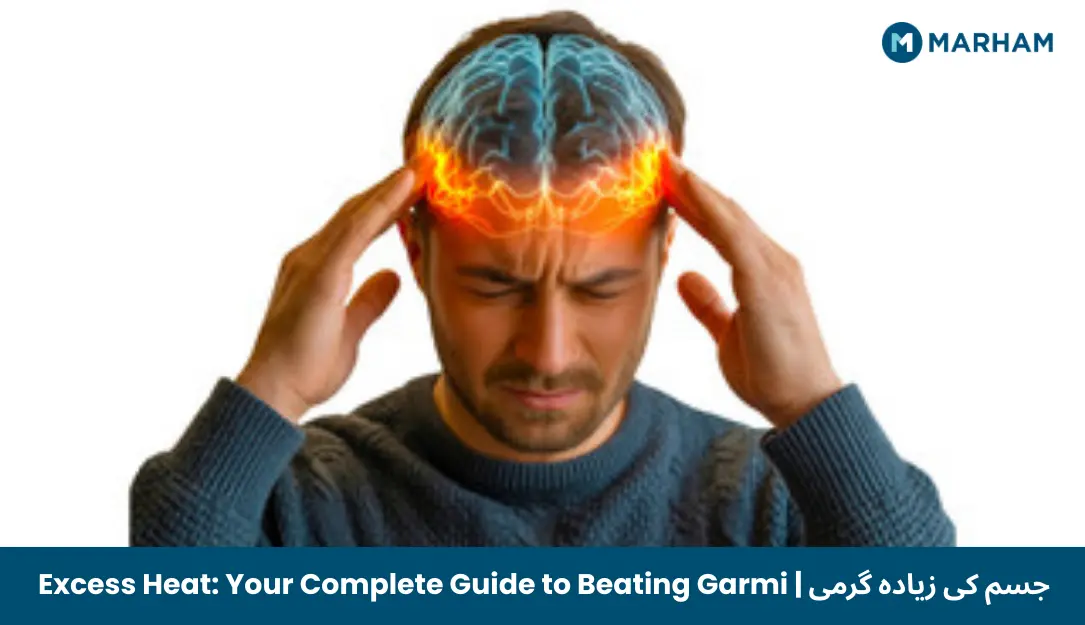
Every Pakistani knows the struggle. The sun is blazing, load shedding hits, and your body feels like it is on fire from the inside. That burning sensation in your palms, those tiny red bumps on your skin, and that constant thirst that never seems to go away. Sound familiar?
Excess heat is not just about the weather outside. Sometimes your body generates too much internal heat on its own, and that can cause real problems. In Pakistan, where temperatures regularly cross 45°C in summer, understanding how to manage excessive heat is not a luxury. It is a survival skill.
Whether you call it garmi lagna, body heat, or excessive heat, this guide will help you understand why it happens, what it does to your body, and most importantly, how to cool down naturally.
What Is Excess Heat?
Excess heat means your body is producing or absorbing more heat than it can release. Your body normally stays around 37°C (98.6°F). When this temperature rises and your cooling system cannot keep up, you start experiencing problems.
There are two types of excess heat to understand. External heat comes from the environment around you, like hot weather, direct sunlight, or working near stoves and ovens. Internal heat or excessive body heat comes from within your body due to diet, medical conditions, hormonal changes, or even stress.
In Pakistan, we often deal with both at the same time, which makes summers particularly dangerous for outdoor workers, children, and elderly family members.
Excessive Heat Meaning in Urdu | جسم کی زیادہ گرمی کا مطلب
جسم کی زیادہ گرمی کا مطلب ہے کہ آپ کے جسم کا درجہ حرارت معمول سے زیادہ ہو جائے۔ یہ موسم کی شدید گرمی، زیادہ مسالے دار کھانے، پانی کی کمی، یا کسی بیماری کی وجہ سے ہو سکتا ہے۔ جب جسم اپنی گرمی باہر نہیں نکال پاتا تو پسینہ زیادہ آتا ہے، سر درد ہوتا ہے، جلد پر دانے نکلتے ہیں، اور تھکاوٹ محسوس ہوتی ہے۔ زیادہ گرمی کو نظرانداز کرنا خطرناک ہو سکتا ہے اور ہیٹ سٹروک تک جا سکتا ہے۔ اس لیے پانی زیادہ پئیں، ٹھنڈی چیزیں کھائیں، اور دھوپ سے بچیں۔ اگر علامات شدید ہوں تو فوراً ڈاکٹر سے رابطہ کریں۔
Internal Body Heat Symptoms
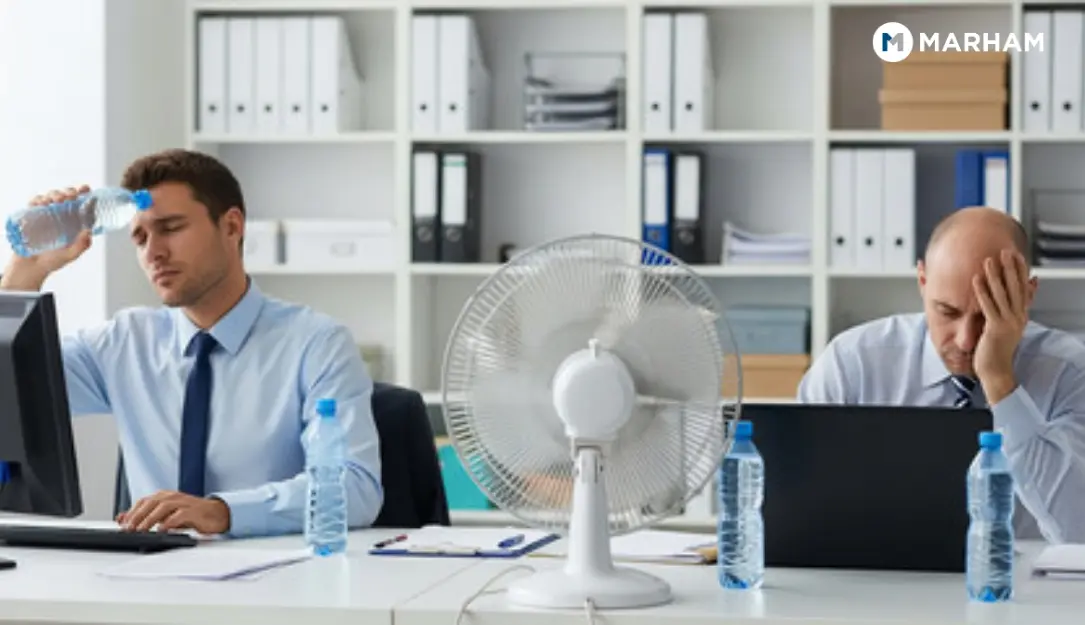
How do you know if your body has too much heat? Watch out for these common signs that Pakistani doctors frequently see during summer months.
Your skin may feel hot and dry to the touch even when you are sitting in shade. You might notice red rashes or small bumps, especially on your neck, chest, and back. Excessive sweating or sometimes no sweating at all are both warning signs. Burning sensation in your hands and feet is very common, especially at night.
Other symptoms include dark yellow urine which means you are dehydrated, feeling dizzy or lightheaded when you stand up, constant headaches that painkillers do not fix, mouth ulcers and acidity that keep coming back, difficulty sleeping because your body feels too warm, and fast heartbeat even when you are resting.
If you experience several of these symptoms together, your body is telling you it has too much heat and you need to take action.
What Causes Excessive Body Heat?
Understanding the causes helps you prevent the problem before it starts. Here are the most common reasons Pakistanis deal with excess heat.
Dehydration is the number one cause. Most Pakistanis do not drink enough water, especially during Ramadan or busy work days. When your body lacks water, it cannot cool itself through sweating.
Spicy and fried foods are a big part of Pakistani cuisine, but they increase your body temperature. Too much red meat, excessive chai, and fried snacks all contribute to internal heat.
Direct sun exposure affects millions of Pakistani workers, from farmers in Punjab to street vendors in Karachi. Working under the sun without protection is extremely dangerous.
Tight synthetic clothing traps heat against your body. Polyester and nylon do not let your skin breathe, making the heat worse.
Certain medications like blood pressure pills, antihistamines, and some antibiotics can reduce your body’s ability to cool down. Always ask your doctor about heat related side effects.
Medical conditions like hyperthyroidism, fever, and infections naturally raise your body temperature. Hormonal changes during pregnancy and menopause also cause excessive heat in women.
Stress and lack of sleep might surprise you, but mental stress actually increases your core body temperature. This is why you feel hotter when you are anxious or angry.
How to Protect Yourself From Excessive Heat

Prevention is always better than treatment. Here are practical tips that work specifically for Pakistani conditions.
Drink water before you feel thirsty. By the time thirst hits, you are already dehydrated. Aim for 8 to 12 glasses daily, and more if you work outdoors. Keep a water bottle with you at all times. Add a pinch of salt and sugar to your water if you are sweating heavily. This works like a homemade ORS.
Eat cooling foods. Pakistan has amazing natural coolants that your nani probably already told you about. Watermelon, cucumber, yogurt, lassi, sattu, mint, and lemon water are all excellent choices. Doodhi (bottle gourd) and tori are vegetables that naturally cool your body from inside.
Wear loose, light colored cotton clothes. White and pastel colors reflect sunlight while dark colors absorb it. Cotton fabric allows air to pass through and lets sweat evaporate, which is your body’s natural AC.
Avoid peak sun hours. Try to stay indoors between 11 AM and 4 PM when the sun is strongest. If you must go out, use an umbrella, wear a cap, and walk in the shade whenever possible.
Take cool showers. A cool (not ice cold) shower twice a day can significantly reduce your body temperature. Many Pakistani families already do this during summer and it genuinely helps.
Limit hot beverages and heavy meals. This is tough advice for chai lovers, but reducing your chai intake during extreme heat and eating lighter meals can make a big difference. Have your chai early morning or late evening when it is cooler.
What to Do in Excessive Heat: Emergency Steps
Sometimes prevention is not enough and you need to act fast. If someone shows signs of heat exhaustion or heat stroke, every minute counts.
Move the person to shade or an air conditioned room immediately. Remove any extra clothing and fan them to increase air circulation. Apply cold wet cloths to the neck, armpits, and forehead. These are the areas where blood vessels are closest to the skin.
Give them small sips of cool water. Do not give ice cold water as it can cause stomach cramps. If the person is unconscious, do not try to give them water. Instead, lay them on their side and call for emergency help right away.
Warning signs that need immediate medical attention: body temperature above 104°F (40°C), confusion or loss of consciousness, seizures, no sweating despite extreme heat, and vomiting. These are signs of heat stroke, which can be fatal if not treated within minutes.
Excessive Heat Warning: Who Is Most at Risk?
Not everyone handles heat the same way. Certain groups need extra protection during hot weather.
Elderly family members are at high risk because their bodies do not regulate temperature as efficiently. Check on your parents and grandparents frequently during heat waves.
Young children and babies cannot tell you when they are overheating. Never leave a child in a parked car, even for a minute. Keep them hydrated with water and breast milk.
Outdoor workers including laborers, delivery riders, traffic police, and farmers face the greatest risk. Employers should provide water, shade, and regular breaks during hot weather.
People with chronic illnesses like diabetes, heart disease, and kidney problems are more vulnerable to heat. Their medications may also increase heat sensitivity.
Pregnant women naturally have higher body temperatures and need to be extra careful about staying cool and hydrated.
Simple Home Remedies for Excess Body Heat
Pakistani households have been managing body heat naturally for centuries. Here are remedies that actually work.
Coconut water is one of the best natural coolants available. It replaces lost electrolytes and hydrates you faster than plain water. One glass daily during summer works wonders.
Mint and coriander chutney is not just delicious with your samosas. Mint has natural cooling properties that reduce internal body heat. Blend fresh mint with coriander, green chili, and lemon for a refreshing side dish.
Fennel seed water (saunf ka pani) is an old Pakistani remedy. Soak one tablespoon of fennel seeds in water overnight and drink it in the morning. It cools your stomach and reduces acidity.
Aloe vera juice is gaining popularity in Pakistan and for good reason. It cools your body from inside and also helps with skin problems caused by heat.
Applying sandalwood paste on your forehead is a traditional remedy that provides instant cooling relief. Mix sandalwood powder with rose water and apply for 15 to 20 minutes.
When to See a Doctor
Home remedies are great, but some situations need professional medical attention. Visit a doctor if your body temperature stays above 100°F for more than two days, if you stop sweating during extreme heat, if you experience confusion or fainting, if heat rashes become infected, or if you have a chronic condition and cannot manage your body heat.
Do not hesitate to seek help. Heat related illnesses can escalate quickly, and getting medical advice early can prevent serious complications.
Consult a Doctor
Dealing with excessive body heat that will not go away? A qualified doctor can identify the root cause and suggest the right treatment plan for your specific situation.
Book an appointment with a doctor through Marham by calling 0311-1222398 or visiting Marham.pk to find the best specialists near you.
FAQs About Excess Heat
How many glasses of water should I drink in summer?
Aim for at least 10 to 12 glasses daily. If you work outdoors or exercise, you need even more. Your urine color is the best guide. Light yellow means you are drinking enough.
Can certain foods increase body heat?
Yes. Red meat, eggs, dry fruits, ginger, garlic, and excessive spices can raise your body temperature. Balance them with cooling foods like yogurt and fruits.
Is drinking ice cold water good during extreme heat?
Actually, room temperature or slightly cool water is better. Ice cold water can shock your system and cause stomach cramps. Your body also has to work harder to warm up ice cold water before absorbing it.
How long does it take for body heat to return to normal?
With proper hydration and rest, mild excess heat usually resolves within a few hours. Severe cases like heat stroke may take days or weeks to fully recover from.
Can excess body heat affect sleep?
Absolutely. High body temperature makes it harder to fall asleep and stay asleep. Try a cool shower before bed, use cotton bedsheets, and keep a glass of water by your bedside.
