


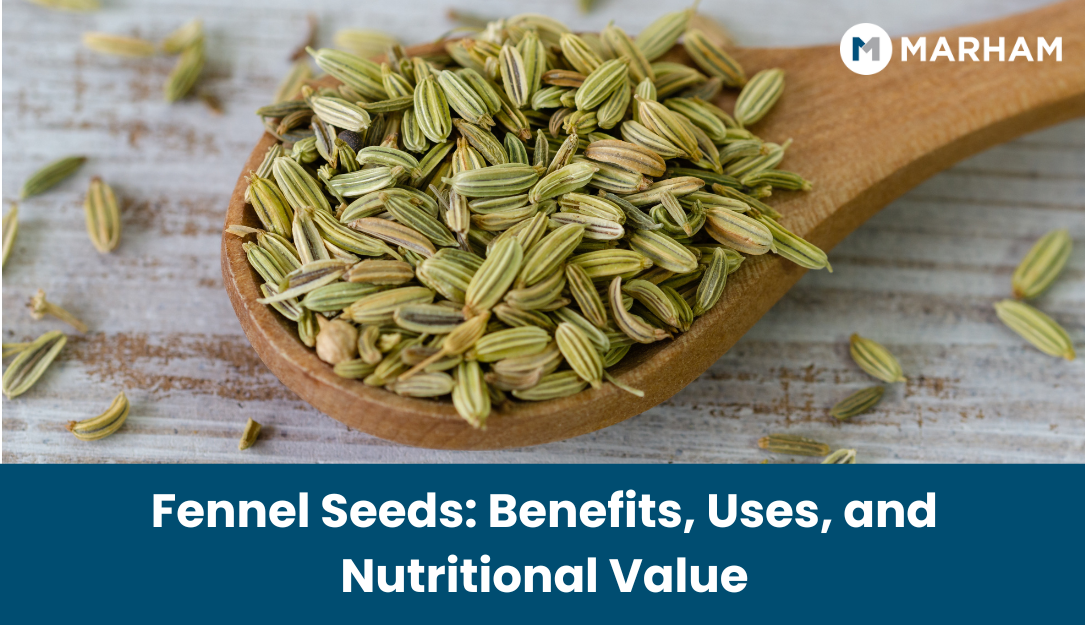
Many people suffer from digestive issues and spend a lot of money on medicine. But one of the medicines is also available in their kitchens. I am talking about a small, aromatic seed in your kitchen that you call Saunf. It has been used for centuries as a traditional medicine for digestive issues, boosting immunity, and improving metabolism.
These tiny, greenish-brown seeds pack a powerful punch when it comes to health benefits. From freshening your breath after meals to relieving digestive discomfort, fennel seeds are a natural remedy that has stood the test of time.
In this blog guide, we will cover everything you need to know about fennel seeds. Its benefits, nutritional values, and daily requirements.
What Are Fennel Seeds?
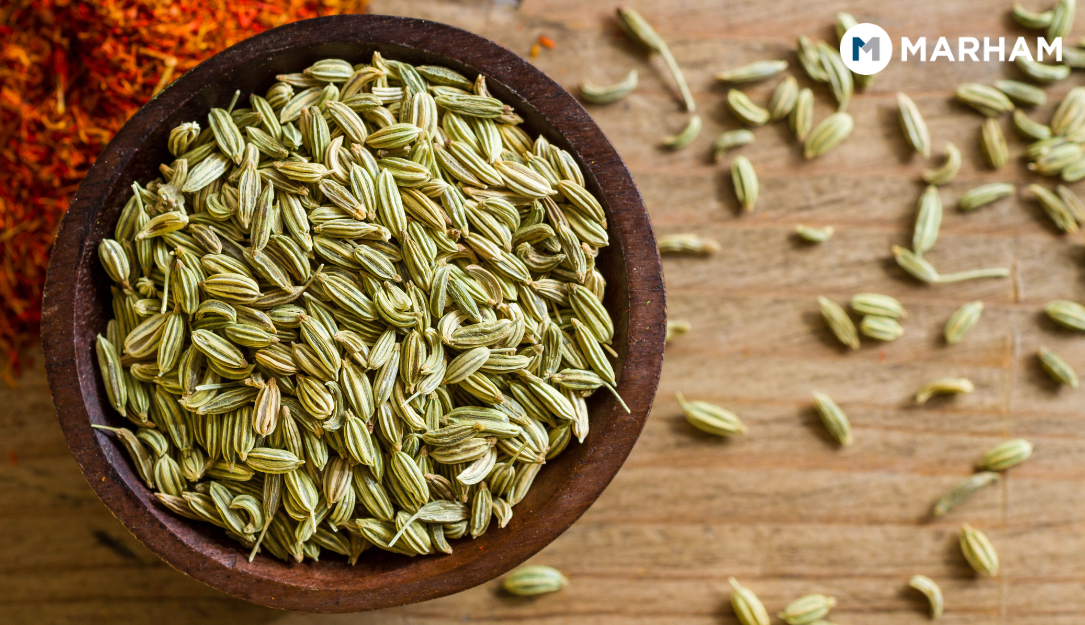
Fennel seeds come from the fennel plant (Foeniculum vulgare). They are actually the dried fruit of the fennel plant, though they are commonly referred to as seeds. Distinctive sweet, licorice-like flavor with a slightly bitter undertone, these seeds are small, oval-shaped, and typically greenish-brown in color with visible ridges.
In South Asian culture, fennel seeds hold a special place. They’re often chewed after meals as a digestive aid and breath freshener, and they’re a common ingredient in spice blends, teas, and traditional remedies. In Pakistan, you’ll find fennel seeds (saunf) in almost every household, used both for cooking and medicinal purposes.
There are two main varieties of fennel seeds: sweet fennel and bitter fennel. Sweet fennel is more commonly used for culinary and medicinal purposes, while bitter fennel is typically used in pharmaceutical preparations.
Fennel Seeds Nutrition
Despite their small size, fennel seeds are nutritional powerhouses packed with vitamins, minerals, and beneficial plant compounds.
Per 100 grams of fennel seeds, you get:
Macronutrients in Fennel Seeds:
- Calories: 345 kcal
- Carbohydrates: 52 g
- Protein: 16 g
- Fat: 15 g
- Dietary Fiber: 40 g
Vitamins in Fennel Seeds :
- Vitamin C
- Vitamin A
- Vitamin E
- B-vitamins (B1, B2, B3, B6)
- Folate
Minerals in Fennel Seeds:
- Calcium
- Iron
- Magnesium
- Potassium
- Phosphorus
- Zinc
- Manganese
- Copper
Other Beneficial Compounds:
- Anethole
- Flavonoids
- Phenolic compounds
- Essential oils
- Phytoestrogens
The high fiber content, combined with essential oils and antioxidants, makes fennel seeds particularly beneficial for digestive health and overall wellness.

Fennel Seeds Benefits
Fennel seeds offer numerous evidence-based health benefits that have been recognized in both traditional medicine and modern research.
1. Digestive Health
Fennel seeds are best known for their digestive benefits. They contain compounds that help relax the muscles in your digestive tract, reducing gas, bloating, and cramping.
They can relieve constipation due to their high fiber content. Best for indigestion, heartburn, and acid reflux by reducing stomach acid and inflammation in the digestive tract.
For babies suffering from colic, fennel tea (in very diluted form and only with pediatrician approval) has traditionally been used to relieve gas and discomfort.
2. Weight Management
Fennel seeds are natural appetite suppressants. Drinking fennel water or chewing on the seeds can help control cravings and reduce unnecessary snacking. The seeds also have mild diuretic properties and helping to reduce water retention and bloating.
3. Hormonal Balance and Women’s Health
Fennel seeds contain phytoestrogens that mimic the effects of estrogen in the body. This makes them particularly beneficial for women’s hormonal health.
For menstrual problems, fennel seeds may help regulate irregular periods and reduce menstrual cramps. The antispasmodic properties help relax uterine muscles, providing relief from painful periods.
During menopause, when estrogen levels naturally decline, fennel seeds may help alleviate symptoms like hot flashes, mood swings, and sleep disturbances.
For breastfeeding mothers, fennel has traditionally been used to increase milk production.
Fennel seeds may also help with PMS symptoms, including bloating, irritability, and breast tenderness, by supporting hormonal balance.
4. Heart Health
The fiber, potassium, and antioxidants in fennel seeds contribute to cardiovascular health in several ways.
The high fiber content helps reduce bad cholesterol (LDL) levels and potentially increases good cholesterol (HDL). It reduces the risk of heart disease. Potassium acts as a vasodilator, helping to relax blood vessels and reduce blood pressure.
The antioxidants in fennel seeds protect the heart from oxidative stress and inflammation. Regular consumption may help reduce the risk of heart attacks and strokes.
5. Immune System Support
Fennel seeds are rich in vitamin C, vitamin A, and various antioxidants that strengthen your immune system and help your body fight off infections and diseases.
The antimicrobial properties of fennel seeds can help combat harmful bacteria and fungi. The antioxidants protect your cells from damage caused by free radicals, reducing inflammation and supporting overall immune function.
Regular consumption of fennel seeds may help reduce the frequency and severity of common infections like colds and flu.
6. Respiratory Health
Fennel tea is a traditional remedy for respiratory congestion. The essential oils in fennel have antimicrobial effects that can help fight respiratory infections. This makes them beneficial for conditions like coughs, bronchitis, and asthma. The anti-inflammatory properties also help soothe irritated airways.
7. Fennel seeds benefits for skin
The antioxidants, vitamins, and minerals in fennel seeds contribute to healthy, glowing skin.
Fennel seeds help fight free radicals that cause premature aging, reducing the appearance of wrinkles and fine lines. Their antibacterial properties can help prevent and treat acne. The seeds also have anti-inflammatory effects that can soothe skin conditions like eczema and rosacea.
Drinking fennel water regularly may improve skin complexion and give your skin a natural glow by flushing out toxins.
8. Eye Health
Fennel seeds contain vitamin A and antioxidants that are essential for maintaining good vision and eye health. They may help reduce eye inflammation, prevent age-related macular degeneration, and protect against cataracts.
Traditional remedies use fennel seed extracts as eye washes to treat conjunctivitis and eye irritation, though you should always consult an eye doctor before trying any home remedies on your eyes.
9. Bone Health
The calcium, magnesium, phosphorus, and vitamin K in fennel seeds contribute to strong, healthy bones. Regular consumption may help prevent osteoporosis, especially in postmenopausal women who are at higher risk of bone loss.
10. Blood Purification
In traditional medicine, fennel seeds are considered excellent blood purifiers. They help flush out toxins from the body, improve blood circulation, and may help maintain healthy blood sugar levels. Some studies suggest fennel seeds may benefit people with diabetes by improving insulin sensitivity, though more research is needed.
How to Use Fennel Seeds
One of the best things about fennel seeds is their versatility. Here are numerous ways to incorporate them into your daily routine:
1. Fennel Water
This is one of the most popular ways to consume fennel seeds for health benefits.
How to make it:
- Soak 1-2 teaspoons of fennel seeds in a glass of water overnight
- Strain and drink the water first thing in the morning on an empty stomach
- Or boil 1 teaspoon of fennel seeds in 1 cup of water for 5 minutes, strain, and drink
2. Fennel Tea
- Crush 1 teaspoon of fennel seeds lightly
- Pour 1 cup of boiling water over the seeds
- Let it steep for 10 minutes
- Strain and add honey if desired
- Drink 2-3 times daily
3. Chewing Raw Seeds
Simply chew half a teaspoon of fennel seeds after meals.
4. In Cooking
Fennel seeds are a common spice in Indian, Pakistani, and Middle Eastern cuisines:
- Add to curries, dals, and vegetable dishes
- Use in spice blends
- Add to bread and baked goods
- Include in pickles and chutneys
- Season meat and fish dishes
5. Fennel Seed Powder
Grind roasted fennel seeds into a fine powder and:
- Mix with warm water or milk and drink
- Add to smoothies
- Sprinkle on salads
- Mix into yogurt
6. Fennel Mouth Freshener
Mix fennel seeds with mishri, dried coconut, and sesame seeds for a traditional mouth freshener.
Fennel Seeds Dosage
Recommended Daily Intake:
- For general health: 1-2 teaspoons of fennel seeds per day
- Fennel tea: 2-3 cups per day
- Fennel water: 1 glass in the morning
Best Time to Consume:
- After meals for digestive benefits
- Morning (empty stomach) for weight loss and detox
- Before bed for better sleep
- Anytime for breath freshening

Fennel Seeds Side Effects
While fennel seeds are generally safe for most people when consumed in normal food amounts, there are some precautions to consider:
Possible Side Effects:
- Allergic reactions in people sensitive to celery, carrot, or mugwort
- Nausea if consumed in very large amounts
- Skin sensitivity to sunlight in some individuals
- Potential hormonal effects due to phytoestrogens
Who Should Be Cautious:
Pregnant Women:
Large medicinal amounts should be avoided as fennel may stimulate menstruation. Always consult your doctor.
Breastfeeding Mothers:
Fennel seeds are traditionally used to increase milk supply. Consult with a nutritionist before taking large amounts.
Hormone-Sensitive Conditions:
People with conditions like breast cancer, uterine fibroids, endometriosis, or ovarian cancer should consult their doctor before using fennel regularly, as it contains phytoestrogens.
Bleeding Disorders:
Fennel may slow blood clotting. Avoid large amounts if you have bleeding disorders or are undergoing surgery.
Medication Interactions:
Fennel may interact with certain medications, including:
- Birth control pills
- Estrogen supplements
- Ciprofloxacin
- Blood thinners
Conclusion
Fennel seeds are small but mighty when it comes to health benefits. From improving digestion and supporting weight management to balancing hormones and boosting immunity, these aromatic seeds deserve a place in your daily wellness routine.
They are generally safe and beneficial for overall health. It is important to discuss with a dietitian and nutritionist before adding to the diet. Marham provides well-qualified doctors who understand your body’s needs and provide the best care.
