


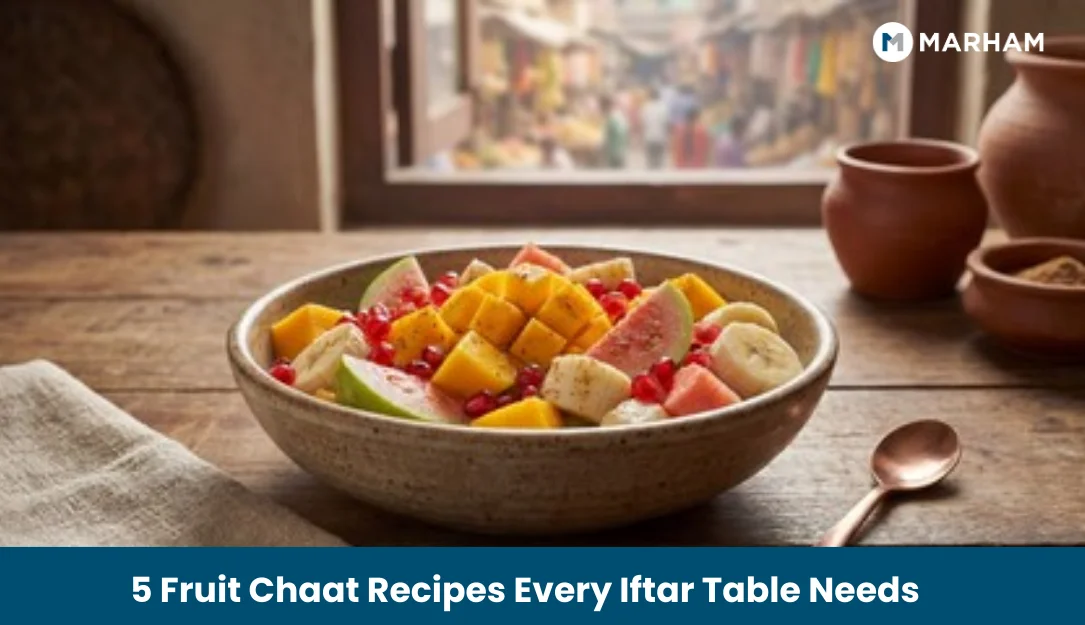
Iftar time hits different when there is a colorful plate of fruit chaat sitting on your dastarkhwan. Every Pakistani household has its own version of this classic Ramadan staple, and honestly, nothing beats that first bite of tangy, sweet, slightly spicy fruit chaat after a long day of fasting. فروٹ چاٹ (Fruit Chaat) is not just a snack. It is a tradition, a mood lifter, and one of the healthiest things you can break your fast with.
Whether your ammi makes it simple with just apples and bananas or your khala goes all out with pomegranate and pineapple, a healthy fruit chaat recipe for iftar is something every home needs this Ramadan. In this guide, you will learn five different ways to make fruit chaat, why it is so good for your body during fasting, and how to customize each recipe based on what fruits are available in your local bazaar.
Nutrition Facts: What Makes Fruit Chaat a Ramadan Superfood
A typical serving of homemade fruit chaat (approximately 250g) with mixed seasonal fruits provides the following nutrition:
| Nutrient | Amount (per serving) | Daily Value |
| Calories | 150 to 180 kcal | 8% |
| Dietary Fiber | 5 to 7g | 24% |
| Vitamin C | 65 to 90mg | 100% |
| Potassium | 400 to 500mg | 11% |
| Natural Sugars | 25 to 30g | Varies |
| Vitamin A | 800 to 1200 IU | 20% |
| Folate | 45 to 60mcg | 13% |
| Water Content | 80 to 85% | Hydration |
Notable fact: A single bowl of mixed fruit chaat can provide your entire daily requirement of Vitamin C, which is crucial for immune support during Ramadan when your eating window is limited.
5 Types of Fruit Chaat Recipes for Iftar
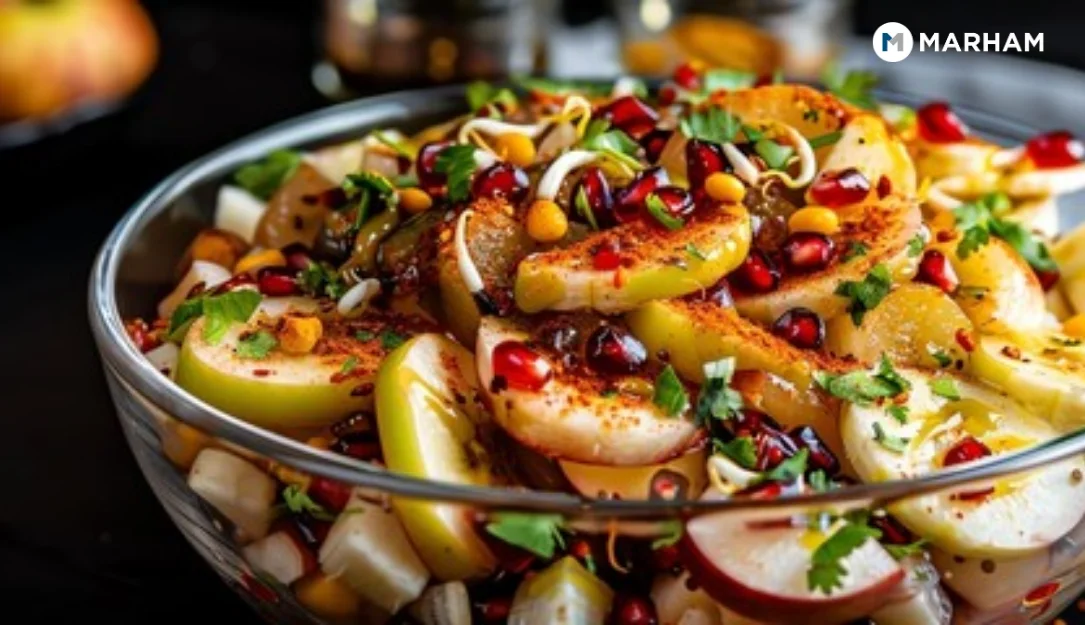
1. Classic Masala Fruit Chaat (The All Time Pakistani Favourite)
This is the fruit chaat that every Pakistani grew up eating. It is the one your dadi made, the one street vendors sell outside mosques during Ramadan, and the one recipe that never gets old no matter how many times you make it.
What You Need:
Apples (2, diced), Bananas (2, sliced), Pomegranate seeds (from 1 pomegranate), Oranges or Malta (2, segmented), Guava or Amrood (2, diced), Grapes (1 cup)
For the Dressing:
Chaat masala (1 to 2 teaspoons), Black salt or kala namak (half teaspoon), Fresh lemon juice (from 2 lemons), Black pepper (a pinch), Green chili (1, finely chopped, optional)
How to Make It:
- Wash and cut all fruits into bite sized pieces and add them to a large mixing bowl
- Squeeze fresh lemon juice immediately over the fruits to prevent browning and add that signature tangy kick
- Sprinkle chaat masala, black salt, and black pepper over everything
- Add green chili if you like it spicy
- Toss gently so softer fruits like bananas do not get mashed
- Refrigerate for 15 to 20 minutes before serving
This classic fruit chaat recipe for iftar is the perfect starter because the chaat masala and lemon combination stimulates your digestive enzymes, helping your stomach wake up gently after a full day of fasting. It rehydrates your body with natural water content from the fruits while the potassium and vitamins get absorbed quickly. Serve it right after dates and water, and wait 15 to 20 minutes before moving to heavier foods.
2. Creamy Dahi Fruit Chaat (Kids Absolutely Love This One)
If you have children at home who refuse to eat plain fruit, this creamy dahi fruit chaat will change the game entirely. The yogurt adds a smooth richness that makes every bite feel like a treat rather than a health food. It is also packed with probiotics from the dahi which are incredible for gut health during Ramadan.
What You Need:
Apples (2, diced), Bananas (2, sliced), Strawberries (1 cup, halved, if in season), Chikoo or Sapodilla (2, diced), Pomegranate seeds (half cup for topping), Grapes (1 cup)
For the Creamy Dressing:
Fresh yogurt or dahi (1 cup, whisked smooth), Honey (1 tablespoon), Chaat masala (half teaspoon), Black salt (a pinch), Fresh mint leaves (chopped, for garnish)
How to Make It:
- Cut all fruits into uniform bite sized pieces and place them in a serving bowl
- In a separate bowl, whisk the yogurt until it is completely smooth with no lumps
- Add honey, chaat masala, and black salt to the yogurt and mix well
- Pour this creamy dressing over the fruits and fold everything together gently
- Top with pomegranate seeds and fresh mint leaves
- Chill for 10 minutes before serving
This dahi fruit chaat is a fantastic option for sehri as well because the yogurt provides protein and the slow digesting fats keep you feeling full longer into the fast. The probiotics in dahi also help maintain healthy gut bacteria, which can get disrupted when your eating schedule changes during Ramadan. For kids, you can skip the chaat masala entirely and just go with honey and a pinch of black salt for a milder, sweeter version.
3. Spicy Peanut Fruit Chaat (For Those Who Like a Proper Kick)
This one is inspired by the fruit chaat you find at street stalls in Lahore and Karachi where they do not hold back on the spice. It is bold, crunchy, and has that addictive combination of sweet, sour, salty, and spicy that makes you go back for seconds and thirds. The roasted peanuts add protein and crunch that turns a simple fruit chaat into something truly satisfying.
What You Need:
Raw mango or kachi kairi (1, diced, when in season), Apples (2, diced), Guava or Amrood (2, diced), Cucumber (1, diced), Pomegranate seeds (half cup), Watermelon (1 cup, cubed, for summer Ramadan)
For the Spicy Dressing:
Roasted peanuts (half cup, lightly crushed), Chaat masala (2 teaspoons), Red chili powder (quarter teaspoon), Black salt (half teaspoon), Fresh lemon juice (from 2 lemons), Green chutney (1 tablespoon, optional), Green chilies (2, finely chopped)
How to Make It:
- Combine all the diced fruits and cucumber in a large bowl
- In a separate small bowl, mix together the chaat masala, red chili powder, black salt, lemon juice, and green chutney if using
- Pour this spicy dressing over the fruits and toss well
- Add the crushed roasted peanuts and chopped green chilies on top
- Give it one final gentle mix and serve immediately or chill for 10 minutes
This spicy fruit chaat is best for adults who love bold flavors and want something that feels more like a proper chaat rather than a light fruit snack. The peanuts add about 7 grams of protein per serving which makes this version more filling. The cucumber adds extra hydration and crunch while keeping the calorie count low. If kachi kairi is not in season, you can substitute with a green apple for that same tart bite. This is hands down the most popular fruit chaat recipe for iftar among young people who want flavor with every spoonful.
4. Tropical Cream Fruit Chaat (The Fancy Dastarkhwan Special)
When you have guests coming over for iftar or it is a special occasion like a weekend gathering, this tropical cream fruit chaat is what you bring out. It is rich, indulgent, and feels like a premium dessert while still being far healthier than kheer or shahi tukray. The combination of tropical fruits with fresh cream creates something that looks and tastes restaurant quality.
What You Need:
Mango (2, cubed, when in season), Pineapple (1 cup, cubed, fresh or canned), Papaya (1 cup, cubed), Banana (2, sliced), Strawberries (1 cup, halved), Kiwi (2, peeled and diced), Pomegranate seeds (for topping)
For the Cream Dressing:
Fresh cream (4 tablespoons), Condensed milk (2 tablespoons), Vanilla essence (a few drops), Chaat masala (just a pinch for that desi twist), Chopped almonds and pistachios (2 tablespoons, for garnish)
How to Make It:
- Cut all tropical fruits into elegant bite sized cubes and arrange them in a deep glass bowl or individual serving cups for a beautiful presentation
- In a separate bowl, whisk fresh cream with condensed milk and vanilla essence until smooth and slightly thick
- Pour the cream mixture over the arranged fruits and gently fold everything together
- Sprinkle a tiny pinch of chaat masala on top because even in a fancy fruit chaat, that desi touch makes all the difference
- Garnish with chopped almonds, pistachios, and pomegranate seeds
- Refrigerate for 20 to 30 minutes before serving for the best chilled experience
This tropical cream fruit chaat is higher in calories than the classic version, so consider it a treat rather than an everyday iftar option. The mangoes and papayas provide a serious dose of Vitamin A and digestive enzymes, while the nuts add healthy fats and protein. If you want to make it slightly lighter, substitute fresh cream with whipped Greek yogurt for a tangy twist that cuts the sweetness beautifully. Present it in clear glass cups so everyone can see those gorgeous layers of colorful fruits and cream.
5. Sugar Free Fruit Chaat (For Diabetics and Health Conscious Families)
This recipe is specifically designed for family members who are managing diabetes, watching their weight, or simply prefer eating clean during Ramadan. It uses only low glycemic fruits, zero added sugar, and relies on natural flavors from lemon, spices, and herbs to taste absolutely delicious without any guilt.
What You Need:
Green apple (2, diced with skin on), Guava or Amrood (2, diced), Pear (2, diced), Berries (1 cup, any mix of strawberries, blueberries), Peach (2, diced, when in season), Cucumber (1, diced for extra freshness)
For the Sugar Free Dressing:
Fresh lemon juice (from 2 lemons), Chaat masala (1 teaspoon), Black salt (half teaspoon), Roasted cumin powder (quarter teaspoon), Fresh mint leaves (a generous handful, finely chopped), Black pepper (a pinch), Flax seeds or chia seeds (1 tablespoon, optional for added fiber)
How to Make It:
- Wash and dice all fruits and cucumber into small uniform pieces
- Squeeze lemon juice over everything immediately
- Add chaat masala, black salt, roasted cumin powder, and black pepper
- Toss in the chopped fresh mint leaves which add amazing flavor without any calories
- Sprinkle flax seeds or chia seeds on top for an extra fiber and omega 3 boost
- Mix gently and serve chilled
This sugar free fruit chaat is the smartest choice for iftar if you or someone in your family has diabetes because all the fruits used have a glycemic index under 55. The added chia seeds slow down sugar absorption even further and the fiber content keeps blood sugar levels stable after breaking the fast. Green apples and guavas are particularly excellent choices because they have high fiber and low sugar compared to fruits like mangoes and grapes. Roasted cumin powder is the secret ingredient here because it adds a warm earthy flavor that makes you forget there is no sugar involved at all. This healthy fruit chaat recipe for iftar proves that eating for health does not mean compromising on taste.
Fruit Chaat Benefits in Urdu | فروٹ چاٹ کے فائدے
فروٹ چاٹ رمضان میں افطار کے لیے بہترین انتخاب ہے کیونکہ یہ جسم کو فوری طور پر پانی اور توانائی فراہم کرتی ہے۔ تازہ پھلوں میں موجود وٹامن سی، پوٹاشیم اور فائبر روزے کے بعد جسم کی ضروریات پوری کرتے ہیں۔ فروٹ چاٹ کھانے سے ہاضمہ بہتر رہتا ہے اور بھاری کھانوں سے پہلے معدے کو تیار کرتی ہے۔ اس میں موجود قدرتی شکر خون میں شکر کی سطح کو بغیر نقصان کے بڑھاتی ہے۔ جلد کی نمی اور چمک برقرار رکھنے میں بھی فروٹ چاٹ مددگار ہے۔ رمضان میں وزن کنٹرول کرنے کے لیے تلی ہوئی چیزوں کی جگہ فروٹ چاٹ کھائیں۔ دہی فروٹ چاٹ بچوں کے لیے بہترین ہے جبکہ مسالہ فروٹ چاٹ بڑوں کو زیادہ پسند آتی ہے۔ شوگر کے مریض بغیر چینی والی فروٹ چاٹ سبز سیب، امرود اور ناشپاتی سے بنا سکتے ہیں۔ انار، سیب، کیلا، امرود اور مالٹا ملا کر بنائی گئی چاٹ قوت مدافعت بڑھاتی ہے۔ چاٹ مصالحہ اور لیموں کا رس ذائقہ بھی بڑھاتا ہے اور ہاضمے میں بھی مدد کرتا ہے۔
How to Use Fruit Chaat in Your Ramadan Routine
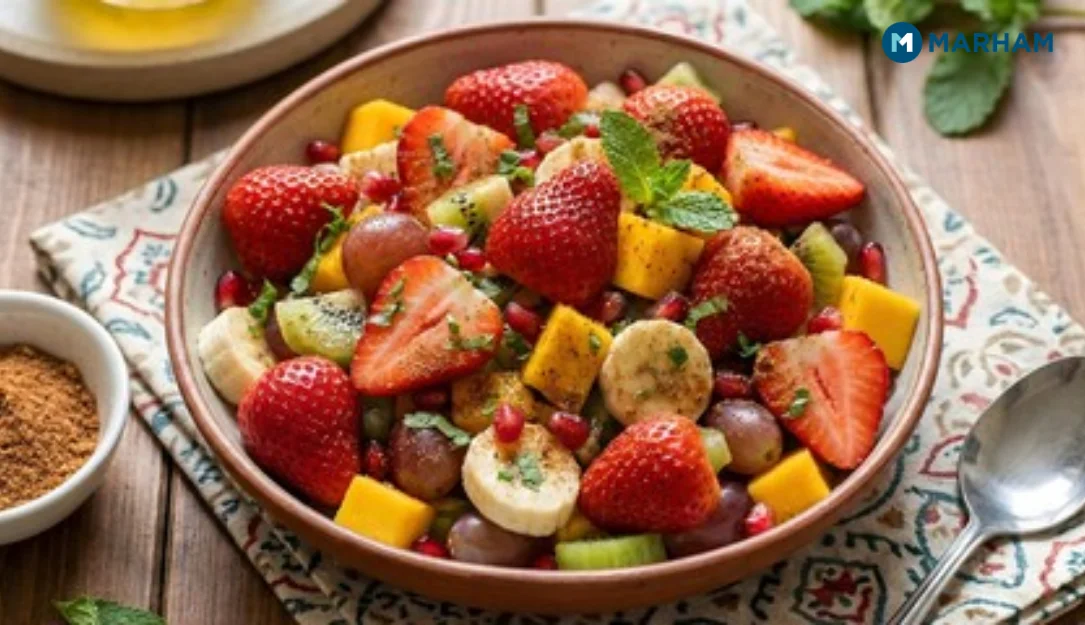
At Iftar: Start your iftar with dates and water, then immediately follow with a bowl of fruit chaat before moving to heavier dishes. This gives your body the hydration and vitamins it needs first while preparing your stomach for the main meal. Many nutritionists recommend waiting 15 to 20 minutes after fruit chaat before eating fried or heavy foods.
At Sehri: A smaller portion of dahi fruit chaat at sehri provides slow releasing energy and hydration that lasts into the early hours of fasting. Pair it with oats or paratha for a complete sehri meal that keeps you energized longer. Adding bananas and apples at sehri is especially helpful because their fiber content slows digestion and keeps hunger at bay.
As a Late Night Snack: Between Taraweeh and sleeping, many people feel like eating something light. Instead of reaching for biscuits or leftover pakoras, a small bowl of the sugar free fruit chaat version is the perfect late night option. It is easy on your stomach, does not cause acidity, and the natural sugars help you sleep better.
How Much Fruit Chaat Should You Eat Daily During Ramadan
One medium bowl of fruit chaat at iftar, which is about 200 to 250 grams, is ideal for most adults. This gives you a solid serving of vitamins and fiber without overloading on natural sugars. If you are managing blood sugar levels, stick to the sugar free recipe with low glycemic fruits like apples, guavas, and berries. For children aged 5 to 12, half a bowl is plenty and the dahi fruit chaat version works best for them. Elderly family members can enjoy a full serving but should avoid overly acidic fruits like oranges if they experience acidity issues. The key principle is balance. Fruit chaat is incredibly healthy but eating three bowls at iftar still means excess sugar, so one generous serving is the sweet spot.
Side Effects and Cautions
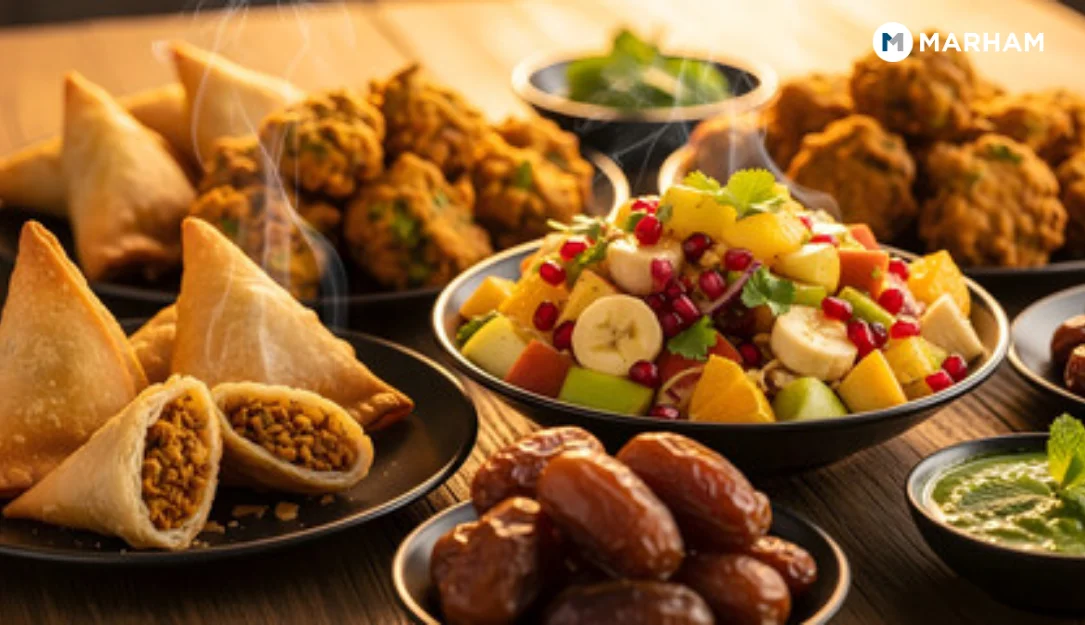
Fruit chaat is one of the safest iftar foods, but there are a few things to keep in mind. Eating too much fruit in one sitting can cause bloating and gas due to the high fiber and fructose content, especially if your stomach has been empty all day. People with diabetes should be mindful of portion sizes and choose the sugar free recipe shared above. Avoid adding honey, condensed milk, or sugar syrup if you are watching your blood sugar.
If you have a known allergy to specific fruits like kiwi, strawberries, or papaya, obviously skip those and substitute with fruits you tolerate well. Some people experience acid reflux from citrus fruits like oranges and pineapples, especially when eaten on an empty stomach at iftar. If this happens, reduce the citrus and increase milder fruits like apples and melons.
Pregnant and breastfeeding women can safely enjoy fruit chaat during Ramadan but should ensure all fruits are washed thoroughly and avoid unpasteurized cream or dahi. If you are on blood thinning medication, be cautious with large amounts of papaya as it can interact with certain drugs. When in doubt, consult your doctor about which fruits and recipes are best for your specific health situation.
Talk to a Nutritionist on Marham
Every person’s nutritional needs during Ramadan are different, especially if you are managing a health condition like diabetes, blood pressure, or digestive issues. If you want a personalized iftar and sehri meal plan that works specifically for your body, consult a certified nutritionist through Marham. You can book an online or in person appointment and get expert guidance on how to eat healthy throughout Ramadan without missing out on the foods you love. Call 0311 1222398 or visit Marham.pk to find the best nutritionist near you.
Conclusion
A healthy fruit chaat recipe for iftar is one of the simplest yet most impactful additions you can make to your Ramadan routine. Whether you go with the classic masala version, the creamy dahi style for the kids, the bold spicy peanut chaat, the fancy tropical cream for guests, or the sugar free option for health conscious family members, there is a fruit chaat for everyone at your dastarkhwan.
The best part is that each of these recipes takes barely 15 minutes to prepare, costs very little, and every single person at your table can find a version they love. Start with whatever fruits are available in your local market and experiment with different combinations each week. Your body will thank you for choosing fruit chaat over fried snacks, and trust me, once you make this a daily iftar habit, you will wonder why you did not start sooner. And as always, if you have any specific dietary concerns or health conditions, do not hesitate to consult a healthcare professional through Marham.
