


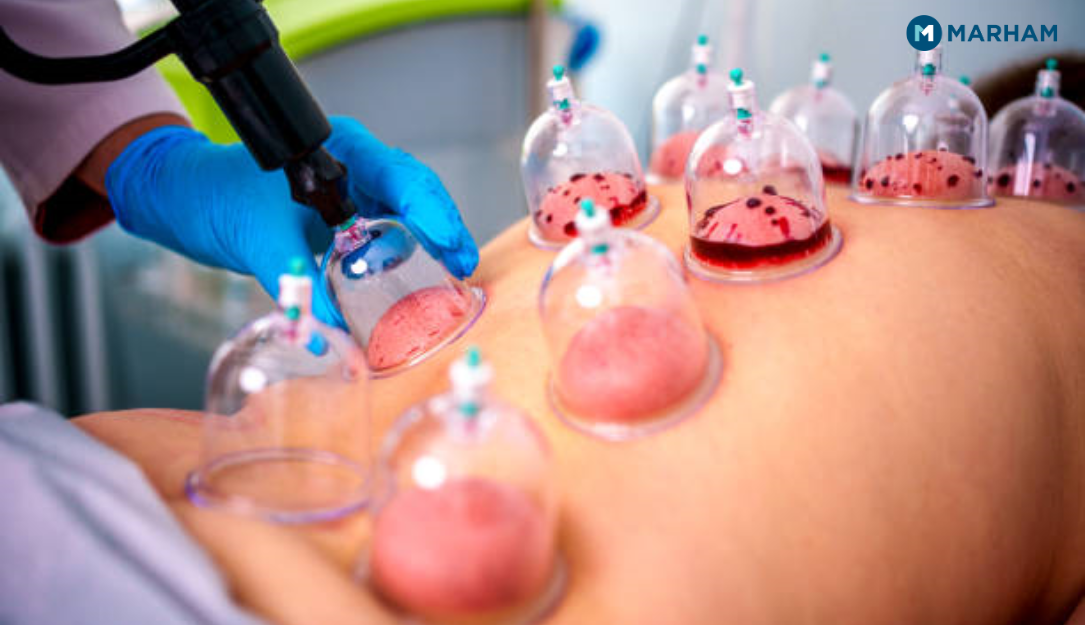
Have you ever wondered about the incredible Hijama benefits and how this ancient cupping therapy can improve your health and wellness? Let’s take a closer look at it. This healing practice has been used for thousands of years in cultures like Egyptian, Chinese, Greek, and Islamic medicine. Today, Hijama is becoming popular as a traditional practice because scientific studies also support its health benefits and have shown promising results.
A meta-analysis of 72 clinical trials involving over 5,700 participants found that cupping therapy significantly reduced chronic pain in conditions like low back pain, neck pain, and knee osteoarthritis.
Another study reported that wet cupping could reduce oxidative stress markers by up to 69%. This showed that its effects go beyond just a placebo.
Although more high-quality research is still needed, these findings help explain why Hijama is widely used as a supportive therapy alongside medical treatment.
In this blog, we will explain the full spectrum of Hijama benefits in a way that’s easy to understand, even if you are not from a medical background. You will learn how it works, the best points on your body for treatment and practical tips to safely experience it.
What is Hijama Cupping Therapy?
Hijama is a type of cupping therapy where small cups are applied to the skin to create suction. The word Hijama comes from Arabic, meaning “sucking” or “vacuum,” and in Urdu it’s written as حجامہ.
The therapy works by drawing stagnant blood to the surface, improving circulation and promoting healing. Hijama has a long history of use as a therapeutic practice for addressing different physical conditions. Exploring Hijama benefits shows why this therapy is still relevant today.
The Science Behind Hijama Benefits
Now, let’s discuss what actually happens when you get Hijama and how it works inside your body.
Hijama works by creating controlled suction on the skin, which gently lifts the tissue underneath. This negative pressure encourages blood that has slowed down or pooled in one area to move again. As blood flow increases, fresh oxygen and nutrients are delivered to the tissues. On the other hand, waste products that build up over time are carried away through the body’s natural systems.
Instead of directly treating symptoms, Hijama activates the body’s own natural healing mechanisms. It improves circulation, stimulating nerve communication, releasing endorphins, and supporting detox pathways. This is why many people feel lighter, more relaxed, and rejuvenated after a session.
Top 8 Hijama Benefits for Your Health
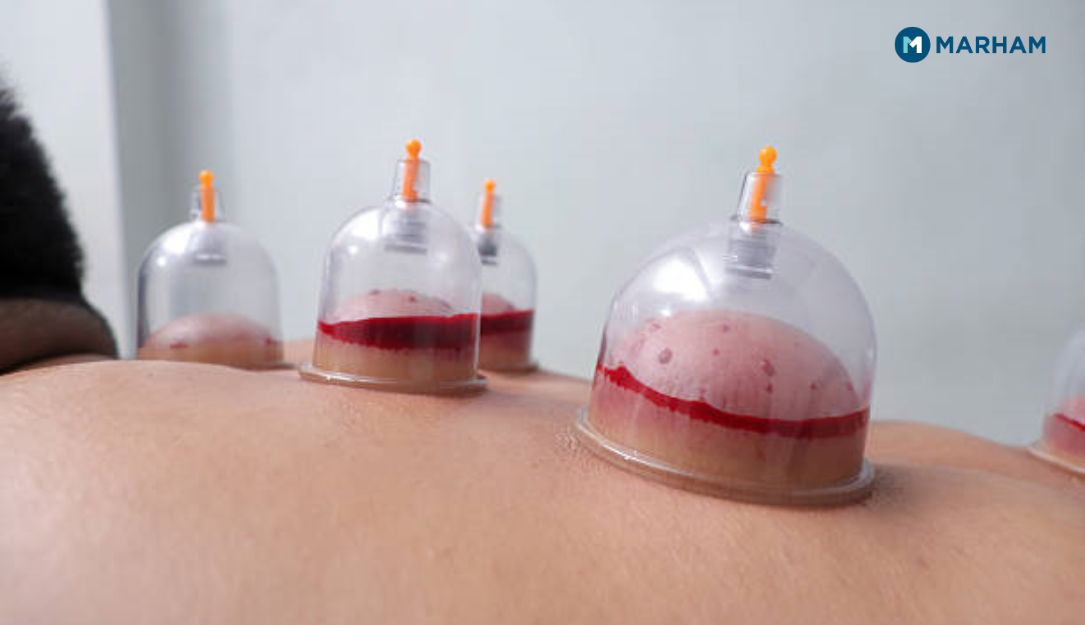
Hijama works with your body in remarkable ways. The wide-ranging Hijama benefits extend from physical relief to mental wellness. Here’s how this cupping therapy can make a real difference to your health.
1. Pain Relief
One of the biggest reasons people try Hijama is for pain management. No matter if you are dealing with back pain, neck stiffness, shoulder discomfort, or headaches, Hijama targets the problem area directly. By improving blood flow and reducing inflammation, it eases various types of chronic pain.
2. Better Blood Circulation
When cups are applied to your skin, they create suction that draws blood toward the surface. This boost in circulation delivers more oxygen and nutrients throughout your body. It also helps your cells function better.
3. Detoxification
Wet cupping (the complete Hijama process) involves making tiny, superficial cuts after suction. This allows stagnant blood containing toxins to leave your body. Many practitioners believe this detoxification process supports liver and kidney function.
4. Stress and Anxiety Relief
Feeling stressed? Hijama might help. The therapy promotes relaxation by triggering the release of endorphins, your body’s feel-good chemicals. Many people report feeling calmer and more balanced after sessions.
5. Immune System Support
By removing toxins and improving circulation, Hijama may help strengthen your immune system. Better blood flow means your body can fight off infections more effectively.
6. Skin Health
The increased blood flow from cupping brings nutrients to your skin cells. Some people use Hijama to manage conditions like acne or eczema, as it promotes cellular repair and skin renewal.
7. Digestive Health
Hijama can stimulate internal organs and improve nutrient absorption. It’s sometimes used to help with digestive issues like constipation or bloating.
8. Women’s Health
Women also use Hijama for menstrual problems, fertility concerns, and menopausal symptoms. It may help regulate cycles and reduce period pain.
Hijama Points on Your Body
Hijama is not done randomly. There are specific points on your body where practitioners apply the cups. These points correspond to different health concerns.
The 9 Hijama Sunnah Points
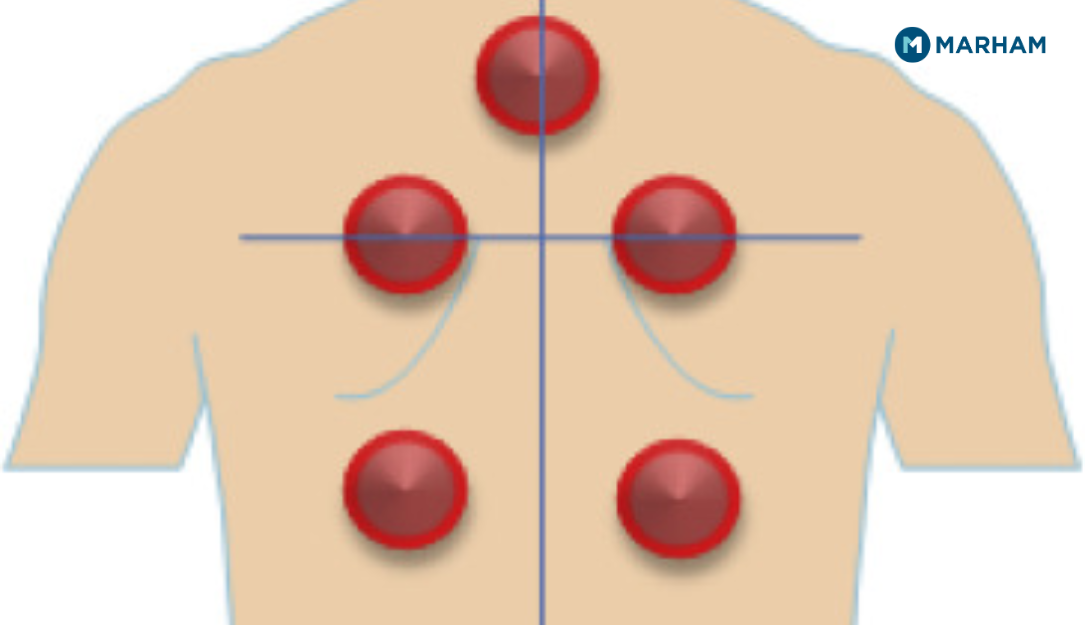
In traditional Islamic medicine, Hijama is applied to specific points on the body known as Sunnah points. These points have been used for centuries and are believed to provide targeted therapeutic benefits. Practitioners today continue to use these locations as a guide for effective treatment.
- Point 1 (Head/Crown): Located at the top of your head, known as Yafookh. This point is sometimes called the “mother of diseases.”
- Points 2 & 3 (Neck): Found at the back of your neck, just under the hairline. These points may help with up to 72 different conditions according to tradition.
- Point 4 (Upper Back): Located between your shoulder blades, called Al-Kahil. This is one of the most important detoxification points.
- Points 5 & 6 (Shoulders): Situated on both sides of point 4, these help with muscle pain and skin issues.
- Points 7 & 8 (Mid-Back): Help with kidney problems, urinary issues, and lower back pain.
- Point 9 (Feet): Found on top of your feet, this point addresses swelling, fertility issues, and arthritis.
Beyond these traditional points, practitioners may use additional locations on your back, chest, and limbs according to your specific health concerns. Knowing these points helps you maximize the Hijama benefits during therapy.
Best Hijama Dates: When Should You Get It Done?
Timing matters in Hijama therapy. Islamic tradition recommends specific dates for optimal results.
The Recommended Dates
According to Prophetic guidance, the best days are the 17th, 19th, and 21st of the Islamic lunar month. These dates are believed to maximize healing benefits. The practice is most beneficial when these dates fall on Monday, Tuesday, or Thursday.
Days to Avoid
Many practitioners suggest avoiding Hijama on:
- Fridays (most commonly avoided)
- Wednesdays
- The 13th, 14th, and 15th of the lunar month
Best Time of Day
Hijama works best on an empty stomach, preferably in the early morning hours before breakfast. This timing helps your body focus its energy on the healing process and fully reap the Hijama benefits.
Hijama Meaning in Urdu
حجامہ ایک قدیم طریقہ علاج ہے جس میں جسم کے مخصوص حصوں پر کپ لگا کر سکشن پیدا کیا جاتا ہے۔ اس عمل سے جسم میں رک گیا خون حرکت میں آتا ہے اور زہریلے مادے خارج ہوتے ہیں، جس سے صحت بہتر ہوتی ہے اور جسم کی قدرتی صفائی اور تندرستی کو فروغ ملتا ہے۔
The Process of Hijama
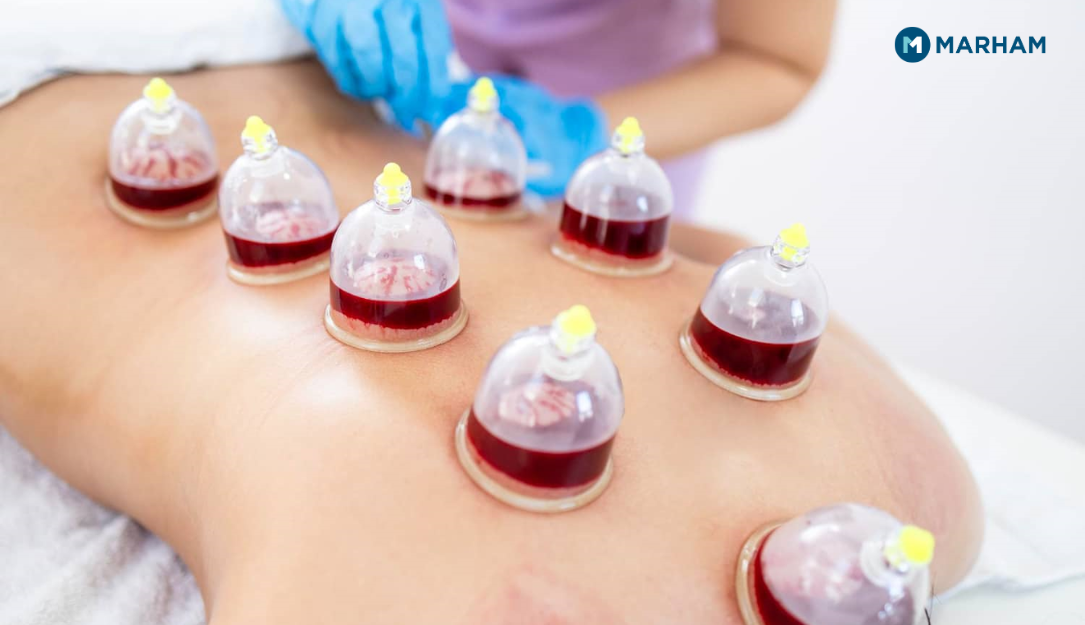
Let’s break down what happens during a Hijama session:
Step 1: Your practitioner identifies the right points on your body based on your health concerns.
Step 2: The area is cleaned and sterilized thoroughly.
Step 3: For dry cupping, cups are placed on your skin and suction is created. This might be done with heat or a suction pump.
Step 4: For wet cupping (complete Hijama), after removing the cups, tiny superficial cuts are made on your skin.
Step 5: Cups are applied again to draw out a small amount of blood.
Step 6: The area is cleaned again and bandaged.
The entire process typically takes 20 to 40 minutes. Cups are usually left on for 5 to 10 minutes at a time.
What You Need to Do Before & After Hijama Treatment
Before Your Session
- Eat a light meal 2-3 hours before (don’t go hungry or too full).
- Stay hydrated by drinking plenty of water.
- Wear loose, comfortable clothing.
- Inform your practitioner about any medical conditions or medications.
- Avoid caffeine on the day of treatment.
After Your Session
- Rest for at least 24 hours and avoid strenuous exercise.
- Drink lots of water to help flush out toxins.
- Avoid caffeine, sugary drinks, and soft drinks for 6 hours.
- Stay away from red meat and dairy products for 48 hours.
- Keep the treated areas clean and dry.
- Don’t expose the areas to extreme temperatures.
- Avoid swimming for 24-48 hours.
You will likely see round, circular marks on your skin that look like bruises. Don’t worry as these are normal and will fade within a week or two. You might feel a bit tired afterwards, similar to fighting off a mild cold, but this is temporary.
Who Should Consider Hijama?
Hijama can be beneficial for many people dealing with:
- Chronic pain conditions
- Muscle tension and stiffness
- Sports injuries
- Headaches and migraines
- High blood pressure
- Digestive problems
- Skin conditions
- Stress and anxiety
- Menstrual issues
However, Hijama is not for everyone. Avoid it if you are:
- Pregnant
- Taking blood-thinning medications
- Recently had surgery
- Have a bleeding disorder
- Have very thin or damaged skin at the treatment site
Finding a Hijama Center Near Me
Looking for a qualified practitioner? Here’s what to check:
- Proper certification and training
- Clean, hygienic environment
- Use of sterile, disposable equipment
- Good reviews and recommendations
- Clear communication about the process
- Reasonable pricing
Many wellness centers, alternative medicine clinics, and specialized Hijama centers offer this service. Marham makes it simple for you. Instead of spending hours researching and worrying about whether a practitioner is qualified, let Marham connect you with verified, experienced Hijama specialists in your area.
With just a few clicks, you can compare profiles, read real patient reviews, and book your consultation at a time that works for you. No more calling multiple clinics or settling for whoever’s available.
No matter if you are in Lahore, Karachi, Islamabad, or any other city, Marham’s network of certified practitioners provides you with safe and professional Hijama therapy. Now everyone can safely experience the Hijama benefits firsthand.
Is Hijama Right for You?
Hijama therapy offers a natural, holistic approach to health that’s been trusted for centuries. From pain relief to detoxification, the benefits are diverse and backed by both traditional wisdom and emerging scientific research.
Keep in mind, Hijama works best as a complementary therapy alongside modern medical treatment, not as a replacement. Always consult your doctor before trying Hijama, especially if you have existing health conditions.
If you want to improve your health, manage specific concerns, or just support overall wellness, knowing the right points, timing, and aftercare will help you get the most out of this ancient practice. The combination of physical healing and spiritual tradition makes Hijama a unique therapy that continues to help people worldwide.
Ready to try Hijama cupping therapy? Find a qualified practitioner near you and experience the benefits of this time-tested healing method for yourself.
