


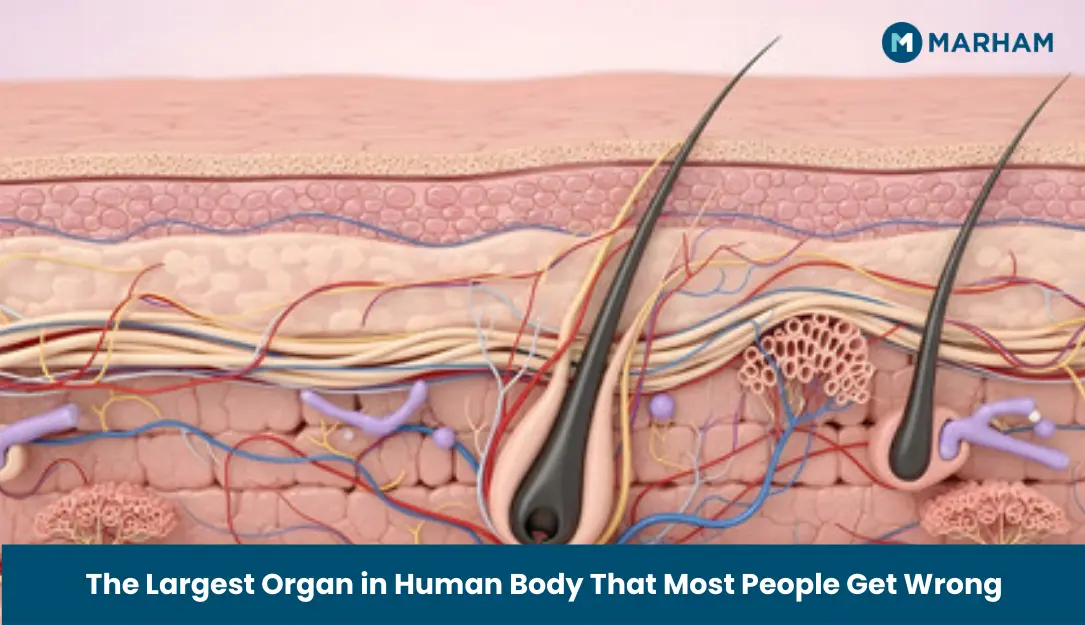
If someone asked you which is the largest organ in the human body, what would your answer be? Most people confidently say the heart or the liver. Some even guess the lungs or the brain. But they are all wrong. The real answer has been right in front of you your entire life, literally covering every inch of your body.
The largest organ in the human body is the skin. Yes, the same skin you wash, moisturize, and sometimes take for granted is actually the biggest and one of the most hardworking organs you have.
In this guide, we will explore what is the largest organ in the human body, the largest internal organ in human body, the second largest organ in the body, and 7 surprising functions of your skin that will change the way you think about this incredible organ.
Why is Skin the Largest Organ?
The skin earns its title as the largest organ in human body because of its massive surface area and weight. In an average adult, the skin covers approximately 1.5 to 2 square meters, which is roughly the size of a large bed sheet spread out flat. It makes up about 16 percent of your total body weight, meaning it weighs anywhere between 3.5 to 10 kilograms depending on your body size.
Your skin is made up of three main layers. The outermost layer is called the epidermis, which acts as your body’s first shield against bacteria, chemicals, and harmful UV rays from the sun. This layer constantly renews itself, shedding about 40,000 old skin cells every single day and replacing them with fresh ones. You essentially get completely new skin every 30 days.
Beneath the epidermis lies the dermis, a thicker layer that contains blood vessels, nerve endings, sweat glands, and hair follicles. This layer makes up about 90 percent of your skin’s total thickness. The deepest layer is the hypodermis, which stores fat, cushions your bones and muscles, and helps regulate your body temperature.
The thickness of skin varies across different parts of your body. The skin on your eyelids is the thinnest, measuring less than half a millimetre. The skin on the soles of your feet and palms of your hands is the thickest because these areas need extra protection from daily wear.
7 Surprising Functions of Your Skin
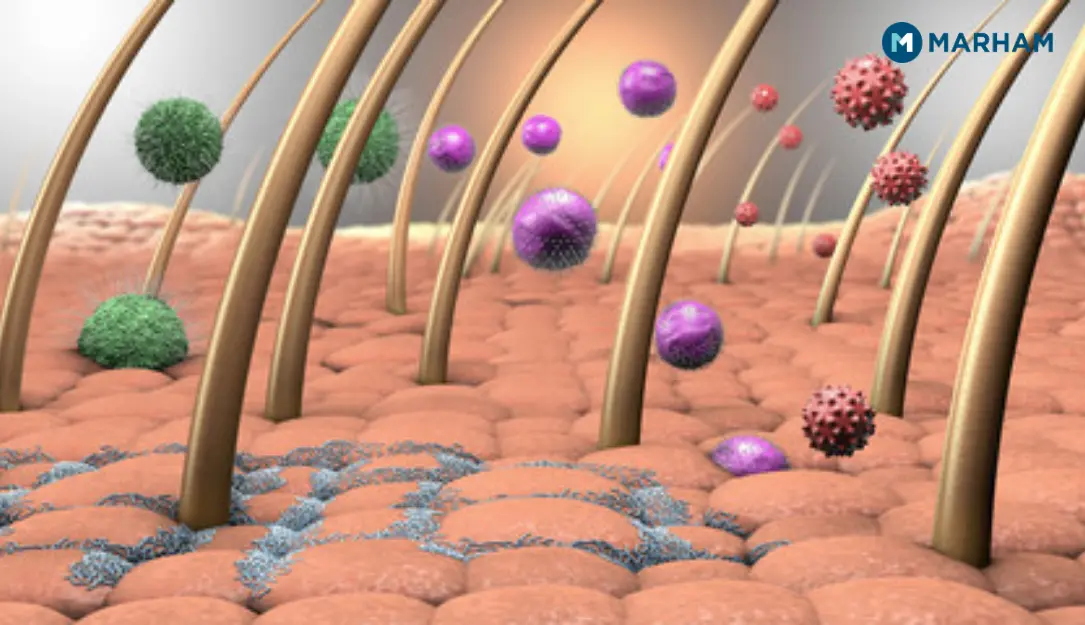
Your skin does far more than simply cover your body. Here are seven essential functions that make it truly remarkable.
-
Shields You from Infections
Your skin serves as a physical barrier that stops bacteria, viruses, and harmful substances from entering your body. It also produces natural oils and secretions that can kill certain bacteria on contact. Without this protective shield, your internal organs would be constantly exposed to dangerous infections.
-
Controls Body Temperature
Your skin plays a critical role in keeping your body temperature stable. When you feel hot, sweat glands release perspiration to cool you down. When you feel cold, blood vessels in your skin tighten to conserve heat. This function is especially important during Pakistan’s extreme summers when temperatures regularly cross 45°C in cities like Lahore, Multan, and Jacobabad.
-
Gives You the Sense of Touch
Millions of nerve endings in your skin allow you to feel pressure, pain, heat, and cold. This sensory function protects you from danger every day. If you accidentally touch a hot stove, the pain signals from your skin force you to pull your hand away instantly, preventing a serious burn.
-
Produces Vitamin D
When sunlight hits your skin, it triggers the production of vitamin D, a nutrient essential for strong bones, a healthy immune system, and proper calcium absorption. This is especially important in Pakistan where vitamin D deficiency is extremely common, affecting a large portion of the population despite the country having abundant sunshine throughout the year.
-
Prevents Dehydration
Your skin acts as a waterproof barrier that prevents excessive loss of fluids from your body. Without this function, your body would quickly become dehydrated. Special proteins like keratin in the epidermis make the skin water resistant and keep your internal fluid levels balanced.
-
Stores Fat and Energy
The hypodermis layer of your skin stores fat, which serves as an energy reserve when your body needs it. This fat layer also provides cushioning that protects your muscles, bones, and internal organs from physical injuries and impact.
-
Fights Off Harmful Invaders
Your skin contains specialized immune cells called Langerhans cells that detect and fight off germs before they can cause damage. These cells act as an early warning system for your immune system, alerting your body to respond quickly whenever a threat is detected.
Largest Internal Organ in Human Body
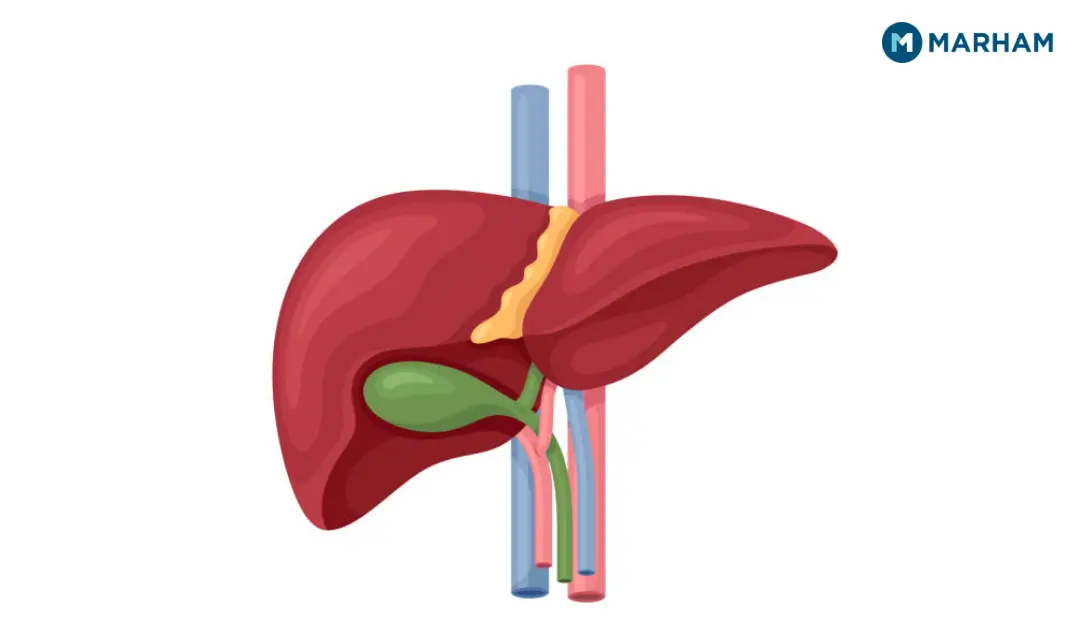
While the skin holds the title for the largest organ overall, the largest internal organ in human body is the liver. A healthy adult liver weighs approximately 1.4 to 1.6 kilograms, making it roughly the size of a football. It sits in the upper right side of your abdomen, just below the rib cage.
The liver is an extraordinary organ that performs over 500 essential functions. It filters toxins from your blood, produces bile to help digest fats, stores vitamins and minerals, manufactures proteins needed for blood clotting, and plays a key role in metabolism. At any given moment, your liver holds about one pint of your body’s total blood supply.
One of the most remarkable facts about the liver is its ability to regenerate. Even if up to 75 percent of the liver is damaged or surgically removed, it can grow back to its original size. No other internal organ in the human body has this incredible ability.
Second Largest Organ in the Body
After the skin and the liver, the brain is considered the next largest organ by weight. The human brain weighs about 1.3 to 1.4 kilograms and accounts for roughly 2 percent of total body weight. Despite being relatively small, it consumes about 20 percent of your body’s total energy and oxygen supply.
Following the brain, the lungs come next. Together, both lungs weigh approximately 1 kilogram and have a combined surface area as large as a tennis court. Then comes the heart, weighing roughly 300 grams, about the size of your closed fist. Each kidney weighs between 120 to 150 grams, and together they filter around 200 quarts of fluid every 24 hours.
Here is a quick comparison of the largest organs by weight:
| Organ | Average Weight | Primary Function |
| Skin | 3.5 to 10 kg | Protection and temperature control |
| Liver | 1.4 to 1.6 kg | Detoxification and metabolism |
| Brain | 1.3 to 1.4 kg | Controls all body functions |
| Lungs (pair) | Approximately 1 kg | Oxygen and carbon dioxide exchange |
| Heart | Approximately 300 g | Pumps blood throughout the body |
| Kidneys (pair) | 240 to 300 g | Filters waste from blood |
انسانی جسم کا سب سے بڑا عضو
انسانی جسم کا سب سے بڑا عضو جلد ہے جو پورے جسم کو ڈھانپ کر رکھتی ہے۔ یہ جسمانی وزن کا تقریباً 16 فیصد بنتی ہے اور تقریباً 1.5 سے 2 مربع میٹر رقبہ پر پھیلی ہوتی ہے۔ جلد تین تہوں پر مشتمل ہے جن میں ایپیڈرمس، ڈرمس، اور ہائپوڈرمس شامل ہیں۔ یہ جسم کو جراثیم، دھوپ، گرمی، اور سردی سے محفوظ رکھتی ہے۔ جلد وٹامن ڈی بنانے میں بھی مدد کرتی ہے جو ہڈیوں کی مضبوطی کے لیے بہت ضروری ہے۔
انسانی جسم کا سب سے بڑا اندرونی عضو جگر ہے جس کا وزن تقریباً 1.4 سے 1.6 کلو گرام ہوتا ہے۔ جگر جسم میں 500 سے زیادہ اہم کام انجام دیتا ہے جن میں خون صاف کرنا، زہریلے مادوں کو نکالنا، اور خوراک ہضم کرنے میں مدد کرنا شامل ہے۔ جگر کے بعد دماغ، پھیپھڑے، دل، اور گردے انسانی جسم کے بڑے اعضاء میں شمار ہوتے ہیں۔ اپنی صحت کے بارے میں کسی بھی تشویش کے لیے مرہم کے ذریعے ماہر ڈاکٹر سے مشورہ ضرور کریں۔
How to Keep Your Largest Organs Healthy
Taking care of your skin and liver requires simple but consistent habits. For healthy skin, drink at least 8 glasses of water daily to keep it hydrated. Apply sunscreen before stepping out, especially during peak hours. Eat a balanced diet rich in fruits and vegetables that provide essential vitamins. Avoid smoking as it accelerates skin aging and damages skin cells. In Pakistan, where sun exposure is intense throughout the year, protecting your skin from UV damage should be a daily priority.
For a healthy liver, focus on eating fresh, home cooked meals and limit fried and processed foods. Avoid unnecessary medications without a doctor’s guidance. Stay physically active with at least 30 minutes of daily exercise. Regular medical checkups can help detect liver or skin problems early when they are much easier to treat.
Consult a Doctor
If you notice unusual changes in your skin such as persistent rashes, discoloration, unusual moles, or wounds that do not heal, do not ignore these warning signs. Similarly, symptoms like yellowing of the skin or eyes, constant fatigue, or unexplained abdominal pain could indicate liver issues that need medical attention.
Early detection makes a significant difference in treatment outcomes for both skin and liver conditions. Do not wait for symptoms to get worse.
Book an appointment with a specialist through Marham to get expert medical guidance. Call 0311 1222398 or visit Marham.pk to consult with the best dermatologists, hepatologists, and general physicians in Pakistan from the comfort of your home.
