


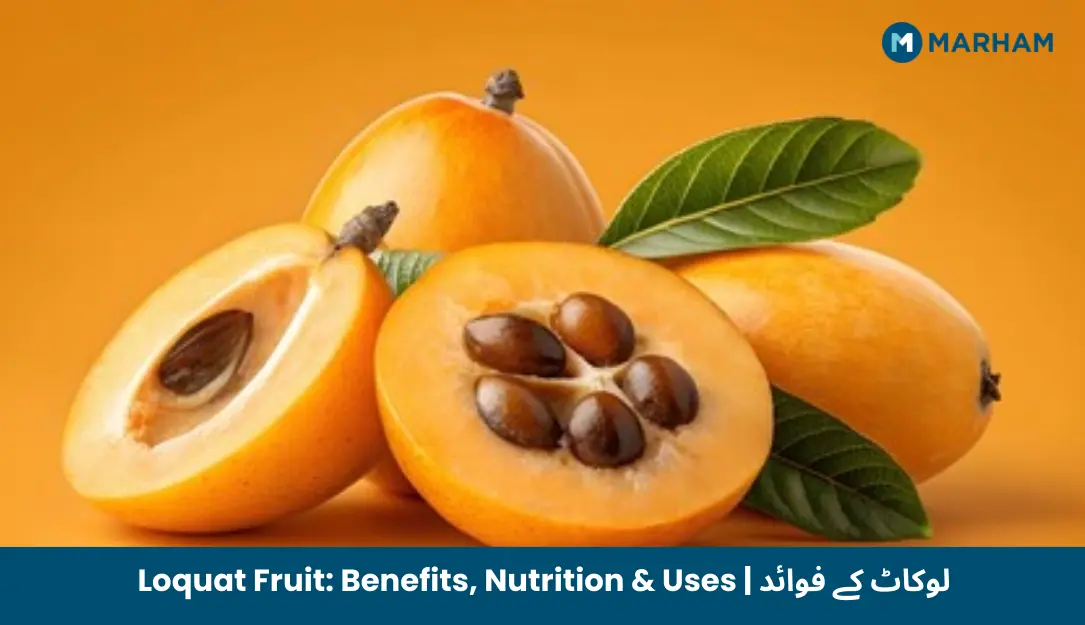
If you have ever walked through a Pakistani bazaar in March or April, you have probably seen those small golden yellow fruits piled up on carts. Some people call them Japanese plum. Others know them as lugath or lokat. But most Pakistanis simply call them لوکاٹ and buy a kilo without thinking twice because they taste absolutely amazing.
Loquat fruit is one of those seasonal treasures that shows up for a few short weeks and then disappears until next year. Most people eat it just because it is sweet and refreshing, but very few realize how incredibly healthy this fruit actually is. From controlling blood sugar to protecting your liver, loquat packs serious nutrition into that tiny golden package.
In this guide, we will cover everything about loquat fruit including its benefits, nutrition, how to eat it, and whether it is safe for diabetic patients. Whether you searched for loquat fruit in English, loquat fruit in Urdu, or just want to know why your grandmother swears by this fruit every spring, you will find your answers here.
What Is Loquat Fruit?
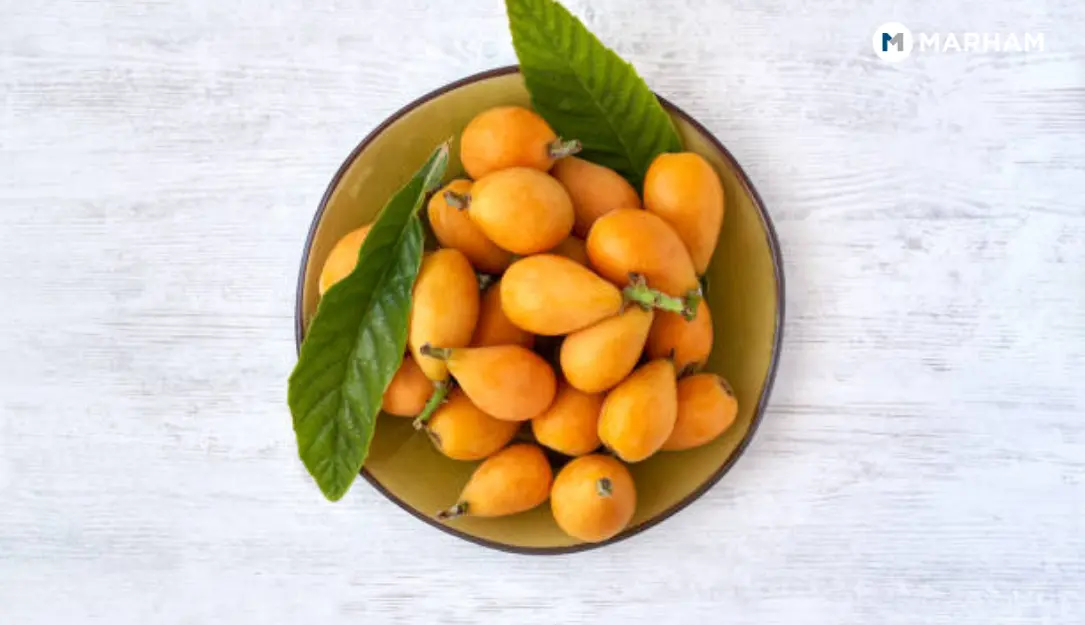
Loquat (pronounced LOH-kwat) is a small, pear shaped fruit that belongs to the rose family. It originally comes from China but has been growing in Pakistan for over a hundred years. The fruit is about the size of a small plum, with smooth golden orange skin, juicy flesh inside, and 2 to 4 large brown seeds in the center.
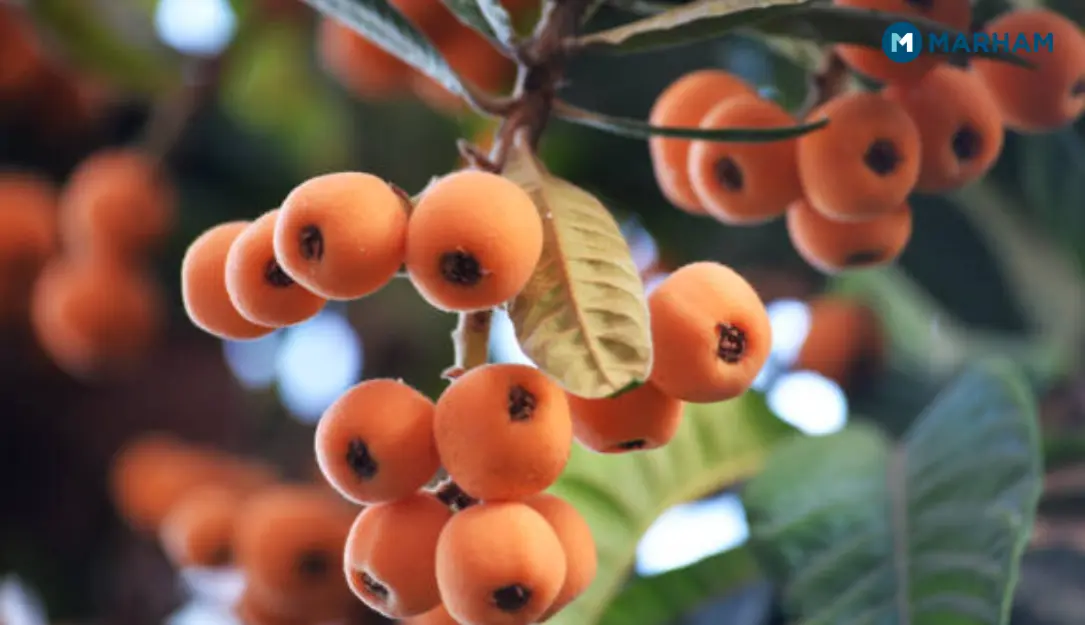
In Pakistan, loquat trees are commonly found in Punjab, Khyber Pakhtunkhwa, and northern areas including parts of Islamabad and Murree. The fruit season is short, typically from February to April, which is why Pakistanis eagerly wait for it every year.
Loquat fruit in Urdu is called لوکاٹ (Lokat) and in some areas people also call it لگاتھ (Lugath). Loquat fruit in English is simply called Loquat or sometimes Japanese Plum or Japanese Medlar. No matter what you call it, the taste is a unique mix of sweet and slightly tangy that is unlike any other fruit you will find in Pakistani markets.
Loquat Fruit Nutrition Facts
Before we get into the benefits, let’s look at what makes loquat so nutritious. Here is the breakdown for 100 grams (roughly 3 to 4 small loquats):
| Nutrient | Amount | Daily Value |
| Calories | 47 | — |
| Carbohydrates | 12g | 4% |
| Fiber | 1.7g | 7% |
| Vitamin A | 1528 IU | 31% |
| Vitamin C | 1mg | 1% |
| Potassium | 266mg | 8% |
| Manganese | 0.15mg | 7% |
| Folate | 14mcg | 4% |
| Calcium | 16mg | 2% |
What stands out immediately is the vitamin A content. Loquat is one of the richest fruit sources of vitamin A you will find in any Pakistani market. That golden color is not just for looks. It comes from carotenoids, powerful antioxidants that protect your eyes, skin, and immune system.
Loquat is also naturally low in calories, which makes it an excellent snack for people watching their weight. You can eat 5 or 6 loquats and still consume fewer calories than a single samosa.
7 Powerful Loquat Fruit Benefits
1. Supports Healthy Blood Sugar Levels
This is the benefit that gets the most attention, and for good reason. Loquat contains natural compounds called triterpenic acids that help your body use insulin more effectively. Research suggests that loquat leaf extract in particular can help lower blood sugar levels after meals.
For Pakistani diabetic patients, this is significant news. Loquat has a low glycemic index, meaning it does not spike your blood sugar the way mangoes or bananas can. The fiber in loquat also slows down sugar absorption in your gut, giving your body more time to process glucose properly.
However, and this is important, loquat is not a replacement for your diabetes medication. Think of it as a helpful addition to your diet, not a cure. If you are diabetic, eat loquat in moderation (4 to 5 fruits at a time) and monitor how your body responds.
2. Protects Your Eyesight
That high vitamin A content we mentioned earlier is a big deal for your eyes. Vitamin A is essential for maintaining good vision, especially in low light conditions. It also protects the surface of your eye and reduces the risk of age related eye problems.
In Pakistan, vitamin A deficiency is still a genuine concern, especially among children and women. Adding seasonal fruits like loquat to your family’s diet during spring is one of the easiest and most affordable ways to boost vitamin A intake naturally. Just 100 grams of loquat gives you nearly a third of your daily vitamin A requirement.
3. Strengthens Your Immune System
Loquat is loaded with antioxidants including vitamin A, vitamin C, and various flavonoids that support your immune system. These antioxidants fight free radicals in your body, which are harmful molecules that damage cells and weaken your defenses against disease.
The fruit also has mild anti inflammatory properties, which means it helps your body manage inflammation without you needing to reach for over the counter medicines. During the spring season in Pakistan when allergies and seasonal flu are common, eating loquat regularly can give your immune system a natural boost.
4. Improves Digestion
Loquat contains a decent amount of dietary fiber, which keeps your digestive system running smoothly. Fiber adds bulk to your stool and prevents constipation, a problem many Pakistanis deal with due to low fiber diets heavy on white rice and refined flour.
But loquat’s digestive benefits go beyond just fiber. The fruit contains pectin, a specific type of fiber that acts as a prebiotic, feeding the good bacteria in your gut. A healthy gut means better nutrient absorption, less bloating, and fewer stomach issues overall. Eating a few loquats after a heavy meal can help your stomach settle naturally.
5. Supports Heart Health
Potassium is one of the most important minerals for heart health, and loquat is a solid source of it. Potassium helps regulate blood pressure by balancing out the effects of sodium in your diet. Considering how much salt goes into Pakistani cooking, getting enough potassium is crucial.
The antioxidants in loquat also help prevent oxidation of cholesterol in your blood vessels. Oxidized cholesterol is what sticks to artery walls and causes blockages over time. By eating antioxidant rich fruits like loquat during their season, you are giving your heart an extra layer of protection.
6. Good for Skin Health
Vitamin A is sometimes called the skin vitamin, and loquat has plenty of it. This vitamin supports skin cell production and repair, which means your skin heals faster from cuts, acne marks, and sun damage. The antioxidants in loquat also fight the effects of UV radiation and pollution, both of which Pakistani skin deals with daily.
Many people in Pakistan notice that their skin looks better during loquat season, and there is actual science behind it. The carotenoids in loquat can give your skin a subtle healthy glow from the inside when you eat the fruit regularly over a few weeks.
7. Supports Liver Health
Your liver is your body’s main detox organ, and loquat has been shown to support its function. Studies suggest that compounds found in both the fruit and leaves of the loquat tree can help protect liver cells from damage caused by toxins and oxidative stress.
In traditional Chinese medicine, loquat has been used for liver support for centuries. While more modern research is needed, the existing evidence is promising. For Pakistanis who consume high fat diets or are at risk for fatty liver disease, adding liver friendly fruits like loquat to your diet is a smart move.
Is Loquat Good for Diabetes?
This question deserves its own section because so many Pakistanis search for this specifically. The short answer is yes, loquat can be a good fruit choice for diabetic patients, but with some important conditions.
Loquat has a low glycemic index compared to popular Pakistani fruits like mango, banana, and grapes. This means it raises blood sugar more slowly and gently. The fiber content also helps control blood sugar spikes after eating. Research on loquat leaf extract has shown promising results in improving insulin sensitivity and reducing blood glucose levels in animal studies.
But here is what you need to remember. Loquat still contains natural sugar. Eating an entire kilo in one sitting will raise your blood sugar no matter how low the glycemic index is. Stick to 4 to 6 fruits at a time, eat them as a snack between meals rather than after a heavy meal, and always keep checking your sugar levels to see how your body reacts.
If you are on diabetes medication, talk to your doctor before making any major dietary changes. Loquat is a healthy addition to a diabetic diet, not a substitute for proper medical treatment.
How to Eat Loquat Fruit
Eating loquat is simple but there are a few things to keep in mind.
Choosing ripe loquats. Look for fruits that are fully golden yellow or slightly orange with no green patches. They should feel slightly soft when you press them gently. Avoid fruits with dark brown spots or wrinkled skin as these are overripe.
Preparing the fruit. Wash the loquats thoroughly under running water. You can eat the skin, which is perfectly edible and contains nutrients, or peel it off if you prefer. Split the fruit open and remove the large seeds from the center. The seeds are not edible so discard them.
Simple ways to enjoy loquat. The best way is simply eating them fresh as a snack. You can also add them to fruit chaat with a sprinkle of chaat masala and lemon juice. Loquat makes an excellent jam or jelly if you have extra fruit before the season ends. Blending loquat into a smoothie with yogurt and honey creates a delicious and healthy drink. You can also use loquat in desserts like custard or kheer as a natural sweetener.
Storing loquats. Loquat does not last long after being picked. Keep them at room temperature if you plan to eat them within 2 to 3 days. For longer storage, place them in the refrigerator where they will stay fresh for about a week. Do not wash them until you are ready to eat as moisture speeds up spoiling.
Loquat Fruit Season in Pakistan
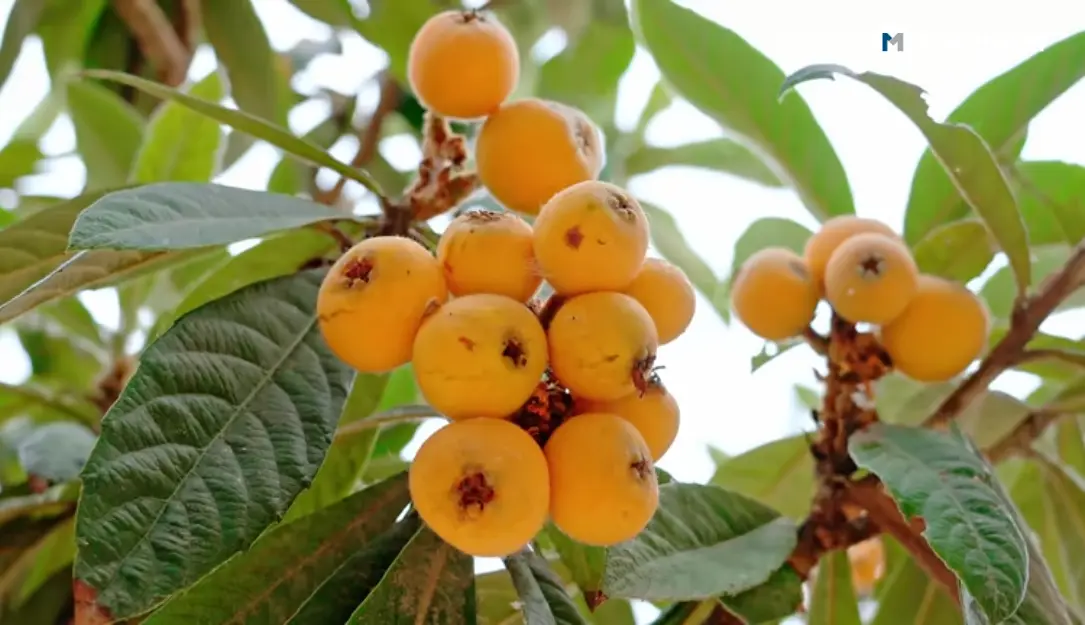
Loquat season in Pakistan is relatively short, running from late February through April depending on the region. Northern areas and hilly regions like Islamabad, Abbottabad, and Murree tend to produce the sweetest and most flavorful loquats due to the cooler climate.
In Punjab’s plains, loquat ripens a bit earlier and the season may start in mid February. By late April or early May, the season is usually over across most of the country. This short availability window is exactly why loquat prices start low and climb quickly as the season progresses.
When loquat season arrives, buy in bulk while prices are low. You can make jam, chutney, or even freeze the pulp (without seeds) for later use in smoothies and desserts.
لوکاٹ کے فوائد
لوکاٹ ایک انتہائی مفید پھل ہے جو پاکستان میں فروری سے اپریل تک دستیاب ہوتا ہے۔ یہ وٹامن اے سے بھرپور ہے جو آنکھوں کی صحت کے لیے بہت ضروری ہے۔ لوکاٹ بلڈ شوگر کو کنٹرول کرنے میں مدد کرتا ہے اور ذیابیطس کے مریضوں کے لیے ایک محفوظ پھل ہے بشرطیکہ اعتدال میں کھایا جائے۔ یہ ہاضمے کو بہتر بناتا ہے، دل کی صحت کی حفاظت کرتا ہے، جلد کو صاف اور چمکدار رکھتا ہے، اور جگر کو مضبوط بناتا ہے۔ قوت مدافعت بڑھانے کے لیے بھی لوکاٹ بہترین انتخاب ہے۔ روزانہ 4 سے 6 لوکاٹ کھانا صحت کے لیے فائدہ مند ہے۔
Side Effects and Precautions
Loquat is safe for most people when eaten in normal amounts, but there are a few things to be careful about.
Do not eat the seeds. Loquat seeds contain small amounts of cyanogenic glycosides, which can release cyanide when chewed or digested. Always remove and discard the seeds before eating. This is especially important for children who might accidentally swallow them.
Allergic reactions are rare but possible. If you have never eaten loquat before, start with 2 to 3 fruits and see how your body reacts before eating more.
Pregnant and breastfeeding women can eat loquat in normal food amounts. However, avoid loquat leaf supplements or concentrated extracts without consulting your doctor first.
People on blood sugar medication should monitor their levels carefully when adding loquat to their diet, as the fruit may enhance the effects of diabetes medication and cause blood sugar to drop too low.
Consult a Nutritionist
Want to know exactly how loquat and other seasonal fruits fit into your health plan? A qualified nutritionist can help you create a diet that uses Pakistan’s seasonal produce for maximum health benefits.
Book an appointment with a nutritionist through Marham by calling 0311 1222398 or visiting Marham.pk for expert dietary guidance tailored to your specific health needs.
FAQs About Loquat Fruit
What is loquat fruit called in English?
Loquat fruit is called Loquat in English. It is also sometimes referred to as Japanese Plum or Japanese Medlar. In Urdu, it is known as لوکاٹ (Lokat) and in some regions of Pakistan, people call it لگاتھ (Lugath).
Is loquat good for diabetic patients?
Yes, loquat can be a suitable fruit for diabetic patients because of its low glycemic index and fiber content. Research also suggests compounds in loquat may improve insulin function. However, eat it in moderation (4 to 6 fruits at a time) and keep monitoring your blood sugar levels. It is not a replacement for your prescribed medication.
How many loquats can I eat in a day?
For most healthy adults, eating 8 to 10 loquats per day is perfectly safe. If you are diabetic or watching your calorie intake, stick to 4 to 6 fruits per day. The key is moderation, just like with any other fruit.
Can I eat loquat skin?
Yes, loquat skin is completely edible and contains additional fiber and nutrients. Just wash the fruit properly before eating. Some people prefer to peel it because the skin can be slightly tart, but that is purely a taste preference.
When is loquat season in Pakistan?
Loquat season in Pakistan runs from late February to April. The exact timing varies by region, with northern areas producing fruit slightly later than the plains of Punjab. Buy and enjoy this fruit while it lasts because the season is short.
