


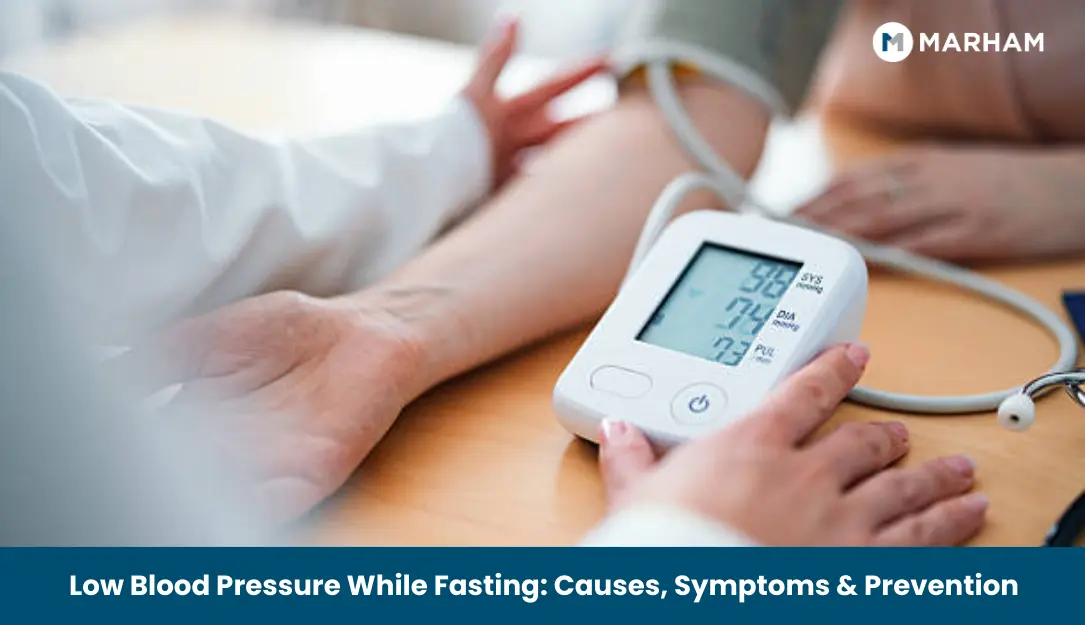
You are halfway through your Roza, standing in the kitchen or sitting at your desk, and suddenly the room starts spinning. Your vision goes dark for a second, your legs feel weak, and you grab the nearest wall to stop yourself from falling. If this has happened to you during Ramadan, there is a very good chance your blood pressure dropped too low.
Low blood pressure while fasting is extremely common in Pakistan, especially during long summer Rozas when fasts stretch to 15 or 16 hours. Most people brush it off as normal fasting weakness, but ignoring it can lead to fainting, injuries from falls, and in serious cases, dangerous complications for people with existing health conditions.
The good news is that low blood pressure during fasting is almost always preventable. You just need to understand why it happens and make a few simple changes to your sehri and iftar routine.
What Is Low Blood Pressure?
Blood pressure is the force of blood pushing against the walls of your arteries. Normal blood pressure is around 120/80 mmHg. When it drops below 90/60 mmHg, doctors consider it low blood pressure or hypotension.
During fasting, your blood pressure naturally dips because your body is not getting food or water for extended hours. For most healthy people, this slight drop is harmless. But when the drop is significant, your brain does not get enough blood flow and that is when you start feeling dizzy, lightheaded, and weak.
In Pakistan, many people already have borderline low blood pressure without knowing it. Add 15 hours of fasting on top of that and the problem becomes noticeable very quickly, especially in the last few hours before iftar.
Why Does Blood Pressure Drop During Fasting?
Several factors work together to lower your blood pressure while fasting. Understanding each one helps you prevent the problem.
Dehydration is the primary cause. When you do not drink water for 15 plus hours, your blood volume decreases. Less blood volume means less pressure in your arteries, which means lower blood pressure. This is why most fainting episodes happen in the afternoon when dehydration is at its peak.
Low sodium levels play a bigger role than most people realize. Sodium helps your body retain water and maintain blood pressure. During fasting, your body continues losing sodium through sweat and urination without any replacement. If your sehri did not include enough salt, your sodium levels drop and blood pressure follows.
Skipping sehri is a major mistake. When you fast without eating sehri, your body starts the day with no fuel and no fluid reserve. By midday, both your blood sugar and blood pressure crash together, leaving you feeling terrible.
Standing up too quickly triggers a specific type of low blood pressure called orthostatic hypotension. Your body normally adjusts blood flow when you change positions, but during fasting this adjustment is slower. Standing up fast from sitting or lying down causes blood to pool in your legs momentarily, dropping the pressure in your brain and causing that blackout feeling.
Certain medications for high blood pressure, heart conditions, and depression can lower blood pressure further during fasting hours. If you take any daily medications, this is something to discuss with your doctor before Ramadan.
Symptoms of Low Blood Pressure While Fasting
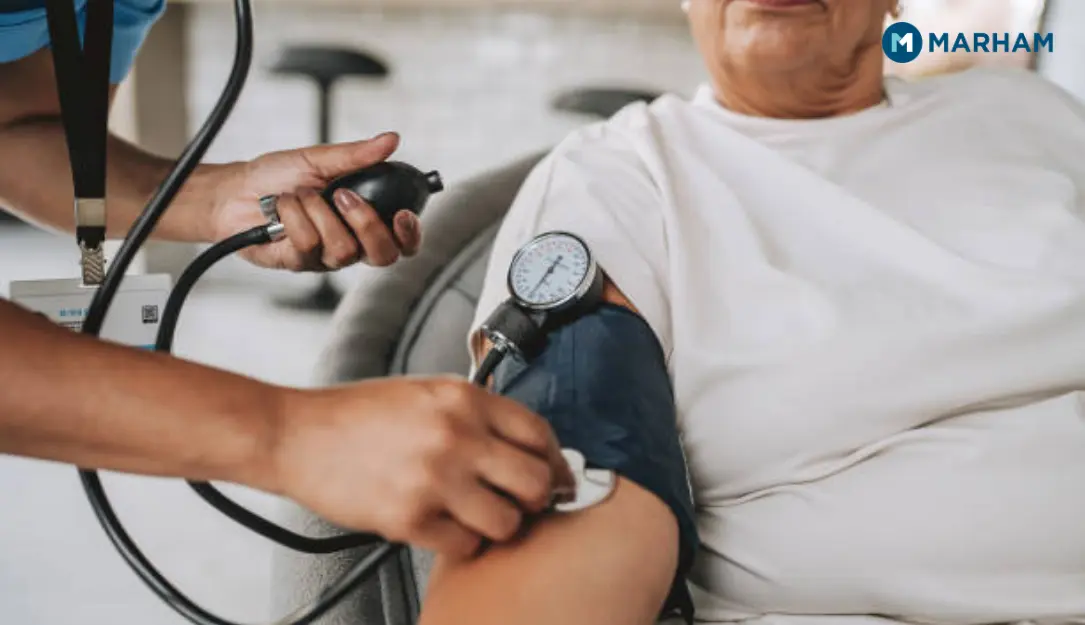
Your body gives clear warning signs when blood pressure is dropping too low. Recognizing these signs early can prevent fainting and injuries.
Dizziness and lightheadedness are usually the first signs, especially when standing up or changing positions. Blurred or tunnel vision where everything goes dark for a few seconds is a classic symptom. Feeling unusually tired and weak even though you slept well the night before. Nausea or a queasy stomach that is not related to hunger. Difficulty concentrating or feeling confused and foggy. Cold, clammy, or pale skin even in warm weather. Fast or shallow breathing when you have not been physically active.
If you experience several of these symptoms together during your fast, sit or lie down immediately. Do not try to push through it because fainting while standing can cause serious head injuries.
روزے میں بلڈ پریشر کم ہونے کی وجوہات اور علاج
روزے کے دوران بلڈ پریشر کم ہونا بہت عام ہے اور اس کی سب سے بڑی وجہ پانی کی کمی ہے۔ جب جسم میں پانی کم ہوتا ہے تو خون کا حجم گھٹ جاتا ہے اور بلڈ پریشر گر جاتا ہے۔ سحری نہ کھانا، نمک کی کمی، اور اچانک کھڑے ہونا بھی بلڈ پریشر گرانے کی وجوہات ہیں۔ اس سے بچنے کے لیے سحری میں انڈے، دہی، اور نمک والی غذائیں کھائیں اور افطاری سے سحری تک خوب پانی پئیں۔ اگر چکر آئیں تو فوراً بیٹھ جائیں اور اگر علامات شدید ہوں تو ڈاکٹر سے رابطہ کریں۔
How to Prevent Low Blood Pressure While Fasting

Prevention starts the night before your fast. Here is what actually works.
Fix Your Sehri
Sehri is your only chance to prepare your body for the long hours ahead. A proper sehri for preventing low blood pressure should include foods with adequate salt and fluid content. Eggs with a pinch of salt, a glass of lassi or plain milk, yogurt (dahi), and a whole wheat paratha with a small amount of oil are all excellent choices. Bananas are particularly helpful because they contain potassium which helps regulate blood pressure alongside sodium.
Do not eat a dry sehri of just roti and leftover sabzi. Include something liquid like lassi, milk, or soup. And do not skip salt. Many health conscious Pakistanis cut salt too aggressively at sehri, which actually backfires during fasting because your body needs sodium to hold onto water.
Hydrate Properly Between Iftar and Sehri
Aim for 8 to 10 glasses of water between iftar and sehri. Spread your water intake across the evening rather than gulping 4 glasses at once. Water rich foods like watermelon, cucumber, and yogurt also count toward your hydration. Coconut water is especially good because it contains natural electrolytes that support blood pressure.
Avoid drinking too much chai or coffee after iftar. Caffeine is a diuretic, meaning it makes your body lose water faster. One cup is fine but 3 or 4 cups of doodh patti between iftar and bed will leave you more dehydrated by morning.
Move Slowly During Fasting Hours
Avoid sudden position changes during your fast. When getting up from bed, sitting, or prayer, do it slowly. Sit on the edge of your bed for 30 seconds before standing. After sajdah in prayer, rise gradually. These small habits give your blood vessels time to adjust and prevent that sudden drop in pressure.
Avoid Extreme Heat
Stay in cool or shaded areas as much as possible during fasting hours. Heat causes your blood vessels to widen, which lowers blood pressure further. If you work outdoors, take breaks in the shade and avoid the peak sun hours between 12 PM and 3 PM.
What to Do If Blood Pressure Drops During Fasting

If you feel symptoms of low blood pressure during your fast, act immediately.
Sit or lie down right away and elevate your legs slightly by placing a pillow or cushion under them. This helps blood flow back toward your brain. Loosen any tight clothing around your neck and chest. Apply a cool damp cloth to your forehead and neck. Rest in this position until the dizziness passes completely, which usually takes 5 to 15 minutes.
If symptoms do not improve after 15 to 20 minutes or if you actually faint, it may be necessary to break your fast. Islam clearly allows breaking the fast when health is at genuine risk, and you can make up the missed fast later. Drink water with a pinch of salt and sugar first, then eat something light like dates or a banana.
When to See a Doctor
Some situations require medical attention and should not be managed at home. See a doctor if you faint during fasting or experience repeated near fainting episodes. If your blood pressure reading consistently stays below 80/50 mmHg, that needs professional evaluation. People who take blood pressure medication, have heart conditions, diabetes, or kidney problems should consult their doctor before Ramadan to adjust medication timing and dosages for fasting.
Pregnant women who experience low blood pressure symptoms during fasting should contact their doctor immediately. Fasting during pregnancy is already a personal decision that should involve medical advice, and low blood pressure adds another layer of risk.
Do not wait until a serious episode happens. A quick pre Ramadan checkup can identify risks and help you fast safely.
Consult a Doctor
Experiencing frequent dizziness or fainting during your fasts? A doctor can check your blood pressure levels, review your medications, and create a fasting plan that keeps you safe throughout Ramadan.
Book an appointment through Marham by calling 0311 1222398 or visiting Marham.pk to consult the best doctors near you before or during Ramadan 2026.
FAQs
Is it normal for blood pressure to drop while fasting?
A mild drop in blood pressure during fasting is completely normal and usually harmless. However, if the drop causes dizziness, fainting, or blurred vision, it has gone beyond normal and you need to take preventive steps or consult a doctor.
What should I eat at sehri to prevent low blood pressure?
Include eggs, yogurt, bananas, and foods with adequate salt. Drink a full glass of water or lassi. Avoid dry meals and do not skip sehri under any circumstances if you are prone to low blood pressure.
Can I continue fasting if my blood pressure drops too low?
If mild symptoms pass with rest, you can continue fasting. But if you faint, experience confusion, or your blood pressure drops below 80/50 mmHg, you should break your fast and seek medical advice. Your health comes first and Islam provides clear allowance for this.
Does drinking more water at sehri prevent low blood pressure?
Water helps significantly, but it is not the only factor. You also need adequate sodium and proper nutrition. A combination of hydration, balanced sehri, and gradual movements during fasting hours gives the best protection against low blood pressure.
