


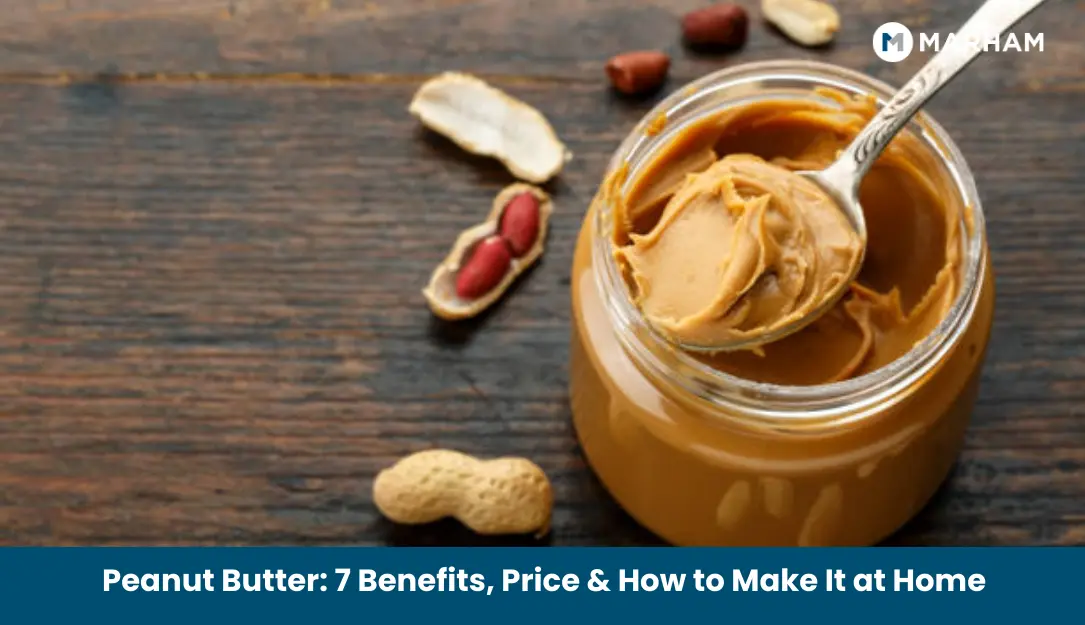
Ten years ago, if you mentioned peanut butter in a Pakistani household, people would look at you funny. “Who eats mashed mungphali?” they would say. Fast forward to today and peanut butter jars are sitting in kitchens across Lahore, Karachi, and Islamabad right next to the achaar and honey. Gym goers spread it on toast before workouts. Mothers add it to their children’s school sandwiches. University students eat it straight from the jar at midnight because it is quick, filling, and actually tastes incredible.
But here is the thing. Most Pakistanis still do not fully understand what peanut butter actually does for their body. Is it healthy or just tasty? Will it make you gain weight or lose weight? Is the expensive imported jar really better than the local one? And can you just make it at home?
This guide answers every question Pakistanis have about peanut butter, from its real health benefits to current prices in Pakistan to a simple homemade recipe that takes less than 10 minutes.
What Is Peanut Butter?
Peanut butter is exactly what it sounds like. Roasted peanuts (مونگ پھلی) ground into a thick, creamy paste. That is it. In its purest form, peanut butter contains nothing but peanuts. Some versions add a pinch of salt, and commercial brands often add sugar, vegetable oil, and preservatives to improve taste and shelf life.
Peanut butter originally became popular in America over a hundred years ago, but peanuts themselves have been a staple snack in Pakistan forever. We eat roasted mungphali in winter, sprinkle crushed peanuts on chaat, and use peanut oil in cooking across the country. Peanut butter is simply a more convenient and versatile way to consume the same nut your dada has been eating his whole life.
The key difference between a good peanut butter and a bad one comes down to ingredients. Natural peanut butter contains just peanuts and maybe salt. Commercial varieties often add hydrogenated oils and sugar, which reduce the health benefits significantly. When buying peanut butter in Pakistan, always flip the jar and read the ingredients list. Fewer ingredients means a better product.
Peanut Butter Nutrition Facts
Here is the nutritional breakdown for 2 tablespoons (32 grams) of natural peanut butter, which is a standard single serving:
| Nutrient | Amount | Daily Value |
| Calories | 190 | — |
| Protein | 7g | 14% |
| Total Fat | 16g | 21% |
| Healthy Fats (Mono + Poly) | 12g | — |
| Carbohydrates | 7g | 2% |
| Fiber | 2g | 7% |
| Sugar | 1g | — |
| Magnesium | 50mg | 12% |
| Potassium | 189mg | 5% |
| Vitamin E | 2.9mg | 15% |
| Niacin (B3) | 4.3mg | 22% |
A few things stand out. First, peanut butter is calorie dense. Just two tablespoons give you 190 calories, which means portion control matters a lot. Second, most of the fat in peanut butter is the healthy kind, monounsaturated and polyunsaturated fats that actually benefit your heart. Third, with 7 grams of protein per serving, peanut butter is one of the most affordable protein sources available in Pakistan.
7 Peanut Butter Benefits for Health
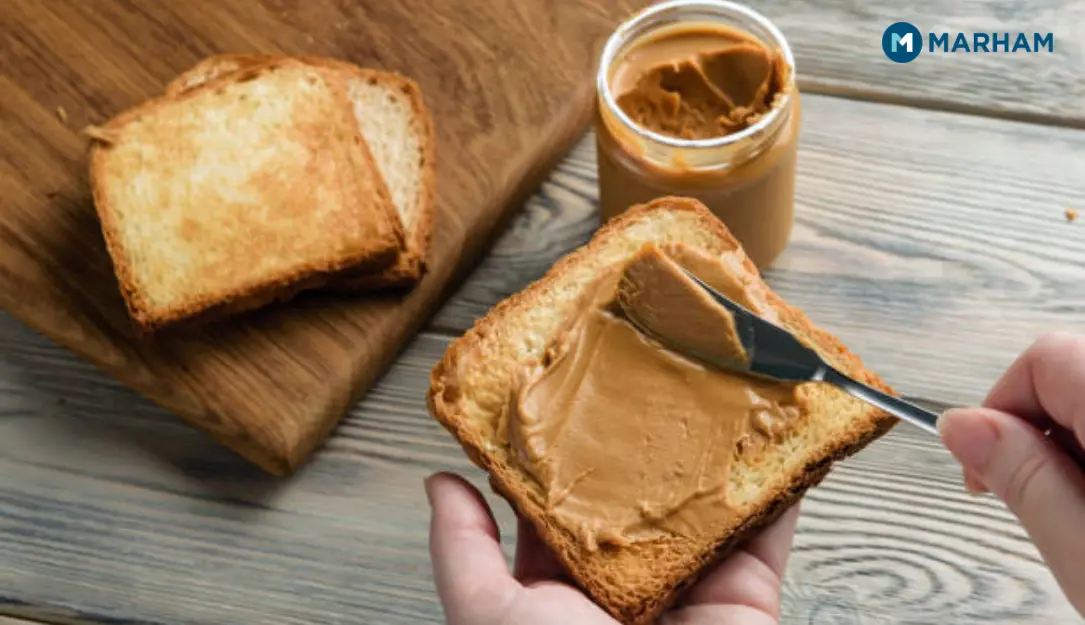
1. Excellent Source of Affordable Protein
Protein is expensive in Pakistan. Chicken prices keep going up, meat is a luxury for many families, and imported protein supplements cost a fortune. This is where peanut butter becomes genuinely valuable. Two tablespoons give you 7 grams of protein for a fraction of the cost of meat or whey protein.
For vegetarians, students on a budget, and families trying to stretch their grocery money, peanut butter is one of the smartest protein choices available. Spread it on roti, mix it into a smoothie, or eat it with fruit. You get quality plant based protein without breaking the bank. Combined with whole wheat bread, which provides the amino acids peanuts lack, you get a complete protein source in a simple sandwich.
2. Supports Heart Health
This surprises many Pakistanis because they assume all fat is bad. But the monounsaturated fats in peanut butter are the same heart healthy fats found in olive oil. These fats help lower bad cholesterol (LDL) while maintaining good cholesterol (HDL). Research shows that people who regularly consume nuts and nut butters have a lower risk of heart disease.
Peanut butter also contains resveratrol, the same antioxidant found in red grapes, which helps protect blood vessels from damage. Magnesium in peanut butter supports healthy blood pressure levels, which is particularly important in Pakistan where heart disease rates are among the highest in the world.
3. Keeps You Full for Hours
If you struggle with constant hunger and snacking between meals, peanut butter can help. The combination of protein, healthy fat, and fiber in peanut butter makes it incredibly satiating. Your body takes longer to digest these nutrients compared to simple carbs like biscuits or white bread, which means you stay full for much longer.
Having peanut butter on toast at breakfast can keep you satisfied until lunch without needing a mid morning snack. This is why nutritionists often recommend peanut butter for people trying to control their appetite. You eat less overall because you simply do not feel as hungry throughout the day.
4. Provides Sustained Energy
Unlike sugary snacks that give you a quick energy spike followed by a crash, peanut butter provides slow and steady energy that lasts for hours. This is because of its low glycemic index. The fats and protein slow down the absorption of carbohydrates, preventing blood sugar spikes.
This makes peanut butter an ideal pre workout food. Many Pakistani gym goers eat a spoon of peanut butter with a banana 30 to 45 minutes before exercise and notice significantly better energy during their workout. Students studying for exams also benefit from peanut butter as a brain fuel since your brain needs steady glucose to function at its best.
5. Rich in Essential Vitamins and Minerals
Peanut butter is packed with nutrients that many Pakistanis do not get enough of. Vitamin E is a powerful antioxidant that protects your cells from damage and supports healthy skin. Magnesium supports over 300 biochemical reactions in your body including muscle function, nerve function, and energy production. Niacin (vitamin B3) helps convert food into energy and supports your nervous system. Potassium helps regulate blood pressure and fluid balance.
Getting these nutrients from a food that tastes good and costs relatively little is a genuine advantage. Many Pakistanis are deficient in magnesium without even knowing it, and regular peanut butter consumption can help fill that gap.
6. Supports Muscle Building and Recovery
For anyone trying to build muscle, whether at the gym or through physical labor, peanut butter is a valuable food. The protein helps repair muscle tissue after exercise, the calories provide the energy surplus needed for muscle growth, and the healthy fats support hormone production including testosterone, which plays a role in muscle development.
This is why peanut butter has become so popular in Pakistani fitness circles. It is a natural, whole food alternative to expensive supplements. A shake made with milk, banana, oats, and a spoon of peanut butter after a workout provides everything your muscles need to recover and grow.
7. Good for Gut Health
The fiber in peanut butter acts as a prebiotic, feeding the beneficial bacteria in your gut. A healthy gut microbiome is linked to better digestion, stronger immunity, improved mood, and even better weight management. Two tablespoons of peanut butter give you about 2 grams of fiber, which contributes to the recommended daily intake of 25 to 30 grams.
Peanut butter also does not cause the digestive discomfort that many dairy based protein sources cause. For Pakistanis who are lactose intolerant and struggle with milk, yogurt, or whey protein, peanut butter offers a gut friendly protein alternative.
Is Peanut Butter Good for Weight Loss?
This is the most common question Pakistanis ask about peanut butter, and the answer is both yes and no. It depends entirely on how much you eat.
Peanut butter can absolutely support weight loss because the protein and healthy fats keep you full and reduce overall snacking. Studies show that people who include moderate amounts of nut butters in their diet tend to weigh less than people who avoid them completely. The satiety factor is real. A tablespoon of peanut butter with an apple at 4 PM can prevent you from eating an entire plate of samosas at dinner.
However, peanut butter is calorie dense. If you sit on the couch and eat half a jar while watching a drama, you could easily consume 1000 extra calories without even realizing it. That will lead to weight gain no matter how healthy the fat is.
For weight loss, stick to 1 to 2 tablespoons per day. Measure your portions instead of eating directly from the jar. Use peanut butter as a replacement for less healthy snacks, not as an addition on top of everything else you are already eating.
Is Peanut Butter Good for Weight Gain?
If gaining weight is your goal, peanut butter is one of the best foods available. It is calorie dense (190 calories per 2 tablespoons), easy to consume in large quantities, and those calories come from quality nutrients rather than empty junk.
For skinny Pakistanis trying to put on healthy weight, here is a simple approach. Add peanut butter to your existing meals instead of replacing them. Spread it thickly on parathas at breakfast. Blend it into milk shakes with banana and honey. Mix it into oatmeal at night before bed. These additions can easily add 400 to 600 extra calories to your daily intake without making you feel uncomfortably stuffed.
The key difference between gaining weight healthily and unhealthily is the quality of calories. 500 calories from peanut butter gives your body protein, vitamins, minerals, and healthy fats. 500 calories from jalebis gives your body nothing but sugar and regret.
How Much Protein in Peanut Butter?
Two tablespoons of peanut butter contain approximately 7 grams of protein. To put that in perspective:
| Food | Serving Size | Protein |
| Peanut Butter | 2 tablespoons (32g) | 7g |
| One Whole Egg | 1 large | 6g |
| Milk | 1 glass (250ml) | 8g |
| Chicken Breast | 100g | 31g |
| Daal (Cooked) | 1 cup | 9g |
Peanut butter is not the highest protein food available, but it is one of the most convenient. You do not need to cook it, it does not spoil quickly, and you can carry it anywhere. For people who struggle to eat enough protein, adding peanut butter to 2 or 3 meals a day can boost your daily protein intake by 15 to 20 grams with minimal effort.
Peanut Butter Price in Pakistan
Peanut butter prices in Pakistan vary quite a bit depending on whether you buy local or imported products. Here is a general price range as of 2025 to 2026:
| Type | Size | Approximate Price (PKR) |
| Local (Basic) | 500g | 600 to 900 |
| Local (Natural/Premium) | 500g | 900 to 1,400 |
| Imported | 500g | 1,500 to 2,500 |
| Imported (Organic) | 500g | 2,500 to 4,000 |
A few tips for buying peanut butter in Pakistan. Local options have improved significantly in recent years and many offer great quality at much lower prices than imported ones. Always check the ingredients list. If sugar or hydrogenated vegetable oil appears in the first three ingredients, it is not a great product. Look for jars where peanuts are the first and ideally only major ingredient.
Natural peanut butter often has oil separation at the top, which is completely normal. Just stir it well before using. This oil separation actually tells you the product has not been loaded with stabilizers and hydrogenated fats.
If even local peanut butter feels expensive for your budget, making it at home is the cheapest option and takes almost no effort.
How to Make Peanut Butter at Home
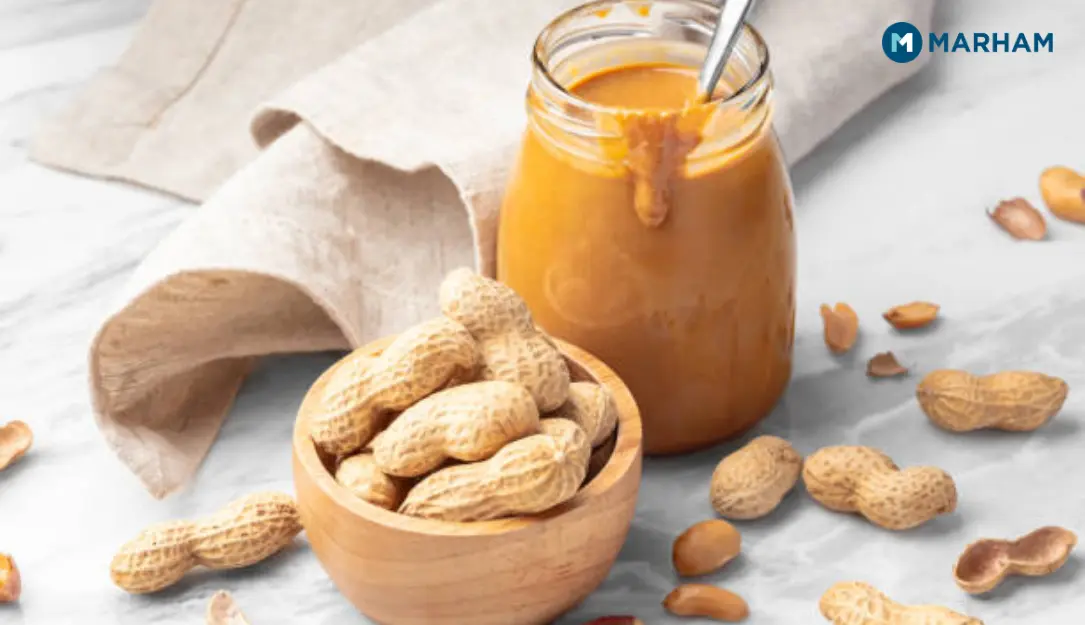
Homemade peanut butter tastes better, costs less, and contains zero additives. Here is the simplest recipe that works perfectly.
What you need: 2 cups of roasted peanuts (with or without skin, your choice), a pinch of salt, and optionally 1 teaspoon of honey and 1 tablespoon of any cooking oil for smoother texture.
Step 1: If your peanuts are raw, roast them in a dry pan on medium heat for 8 to 10 minutes, stirring constantly until they turn golden and fragrant. If using pre roasted peanuts from the market, skip this step.
Step 2: Let the peanuts cool for 5 minutes, then add them to a blender or food processor.
Step 3: Blend on high speed. For the first minute, the peanuts will turn into a coarse powder. Keep blending. Around the 2 minute mark, the natural oils will start releasing and the powder will begin clumping together. Do not stop.
Step 4: Continue blending for another 2 to 3 minutes, scraping down the sides occasionally. The mixture will gradually transform from a crumbly dough into a smooth, creamy butter. Add salt and honey during this stage if using.
Step 5: If you want a smoother consistency, add the tablespoon of oil and blend for another 30 seconds.
Step 6: Transfer to a clean glass jar with a tight lid. Homemade peanut butter stays fresh for about 2 to 3 weeks at room temperature or up to 2 months in the refrigerator.
The total cost of 2 cups of peanuts from a Pakistani market is roughly 200 to 300 rupees, and it yields about 1 cup (250g) of peanut butter. That is significantly cheaper than any store bought option.
مونگ پھلی کے مکھن کے فوائد
مونگ پھلی کا مکھن ایک انتہائی مفید غذا ہے جو پاکستان میں تیزی سے مقبول ہو رہی ہے۔ دو چمچ مونگ پھلی کے مکھن میں 7 گرام پروٹین ہوتا ہے جو مسلز بنانے اور جسم کی مرمت میں مدد کرتا ہے۔ اس میں موجود صحت مند چکنائی دل کی حفاظت کرتی ہے اور خراب کولیسٹرول کو کم کرتی ہے۔ وزن کم کرنے والوں کے لیے یہ بھوک کنٹرول کرنے میں مددگار ہے بشرطیکہ اعتدال میں کھایا جائے۔ وزن بڑھانے کے خواہشمند حضرات کے لیے یہ قدرتی طور پر کیلوریز بڑھانے کا آسان ذریعہ ہے۔ گھر پر بنانا بہت آسان ہے، صرف بھنی ہوئی مونگ پھلی کو بلینڈر میں پیس لیں۔ ذیابیطس کے مریض محدود مقدار میں استعمال کر سکتے ہیں۔
Best Ways to Eat Peanut Butter in Pakistan
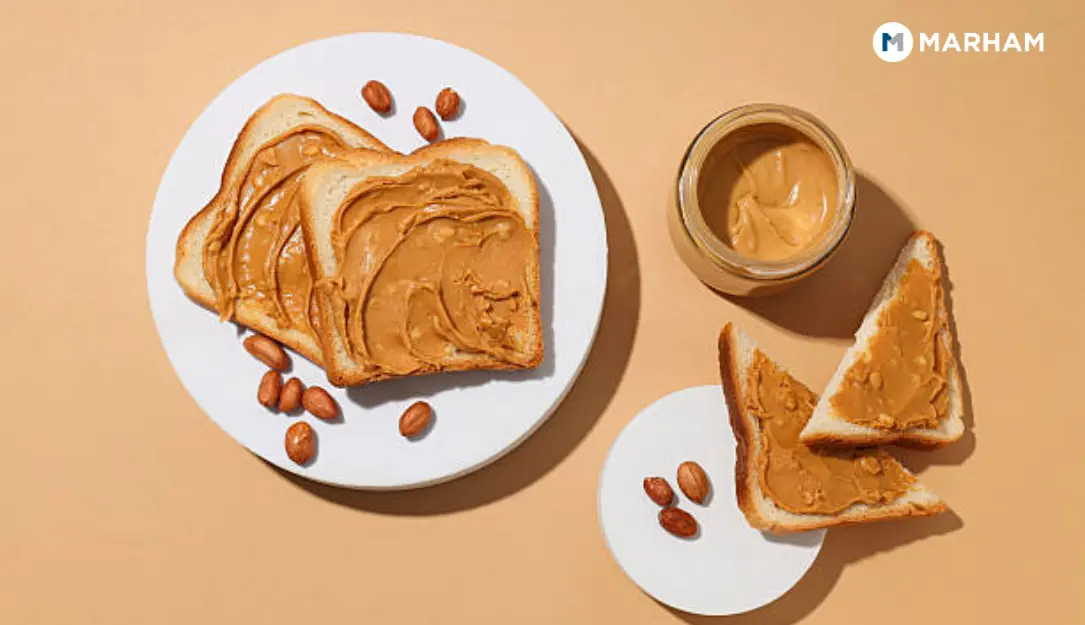
Peanut butter is incredibly versatile and fits easily into Pakistani eating habits. Here are practical ways to include it in your daily routine.
On toast or roti is the simplest option. Spread a tablespoon on warm whole wheat toast or a fresh chapati for a quick breakfast or snack. Add sliced banana on top for extra nutrition and flavor.
In smoothies and shakes is perfect for a filling drink. Blend milk, one banana, a tablespoon of peanut butter, and a few oats for a protein packed shake that works as a meal replacement or post workout drink.
With fruit makes a healthy snack. Dip apple slices, banana pieces, or even celery sticks into peanut butter for a satisfying snack that balances sweetness with protein and fat.
In oatmeal or daliya adds richness and nutrition. Stir a tablespoon into your morning oatmeal for added creaminess, flavor, and protein that keeps you full until lunch.
As a cooking ingredient works surprisingly well in Pakistani style dishes. Some people add a spoon to noodles for a peanut sauce effect, mix it into dressings for salads, or use it as a base for satay style chicken marinades.
Side Effects and Precautions
Peanut butter is safe for most people, but there are a few important things to keep in mind.
Peanut allergy is serious and can be life threatening. If you or anyone in your family has a nut allergy, avoid peanut butter completely. Symptoms of peanut allergy include itching, swelling, difficulty breathing, and in severe cases, anaphylaxis. Introduce peanut butter to children carefully and watch for any reactions.
Calorie overconsumption is the most common issue. Because peanut butter tastes so good, it is very easy to eat too much. Always measure your portions, especially if you are trying to lose weight. Eating directly from the jar with a spoon is a trap that almost everyone falls into at some point.
Aflatoxin contamination can be a concern with low quality peanuts. Aflatoxins are toxins produced by mold that sometimes grows on peanuts stored in humid conditions. Buy peanuts and peanut butter from reputable sources and avoid products that taste bitter, look discolored, or smell off.
Added sugars and oils in many commercial peanut butters reduce the health benefits significantly. Always read labels and choose products with minimal ingredients. Better yet, make your own at home.
Consult a Nutritionist
Not sure how much peanut butter fits into your daily diet? Whether your goal is weight loss, weight gain, muscle building, or managing a condition like diabetes, a nutritionist can tell you exactly how to use peanut butter safely and effectively.
Book an appointment with a nutritionist through Marham by calling 0311 1222398 or visiting Marham.pk for personalized dietary advice.
FAQs About Peanut Butter
Is peanut butter healthy?
Yes, natural peanut butter is healthy when eaten in moderation. It provides protein, healthy fats, vitamins, and minerals. The key is choosing a product with minimal added sugar and oil, and sticking to 1 to 2 tablespoons per serving.
How to make peanut butter at home?
Roast 2 cups of peanuts, let them cool, then blend in a food processor for 4 to 5 minutes until smooth. Add a pinch of salt and optionally a teaspoon of honey. Store in a clean jar. The whole process takes under 10 minutes.
Is peanut butter good for weight loss?
It can be, if you control portions. The protein and fat keep you full and reduce overall snacking. But eating too much will add excess calories. Stick to 1 to 2 tablespoons per day for weight loss.
Is peanut butter good for weight gain?
Absolutely. Peanut butter is one of the best weight gain foods because it is calorie dense and easy to add to meals. Add it to shakes, oatmeal, toast, and snacks to increase your daily calorie intake by 400 to 600 calories.
Can diabetic patients eat peanut butter?
Yes, in moderation. Natural peanut butter has a low glycemic index and the fat and protein slow down blood sugar spikes. Choose a product with no added sugar and limit your intake to 1 to 2 tablespoons per serving. Monitor your blood sugar levels and consult your doctor for personalized advice.
