



Ramadan is around the corner and if you have ever felt your energy completely crash by Zuhr time, you are definitely not alone. Almost every Pakistani household has someone who spends half the roza lying on the sofa, counting hours till iftar. That weakness during fasting, or روزے میں کمزوری (Roze Mein Kamzori), is something millions of us deal with every single year.
But here is the thing. Fasting does not have to mean dragging yourself through the day. The real reason most of us feel drained is not the fasting itself. It is what we eat at sehri, what we drink, and how we treat our bodies in those early hours. With a few simple changes, you can actually feel more energetic during Ramadan than you do on regular days. Sounds impossible? Keep reading.
Why Do We Feel Weakness During Fasting?

Before jumping into solutions, let us understand why this happens in the first place. When you go without food and water for 14 to 16 hours in Pakistani summers, your body switches from using glucose to burning stored fat for energy. This transition is where most people feel that afternoon slump.
But the bigger problem is what happens at sehri. Most of us either skip it entirely or load up on parathas with chai and go back to sleep. That gives your body a quick sugar spike followed by a massive crash by mid morning. Your body needs slow releasing energy, not a quick burst that disappears in two hours.
Dehydration plays an equally important role. Even mild dehydration of 1 to 2 percent can cause headaches, fatigue, and difficulty concentrating. And when you combine that with disturbed sleep patterns during Ramadan, weakness during fasting becomes almost guaranteed.
7 Proven Ways to Beat Weakness During Fasting

1. Fix Your Sehri Like Your Whole Day Depends on It (Because It Does)
Your sehri is literally the fuel tank for the next 15 plus hours. Stop treating it like a quick snack. A proper sehri should include complex carbohydrates like oats or whole wheat roti, a protein source like eggs or yogurt, and healthy fats like a handful of almonds or a tablespoon of peanut butter. This combination releases energy slowly throughout the day and keeps weakness during fasting at bay.
2. Hydrate Smartly Between Iftar and Sehri
You have roughly 6 to 8 hours between iftar and sehri to get all your water in. Aim for at least 8 glasses during this window. Do not try to drink it all at once because your body cannot absorb it that way. Keep a water bottle next to you after Taraweeh and sip consistently. Adding a pinch of salt and lemon to one glass can help with electrolyte balance, which is a simple desi trick that actually works.
3. Break Your Fast the Right Way
We all love the Ramadan spread. Pakoras, samosas, chaat, fruit chaat, and rolls all calling your name at iftar. But stuffing yourself with fried food right at iftar is one of the biggest reasons people feel sluggish all evening and then wake up exhausted for sehri. Start with dates and water, pray Maghrib, and then eat a balanced meal. Your stomach has been empty all day so treat it gently.
4. Do Not Skip Sehri No Matter What
This cannot be stressed enough. Some people think sleeping through sehri and eating a big iftar will balance things out. It does the exact opposite. Skipping sehri is the fastest way to guarantee weakness during fasting the next day. Even if you are not hungry, eat something light like a banana with milk or a bowl of dahi (yogurt) with some honey. Our Prophet (PBUH) also emphasized the blessing of sehri, and there is real science behind that wisdom.
5. Watch Your Sugar Intake at Iftar
Pakistani iftars are famous for their sweetness. Rooh Afza, jalebi, gulab jamun, and mithai are Ramadan staples. But consuming too much sugar at iftar leads to an energy rollercoaster. You feel great for an hour, then crash hard. This crash affects your sleep quality and carries over as weakness during fasting the next day. Enjoy treats in moderation and focus on real, nourishing food first.
6. Get Light Movement During the Day
It sounds counterintuitive but lying in bed all day actually makes fatigue worse. A short 10 to 15 minute walk after sehri or light stretching in the afternoon can improve blood circulation and reduce that heavy, sluggish feeling. You do not need to hit the gym. Just avoid being completely sedentary. Many of our elders stayed active during Ramadan and felt perfectly fine because they kept moving.
7. Fix Your Sleep Schedule
Ramadan completely disrupts sleep for most Pakistani families. Late night iftari gatherings, Taraweeh, then waking up for sehri means most people survive on 4 to 5 hours of broken sleep. Try to get at least 6 hours of proper sleep. A short 20 minute power nap after Zuhr can also make a massive difference in your energy levels. Do not nap for longer than 30 minutes though, as that can make you feel even more groggy.
Energy Boosting Foods for Sehri and Iftar
| Food | Why It Helps | Best Time |
| Oats with milk | Slow releasing carbs keep you full longer | Sehri |
| Eggs (boiled or scrambled) | High protein prevents muscle fatigue | Sehri |
| Bananas | Rich in potassium, fights cramps and tiredness | Sehri |
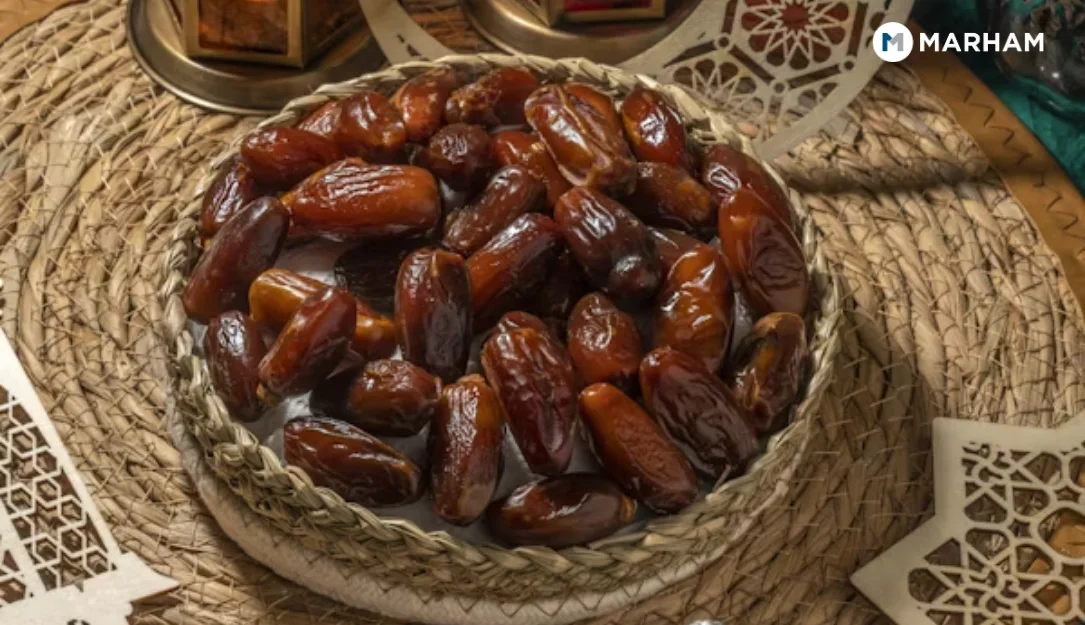
| Dates | Natural sugars plus fiber for quick and sustained energy | Iftar |
| Yogurt (Dahi) | Probiotics aid digestion plus protein for strength | Both |
| Watermelon | High water content fights dehydration | Iftar |
| Almonds and walnuts | Healthy fats for brain energy | Sehri |
| Chicken or lentils (daal) | Complete protein for muscle recovery | Iftar |
روزے میں کمزوری کا علاج | Urdu Summary
روزے کے دوران کمزوری محسوس ہونا ایک عام مسئلہ ہے جو زیادہ تر غلط خوراک اور پانی کی کمی کی وجہ سے ہوتا ہے۔ سحری میں سست رفتار توانائی دینے والی غذائیں کھائیں جیسے دلیہ، انڈے، اور دہی۔ افطار میں پہلے کھجور اور پانی سے روزہ کھولیں اور تلی ہوئی چیزوں سے پرہیز کریں۔ افطار سے سحری تک کم از کم آٹھ گلاس پانی پئیں۔ سحری کبھی نہ چھوڑیں چاہے بھوک نہ بھی لگی ہو۔ دن میں ہلکی پھلکی چہل قدمی کریں اور کم از کم چھ گھنٹے کی نیند ضرور لیں۔ میٹھی چیزیں اعتدال میں کھائیں کیونکہ زیادہ چینی سے اگلے دن مزید تھکاوٹ ہوتی ہے۔ اگر کمزوری بہت زیادہ ہو، چکر آئیں، یا بے ہوشی محسوس ہو تو فوری طور پر ڈاکٹر سے رابطہ کریں۔
When Should You See a Doctor?
Normal tiredness during Ramadan is expected. But if you are experiencing extreme weakness during fasting along with dizziness, blurred vision, fainting, rapid heartbeat, or inability to stand, these are warning signs that something more serious might be going on. People with diabetes, low blood pressure, anemia, or kidney issues need to be especially careful.
Do not push through dangerous symptoms just to complete the fast. Islam itself provides exemptions for those who are genuinely unwell. Your health comes first, always.
If you are struggling with persistent weakness during fasting, consult a doctor or nutritionist through Marham. You can book an online consultation from the comfort of your home. Call 0311 1222398 or visit Marham.pk to find the right specialist for your needs.
Final Thoughts
Weakness during fasting is not something you just have to accept and suffer through every Ramadan. With the right sehri choices, proper hydration, balanced iftar meals, and decent sleep, you can genuinely feel energetic throughout your fast. Start with small changes this Ramadan and notice the difference within the first few days. Your body will thank you for it.
And remember, if something does not feel right, do not hesitate to speak with a healthcare professional. Ramadan is a month of spiritual growth, not physical punishment. Take care of your body so you can make the most of every blessed moment.
