


Every Ramadan, we tell ourselves the same thing. “I’m fasting the whole day, I’ll definitely lose weight this time.” But then Eid comes around and the scale tells a completely different story. Sound familiar? You’re not alone. Weight gain during Ramadan is something millions of Pakistanis experience every single year, and it has nothing to do with willpower. It has everything to do with what happens between iftar and sehri.
Ramadan mein wazn badhna (رمضان میں وزن بڑھنا) is so common that doctors and nutritionists see a spike in complaints right after Eid. The good news? Once you understand why it happens, preventing it becomes surprisingly simple.
Why Do We Gain Weight During Ramadan?

Let’s be honest with ourselves. The real problem isn’t fasting. Fasting actually puts your body in a great position to burn fat. The problem is how we break our fast and what we eat between iftar and sehri.
Our iftar tables are the real culprit. Think about a typical Pakistani iftar spread. Pakoras, samosas, dahi baray, chana chaat, fruit chaat with extra cream, rooh afza, cold drinks, and that’s all before the actual dinner. We consume more calories in one iftar sitting than most people eat in an entire day. Your body was in fat burning mode all day, and then you flood it with oil, sugar, and refined carbs all at once.
Late night eating destroys your progress. After iftar, many of us keep snacking until sehri. Chai with biscuits at 10 PM, leftover pakoras at midnight, and then a heavy paratha and omelette sehri at 3 AM. Your body never gets a chance to actually process and burn what you’ve already eaten.
Dehydration slows your metabolism. When you don’t drink enough water between iftar and sehri, your metabolism slows down significantly. Most Pakistanis are so focused on eating during those hours that they forget to hydrate properly. A slower metabolism means your body stores more fat instead of burning it.
We move less during Ramadan. Let’s face it. After a heavy iftar, nobody feels like going for a walk. Most of us spend the evening on the couch watching dramas or scrolling through our phones. Reduced physical activity combined with increased calorie intake is a guaranteed formula for weight gain.
How to Prevent Weight Gain During Ramadan
The goal isn’t to turn Ramadan into a diet plan. It’s about enjoying your food without undoing the spiritual and physical benefits of fasting. Here are practical changes that actually work for Pakistani households.
1. Fix Your Iftar Plate
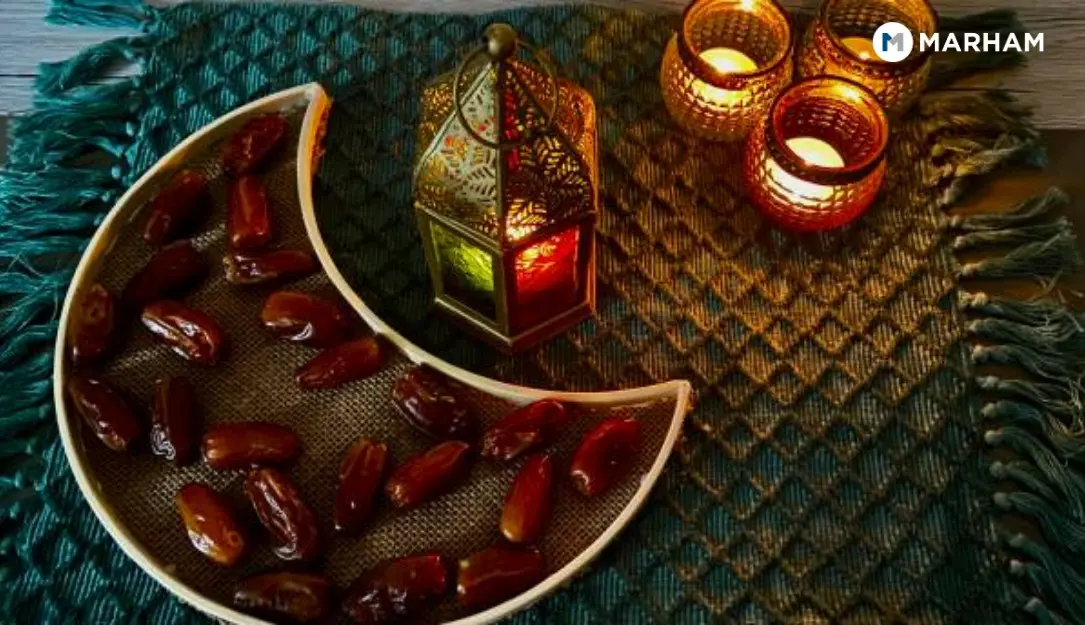
Start your iftar with dates and water, just like the Sunnah teaches us. Then wait 10 to 15 minutes before eating anything else. This gives your stomach time to signal your brain that food is coming. When you do sit down, fill half your plate with salad or fruit chaat (without the cream), a quarter with protein like chicken, daal, or chana, and keep the fried items to just one or two pieces. You don’t have to give up your pakoras. Just don’t make them the main course.
2. Replace One Fried Item With Something Baked or Grilled
Instead of frying everything, try baking your samosas or making chicken seekh kebabs on the grill. The taste is almost the same, but you cut the calories in half. Your dadi might raise an eyebrow, but your waistline will thank you.
3. Watch Your Drinks
This is where hidden calories sneak in. One glass of rooh afza has about 100 calories. A can of Pepsi has 150. Pakola, lemonade with sugar, doodh soda… these add up fast. Switch to plain water, nimbu paani with minimal sugar, or jaljeera. Keep the sweet drinks for special occasions, not every single iftar.
4. Make Sehri Count
Sehri is not the time for parathas dripping in ghee. I know, I know. But hear me out. A sehri built around slow digesting foods keeps you full longer and prevents the energy crash that makes you overeat at iftar. Try whole wheat roti with eggs, a bowl of dalia (daliya), oats with banana, or yogurt with some nuts. These foods release energy slowly throughout the day and keep your blood sugar stable.
5. Stay Hydrated Between Iftar and Sehri
Aim for at least 8 glasses of water between iftar and sehri. Keep a water bottle next to you during Taraweeh. Drink a glass before bed and two glasses at sehri. Proper hydration keeps your metabolism running, reduces false hunger signals, and helps your body burn fat instead of storing it.
6. Move Your Body
You don’t need to hit the gym. A 20 minute walk after iftar, before Taraweeh, makes a huge difference. Taraweeh prayer itself is actually decent physical activity since you’re standing, bowing, and prostrating for an extended period. Some people prefer light exercise 30 minutes before iftar when fat burning is at its peak. Find what works for your schedule and stick with it.
7. Control Portion Sizes
This is the simplest and most effective tip. Use a smaller plate. Seriously. When we use large plates, we fill them up without thinking. A smaller plate with the same variety of food tricks your brain into feeling satisfied with less. Go for one serving and resist the urge to refill.
8. Plan Your Meals for the Week
When there’s no plan, you default to whatever is easiest. And the easiest option is usually something fried or ordered from outside. Sit down on the weekend and plan your iftar and sehri meals for the week. Include variety so you don’t get bored, but make sure most meals are balanced. This also helps reduce food waste, which is a huge problem during Ramadan in Pakistan.
رمضان میں وزن بڑھنے سے کیسے بچیں
رمضان میں وزن بڑھنا ایک عام مسئلہ ہے جو زیادہ تر لوگوں کو افطار میں زیادہ کھانے کی وجہ سے ہوتا ہے۔ تلی ہوئی چیزیں جیسے پکوڑے اور سموسے بہت زیادہ کیلوریز رکھتی ہیں۔ افطار کی شروعات کھجور اور پانی سے کریں اور 15 منٹ بعد کھانا کھائیں۔ سحری میں پراٹھے کی جگہ دلیہ، انڈے، یا دہی استعمال کریں۔ میٹھے مشروبات کم کریں اور زیادہ سے زیادہ پانی پئیں۔ افطار کے بعد 20 منٹ کی سیر ضرور کریں۔ چھوٹی پلیٹ استعمال کرنے سے بھی کم کھانے میں مدد ملتی ہے۔ ہفتے کے کھانوں کی پہلے سے منصوبہ بندی کریں تاکہ صحت مند انتخاب آسان ہو۔ ان آسان تبدیلیوں سے آپ رمضان میں اپنا وزن قابو میں رکھ سکتے ہیں۔
A Simple Ramadan Meal Plan That Works
Sehri: Whole wheat roti or oats, one to two eggs, a small bowl of yogurt, banana, and two glasses of water.
Iftar: Three dates with water, then a plate with grilled chicken or daal, salad, one to two pieces of fried items (not more), and fruit chaat without cream.
Evening snack (if needed): A handful of nuts or a glass of lassi.
This isn’t a strict diet. It’s just a smarter way to eat the foods we already love.
When to See a Doctor
If you’re gaining weight rapidly during Ramadan despite eating carefully, or if you have conditions like diabetes, thyroid issues, or PCOS, it’s important to consult a nutritionist or doctor who can create a personalized plan for you.
Book an appointment with a certified nutritionist through Marham to get a Ramadan meal plan tailored to your health needs. Call or WhatsApp at 0311 1222398 to book your consultation today.
Final Thoughts
Weight gain during Ramadan doesn’t have to be inevitable. Small, realistic changes to your iftar and sehri can make a big difference without taking away from the joy of the month. Start with one or two changes this Ramadan and build from there. Your body is already doing the hard work of fasting. Just give it the right fuel and it will reward you. And remember, if you have any health concerns, always consult a healthcare professional before making major changes to your diet.
