


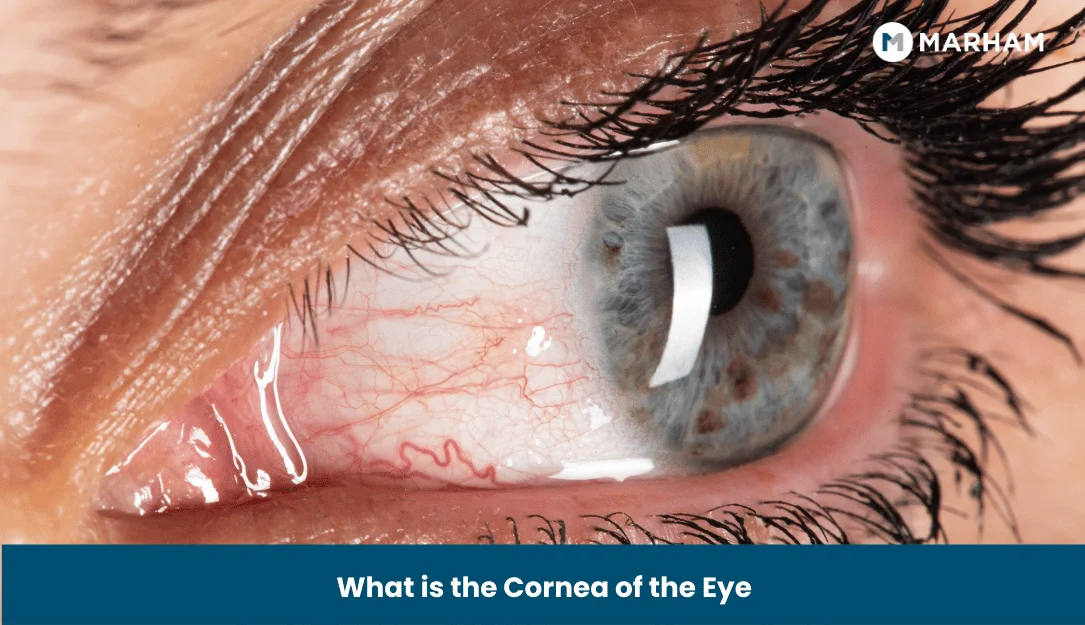
Your eye has a clear, dome-shaped front cover that you cannot see but rely on every single second. That clear cover is called the cornea. In Urdu, it is known as قرنیہ (Qarnia) or آنکھ کا شفاف پردہ.
Think of the cornea as the windshield of your eye. Just like a car windshield protects you while letting you see the road clearly, the cornea protects the inside of your eye while letting light pass through. It sits right in front of the colored part of your eye (iris) and the black circle (pupil).
The cornea is responsible for about 65 to 75 percent of your eye’s focusing power. That means before light even reaches the lens inside your eye, the cornea has already done most of the work to help you see clearly. It is also one of the most sensitive parts of the human body, which is why even a tiny speck of dust in your eye feels so painful.
One interesting fact about the cornea is that it has no blood vessels at all. Instead, it gets its nutrients from tears and a fluid inside the eye. This is what keeps it crystal clear and transparent.
Layers of Cornea
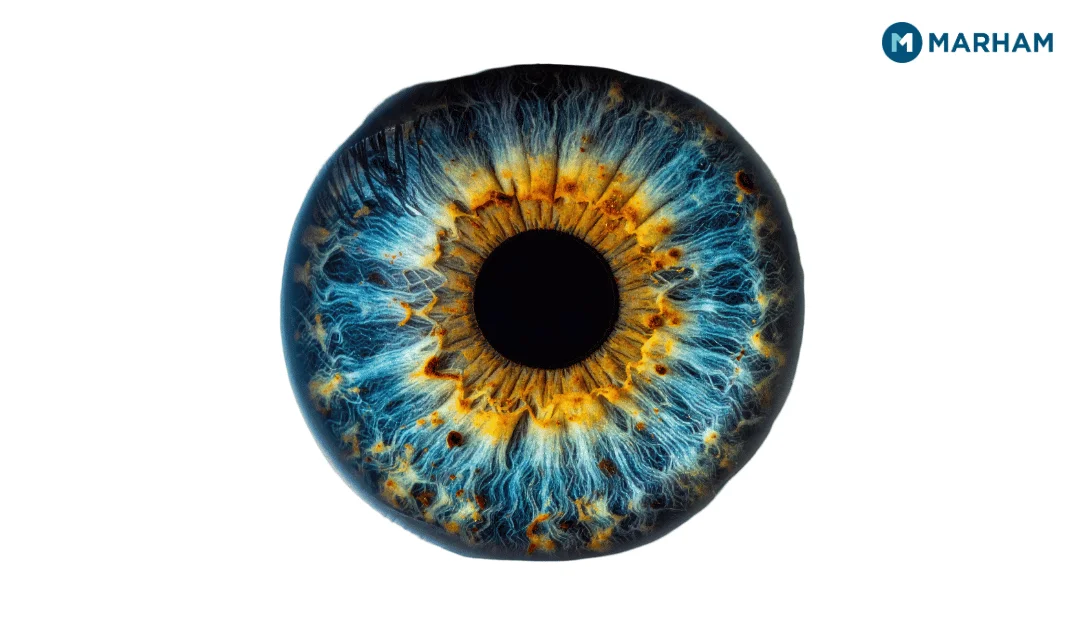
The cornea may look like a simple thin layer, but it actually has 5 separate layers, each with its own job. Here is a simple breakdown:
| Layer | What It Does |
| Epithelium (outer layer) | Blocks dust, germs, and water from entering the eye. Heals quickly when scratched |
| Bowman’s Layer | A thin, tough sheet that protects the deeper layers. Does not grow back if damaged |
| Stroma (middle layer) | The thickest layer, making up about 90% of the cornea. Keeps it clear and dome-shaped |
| Descemet’s Membrane | A thin but strong layer that guards against infection and injury |
| Endothelium (inner layer) | Pumps excess fluid out to keep the cornea from swelling and getting cloudy |
All five layers work together to keep the cornea clear, smooth, and strong enough for sharp vision.
Corneas Meaning in Urdu | قرنیہ کیا ہے
قرنیہ آنکھ کے سامنے کا شفاف پردہ ہے جو روشنی کو آنکھ میں داخل ہونے دیتا ہے۔ یہ آنکھ کا سب سے حساس حصہ ہے اور بینائی میں سب سے اہم کردار ادا کرتا ہے۔ قرنیہ آنکھ کی 65 سے 75 فیصد فوکسنگ پاور فراہم کرتا ہے۔ اس میں خون کی نالیاں نہیں ہوتیں اور یہ آنسوؤں سے غذائیت حاصل کرتا ہے۔ قرنیہ کی پانچ تہیں ہوتی ہیں جو مل کر آنکھ کو انفیکشن اور نقصان سے بچاتی ہیں۔ اگر قرنیہ کو نقصان پہنچے تو بینائی دھندلی ہو سکتی ہے اور بعض صورتوں میں قرنیہ کی پیوندکاری ضروری ہو سکتی ہے۔
Common Cornea Problems
The cornea can be affected by several conditions. Here are the most common ones that people in Pakistan face:
Cornea Damage and Scratches: A scratch on the cornea is called a corneal abrasion. It can happen from dust, sand, contact lenses, or rubbing your eyes too hard. Mild scratches heal on their own within a few days, but deeper damage may leave a scar that affects vision.
Corneal Scarring: When the cornea gets a deep injury or a serious infection, it can leave a permanent scar. This scar blocks light from entering the eye properly, making vision blurry or cloudy. In Pakistan, corneal scarring is one of the leading causes of treatable blindness, with an estimated 200,000 people affected by cornea-related vision loss.
Corneal Infections: Using dirty contact lenses, eye injuries, or exposure to contaminated water can cause infections in the cornea. Symptoms include redness, pain, watery eyes, and sensitivity to light. Early treatment with medicated eye drops is important to prevent lasting damage.
Dry Eye and Cornea: When your eyes do not produce enough tears, the cornea dries out. This is very common in Pakistan’s hot and dusty climate. Dry cornea leads to discomfort, blurry vision, and a higher risk of infections.
Cornea Transplant in Pakistan
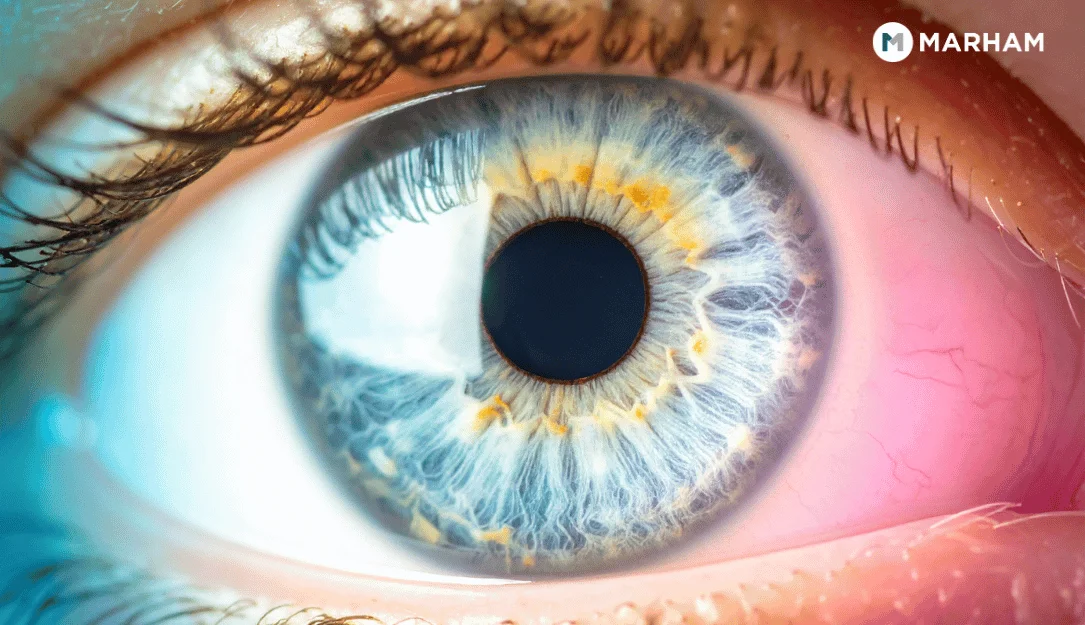
When the cornea is badly damaged or scarred beyond repair, a cornea transplant (also called corneal grafting) may be needed. In this procedure, the damaged cornea is replaced with a healthy one from a donor.
Several government and private hospitals across Pakistan now perform cornea transplants. Major cities like Lahore, Karachi, Rawalpindi, and Islamabad have specialized eye centres offering this procedure. Some charitable hospitals even perform cornea transplants free of cost for patients who cannot afford it.
There are two main types of cornea transplant. In a full-thickness transplant, the entire cornea is replaced. In a partial transplant, only the damaged layers are replaced while the healthy layers remain. Your eye doctor will decide which type is best based on your condition.
Recovery after a cornea transplant takes several months. You will need to use eye drops regularly and visit your doctor for follow-up appointments. Most patients see significant improvement in their vision after the procedure.
How to Keep Your Cornea Healthy
Taking care of your cornea is simple but important. Here are some practical tips:
Wear protective glasses or sunglasses when going outside, especially in dusty or sunny conditions. Never rub your eyes harshly, as this can scratch the cornea. If you wear contact lenses, always clean them properly and never sleep with them on. Eat foods rich in Vitamin A like carrots, eggs, and leafy greens to support eye health. Use artificial tears if your eyes feel dry, especially during summer months in Pakistan. Get regular eye check-ups, particularly if you notice any changes in your vision.
If you experience sudden eye pain, redness, blurry vision, or sensitivity to light, see an eye specialist immediately. These could be signs of a cornea problem that needs quick treatment.
Consult an Eye Specialist
If you are experiencing any cornea-related symptoms or have concerns about your eye health, do not delay getting professional help. Early diagnosis can save your vision.
Book an appointment with a top eye specialist through Marham. Call 0311-1222398 or visit marham.pk to find the best ophthalmologists near you.
