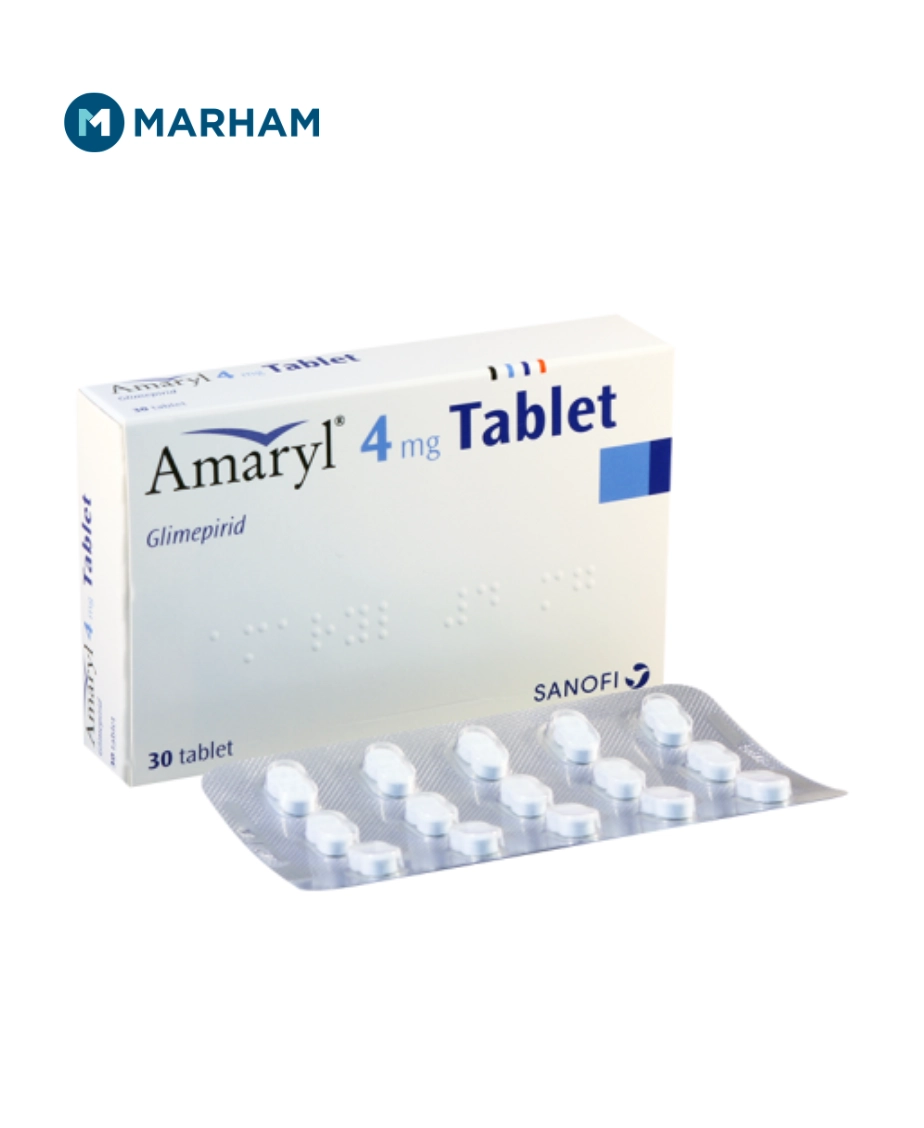
Amaryl Tablet Uses
About Amaryl Tablet
Amaryl Tablet uses include the management of type 2 diabetes mellitus by lowering blood sugar levels through increased insulin release from the pancreas. It contains Glimepiride, a second-generation sulfonylurea that stimulates pancreatic beta cells to secrete more insulin and improves the body's sensitivity to insulin. Amaryl is used alongside diet and exercise to achieve better glycemic control in adults with type 2 diabetes.
Amaryl Tablet Uses
Your doctor might give you Amaryl Tablet for:
Type 2 diabetes mellitus
Blood sugar control
Reduction of HbA1c levels
Prevention of diabetes-related complications
Amaryl Tablet Dosage and Administration
Always follow your doctor's instructions exactly.
Adult Dosage:
Dose adjustments made based on blood sugar levels
Children Dosage:
Not recommended for children
How to Take:
Take the tablet with breakfast or the first main meal of the day.
Swallow the tablet whole with a glass of water.
Take at the same time every day.
Do not skip meals while taking Amaryl.
Monitor blood sugar levels regularly as advised by your doctor.
Continue with your prescribed diet and exercise plan.
Amaryl Tablet Warnings
Don't use Amaryl Tablet if you:
Are allergic to Glimepiride, sulfonamides, or sulfonylureas
Have type 1 diabetes
Have diabetic ketoacidosis (DKA)
Are pregnant or planning to become pregnant
Are breastfeeding
Have severe kidney disease or renal failure
Have severe liver disease
Amaryl Tablet Precautions
Talk with your doctor first if you:
Have kidney or liver problems
Have adrenal or pituitary gland disorders
Are elderly
Have G6PD deficiency
Are malnourished or have irregular eating habits
Consume alcohol regularly
Are going to have surgery
Are taking other medications
Also, remember:
Monitor blood sugar levels regularly
Learn to recognize and treat low blood sugar
Carry a source of fast-acting sugar with you at all times
Do not skip meals while taking this medication
Avoid excessive alcohol as it increases hypoglycemia risk
May cause photosensitivity; use sunscreen and protective clothing
Do not drive or operate machinery if you feel dizzy or have low blood sugar
Amaryl Tablet Side Effects
Most people handle Amaryl Tablets well, but side effects can happen.
Hypoglycemia
Nausea
Vomiting
Diarrhea
Stomach pain
Headache
Dizziness
Weight gain
Skin rash
Serious side effects:
Severe hypoglycemia
Severe allergic reactions
Liver problems
Blood disorders
Hyponatremia
Storage Instructions
Store at room temperature
Keep in original container
Protect from moisture and light
Keep out of reach of children
Packaging and Quantity
- Amaryl Tablets are available in packs of 30 tablets (2 strips of 15 tablets) in strengths of 1mg, 2mg, 3mg, and 4mg.
Prescription Requirement
This medication requires a prescription from a qualified healthcare provider.
Get Expert Advice on Marham Before Using Any Medicine
Marham helps you connect with qualified doctors for expert medical advice. You can easily book online or in-person appointments through the Marham website, mobile apps, or by calling 0311-1222398.
Frequently Asked Questions about Amaryl Tablet
Disclaimer
Marham shares expert-reviewed information to support your health journey. The information on this page is only to guide and inform you. For any personal advice, it's always best to check with a medical professional.
Consult a Doctor Online
Top-rated, PMDC-verified doctors you can book online today — ghar baithe.

Dr. Asma Jabeen
Gynecologist · MBBS , MCPS (Obstetrics & Gynecology)
★ 2,864 Reviews 26+ Years Exp

Dr. Hira Noor
Gynecologist · MBBS , MS Obstetrics & Gynecology
★ 28 Reviews 10+ Years Exp

Dr. Mariam Khalid
Gynecologist · MBBS, FCPS (Obstetrics & Gynecology)
★ 394 Reviews 12+ Years Exp