


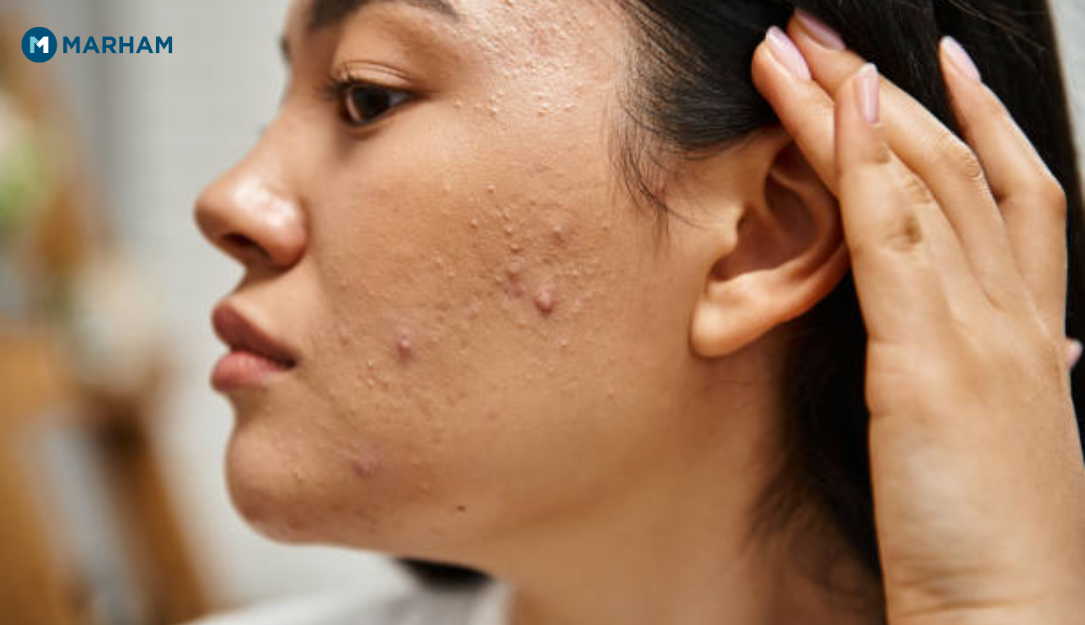
Almost everyone has experienced acne at some point in their lives. Yes, those stubborn pimples that appear right before an important event. For some, it’s an occasional issue. For others, it becomes a persistent struggle that affects self-confidence and mental health.
According to the American Academy of Dermatology, acne is the most common skin condition. It affects 85% of people between ages 12 and 24. In Pakistan, dermatologists estimate that nearly 1 in 3 young adults suffer from moderate to severe acne. However, only a small fraction seek professional help due to misconceptions or lack of awareness.
The reassuring part is that acne can be treated. With the right acne treatment and medical guidance, you can control breakouts, prevent scarring, and restore your confidence.
In this comprehensive guide, we’ll cover common causes of acne, recognizable symptoms, different types of acne, effective acne treatment options, and when to consult a dermatologist. We’ll also show you how to book online consultations with Pakistan’s best dermatologists through Marham.
What is Acne?
It’s a skin condition that occurs when hair follicles become clogged with oil (sebum) and dead skin cells. This blockage creates the perfect environment for bacteria to grow that leads to inflammation and various types of breakouts.
Acne typically appears on the face, forehead, chest, upper back, and shoulders. These are the areas with the highest concentration of oil glands. It’s most common during teenage years due to hormonal changes. However, adults can also experience acne, especially women dealing with hormonal acne.
Acne Meaning in Urdu
Acne meaning in Urdu is مہاسے.
ایکنی جلد کی ایک عام بیماری ہے جس میں چہرے، پیٹھ یا سینے پر دانے، پھوڑے، یا سیاہ دھبے نکل آتے ہیں۔ یہ خاص طور پر نوجوانوں میں زیادہ ہوتے ہیں لیکن بڑی عمر کے لوگوں میں بھی ہوسکتے ہیں۔ یہ ہارمونل تبدیلیوں، زیادہ تیل کی پیداوار، اور بیکٹیریا کی وجہ سے ہوتے ہیں۔
Symptoms of Acne
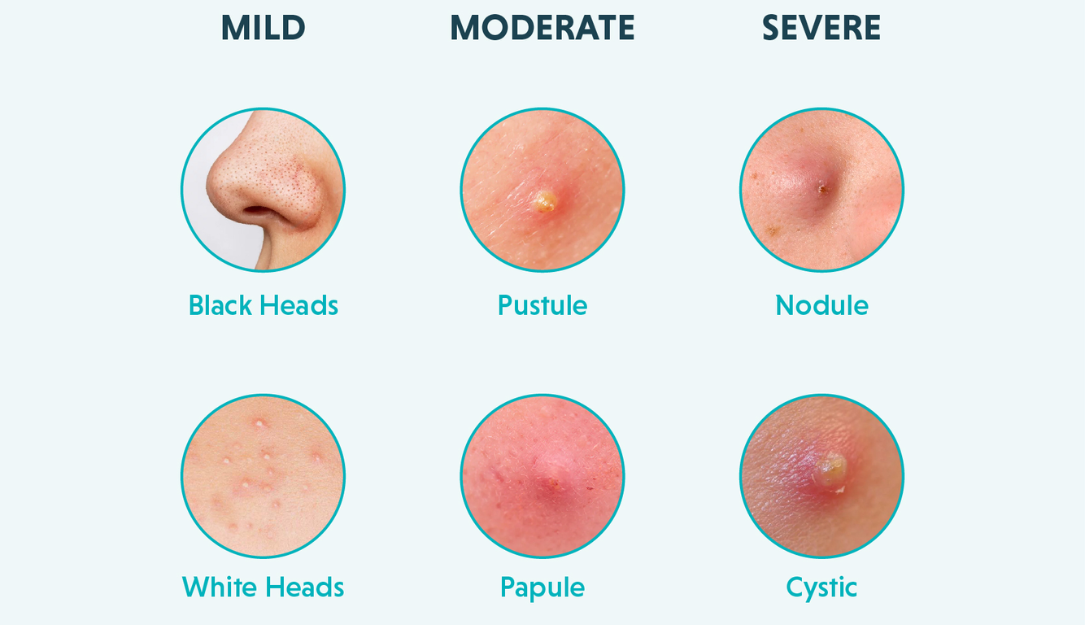
Wondering how to identify different types of acne? Here are the most common acne symptoms/forms, each require different treatment approaches:
- Whiteheads – Closed clogged pores that appear as small white bumps
- Blackheads – Open clogged pores with dark tips (not dirt, but oxidized oil)
- Papules – Small red, tender bumps without pus
- Pustules – Pimples with yellow or white pus at the tip
- Nodules – Large, solid, painful lumps deep beneath the skin (nodular acne)
- Cystic acne – Deep, painful, pus-filled lumps that often leave scars
- Acne marks and acne scars – Dark spots or indented marks left after healing
If you’re experiencing any of these symptoms, don’t worry. Book an online consultation now with the best dermatologists in Lahore, Karachi, or Islamabad through Marham for personalized acne treatment plans.
Causes of Acne
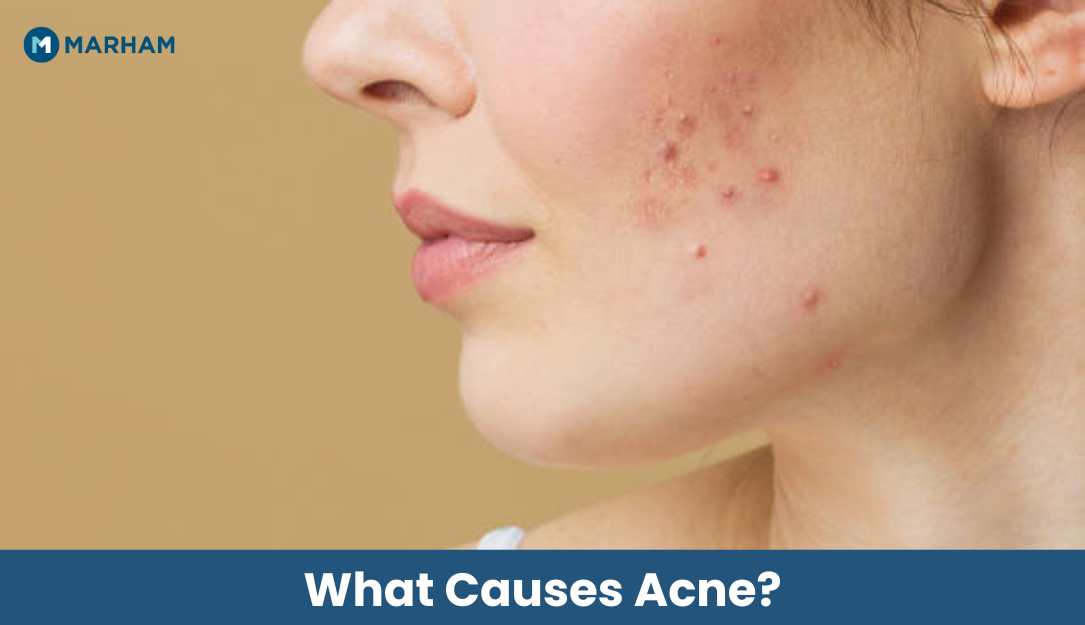
Understanding what causes acne is important for effective treatment. Multiple factors contribute to breakouts. These include:
1. Excess Oil Production
Overactive sebaceous glands produce too much oil, clogging pores and creating an ideal environment for acne-causing bacteria.
2. Clogged Pores
Dead skin cells that don’t shed properly mix with oil and block hair follicles. This results in comedonal acne (blackheads and whiteheads).
3. Bacterial Infection
Propionibacterium acnes (P. acnes) bacteria multiply in clogged pores which cause inflammation and pustules.
4. Hormonal Changes
Hormonal acne is triggered by fluctuations during:
- Puberty
- Menstrual cycles
- Pregnancy
- PCOS (Polycystic Ovary Syndrome)
This type typically appears on the jawline, chin, and lower face.
5. Genetics
If your parents had acne, you’re more likely to develop it too. Family history plays a significant role in acne-prone skin.
6. Diet
Studies suggest that high-glycemic foods (sugary items, white bread) and dairy products may worsen acne in some people.
7. Stress
Stress doesn’t directly cause acne, but it can trigger hormonal changes that worsen existing breakouts.
8. Certain Medications
Steroids, lithium, and some birth control pills can also trigger acne.
9. Poor Skincare Habits
Using harsh products, not removing makeup, or over-washing can irritate acne skin and worsen the condition.
A study in Karachi found that nearly 40% of teenagers experience acne, with stress and diet being major contributing factors.
If you want to identify your specific triggers, connect with experienced dermatologists through Marham’s video consultation service and get expert guidance from the comfort of your home.
Types of Acne
Different types of acne require different treatment approaches:
1. Comedonal Acne
- Characterized by blackheads and whiteheads
- Caused by clogged pores without inflammation
- Mild form, responds well to topical treatments
2. Inflammatory Acne
- Red, swollen, painful pimples (papules and pustules)
- Caused by bacterial infection in clogged pores
- Requires antibacterial treatments
3. Cystic Acne
- Severe form with deep, painful cysts
- Most likely to leave permanent acne scars
- Requires professional acne medication and monitoring
4. Hormonal Acne
- Breakouts linked to hormonal fluctuations
- Usually appears around jawline, chin, and neck
- Common in adult women
- It requires hormonal therapy
5. Fungal Acne
- Small, uniform bumps caused by yeast overgrowth
- Itchy, doesn’t respond to typical acne treatment
- Requires antifungal treatment
6. Acne Vulgaris
- Most common type, includes blackheads, whiteheads, and inflamed pimples
- Acne vulgaris treatment depends on severity
7. Forehead Acne / Back Acne
- Location-specific breakouts due to sweat, hair products, or friction
- Forehead acne often linked to hair products
- Back acne (bacne) common in athletes
If you’re not sure which type of acne you have, it’s best to consult a dermatologist. With Marham, you can book an appointment with Pakistan’s top skin specialists for accurate diagnosis and customized treatment.
Acne Treatment
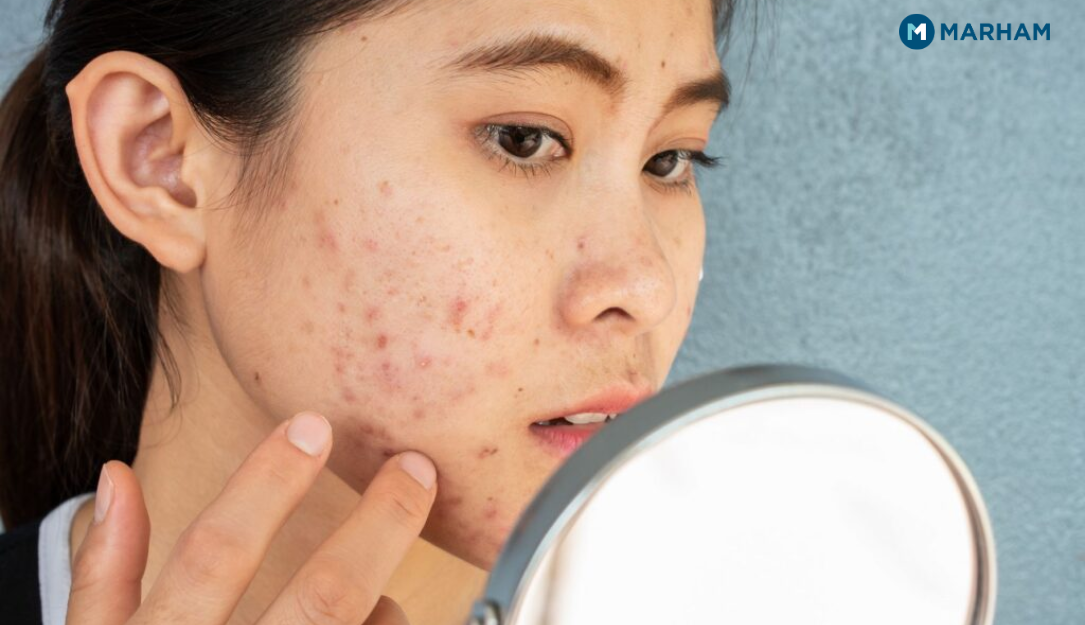
The right acne treatment depends on type and severity. Here are proven medical solutions:
1. Topical Treatments
Benzoyl Peroxide for Acne
- Kills bacteria and reduces inflammation
- Available in cleansers, gels, and creams
- Strength: 2.5% to 10%
Salicylic Acid
- Unclogs pores and reduces oil
- Found in many acne face wash products
- Best for: Blackheads and whiteheads
Retinol for Acne / Retinoids
- Promotes cell turnover and prevents clogged pores
- Prescription-strength: tretinoin, adapalene
- Best for: Comedonal acne and acne scars
Tea Tree Oil for Acne Treatment
- Natural antibacterial properties
- Gentler alternative to benzoyl peroxide
- Use diluted on affected areas
2. Best Acne Cream in Pakistan
Popular options include:
- Acne Cure Cream – Medicated formula
- Bioaqua Acne Cream – Affordable spot treatment
- Acne Med Cream – Available at pharmacies
- Anti Acne Cream with salicylic acid or benzoyl peroxide
- Acne Scar Cream for post-inflammatory marks
3. Best Face Wash for Acne
Best face wash for acne in Pakistan options include:
- Acne Clear Face Wash – Popular drugstore option
- Acnes Creamy Face Wash / Mentholatum Acnes Face Wash – Japanese brand
- Neutrogena Acne Face Wash / Neutrogena Oil Free Acne Wash
- CeraVe Acne Control Cleanser / CeraVe Acne Foaming Cream Cleanser
- Acne Aid Soap / Acne Bar Soap – Medicated cleansing bars
- Ponds Acne Face Wash – Budget-friendly
- Acne Care Face Wash – Local brands
4. Oral Medications for Acne Treatment
For moderate to severe acne, dermatologists may prescribe:
Antibiotics
- Doxycycline, minocycline, or azithromycin for acne
- Reduces bacteria and inflammation
- Usually 3-6 month course
Hormonal Therapy
- Birth control pills for hormonal acne in women
- Anti-androgen medications
Isotretinoin (Accutane)
- Most powerful acne medication
- For severe cystic acne or nodular acne
- Requires close monitoring
5. Professional Procedures
Chemical Peels
- Remove dead skin cells and unclog pores
- Improve acne marks and texture
Laser Treatment for Acne Scars
- Reduces acne scars and improves skin texture
- Multiple sessions required
Microneedling for Acne Scars
- Stimulates collagen production
- Effective for indented acne scars
Extraction
- Professional removal of stubborn blackheads/whiteheads
- Should only be done by professionals
According to dermatology experts, up to 90% of acne cases improve significantly with the right medical treatment within 8-12 weeks.
Ready to start your acne treatment journey? Find and book Pakistan’s best dermatologists through Marham. Read verified reviews and choose between video consultation or in-clinic visits in Lahore, Karachi, Islamabad, and 200+ cities.
How to Get Rid of Acne
Curious about how to get rid of acne or how to remove acne naturally? These home remedies and natural solutions for acne can complement medical treatment:
1. Tea Tree Oil
Apply diluted tea tree oil for acne as a spot treatment. It has natural antibacterial properties.
2. Honey and Cinnamon Mask
Mix honey with cinnamon powder, apply for 10-15 minutes. Both have antimicrobial properties.
3. Aloe Vera
Apply fresh aloe vera gel to reduce inflammation and speed healing.
4. Green Tea
Apply cooled green tea to skin or use products containing green tea extract for antioxidant benefits.
5. Apple Cider Vinegar
Dilute apple cider vinegar with water (1:3 ratio) and use as a toner. It balances skin pH.
Important: While searching for how to cure acne naturally in 3 days, remember that real improvement takes time. Be patient and consistent with your acne treatment at home routine.
Prevention Tips: How to Avoid Acne Breakouts
To prevent acne and reduce flare-ups:
- Use gentle, non-comedogenic acne face wash twice daily
- Don’t over-wash or scrub harshly
- Remove makeup before bed
- Choose oil-free, non-comedogenic skincare products
- Avoid touching your face frequently
- Clean your phone screen regularly
- Change pillowcases weekly
- Manage stress through exercise and adequate sleep
- Eat a balanced diet, limit high-glycemic foods
- Drink 8-10 glasses of water daily
- Protect skin with sunscreen (prevents acne marks)
When to See a Dermatologist for Acne Treatment
You should consult a dermatologist if acne:
- Persists despite over-the-counter treatments
- Is painful or causes cystic acne
- Leaves acne scars or dark acne marks
- Affects your confidence and social life
- Covers large areas (severe acne vulgaris)
- Suddenly worsens in adulthood
- Doesn’t respond to best acne cream or acne face wash
Through Marham, you can:
- Find and book Pakistan’s best dermatologists in your city
- Read 50,000+ verified patient reviews
- Choose convenient video consultation or in-clinic visits
- Get same-day appointments in Lahore, Karachi, Islamabad
- Access affordable acne treatment plans
- Receive personalized skincare recommendations
- Follow up easily with your dermatologist
Conclusion
Acne may be common, but it shouldn’t control your life or damage your confidence. Be it mild breakouts, severe cystic acne, or lingering scars, effective acne treatment is within reach.
Getting help early can stop acne from leaving scars or causing long-term problems. With the right medicines, good skincare, and a few lifestyle changes, you can get clear and healthy skin.
Don’t let acne hold you back any longer. Book your consultation with Pakistan’s best dermatologists through Marham today. Start your journey to flawless, confident skin now!
Frequently Asked Questions
What is the best treatment for acne?
The best acne treatment depends on severity. Mild cases respond to topical benzoyl peroxide or salicylic acid. Moderate to severe acne requires prescription medications like antibiotics or isotretinoin.
Which face wash is best for acne in Pakistan?
Popular best face wash for acne in Pakistan options include Acne Clear Face Wash, Neutrogena Oil Free Acne Wash, CeraVe Acne Control Cleanser, and Acnes Creamy Face Wash. Choose based on your skin type.
How long does acne treatment take?
Most people see improvement within 4-8 weeks of consistent acne treatment. Severe cystic acne may take 3-6 months. Patience and consistency are key.
Can acne scars be removed completely?
While complete removal is challenging, professional treatments like laser therapy and microneedling for acne scars can significantly improve their appearance by 50-80%.
Is acne curable permanently?
Acne can be controlled and managed effectively, but some people may experience occasional breakouts throughout life, especially with hormonal acne. Proper skincare and treatment minimize recurrence.
