


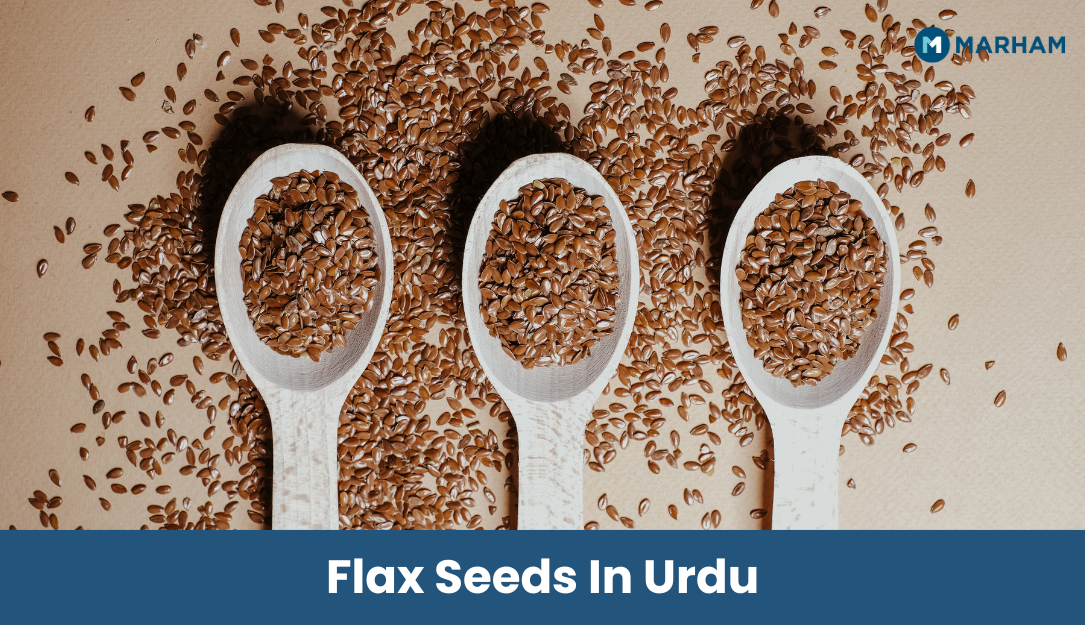
If you have been exploring healthy food options, you have likely come across flax seeds. These tiny brown or golden seeds have become increasingly popular in Pakistan, and for good reason. But what exactly are they called in Urdu, and do they really deserve all the attention?
Flax seeds in Urdu are known as السی کے بیج (Alsi ke beej). These small seeds have been used for thousands of years, dating back to ancient civilizations. Today, nutritionists and doctors recommend them for various health benefits including heart health to weight management.
What makes flax seeds special? They are loaded with omega-3 fatty acids, fiber, and protein. In addition, they are surprisingly versatile and easy to add to your daily meals without much effort.
In this guide, we will cover what flax seeds actually are, their proven health benefits (especially for women), and practical ways to use them. Let’s get started!
What Are Flax Seeds Called in Urdu?
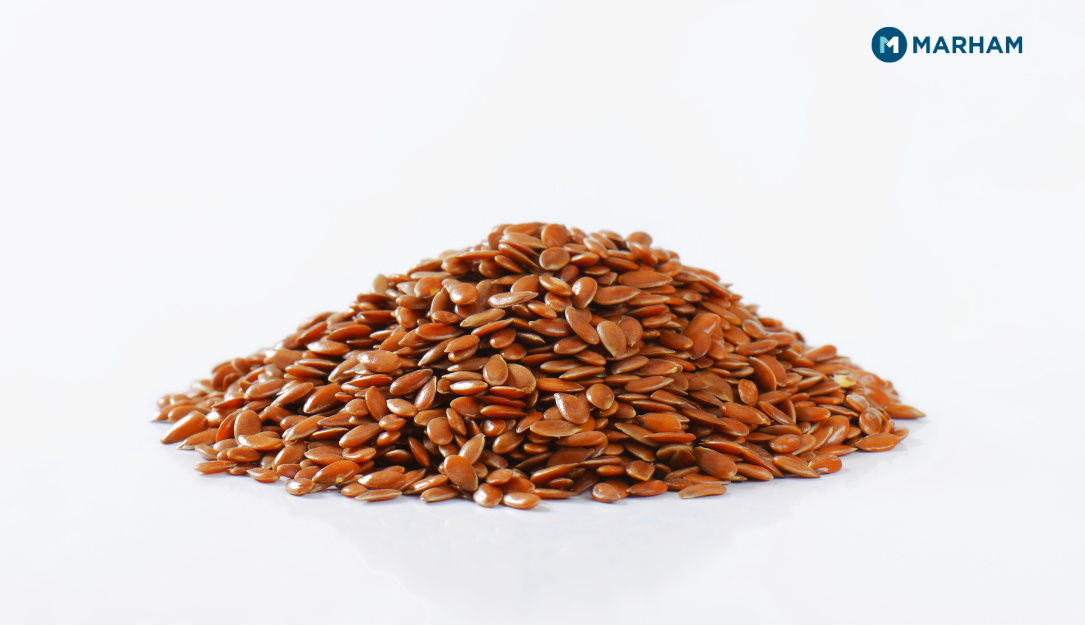
Flax seeds in Urdu are called السی کے بیج (Alsi ke beej). The flax seed in urdu meaning comes from the flax plant, which has been cultivated for its seeds and fibers for centuries.
The flax seeds in urdu name is consistent across Pakistan:
- Punjab: السی کے بیج (Alsi ke beej)
- Sindh: Similar terminology
- Urban areas: Mostly called by their English name “flax seeds”
When shopping at local stores or online platforms, use the term “السی” (Alsi) or simply “flax seeds” to find them easily.
Flax Seeds Benefits
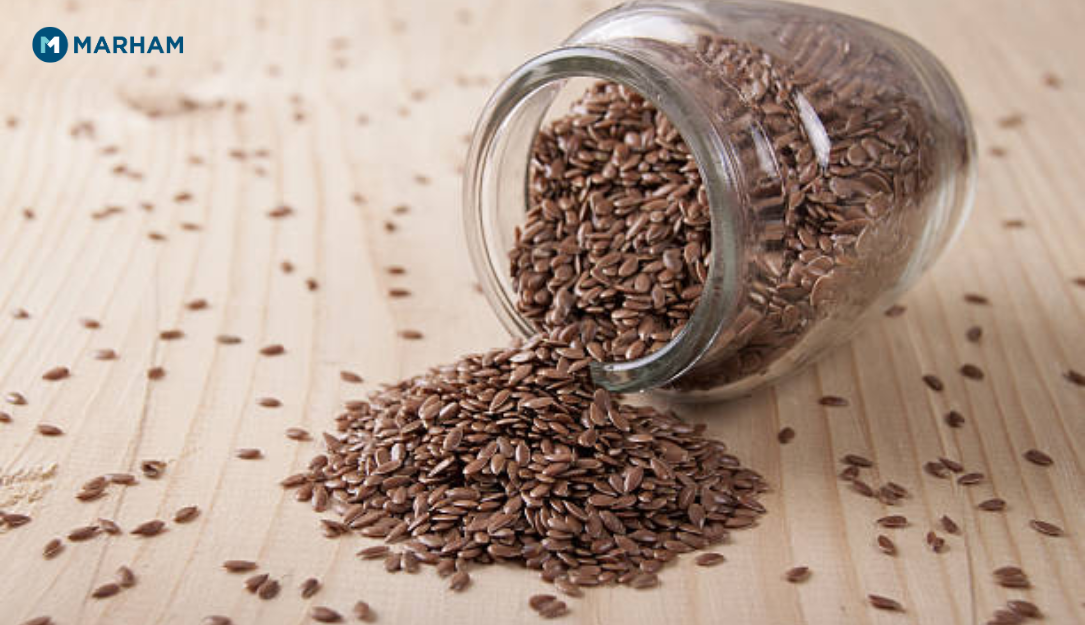
Now let’s take a look at why health experts recommend them:
1. Excellent for Heart Health
Flax seeds are one of the richest plant-based sources of omega-3 fatty acids. These healthy fats help lower bad cholesterol (LDL) and reduce blood pressure naturally. Regular consumption can significantly lower your risk of heart disease and stroke.
For people who don’t eat fish regularly, flax seeds offer a valuable alternative source of omega-3s.
2. Flax Seeds Benefits for Female Health
Women can particularly benefit from adding flax seeds to their diet. Here’s how:
- Hormonal Balance: Flax seeds contain compounds called lignans that help balance hormones, especially during menopause. Many women report reduced hot flashes and mood swings.
- PCOS Management: Flax seeds for PCOS can be helpful. They may improve insulin sensitivity and regulate menstrual cycles in women with polycystic ovary syndrome.
- Fertility Support: Some research suggests benefits of flax seeds for fertility by supporting hormonal health and reducing inflammation.
3. Support Weight Loss Naturally
One of the most popular flax seeds benefits for weight loss is their ability to keep you feeling full longer. The high fiber and protein content reduces hunger and prevents unnecessary snacking between meals.
How flax seeds help in weight loss? When consumed with water, they expand in your stomach which creates a natural feeling of fullness. This helps you eat smaller portions without feeling deprived.
4. Improve Digestive Health
The fiber in flax seeds promotes healthy digestion and regular bowel movements. However, there’s an important note. When eating whole flax seeds, constipation can actually occur if you don’t drink enough water. Therefore, always consume flax seeds with adequate fluids.
5. Better Skin and Hair
Flax seeds benefits for skin include natural moisturization from within. The omega-3 fatty acids help reduce dryness, inflammation, and may improve conditions like eczema.
For hair health, flax seeds may support growth and reduce hair loss by providing essential nutrients to hair follicles.
6. Rich in Antioxidants
Flax seeds contain lignans, powerful antioxidants that protect your cells from damage. These compounds may reduce the risk of certain chronic diseases and support overall wellness.
How to Eat Flax Seeds
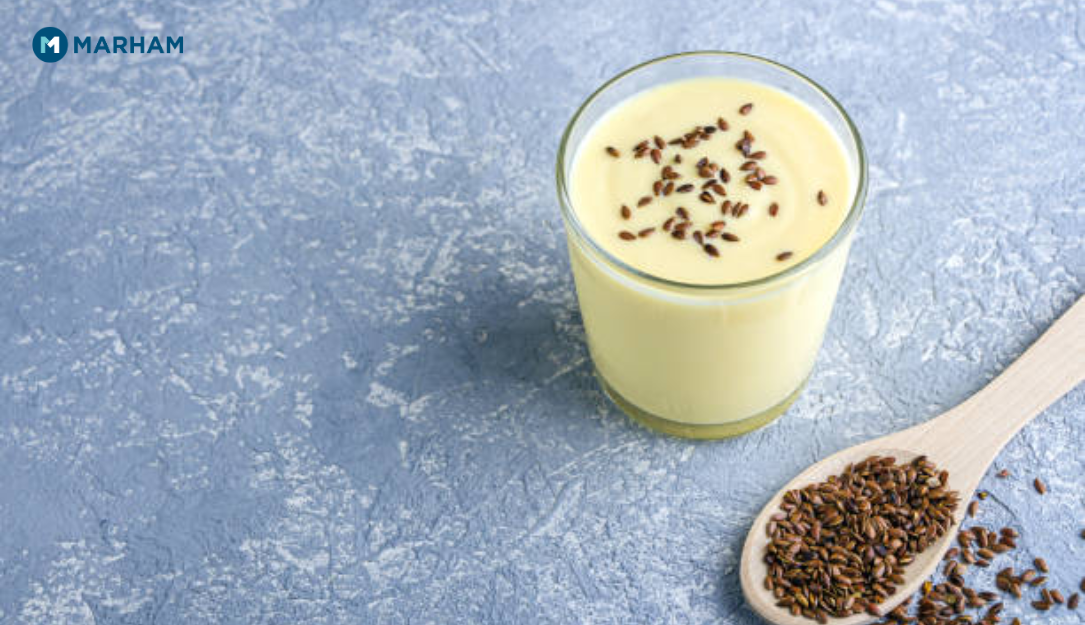
Ground flax seeds are more beneficial than whole seeds. Your body can’t fully digest whole flax seeds, so grinding them releases all their nutrients.
Basic Preparation
Best way to eat flax seeds:
- Grind 1-2 tablespoons of flax seeds in a coffee grinder or blender.
- Use immediately or store in an airtight container in the refrigerator.
- Ground flax seeds stay fresh for up to one week when refrigerated.
Popular Ways to Use Flax Seeds
- In Morning Drinks: Add ground flax seeds to your morning smoothie, lassi, or even chai for a nutritional boost.
- With Breakfast: Sprinkle ground flax seeds on your paratha, mix into dalia (porridge), or add to yogurt with honey.
- In Baking: Replace a portion of flour in roti or baking recipes with ground flax seeds. This works particularly well in muffins and cookies.
- Flax Seed Water: Soak 1 tablespoon of whole flax seeds in a glass of water overnight. Strain and drink the water in the morning on an empty stomach. This method is popular for digestive health.
- Salad Topping; Sprinkle ground flax seeds over salads for extra crunch and nutrition.
Flax Seeds For Weight Loss
How to use flax seeds for weight loss:
- Take 1 tablespoon of ground flax seeds with warm water 30 minutes before meals.
- Mix ground flax seeds in lemon water and drink first thing in the morning.
- Add to high-protein meals to increase satiety.
Remember: Flax seeds support weight loss, but they work best when combined with a balanced diet and regular physical activity.
How Much Flax Seeds Should You Take?
The recommended daily amount is 1-2 tablespoons (10-20 grams) of ground flax seeds.
When to eat flax seeds?
Morning is generally best, but you can consume them any time of day.
Can we eat flax seeds at night?
Yes, though morning or afternoon is preferred for better digestion.
Can flax seeds be eaten empty stomach?
Yes, many people drink flax seed water on an empty stomach for digestive benefits.
Can we eat flax seeds daily?
Yes, daily consumption is safe and beneficial for most people when taken in recommended amounts.
Flax Seeds Side Effects: What You Should Know
While flax seeds are generally safe, be aware of these considerations:
- Digestive Issues: Starting with too much can cause bloating or gas. Begin with 1 teaspoon and gradually increase.
- Hormonal Concerns: If you have hormone-sensitive conditions, consult your doctor before regular use.
- Blood Thinning: Flax seeds may have mild blood-thinning effects. If you are on blood-thinning medication, discuss with your healthcare provider.
- Pregnancy and Breastfeeding: While generally safe in food amounts, pregnant and breastfeeding women should consult their doctor for personalized advice.
Where to Buy Flax Seeds in Pakistan
Flax seeds in Pakistan are widely available at:
Online Platforms:
- Daraz (search “flax seeds” or “السی”)
- Other e-commerce websites
Local Stores:
- Major supermarkets (Imtiaz, Naheed, Carrefour)
- Organic food stores
- Health food shops in urban areas
Flax seeds price in Pakistan typically ranges from Rs. 300-600 per 250g depending on quality and brand. Organic varieties cost slightly more but ensure better quality.
Flax Seeds vs Other Seeds
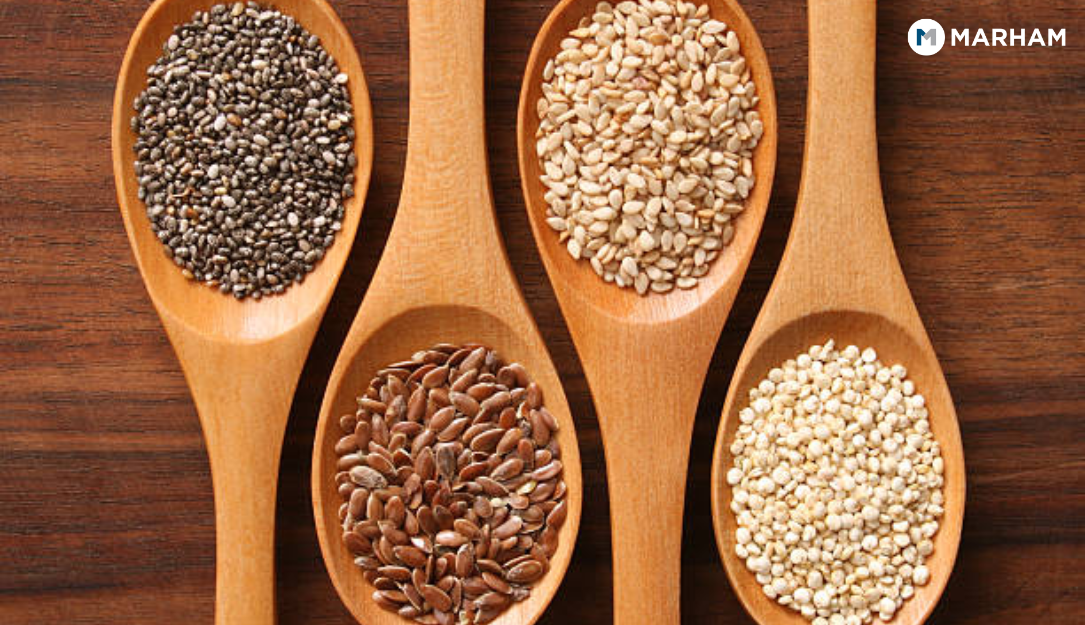
Are flax seeds chia seeds?
No, they’re different plants with different nutritional profiles, though both are healthy options.
Chia seeds vs flax seeds for weight loss:
Both work well. Flax seeds have more omega-3s, while chia seeds have more fiber. You can even use both together.
Which one to choose?
It depends on your specific health goals. Consider consulting a nutritionist for personalized advice.
When to Consult a Healthcare Professional
No doubt flax seeds are a healthy addition to most diets, but certain situations require professional guidance:
- If you have any chronic health conditions
- If you are taking medications (especially blood thinners)
- If you experience any unusual symptoms after consuming flax seeds
- For personalized nutritional advice based on your health goals
Need expert guidance on incorporating flax seeds into your diet? Book an appointment with experienced nutritionists through Marham. Get personalized meal plans, understand the right portions for your body type, and receive ongoing support for your health journey.
Conclusion
Flax seeds in Urdu (السی کے بیج) are a simple yet powerful addition to your daily diet. From heart health and weight management to hormonal balance and overall wellness, these tiny seeds offer real, science-backed benefits.
The key is consistency and proper preparation. Always grind them before use, start with small amounts, and drink plenty of water. Combined with a balanced diet and healthy lifestyle, flax seeds can be a valuable tool for better health.
Ready to try them? Start with just one tablespoon daily and give your body a few weeks to show results. Your future self will thank you.
Frequently Asked Questions
How to eat flax seeds for maximum benefits?
Always grind flax seeds before eating. Add 1-2 tablespoons to smoothies, yogurt, or drink with water. Whole flax seeds pass through your system undigested.
Can we eat flax seeds daily?
Yes, consuming 1-2 tablespoons of ground flax seeds daily is safe and beneficial for most people.
What are flax seeds benefits for females?
Flax seeds help balance hormones, may reduce menopausal symptoms, support fertility, and can help manage PCOS symptoms naturally.
How to use flax seeds for weight loss?
Consume 1 tablespoon of ground flax seeds with warm water 30 minutes before meals. The fiber helps you feel full and reduces overall calorie intake.
