




Quick Answer
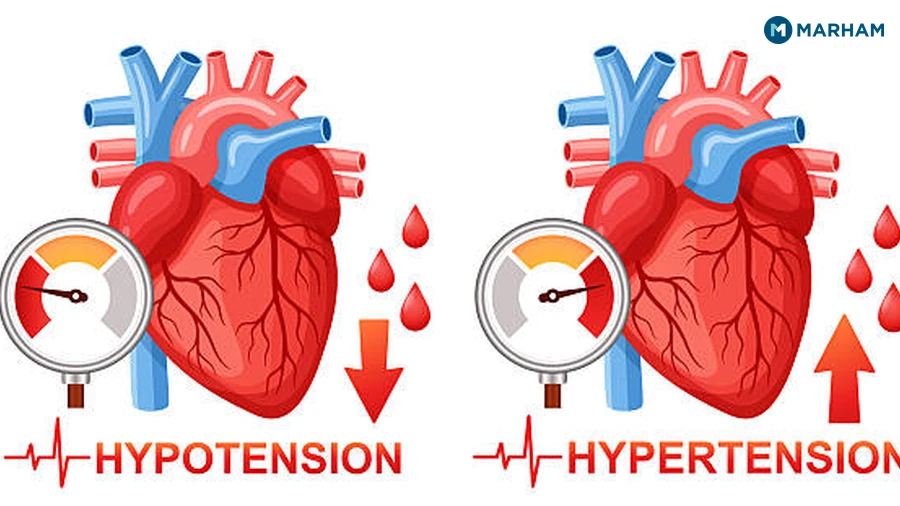
High blood pressure (hypertension) means the force of blood against your artery walls is consistently above 130/80 mmHg. Low blood pressure (hypotension) means it falls below 90/60 mmHg. Hypertension is generally the more serious long-term threat because it silently damages the heart, kidneys, and brain over years, often with no symptoms at all. Low blood pressure tends to cause more immediate, noticeable symptoms like dizziness and fainting, but is less likely to cause permanent organ damage unless it drops severely.
Blood pressure readings come up in almost every doctor’s visit in Pakistan, yet most people leave the clinic unsure what their numbers actually mean. Is a reading of 100/70 mmHg something to worry about? Is a headache really a sign of high blood pressure? The confusion is real, and it matters.
Pakistan carries one of the highest hypertension burdens in South Asia. According to a 2024 study published in the WHO Eastern Mediterranean Health Journal, reduced physical activity and psychological stress are key contributors to rising blood pressure in urban Pakistani populations. At the same time, a separate study from Aga Khan University Hospital, Karachi, found that a large number of Pakistani patients believe they suffer from low blood pressure when the actual cause of their symptoms is often dehydration, anxiety, or fatigue.
Both conditions deserve attention, but they work differently and carry different risks. Here’s what you need to know to tell them apart and act on it.
بلند اور کم بلڈ پریشر | High aur Low Blood Pressure
بلند بلڈ پریشر (ہائپرٹینشن) اور کم بلڈ پریشر (ہائپوٹینشن) دونوں مختلف طریقوں سے صحت کو متاثر کرتے ہیں۔ ہائپرٹینشن کو “خاموش قاتل” کہا جاتا ہے کیونکہ یہ اکثر بغیر کسی علامت کے دل، گردوں اور دماغ کو نقصان پہنچاتا ہے۔ کم بلڈ پریشر میں چکر آنا، کمزوری اور بے ہوشی جیسی علامات ہو سکتی ہیں۔ پاکستان میں بہت سے لوگ کمزوری اور چکر کو کم بلڈ پریشر سمجھ لیتے ہیں، جبکہ اصل وجہ اکثر پانی کی کمی یا تھکاوٹ ہوتی ہے۔ باقاعدہ بلڈ پریشر چیک کروانا اور ڈاکٹر سے مشورہ کرنا ضروری ہے۔
What Do the Numbers Mean? Normal Blood Pressure Range Explained
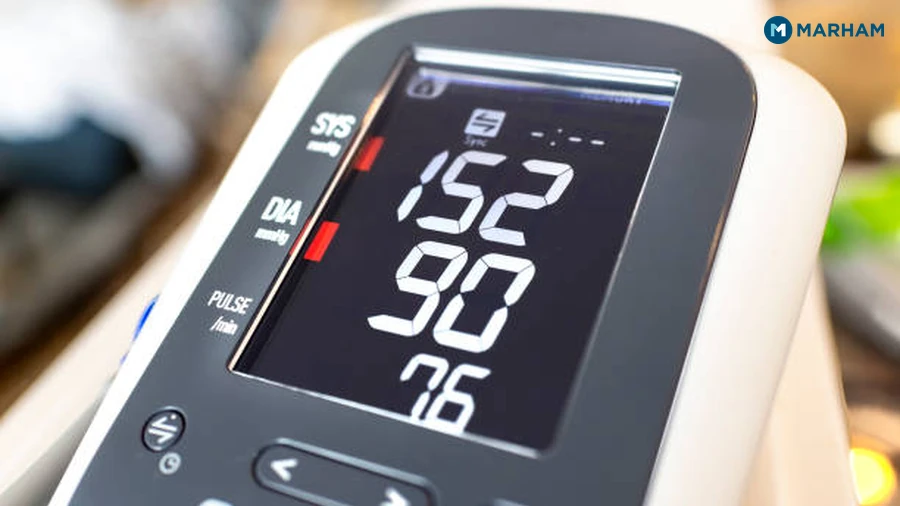
A blood pressure reading has two numbers. The top number (systolic) measures pressure when your heart beats. The bottom number (diastolic) measures pressure when your heart rests between beats. Normal blood pressure for most adults is below 120/80 mmHg, according to the American Heart Association.
Here’s how the ranges break down:
| Category | Systolic (mmHg) | Diastolic (mmHg) | What It Means |
|---|---|---|---|
| Normal | Below 120 | Below 80 | Healthy range |
| Elevated | 120 to 129 | Below 80 | Watch your lifestyle |
| Stage 1 Hypertension | 130 to 139 | 80 to 89 | Consult a doctor |
| Stage 2 Hypertension | 140 or above | 90 or above | Treatment usually needed |
| Hypotension (Low BP) | Below 90 | Below 60 | May cause symptoms |
| Hypertensive Crisis | Above 180 | Above 110 | Seek emergency care |
A single reading outside the normal range doesn’t confirm a diagnosis. Blood pressure fluctuates through the day based on activity, stress, and even the time you had your last cup of chai. A doctor looks at consistent patterns across multiple readings before making any clinical decision.
High Blood Pressure Symptoms: Why It’s Called the Silent Killer
Hypertension almost never causes symptoms in its early stages. Most people with high blood pressure feel completely fine, which is exactly what makes it dangerous over the long term.
When symptoms do appear, they tend to occur only at very high readings or during a hypertensive crisis (above 180/110 mmHg). These may include:
- Severe headache, often at the back of the head on waking
- Blurred or double vision
- Shortness of breath
- Nosebleeds
- Chest discomfort or tightness
- A pounding sensation in the chest or ears
A common misconception among Pakistani patients is that a regular headache or feeling of heat in the head means blood pressure is high. A 2024 community-based study conducted across outpatient departments in Karachi, published in Cureus, found that several such symptoms were equally common in people with normal blood pressure, suggesting these are not reliable indicators of hypertension. The only reliable way to know your blood pressure is to measure it with a BP apparatus.
If you notice any of the severe symptoms listed above, especially chest pain or sudden vision changes, that requires prompt medical attention. You can consult a cardiologist in Pakistan through Marham for a proper evaluation.
Low Blood Pressure Symptoms: When Dizziness Is a Real Warning Sign
Low blood pressure tends to announce itself more loudly than high blood pressure. When blood flow to the brain and organs drops, the body reacts quickly.
Common symptoms of hypotension include:
- Dizziness or lightheadedness, especially when standing up suddenly
- Fainting or near-fainting
- Blurred vision
- Fatigue and general weakness
- Nausea
- Cold, clammy skin
- Rapid or shallow breathing
One specific pattern worth knowing is orthostatic hypotension, a temporary drop in blood pressure that happens when you stand up quickly after sitting or lying down. It’s the reason many people in Pakistan feel momentarily dizzy when they get up fast from the floor after namaz. This is generally harmless if it resolves within a few seconds, but if it happens frequently or leads to fainting, it deserves medical review.
There’s also an important cultural nuance here. Research from Aga Khan University Hospital, Karachi, noted that many Pakistani patients attribute weakness, low mood, and body aches to “low blood pressure” and seek treatment accordingly, including saline drips and vitamin injections. In many of these cases, the actual blood pressure reading is normal. The underlying cause is often dehydration, anaemia, anxiety, or fatigue. Treating a misdiagnosed condition doesn’t help and can delay finding the real one.
If you’re experiencing frequent dizziness or fainting, especially during Ramadan fasting when dehydration is common, read more about low blood pressure while fasting and what actually causes it.
High Blood Pressure vs Low Blood Pressure: Key Risks Compared
The long-term risk profiles of these two conditions are very different. High blood pressure is consistently associated with more serious and permanent organ damage.
- Heart disease: Sustained hypertension forces the heart to work harder, thickening the heart muscle and raising the risk of heart failure and coronary artery disease.
- Stroke: High blood pressure is one of the leading modifiable risk factors for stroke. Low blood pressure, if severe, can also reduce blood flow to the brain and contribute to stroke, though this is less common.
- Kidney damage: Hypertension damages the small blood vessels in the kidneys over time, reducing their ability to filter waste.
- Eye damage: Persistently high BP can damage the blood vessels in the retina, leading to vision problems.
- Falls and injury: Low blood pressure raises the risk of falls, particularly in older adults, due to fainting and dizziness.
- Shock: Severely low blood pressure can reduce blood flow to vital organs and become life-threatening if not treated promptly.
Hypertension is the greater long-term threat for most Pakistani adults, particularly those over 40, with a family history of heart disease, or those who eat a high-salt diet (which describes a lot of traditional Pakistani cooking, including heavily salted salan, achaar, and processed snacks). According to the World Health Organization, raised blood pressure is a leading cause of premature death globally, with the burden falling disproportionately on low and middle-income countries like Pakistan.
What Causes High and Low Blood Pressure in Pakistani Adults?
Understanding the cause matters because it shapes the treatment. Both conditions have overlapping and distinct triggers.
Common causes of high blood pressure:
- High dietary salt intake, a real concern in Pakistani diets heavy on pickles, papadums, and processed foods
- Physical inactivity and a sedentary lifestyle
- Obesity, which is rising sharply in urban Pakistan
- Chronic stress and poor sleep
- Family history (genetics plays a significant role)
- Smoking and tobacco use
- Underlying conditions like diabetes or kidney disease
Common causes of low blood pressure:
- Dehydration, especially in Karachi’s summer heat when temperatures exceed 40°C
- Prolonged standing or sudden position changes
- Nutritional deficiencies, including low iron or vitamin B12
- Certain medications, including some antidepressants and antihypertensives
- Heart conditions or hormonal imbalances
- Severe infection or blood loss
Young women in Pakistan, particularly those who skip meals or fast without adequate hydration, are especially prone to symptomatic low blood pressure. Energy drink dependency in young men, on the other hand, is an emerging driver of elevated blood pressure in urban Pakistan. Read more about high blood pressure in your 20s and how energy drink habits contribute to it.
How to Check Your Blood Pressure at Home
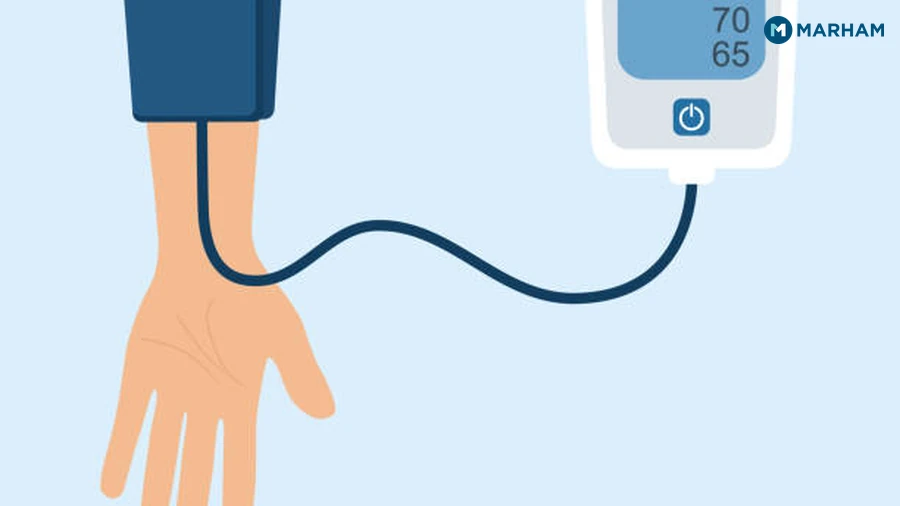
A digital BP monitor (available at pharmacies across Lahore, Karachi, and Islamabad for roughly PKR 2,500 to 6,000) is one of the most useful health tools a Pakistani household can own. Using it correctly matters.
- Sit quietly for five minutes before measuring. Don’t take a reading right after walking or climbing stairs.
- Sit with your back supported and your feet flat on the floor. Avoid crossing your legs.
- Rest your arm at heart level on a table. In Pakistan, many people hold the monitor in their lap, which gives falsely high readings.
- Take the reading on your left arm unless your doctor advises otherwise. Avoid measuring over thick clothing.
- Take two readings, two minutes apart, and record both. Use the average. Single readings are often misleading.
- Measure at the same time each day, ideally morning and evening, to track a pattern. Blood pressure is naturally lower in the morning and rises through the day.
- Log your readings in a notebook or phone app and bring them to your next appointment. A cardiologist or general physician can only make sense of a pattern, not a single number.
When to See a Doctor for Blood Pressure Problems
Not every abnormal reading needs an emergency visit, but some situations do. If your reading is consistently above 140/90 mmHg across multiple home measurements taken over several days, schedule a consultation. If it reads above 180/110 mmHg, especially alongside chest pain, severe headache, or vision changes, go to an emergency department without delay.
For low blood pressure, frequent fainting, dizziness that doesn’t resolve quickly, or a reading below 90/60 mmHg with symptoms warrants medical review. A cardiologist in Pakistan can order the right tests to find the underlying cause, whether it’s a heart rhythm issue, a hormonal problem, or a medication side effect.
If your blood pressure readings are consistently outside the normal range, or you’re unsure what your numbers mean, speaking to a specialist is the right next step. Marham connects you with verified cardiologists and general physicians across Pakistan who consult online, so you don’t need to wait weeks for a clinic appointment.
Frequently Asked Questions
Which is more dangerous, high blood pressure or low blood pressure?
High blood pressure is generally more dangerous over the long term. It silently damages the heart, kidneys, and brain over years, often without any symptoms. Low blood pressure can be serious if it drops suddenly or severely, but it’s less likely to cause permanent organ damage in most people.
What are the warning signs of dangerously low blood pressure?
Warning signs include fainting, severe dizziness when standing, cold and clammy skin, rapid shallow breathing, and confusion. These suggest blood flow to vital organs may be compromised and need prompt medical attention.
Can you have both high and low blood pressure?
Yes, it’s possible to experience fluctuations where your blood pressure is high at some times and low at others. This can happen due to certain medications, autonomic nervous system disorders, or dehydration. A doctor can help identify the pattern and cause.
Is dizziness always a sign of low blood pressure?
No. Dizziness has many causes, including dehydration, anaemia, anxiety, ear problems, and low blood sugar. In Pakistan, many people assume dizziness means low blood pressure, but a BP reading is the only way to confirm it. Don’t treat without measuring first.
What is the best time to check blood pressure at home?
Morning (before eating or taking medication) and evening are the most useful times. Take two readings on each occasion and record the average. Avoid measuring right after exercise, a heavy meal, or a cup of chai, as these temporarily affect the reading.
Can high BP in your 20s or 30s be reversed?
Early-stage hypertension in younger adults can often be managed effectively with lifestyle changes: reducing salt, increasing physical activity, losing excess weight, and cutting tobacco. Whether medication is needed depends on the severity and underlying cause, which your doctor will assess.
When should I see a doctor about my blood pressure?
See a doctor if your readings are consistently above 140/90 mmHg, if you experience frequent dizziness or fainting, or if a reading ever exceeds 180/110 mmHg. A cardiologist or general physician can assess whether treatment or further investigation is needed.
Conclusion
High blood pressure and low blood pressure are not two sides of the same coin. Hypertension is the quieter, slower threat that builds organ damage over years without announcing itself, while hypotension tends to make its presence known through dizziness and fatigue but is often less harmful in the long run. For Pakistani adults, the practical takeaways are straightforward: own a BP monitor, measure regularly, don’t self-diagnose based on symptoms alone, and consult a doctor when readings are consistently outside the normal range. Your blood pressure numbers are one of the most informative things you can know about your own health.
This article is for informational purposes only and does not constitute medical advice. Always consult a qualified healthcare professional for diagnosis and treatment.


