


Tossing, turning, sweating through your sheets, and waking up exhausted — poor sleep in summer heat is something nearly every Pakistani deals with between May and September. When nighttime temperatures refuse to drop below 30°C and load-shedding kills the fan or AC, getting quality sleep feels impossible. Yet sleep is not a luxury — it is a biological necessity. Chronic sleep deprivation weakens your immune system, impairs concentration, raises blood pressure, and increases the risk of accidents. This guide shares 12 science-backed strategies to help you sleep better in Pakistani summer heat, even without 24/7 electricity.
The National Sleep Foundation recommends a bedroom temperature of 15–19°C for optimal sleep [Source: National Sleep Foundation, 2023]. In Pakistani summers, bedroom temperatures often exceed 35°C at night — more than double the ideal range.
Why Heat Ruins Your Sleep
Your body’s core temperature naturally drops by about 1°C as you prepare for sleep. This drop signals the brain to release melatonin, the sleep hormone. When the room is hot, your body cannot cool down, melatonin production is delayed, and you spend more time in light sleep stages instead of deep, restorative sleep.
In addition, sweating disrupts sleep by causing discomfort, itching, and frequent waking. Humidity makes it worse — sweat cannot evaporate efficiently in humid air, so your body stays hot even when it is trying to cool itself.
12 Tips to Sleep Better in Summer
1. Use Cotton Bedding Only
Swap polyester and blended sheets for 100% cotton. Cotton is breathable, absorbs sweat, and allows air to circulate around your body. A light cotton chaddar is better than a thick comforter, even if you use AC.
2. Take a Lukewarm Shower Before Bed
A lukewarm (not cold) shower 60–90 minutes before bed is one of the most effective cooling strategies. It dilates blood vessels near the skin surface, allowing heat to escape. Counterintuitively, a cold shower causes your body to generate heat afterward, making you feel hotter in bed.
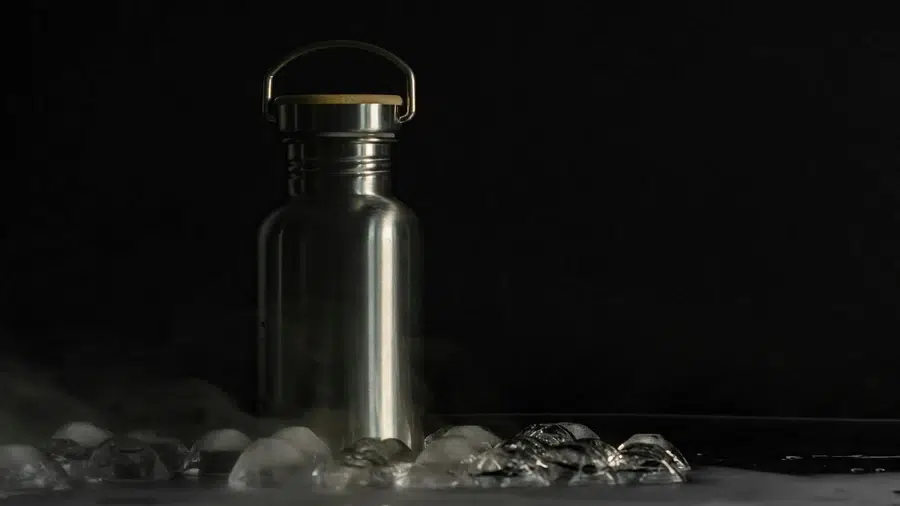
3. Freeze Your Water Bottle
Fill a regular water bottle, freeze it, and place it at your feet or next to your pillow. It acts as a personal cooling device without electricity. Wrap it in a thin cloth to prevent skin irritation.
4. Use a Wet Towel Technique
Hang a damp towel in front of a fan or open window. As air passes through the wet fabric, it cools down — a low-cost evaporative cooling method. You can also lightly dampen your bedsheet before lying down.
5. Sleep Low
Hot air rises. If load-shedding hits, sleep on a lower surface — a mat on the floor, a low charpai, or the ground floor of the house. The temperature difference between the floor and the bed can be 2–3°C.
6. Limit Screen Time Before Bed
Phone and laptop screens emit blue light that suppresses melatonin. In summer, your melatonin production is already delayed by heat. Adding screen exposure makes it worse. Put screens away 30–60 minutes before your target sleep time.
7. Eat Light at Dinner
Heavy meals raise your core body temperature through digestion. Eat dinner at least 2–3 hours before bed and choose light options — daal, salad, yogurt, grilled chicken — instead of biryani or nihari.
8. Hydrate, But Not Too Late
Drink water throughout the evening but taper off 1–2 hours before bed to avoid waking up for bathroom trips. Dehydration disrupts sleep, but so does a full bladder.
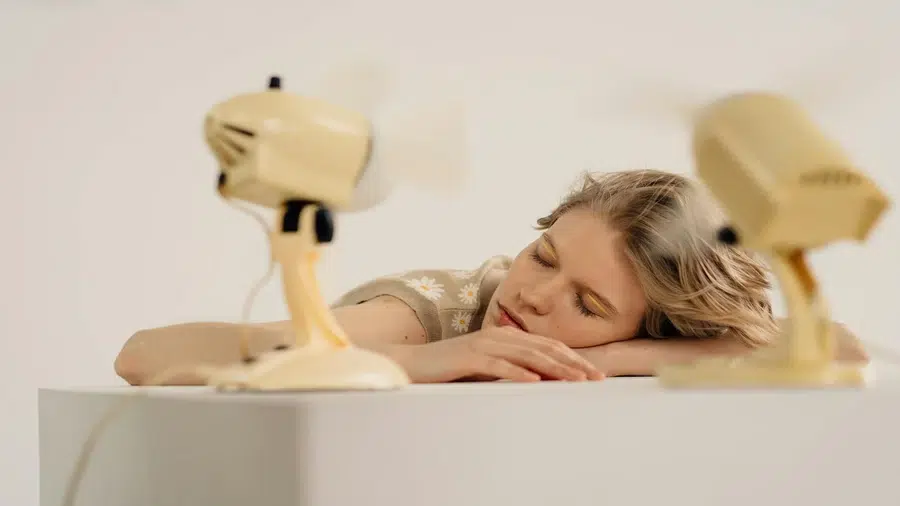
9. Use a Fan Strategically
Point the fan toward your body, not the ceiling. Place a bowl of ice in front of the fan to create a DIY cool breeze. If you have a ceiling fan, set it to rotate counterclockwise to push air downward.
10. Wear Minimal, Loose Clothing
Loose cotton shorts and a sleeveless shirt allow maximum airflow. Tight clothing traps heat and sweat against the skin. Some people sleep better with no clothing at all — the key is whatever allows your body to release heat.
11. Block Sunlight During the Day
Rooms that absorb sunlight all day radiate heat at night. Close curtains or blinds during peak sun hours (10 a.m.–4 p.m.) to prevent your bedroom from becoming a heat trap. Reflective or blackout curtains are especially effective.
12. Maintain a Consistent Sleep Schedule
Go to bed and wake up at the same time every day — even on weekends. A consistent schedule strengthens your circadian rhythm, making it easier to fall asleep even when conditions are not perfect. The body adapts remarkably well to routine.
Load-Shedding Sleep Survival Kit
- A rechargeable portable fan (widely available in Pakistani markets)
- A frozen water bottle wrapped in cloth
- A spray bottle filled with cold water for misting your face and arms
- A cotton floor mat or charpai on the ground floor or rooftop (if safe)
- Mosquito net or repellent — essential if sleeping with windows open
- Earplugs if you are moving to a noisier room for better airflow
When Poor Sleep Needs Medical Attention
If you are sleeping less than 5 hours a night consistently, waking up exhausted despite adequate opportunity to sleep, or if heat-related insomnia is affecting your work, mood, or health, it may be more than just the weather. Chronic insomnia, sleep apnea, and anxiety disorders all worsen in summer.
- Insomnia lasting more than 3 weeks despite good sleep habits
- Loud snoring with daytime fatigue (possible sleep apnea)
- Racing thoughts or anxiety that prevent sleep
- Dependence on sleeping pills
book an online consultation with a sleep specialist or general physician on Marham if your sleep quality is consistently poor — the underlying cause may be treatable.
Frequently Asked Questions
Is sleeping with the AC on all night bad for health?
No, if maintained properly. Set the AC between 24–26°C (not below 20°C), clean the filters regularly, and keep a glass of water nearby since AC dries the air. Extremely cold AC settings can cause morning stiffness, sore throat, and dry eyes.
Does sleeping on the rooftop help?
Rooftops are often cooler at night due to open-sky radiation cooling. However, use mosquito protection, ensure safety railings are present, and avoid rooftops during storms or high winds.
Can I take melatonin supplements in summer?
Melatonin supplements are generally safe for short-term use but should not be a long-term solution. Consult your doctor before starting, especially if you take other medications.
Why do I feel more tired in summer even after sleeping?
Heat reduces deep sleep stages. Even if you sleep 7–8 hours, poor sleep quality means your body does not fully recover. Following the tips above improves sleep depth, not just duration.
Sleep Is Not Optional
Good sleep protects your heart, brain, immunity, and mood. Pakistani summers make it harder, but not impossible. Use cotton bedding, cool your body before bed, eat light, and create the best sleeping environment your resources allow. Your health depends on it.


