


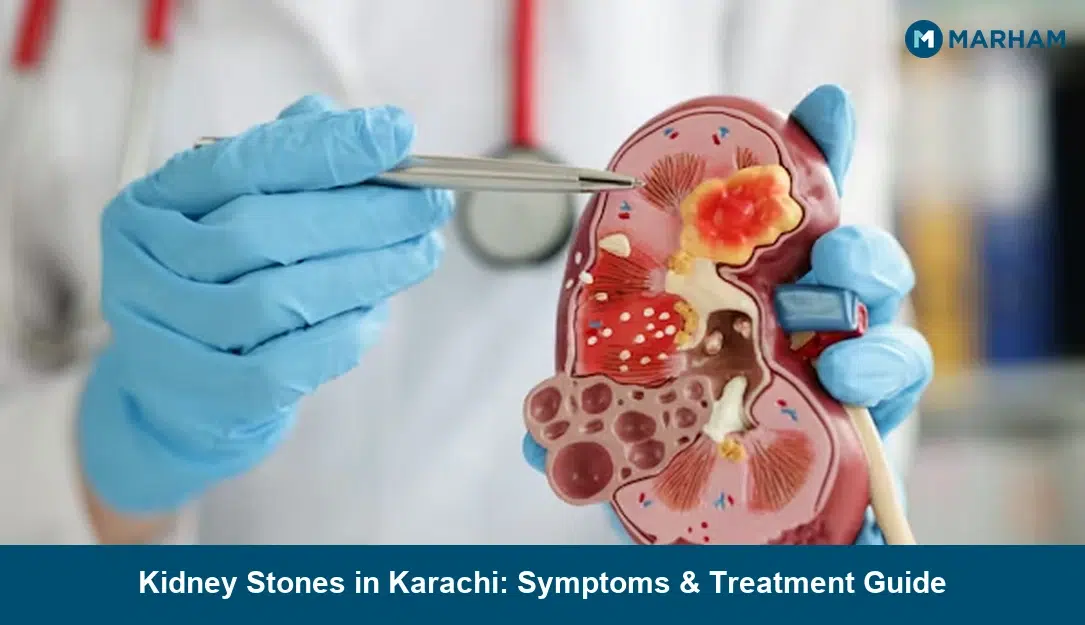

Kidney stones are one of the most common urological problems seen in Pakistan, and Karachi’s heat and humidity make the city particularly prone to cases. The condition forms when minerals and salts concentrate in the urine and crystallize inside the kidneys — a process that can go unnoticed for months or cause sudden, intense pain once a stone begins to move.
Urologists across Karachi report a steady rise in patients presenting with renal colic, especially during the summer months when dehydration is common. A review published in the Annals of Medicine and Surgery (2022) identified dehydration and dietary imbalance — including high salt and animal protein intake — as major risk factors in Pakistani populations. Given that our daily diet often includes generous amounts of salty foods and red meat, this is not surprising.
Understanding what kidney stones feel like, what triggers them, and when to seek a specialist can save you from a painful emergency visit. The sections below walk through the essentials in plain terms.
گردے کی پتھری: اہم نکات
گردے کی پتھری پاکستان میں ایک عام مسئلہ ہے جو خاص طور پر کراچی جیسے گرم شہروں میں زیادہ دیکھا جاتا ہے۔ یہ اس وقت بنتی ہے جب پیشاب میں موجود معدنیات اور نمکیات گاڑھے ہو کر کرسٹل کی شکل اختیار کر لیتے ہیں۔ چھوٹی پتھریاں اکثر خود بخود نکل جاتی ہیں، جبکہ بڑی پتھریوں کے لیے طبی علاج ضروری ہو سکتا ہے۔ علامات میں پیٹھ یا پہلو میں شدید درد، پیشاب میں خون، متلی اور پیشاب کرتے وقت جلن شامل ہیں۔ بروقت یورولوجسٹ سے مشورہ گردے کو نقصان سے بچا سکتا ہے۔
What Are Kidney Stones and Why Are They Common in Pakistan?
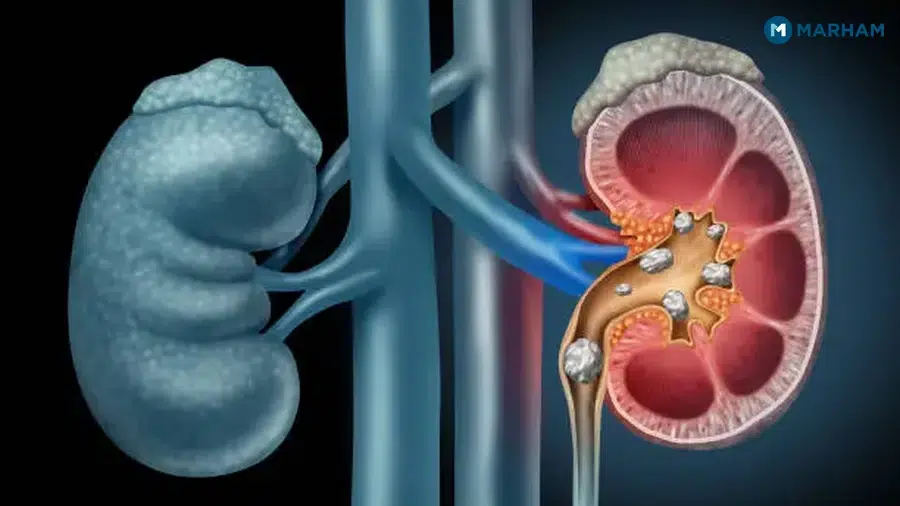
Kidney stones are hard deposits of minerals and salts that form inside the kidneys when urine becomes too concentrated. They can range in size from a tiny grain of sand to a larger mass that blocks the urinary tract. According to the National Institute of Diabetes and Digestive and Kidney Diseases (NIDDK), the most common minerals involved are calcium, oxalate, uric acid, and phosphate.
In Pakistan, the combination of hot weather, low daily water intake, and a diet rich in salt and animal protein creates conditions where stone formation is more likely. Calcium oxalate stones are the most common type, but uric acid stones are also frequently seen — particularly in people who consume high-protein diets or have gout.
For Pakistani patients managing kidney disease, understanding the difference between stone types matters because each type responds to a different prevention strategy.
Symptoms of Kidney Stones: What to Watch For
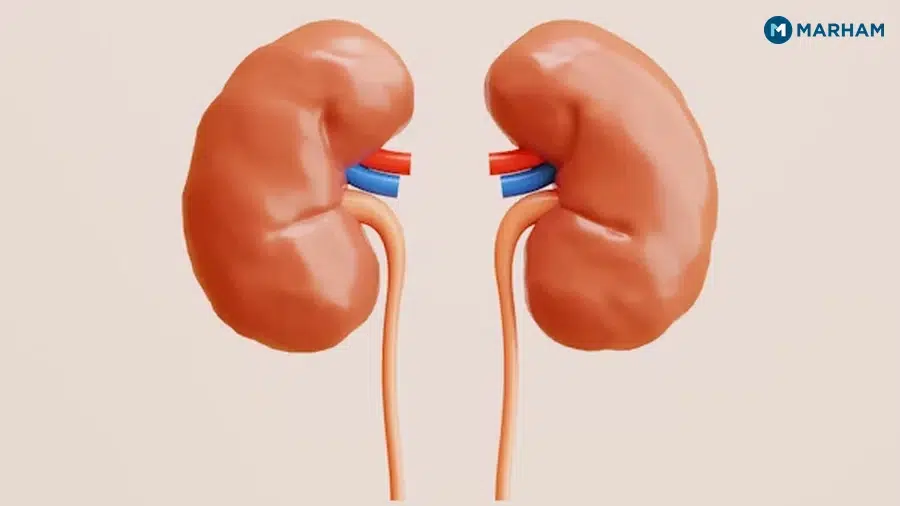
Not every kidney stone causes symptoms. Small stones may pass through the urinary tract without any noticeable discomfort. However, once a stone begins to move or becomes lodged in the ureter — the tube connecting the kidney to the bladder — the pain can be sudden and severe.
Common symptoms include:
- Sharp, cramping pain in the lower back, side, or abdomen that may come in waves
- Pain or burning sensation during urination
- Blood in the urine (which may appear pink, red, or brownish)
- Nausea and vomiting alongside the pain
- A frequent or urgent need to urinate
- Cloudy or foul-smelling urine
It is worth noting that fever and chills alongside these symptoms may indicate a urinary tract infection related to the stone — a situation that needs prompt medical attention. Pain alone, without fever, is more typical of an uncomplicated stone passing through the ureter.
Causes and Risk Factors for Kidney Stones in Pakistan
Kidney stones form when urine contains higher concentrations of crystal-forming substances than the available fluid can dilute. Several factors raise that risk for Pakistani patients specifically.
Dehydration is the single most modifiable risk factor. In Karachi’s summer heat, many people — particularly those working outdoors or fasting during Ramadan — do not drink enough water to keep urine diluted. A high-salt diet, common in Pakistani cuisine, raises calcium levels in the urine and promotes stone formation. Diets heavy in red meat and organ meats raise uric acid levels, while spinach, nuts, and certain pulses are high in oxalate.
Other contributing factors include a family history of kidney stones, obesity, and certain metabolic conditions such as hyperparathyroidism. According to the American Urological Association (AUA), people who have had one kidney stone have a significantly higher chance of developing another within five to seven years without preventive measures.
How Are Kidney Stones Diagnosed?
A urologist will typically begin with a clinical history and physical examination, then confirm the diagnosis with imaging. The standard diagnostic tools include:
| Test | What It Shows | Typical Availability in Pakistan |
|---|---|---|
| Ultrasound | Stone location and kidney swelling | Widely available in Karachi |
| CT scan (non-contrast) | Most accurate for size and position | Available at major hospitals |
| Urine analysis | Crystals, blood, infection markers | Available at most labs |
| Blood tests | Calcium, uric acid, kidney function | Available at most labs |
A non-contrast CT scan of the abdomen and pelvis is considered the most accurate imaging test for kidney stones per NIDDK guidelines, though an ultrasound is often the first step in Pakistan given its wider availability and lower cost.
Treatment Options for Kidney Stones
Treatment depends on the size, location, and type of the stone, as well as whether it is causing obstruction or infection.
Small stones (generally under 5 mm) often pass on their own with adequate hydration. A doctor may prescribe medication to relax the muscles of the ureter and ease the stone’s passage. Pain relief is managed with appropriate analgesics under medical supervision.
Larger stones or those causing blockage require intervention. The main procedures used by urologists in Pakistan include:
- Extracorporeal Shock Wave Lithotripsy (ESWL): Sound waves are directed at the stone from outside the body, breaking it into smaller fragments that can pass in urine. It is non-invasive and does not require an incision.
- Ureteroscopy (URS): A thin, flexible scope is passed through the urethra and bladder into the ureter or kidney. Stones are either removed directly or broken up with laser energy.
- Percutaneous Nephrolithotomy (PCNL): A small puncture is made in the back to reach the kidney directly. This is typically reserved for larger stones (generally over 2 cm) or stones that have not responded to other methods.
- Medical expulsive therapy: Certain medications, including alpha-blockers, may be prescribed to help smaller stones pass more easily — a decision made by the treating urologist based on stone size and position.
- Preventive medication: After a stone is treated, a urologist may prescribe medications to reduce the risk of recurrence, depending on the stone’s chemical composition.
Urologists in Karachi who specialise in endo-urology are experienced with all three minimally invasive procedures, and most major hospitals in the city now offer laser-assisted ureteroscopy.
When to See a Urologist for Kidney Stones
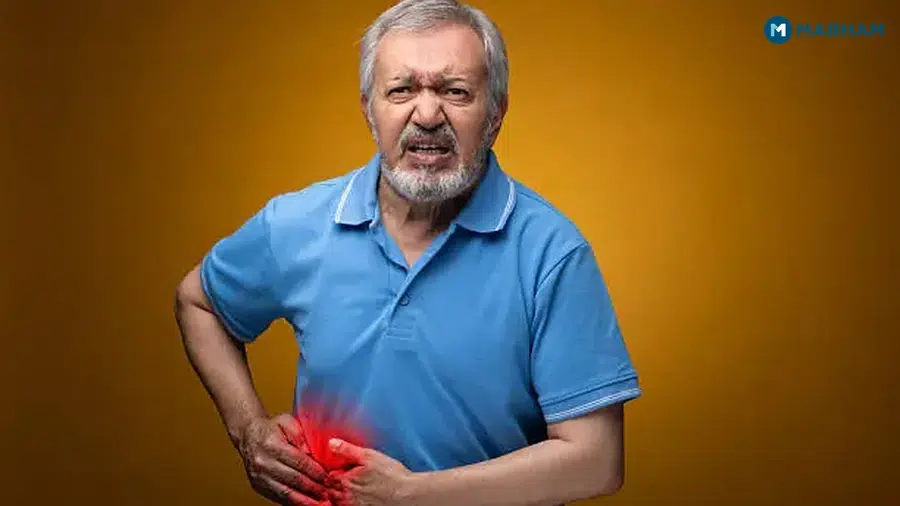
Some symptoms should not be managed at home. Seek specialist care promptly if you experience severe or worsening pain that does not settle, blood in the urine, fever with chills, or difficulty passing urine. These signs may indicate a stone causing obstruction or a secondary infection — both of which require timely medical attention.
Even without acute symptoms, a first-time episode of kidney stones deserves a full urological evaluation. A urologist in Pakistan — specifically a urologist — can assess the stone’s composition, identify underlying metabolic causes, and recommend a personalised prevention plan to reduce the chance of recurrence.
How to Prevent Kidney Stones from Coming Back
Prevention is a key part of kidney stone management. The following steps are clinically supported and particularly relevant for Pakistani patients:
- Drink enough water daily. Aim to produce pale, straw-coloured urine throughout the day. In Karachi’s heat, this may mean drinking 2.5 to 3 litres or more.
- Reduce salt intake. Cutting back on high-sodium foods — including packaged snacks, pickles, and heavily salted daal — lowers calcium excretion in urine.
- Moderate animal protein. Limiting red meat and organ meats helps keep uric acid levels in check.
- Follow your doctor’s dietary advice for your stone type. Calcium oxalate stones and uric acid stones have different dietary triggers — a urologist or nutritionist can guide you based on your stone analysis.
- Attend follow-up appointments. Periodic imaging can detect new stone formation early, before symptoms develop.
Consult a Urologist on Marham
If you have been experiencing flank pain, blood in the urine, or a recent diagnosis of kidney stones, speaking with a specialist is the right next step. Asst. Prof. Dr. Tanveer Ahmed is a urologist based in Karachi who sees patients with kidney stones and related urological conditions. You can Book an appointment with Asst. Prof. Dr. Tanveer Ahmed through Marham to discuss your symptoms, review your imaging, and plan appropriate management.
Marham also allows you to browse and compare urologists in Pakistan based on location, fee, and availability — making it straightforward to find specialist care without long waits or unnecessary referrals. Online consultations are available for follow-up queries and dietary guidance after initial treatment.
Frequently Asked Questions
Can kidney stones be treated without surgery?
Yes, many kidney stones do not require surgery. Small stones — generally under 5 mm — often pass on their own with adequate hydration and, in some cases, medication to relax the ureter. Larger stones or those causing obstruction may need minimally invasive procedures such as ESWL or ureteroscopy, which are not traditional open surgeries. Your urologist will recommend the most appropriate option based on stone size, location, and your symptoms.
What are the early symptoms of kidney stones?
Early symptoms often include a dull ache in the lower back or side that may come and go. As the stone moves into the ureter, the pain typically becomes sharper and more intense, often accompanied by nausea, blood in the urine, or a burning sensation during urination. Some small stones cause no symptoms at all and are discovered incidentally on imaging done for another reason.
What causes kidney stones in Pakistani patients?
The most common triggers in Pakistan are chronic dehydration, a diet high in salt and animal protein, and hot climate conditions — particularly in cities like Karachi. Metabolic factors such as high uric acid levels, family history, and certain medical conditions also raise the risk. A urologist can order a metabolic evaluation to identify the specific cause in your case.
How long does it take to pass a kidney stone naturally?
This varies depending on stone size and location. According to clinical guidance, a stone smaller than 4 mm may pass within one to two weeks, while a stone between 4 and 6 mm may take two to three weeks or longer. Stones larger than 6 mm are less likely to pass on their own and may require intervention. A urologist can advise based on your specific imaging results.
When should I book an appointment with a urologist for kidney stones?
You should see a urologist if you experience severe pain in the back or abdomen, blood in the urine, fever with urinary symptoms, or difficulty urinating. Even after a stone passes on its own, a urological consultation is recommended to investigate why it formed and to reduce the risk of recurrence. You can Book an appointment with Asst. Prof. Dr. Tanveer Ahmed on Marham for an in-clinic or online consultation in Karachi.
Conclusion
Kidney stones are painful but manageable, and most people — with the right diagnosis and guidance — do well with treatment. For Pakistani patients, staying well-hydrated, moderating salt and protein intake, and getting a proper metabolic evaluation after a first episode are the most practical steps toward long-term prevention. If symptoms arise or recur, a timely consultation with a qualified urologist makes a real difference in outcomes.


