




Loose motions hit fast in Pakistan, especially during the summer months when temperatures in Lahore and Karachi push past 40°C and waterborne infections spread quickly. Before you can get to a pharmacy, or when it’s midnight and the nearest medical store is closed, knowing how to prepare ORS at home can make a real difference.
ORS stands for Oral Rehydration Solution, a precisely measured mix of water, sugar, and salt that helps the body absorb fluids back into the bloodstream. It’s not a cure for the underlying infection, but it prevents the dehydration that makes diarrhea and vomiting dangerous. Dehydration from diarrhea can be prevented or treated simply, effectively, and cheaply in all age groups by giving patients an adequate glucose-electrolyte solution called Oral Rehydration Salts solution.
The recipe takes under two minutes. Getting the measurements right, though, is what separates a safe solution from a harmful one.
ORS گھر پر بنانے کا طریقہ
اورل ری ہائیڈریشن سولیوشن (ORS) یعنی نمک پانی کا گھول اسہال اور قے کی صورت میں جسم میں پانی اور نمکیات کی کمی کو پورا کرتا ہے۔ گھر پر ORS بنانے کے لیے ایک لیٹر ابلا ہوا اور ٹھنڈا کیا ہوا پانی لیں، اس میں آدھا چھوٹا چمچ نمک اور چھ چھوٹے چمچ چینی ڈال کر اچھی طرح ملائیں۔ یہ نسخہ عالمی ادارہ صحت (WHO) کی سفارشات کے مطابق ہے اور پاکستان میں بچوں اور بڑوں دونوں کے لیے محفوظ ہے۔ تیار محلول کو بارہ گھنٹے کے اندر استعمال کریں اور اگر حالت بگڑے تو فوری طور پر ڈاکٹر سے رجوع کریں۔
What Is ORS and Why Does It Work?
ORS works because of a specific biological mechanism called sodium-glucose co-transport. The glucose in ORS helps the body absorb sodium, and in turn, water follows sodium into the cells, quickly replenishing lost fluids. Plain water alone can’t replicate this because it lacks the sodium-glucose pairing that drives absorption in the gut wall.
This is also why giving a child only plain water during diarrhea is not enough. The body needs both the sugar and the salt together, in the right ratio, to actually pull fluids back in.
How to Make ORS at Home: Step-by-Step
The WHO-recommended homemade ORS recipe uses three ingredients you almost certainly have in your kitchen right now.
Ingredients (makes 1 litre):
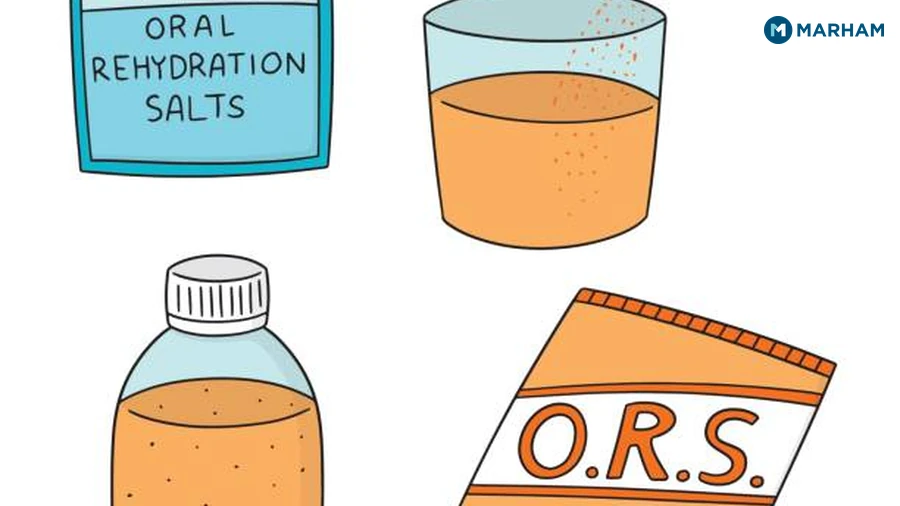
- 1 litre of clean water (boiled and cooled)
- ½ level teaspoon of common salt (table salt / namak)
- 6 level teaspoons of white sugar (cheeni)
Steps:
- Wash your hands thoroughly with soap and water before you begin.
- Boil tap water for at least one minute and let it cool to room temperature. In cities like Karachi and Lahore where tap water quality is unreliable, boiling is non-negotiable, not optional.
- Measure exactly ½ teaspoon of salt. Use a standard 5ml teaspoon and level it off with a knife. Too much salt is the most common and most dangerous mistake.
- Measure exactly 6 level teaspoons of sugar. Do not heap the teaspoon.
- Add both to the cooled, boiled water and stir until fully dissolved.
- Taste it. It should be slightly salty, like mild tears. If it tastes very salty, discard it and start again. An overly salty solution can worsen dehydration.
- Store in a covered, clean container. Use within 12 hours if kept at room temperature, or within 24 hours if refrigerated.
> The measurement rule: Never guess. A pinch of salt instead of a measured half-teaspoon can mean the difference between a safe solution and one that causes salt toxicity, particularly in young children.
ORS Dosage by Age: How Much to Give
Giving the right amount matters as much as making it correctly.
| Age Group | Amount After Each Loose Stool |
|---|---|
| Infants under 1 year | 100 to 200 ml (half a cup) |
| Children 1 to 5 years | 200 ml (one full cup) |
| Children over 5 years | 300 ml (one and a half cups) |
| Adults | As much as tolerated; aim for 2 to 3 litres per day |
For infants and young children, give small sips every few minutes rather than a large amount at once. A teaspoon every minute is easier for a sick child to keep down than a full cup in one go.
Pakistani Variations of Homemade ORS
The standard salt-sugar-water recipe is the safest and most reliable option. A few local additions are acceptable and can make the drink more palatable, especially for children.
- Nimbu (lemon) ORS: A few drops of fresh lemon juice improve the taste without affecting the electrolyte balance. This is a common household adjustment across Pakistan and is generally fine.
- Rice water ORS: Boil half a cup of plain chawal (rice) in one litre of water, strain the starchy water, then add the same half-teaspoon of salt. Rice water can be used instead of regular water to prepare the ORS. The starch may slightly reduce stool output in children.
- Coconut water: Nariyal pani has natural electrolytes and can be used as a base, though it’s less widely available and more expensive than the basic recipe.
One thing to avoid: do not substitute honey for sugar in infants under one year old. Honey carries a risk of botulism in babies.
Who Should Be Careful with Homemade ORS
Homemade ORS is safe for most people, but a few groups need extra caution.
- People with diabetes: The sugar in ORS raises blood glucose. Diabetics should consult a doctor before consuming ORS due to its sugar content. A nutritionist in Pakistan can advise on safer hydration alternatives for diabetic patients managing loose motions.
- Infants under 6 months: ORS is appropriate, but dosage must be guided by a doctor. Never give plain water as the sole fluid to a very young infant with diarrhea.
- People on kidney disease medication or those with heart conditions: Sodium intake needs to be monitored. Consult a doctor before relying on homemade ORS.
- Severe vomiting: Seek medical attention if the person is unable to drink ORS due to vomiting.
Also read: Water drinking mistakes Pakistanis make daily
When to Stop Using Home ORS and See a Doctor
Homemade ORS manages mild to moderate dehydration. It’s not a substitute for medical care when the situation is more serious.
See a doctor promptly if:
- Diarrhea continues for more than 3 days in adults or more than 24 hours in a child under 2
- There is blood or mucus in the stool
- The person has a high fever alongside diarrhea
- Signs of severe dehydration appear: no urination for 6 or more hours, sunken eyes, dry mouth, extreme weakness, or a child who is not producing tears while crying
- The person cannot keep ORS down due to persistent vomiting
Severe dehydration is a medical emergency. In Pakistan, diarrheal disease remains a leading cause of illness in children under five, and delayed treatment is the main reason mild cases turn serious. A gastroenterologist in Pakistan can assess whether an underlying infection requires treatment beyond rehydration.
Get Rehydration Advice from Marham
When a child or family member keeps getting loose motions or dehydration episodes recur, it’s worth speaking to a specialist rather than managing it at home each time. Recurring diarrhea in Pakistan is often linked to contaminated water, food hygiene issues, or an underlying gut condition that a single ORS batch won’t resolve.
Marham connects you with verified gastroenterologists in Pakistan who consult online from anywhere in the country. A short online consultation typically takes 15 to 20 minutes and can help identify whether the episodes need investigation, a dietary change, or simply better hydration habits at home.
Frequently Asked Questions
What is ORS called in Urdu?
ORS is commonly called نمک پانی کا گھول (namak pani ka ghol) in Urdu, which literally means salt-water solution. It may also be referred to as اورل ری ہائیڈریشن سولیوشن in formal health contexts.
Can I give ORS at night?
Yes, ORS can and should be given at any time, including at night. Dehydration does not pause, and withholding ORS overnight can allow mild dehydration to worsen by morning.
Is homemade ORS as effective as sachets from the pharmacy?
The homemade salt-sugar-water recipe is effective for mild to moderate dehydration when measured correctly. Pharmacy sachets like Pedialyte or local ORS brands are more precisely formulated and are preferable when available, especially for young children.
Can a diabetic person drink ORS?
Diabetics should consult their doctor first because ORS contains sugar that can raise blood glucose levels. A doctor may recommend a lower-sugar rehydration option or adjust the recipe.
How long can I keep homemade ORS?
Homemade ORS should be used within 12 hours at room temperature or within 24 hours if kept in a covered container in the refrigerator. Discard any leftover solution after that and make a fresh batch.
Can ORS be given for vomiting as well as diarrhea?
Yes. ORS helps replace fluids lost through vomiting too. Give small sips every few minutes rather than large amounts at once. If vomiting is severe and the person cannot keep any fluid down, seek medical care rather than continuing ORS at home.
What is the ORS full form?
ORS stands for Oral Rehydration Solution (or Oral Rehydration Salts). It refers to the water, sugar, and salt mixture used to treat dehydration from diarrhea, vomiting, or excessive sweating.
Conclusion
Homemade ORS is one of the most practical things a Pakistani household can know how to prepare. The recipe is simple: one litre of boiled and cooled water, half a teaspoon of salt, six teaspoons of sugar. The only rule that matters is getting the measurements right. Use it for mild to moderate dehydration, watch for the warning signs that call for a doctor, and don’t hesitate to seek professional advice when symptoms persist or recur.


