


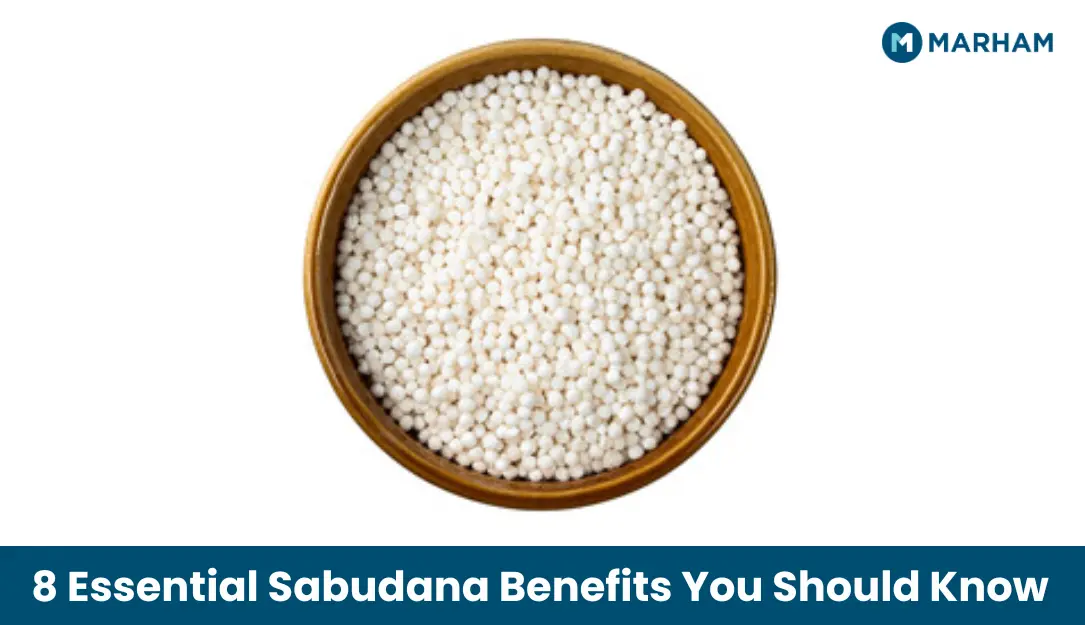
Sabudana is commonly used in South Asian diets, especially during fasting periods, recovery from weakness, or when light foods are preferred. Many people are familiar with it in dishes like khichdi or porridge, but fewer understand why it is so widely recommended. The growing interest in sabudana benefits is linked to its role as a quick source of energy, ease of digestion, and suitability for gluten-free diets, particularly in Pakistan and neighboring regions.
Sabudana is made from starch extracted from cassava roots or sago palms and is mainly composed of carbohydrates. Per 100 grams, it provides around 350 to 358 calories, with most of the energy coming from starch. It contains very small amounts of protein, fat, and fiber, along with limited minerals such as calcium, iron, and potassium. Because of its high glycemic index, sabudana releases energy quickly, which explains its frequent use during fasting or physical exhaustion, while also requiring moderation for certain individuals.
Although sabudana is not produced on a large scale in Pakistan, its use has increased due to imports from regional producers. Pakistan imported tapioca-based products worth over $2 million in recent years, reflecting rising demand. Consumption tends to increase during religious fasting, summer months, and periods of illness, as sabudana is considered light, filling, and easy to prepare. These factors explain why sabudana remains a familiar and commonly used food across Pakistani households.
Sabudana in English
Sabudana is commonly known in English as tapioca pearls or sago, depending on how and where the starch is sourced. When people search for sabudana benefits, this English name is often used in nutrition and health articles, especially in discussions about fasting foods and gluten-free diets. Made from cassava root starch, sabudana is widely consumed in South Asia and is valued for its role as a quick energy source when prepared in simple, easy-to-digest dishes.
Sabudana Benefits in Urdu
سبودانہ ایک ہلکی اور آسانی سے ہضم ہونے والی غذا ہے جو پاکستان میں خاص طور پر روزوں، کمزوری اور معدے کے مسائل کے دوران استعمال کی جاتی ہے۔ اس میں نشاستہ زیادہ ہونے کی وجہ سے یہ فوری توانائی فراہم کرتا ہے اور معدے پر بوجھ نہیں ڈالتا۔ چونکہ یہ گلوٹن فری ہوتا ہے، اس لیے گلوٹن سے الرجی رکھنے والے افراد بھی اسے استعمال کر سکتے ہیں، تاہم بہتر نتائج کے لیے اسے دیگر غذاؤں کے ساتھ اور اعتدال میں کھانا چاہیے۔
8 Key Sabudana Benefits for Daily Diets

Sabudana offers a range of benefits mainly related to energy, digestion, and dietary suitability. While it is not rich in protein or vitamins, it plays a useful role in traditional diets when used correctly and in moderation.
Helps Provide Quick Energy
One of the most talked-about sabudana benefits is its ability to provide quick energy. Because it is high in carbohydrates, sabudana is often eaten during fasting or physical weakness. Many people rely on it during long fasting hours as it helps maintain energy levels without feeling too heavy on the stomach.
Easy to Digest and Gentle on the Stomach
Sabudana is known for being light and easy to digest, which is why it is often recommended when someone has stomach discomfort or poor appetite. When discussing what is sabudana benefits for stomach, its soft texture and low fat content make it suitable for people experiencing acidity, indigestion, or digestive sensitivity.
Suitable for Gluten-Free Diets
Sabudana is naturally gluten-free, making it a safe option for individuals with gluten sensitivity. This is one reason tapioca pearls benefits are often highlighted for people who need alternative carbohydrate sources without digestive irritation caused by gluten-containing foods.
Useful During Fasting Periods
Sabudana benefits are especially noticeable during fasting. It provides quick energy and helps reduce feelings of weakness or tiredness. This is why sabudana is commonly prepared during religious fasts and is considered a reliable fasting food across South Asia.
Supports Energy Needs in Women
Sabudana benefits for female health are mainly linked to managing energy levels. It is often included in meals during fatigue, weakness, or reduced appetite. When combined with vegetables or dairy, it can contribute to better overall nutrition without stressing digestion.
Supports Energy Levels in Men
Sabudana benefits for male health are related to restoring energy rather than muscle building. Its carbohydrate content helps replenish energy after physical activity, especially when eaten as part of a balanced meal rather than on its own.
Can Be Introduced Carefully in Infant Diets
Sabudana benefits for babies are connected to its soft texture and digestibility. It is sometimes used in small amounts after proper cooking when babies transition to semi-solid foods. However, it should always be combined with other nutrient-rich foods and introduced carefully.
Weight-Related Considerations
When asking is sabudana good for weight loss, it is important to note that sabudana is calorie-dense. While it can fit into a controlled diet, excessive intake may work against weight management goals. Portion control and balanced pairing are key.
Nutrients Found in Sabudana
Understanding sabudana benefits becomes easier when looking at its nutritional profile. Sabudana is mainly a carbohydrate-rich food that provides quick energy, especially during fasting or recovery periods. While it is low in protein, fat, and fiber, it does contain small amounts of essential minerals that support basic body functions.
Nutritional Value of Sabudana (Per 100g)
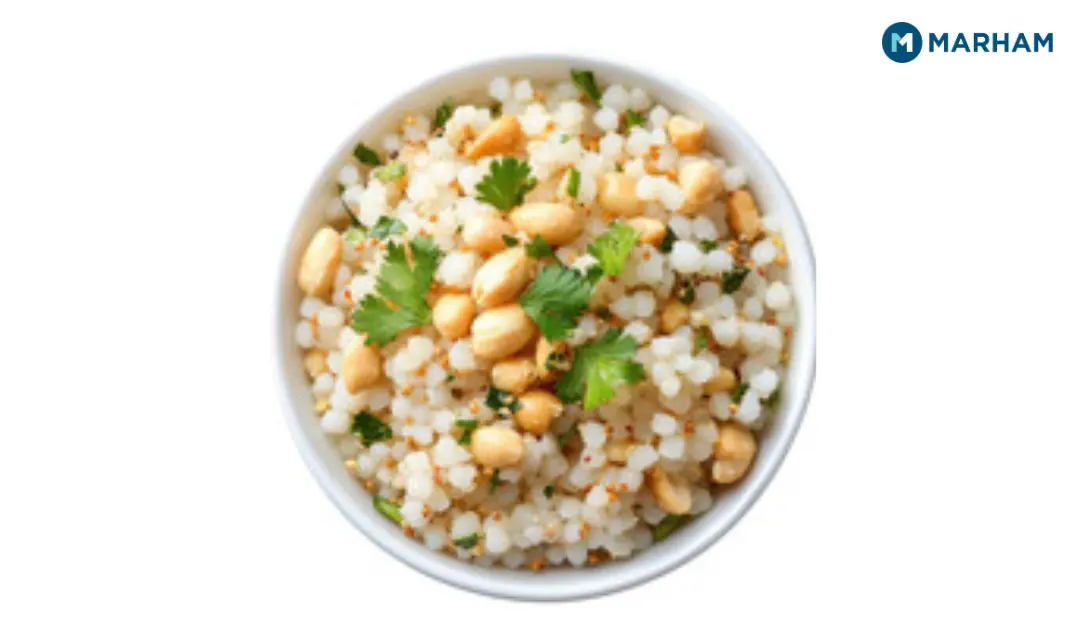
| Nutrient | Amount |
| Calories | 350–358 kcal |
| Carbohydrates | 83–88 g |
| Protein | 0.2 g |
| Fat | 0.1–0.2 g |
| Fiber | 0.5–0.9 g |
| Calcium | ~20 mg |
| Iron | ~1.2–3.2 mg |
| Potassium | ~11–60 mg |
These nutritional values explain why sabudana is commonly chosen for quick energy, but also highlight the importance of consuming it with other foods to make meals more balanced.
How to Make Sabudana
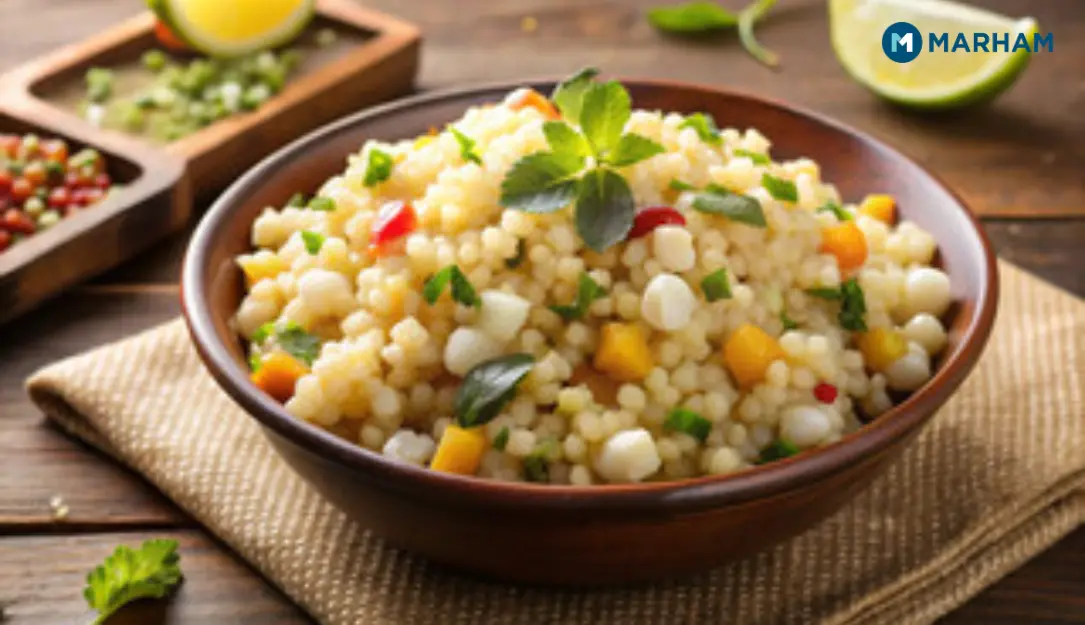
Proper preparation of sabudana is important to get the right texture and make it easy to digest. Follow these simple steps for best results:
- Rinse sabudana well to remove excess starch
- Soak in enough water to cover the pearls
- Leave soaked for 4–6 hours or overnight
- Check that pearls are soft and easily pressed
- Drain excess water before cooking
- Cook on low heat to avoid sticking
- Stir gently until pearls turn translucent
- Use milk, vegetables, or light seasoning as needed
Get Personalized Nutrition Guidance with Marham
If you are uncertain about how to include foods like sabudana or other natural ingredients safely in your routine, professional advice can be valuable. Nutritional needs vary from person to person, especially for individuals managing concerns such as diabetes, digestive issues, or general wellness. Expert guidance helps ensure choices are suitable for your specific health needs.
Marham makes it easy to connect with qualified dietitians and healthcare professionals who understand both traditional food practices and modern nutrition science. You can receive practical dietary advice, clear portion guidance, and personalized plans based on your goals and lifestyle.
Take the next step:
- Call 0311-1222398 to book a consultation
- Choose between online video consultations or in-clinic visits
- Read verified patient reviews and select the right expert for you
Getting the right support can help you make informed, confident decisions about your diet and overall health.
Conclusion
Sabudana remains a familiar and widely used food, especially during fasting and periods of weakness, due to its easy digestion and quick energy supply. Understanding sabudana benefits helps people include it more responsibly in their diets, keeping in mind that it is mainly a carbohydrate source and works best when eaten in moderation and combined with other nutritious foods. Paying attention to portion size and preparation methods can help avoid unwanted effects, while professional guidance may be useful for those with specific health concerns or dietary conditions.
