



Every year around February and March, half of Pakistan starts sneezing. Your eyes turn red and watery, your nose runs like a tap that will not close, and that scratchy throat makes you wonder if you are catching the flu. But it is not the flu. It is spring allergy season, and if you live in Lahore, Islamabad, or any city in Punjab, you already know how miserable it gets.
Spring allergies in Pakistan are not a minor inconvenience. For millions of Pakistanis, the months between February and April mean weeks of constant sneezing, blocked noses, itchy eyes, and sleepless nights. Children miss school. Adults struggle at work. And most people just pop random antihistamines from the pharmacy without understanding what is actually causing the problem.
This guide explains why spring allergies happen in Pakistan specifically, what triggers them, and what you can actually do to get through the season without suffering every single day.
Why Are Spring Allergies So Bad in Pakistan?
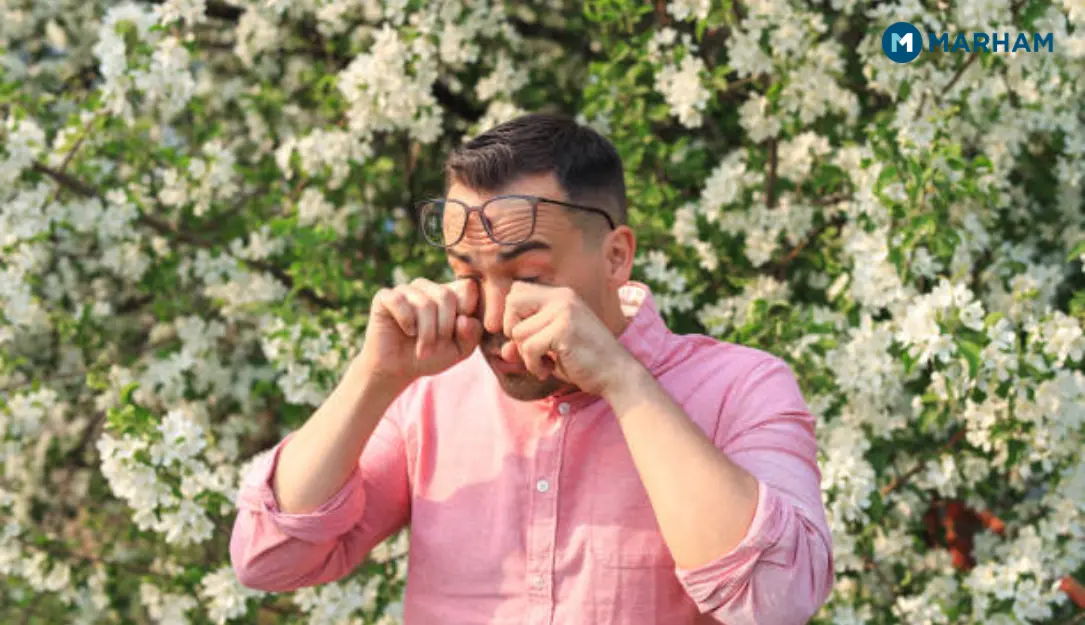
Pakistan has a unique allergy problem that most other countries do not deal with. The biggest culprit is paper mulberry trees, known locally as “kaagzi toot.” The British planted these trees decades ago across Punjab for paper production, and they spread rapidly because they grow fast and survive in almost any condition.
The problem is that paper mulberry trees release enormous amounts of pollen during February, March, and April. Lahore alone has thousands of these trees lining roads and growing in empty plots. When the wind blows, the pollen count in cities like Lahore, Islamabad, and Faisalabad skyrockets to levels that are among the highest in the world during peak season.
On top of paper mulberry, other common allergens active during Pakistani spring include grass pollen, dust mites that become more active as temperatures rise, wheat crop pollen from surrounding agricultural areas, and mold spores that increase with the occasional spring rain. When you combine all of these allergens with Pakistan’s existing air pollution and dust, you get an allergy season that hits harder than almost anywhere else in South Asia.
Common Symptoms of Spring Allergies
Spring allergy symptoms can range from mildly annoying to genuinely debilitating. The most common symptoms Pakistanis experience include continuous sneezing, sometimes 10 to 15 times in a row, a runny or blocked nose that switches between the two throughout the day, red, itchy, and watery eyes that make it hard to focus on anything, scratchy or sore throat especially in the morning, persistent dry cough that does not respond to cough syrups, headaches and sinus pressure around your forehead and cheeks, fatigue and difficulty sleeping because you cannot breathe through your nose, and itchy skin or worsening of eczema in people who already have sensitive skin.
Many Pakistanis confuse spring allergies with a common cold. The key difference is that a cold usually lasts 7 to 10 days and comes with body aches and fever. Allergies last weeks, do not cause fever, and the sneezing and itching follow a pattern, usually worse in the morning and on windy days when pollen count is highest.
بہار کی الرجی: علامات اور بچاؤ
پاکستان میں فروری سے اپریل تک الرجی کا موسم ہوتا ہے جس کی سب سے بڑی وجہ کاغذی توت کے درختوں کا زیرگ (پولن) ہے۔ اس سے چھینکیں، ناک بہنا، آنکھوں میں خارش، اور گلے میں تکلیف ہوتی ہے۔ بچاؤ کے لیے صبح سویرے کھڑکیاں بند رکھیں، باہر نکلتے وقت ماسک پہنیں، اور گھر آ کر نہائیں تاکہ جسم سے زیرگ صاف ہو جائے۔ شہد، ادرک کی چائے، اور بھاپ لینا قدرتی طور پر فائدہ مند ہے۔ اگر علامات شدید ہوں تو ڈاکٹر سے ضرور ملیں۔
How to Get Relief From Spring Allergies

You cannot eliminate pollen from the air, but you can significantly reduce your exposure and manage symptoms with these practical tips.
Reduce Your Pollen Exposure
Keep windows and doors closed during early morning hours (5 AM to 10 AM) when pollen counts are highest. If you must go outside during peak pollen hours, wear a proper mask. A simple surgical mask helps, but an N95 mask filters pollen much more effectively. When you come back home, change your clothes and take a quick shower to wash pollen off your skin and hair. Many people carry pollen into their bedroom on their clothes and then wonder why they sneeze all night.
Dry your laundry indoors during allergy season. Clothes hanging outside collect pollen and bring it directly into contact with your skin. If you have a car, keep the windows up and use the AC on recirculation mode during your commute.
Home Remedies That Actually Help
Steam inhalation is one of the simplest and most effective remedies for nasal congestion from allergies. Boil water, add a few drops of eucalyptus oil if available, cover your head with a towel, and breathe in the steam for 5 to 10 minutes. This loosens mucus and soothes inflamed nasal passages instantly.
Saline nasal rinse using a neti pot or simply sniffing salt water clears pollen directly from your nasal passages. Mix half a teaspoon of salt in a cup of lukewarm water and rinse each nostril. Do this once or twice daily during peak season.
Local honey is a popular remedy in Pakistan and many people swear by it. The idea is that honey made by local bees contains tiny amounts of local pollen, which gradually desensitizes your immune system. While scientific evidence is limited, a tablespoon of local honey daily certainly will not hurt and may help some people.
Ginger and turmeric chai works as a natural anti inflammatory. Ginger reduces nasal inflammation while turmeric’s active compound curcumin has proven anti allergic properties. Replace your regular afternoon chai with a cup of ginger turmeric tea during allergy season.
When to Use Medication
Over the counter antihistamines are effective for most spring allergy symptoms. Second generation antihistamines are preferred because they cause less drowsiness than older options. Nasal corticosteroid sprays work well for persistent nasal congestion and are available at most Pakistani pharmacies.
However, do not just self medicate for weeks on end. If your allergies are severe enough to affect your daily life, work, or sleep, a doctor can identify your specific triggers through testing and recommend a proper treatment plan that may include prescription medication or even immunotherapy for long term relief.
Who Is Most at Risk?
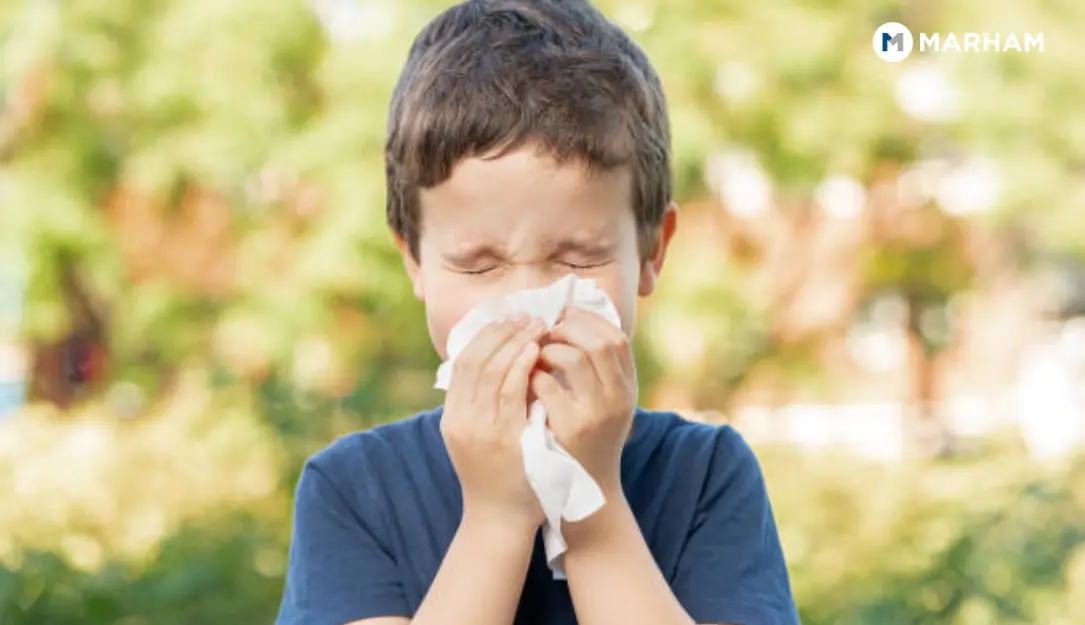
Children under 12 are particularly vulnerable to spring allergies because their immune systems are still developing. If your child sneezes constantly during spring, has dark circles under their eyes, or breathes through their mouth at night, these are classic signs of seasonal allergies, not just a recurring cold.
People with asthma need to be extra careful during spring because pollen can trigger asthma attacks on top of regular allergy symptoms. If you have asthma, keep your inhaler with you at all times during allergy season and talk to your doctor about adjusting your medication.
Elderly family members, outdoor workers, and anyone with a weakened immune system also faces higher risk and should take extra precautions during February to April.
Consult a Doctor
Tired of suffering through every spring season? A doctor can identify your exact allergy triggers and prescribe the right treatment so you can actually enjoy the nice weather instead of hiding from it.
Book an appointment through Marham by calling 0311 1222398 or visiting Marham.pk to find allergy specialists and ENT doctors near you.
FAQs
How long does spring allergy season last in Pakistan?
Spring allergy season in Pakistan typically runs from mid February to late April, with the peak being March. Paper mulberry pollen is highest during March, and symptoms gradually reduce as temperatures rise in May.
Can spring allergies cause fever?
Allergies themselves do not cause fever. If you have sneezing and nasal congestion along with fever, it is more likely a viral infection or a sinus infection triggered by allergies. See a doctor if fever accompanies your allergy symptoms.
Are spring allergies in Lahore worse than other cities?
Yes, Lahore consistently records some of the highest pollen counts in Pakistan due to the large number of paper mulberry trees in the city. Islamabad and Faisalabad also have high pollen counts, but Lahore tends to be the worst affected.
Can allergies develop later in life?
Absolutely. Many Pakistanis develop spring allergies in their 20s or 30s even if they never had them as children. Changes in your immune system, moving to a new city, or increased pollution exposure can all trigger new allergies at any age.
