


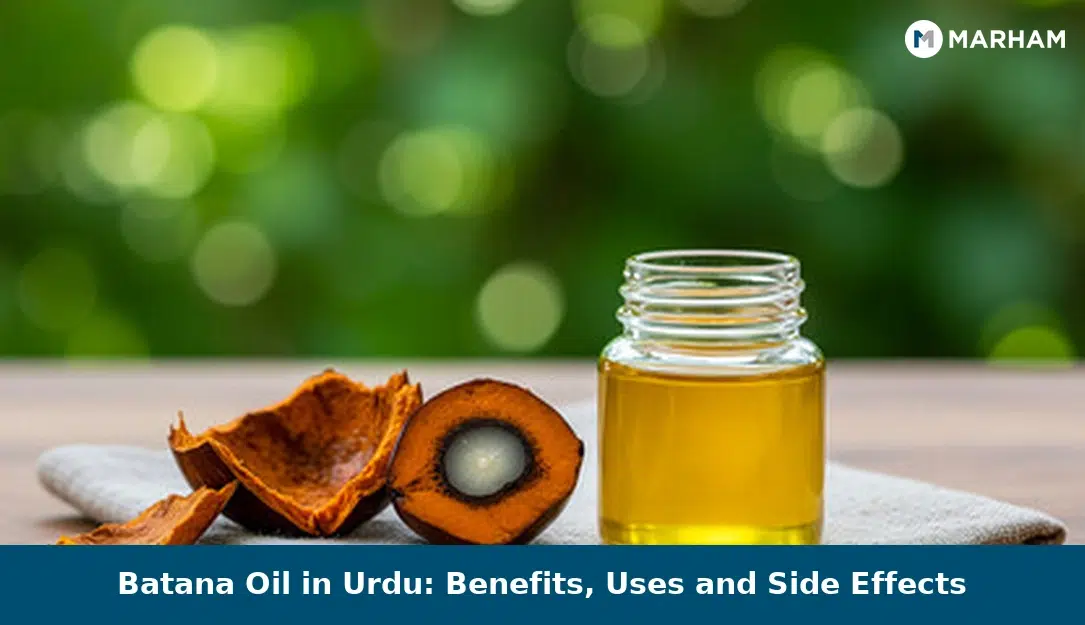
Batana oil has quietly become one of the most searched natural hair oils in Pakistan over the past two years. You’ll find it trending on TikTok, stocked by brands like ChiltanPure in Lahore and Karachi, and discussed in every desi beauty group online. The interest makes sense: Pakistanis have always trusted plant-based oils for hair, and this one comes with a striking origin story.
In Urdu, batana oil is commonly written as باتانہ کا تیل and sometimes simply called باتانہ آئل. It is extracted from the nuts of the American oil palm tree (botanical name Elaeis oleifera), native to the rainforests of Honduras in Central America. The Miskito people of that region, often called the “people of beautiful hair,” have used it for generations as a traditional hair and skin treatment.
What makes it relevant for Pakistani readers is its composition. Our climate, whether the dry winters of Islamabad or the humid monsoon months in Karachi, is hard on hair. Batana oil’s fatty acid profile addresses the kind of dryness and breakage that Pakistani women frequently deal with, especially those who use heat styling or chemical treatments regularly.
باتانہ آئل: اردو میں جانیں
باتانہ آئل (Batana Oil) ایک قدرتی تیل ہے جو امریکی پام کے درخت کے بیجوں سے نکالا جاتا ہے۔ پاکستان میں اسے بالوں کی نشوونما، خشکی دور کرنے اور جلد کی نمی بحال کرنے کے لیے استعمال کیا جاتا ہے۔ اس میں وٹامن ای، اومیگا فیٹی ایسڈز اور اینٹی آکسیڈنٹس موجود ہیں جو بالوں کی جڑوں کو مضبوط بناتے ہیں۔ یہ تیل لاہور اور کراچی کے بیوٹی اسٹورز میں دستیاب ہے اور آن لائن بھی خریدا جا سکتا ہے۔ استعمال سے پہلے پیچ ٹیسٹ ضرور کریں تاکہ کسی الرجی سے بچا جا سکے۔
What Is Batana Oil and What Does It Contain?
Batana oil is a nutrient-rich oil extracted from the nuts of the Ojon palm (Elaeis oleifera). Its colour is a deep reddish-brown and it has a naturally earthy, slightly smoky scent that many users find pleasant. At room temperature it is semi-solid, which is similar in feel to raw shea butter, and it melts on contact with skin or warm hands.
Its key active components, according to published nutritional analyses, include:
| Component | Role in Hair and Skin |
|---|---|
| Oleic acid (omega-9) | Deep moisturisation, softens hair shaft |
| Linoleic acid (omega-6) | Supports scalp barrier, reduces inflammation |
| Vitamin E (tocopherols) | Antioxidant protection, may support scalp health |
| Carotenoids | Antioxidant; may help protect against UV-related damage |
| Plant sterols | Help maintain skin barrier integrity |
These are the same nutrients studied in other plant oils for hair and skin benefits. It is worth noting that, as of 2026, no large-scale clinical trials have been conducted specifically on batana oil itself. The benefits described below are based on the known properties of its component nutrients and on its long traditional use, not on isolated batana oil studies.
Batana Oil Benefits for Hair Growth in Pakistan
For hair, batana oil’s main value is as a deep conditioner and scalp nourisher. It penetrates the hair shaft rather than sitting on the surface, which means it addresses dryness from within rather than just coating the strand.
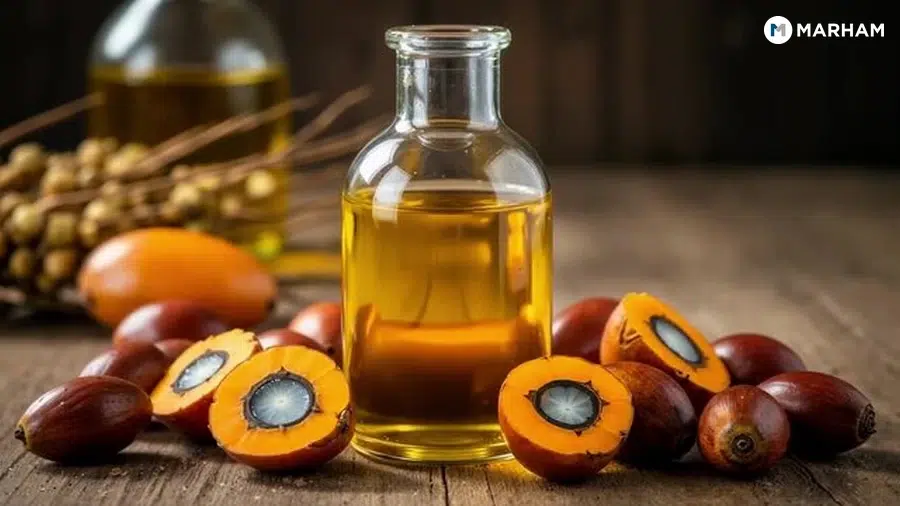
Pakistani women who colour their hair, use straightening treatments, or live in cities with hard water (Lahore’s water is notoriously mineral-heavy) often find their hair becomes brittle and prone to breakage. Batana oil’s high oleic acid content helps restore flexibility to the hair shaft, reducing the snap-breakage that comes from dryness.
Massaging any oil into the scalp increases local blood circulation, which supports healthier follicle activity over time. Batana oil is no different in this regard. It also helps with dry, flaky scalps, which are common during Islamabad’s cold winters when central heating strips moisture from the air.
One honest note: social media claims that batana oil “regrows lost hair” or reverses pattern baldness are not supported by clinical evidence. It may support a healthier scalp environment, which in turn supports the hair you already have. That is a meaningful benefit, but it’s not the same as a proven hair-regrowth treatment.
Consulting a dermatologist in Pakistan is the right step if you’re experiencing significant hair loss, as that requires a proper clinical assessment rather than an oil change.
Batana Oil Benefits for Skin
Beyond hair, batana oil works as a body moisturiser for dry, rough patches. It absorbs reasonably well without leaving a heavy greasy residue, making it practical for elbows, feet, and dry knees. The fatty acids in it help restore the skin’s natural barrier, which is especially useful after the dry months of November to February across most of Pakistan.
Its vitamin E and carotenoid content gives it antioxidant properties. Some users apply it to stretch marks or minor scars, and while it can improve skin texture over time with consistent use, it will not make marks disappear. Manage expectations here: no topical oil eliminates established scarring.
Avoid applying it to oily or acne-prone facial skin. Batana oil has a moderately comedogenic rating, meaning it can clog pores in people who already produce excess sebum, which could worsen breakouts.
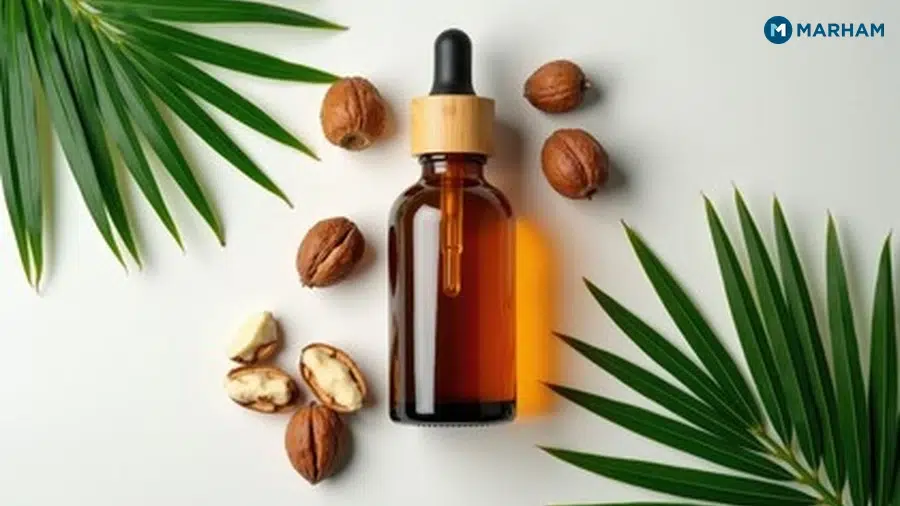
How to Use Batana Oil at Home: Step-by-Step
Batana oil is thick and semi-solid, so knowing how to apply it properly makes a real difference in results.
- Warm the oil first. Place a small amount (roughly one teaspoon) in a metal spoon or small bowl and hold it over warm water for 30 seconds. This liquefies it and makes it much easier to apply. In Karachi summers, it may already be liquid at room temperature.
- Section your hair. Divide into four sections, just as you would before applying henna or any deep oil treatment. This ensures even coverage, especially for the thick, dense hair common in South Asian women.
- Apply from roots to ends. Work the oil into your scalp with your fingertips using circular motions for 5 to 10 minutes. Then smooth the remaining oil down the length of each section.
- Mix with coconut or mustard oil if needed. Pure batana oil can feel heavy on fine hair. Mixing it half-and-half with cold-pressed coconut oil (widely available at any Utility Stores or Imtiaz in Karachi for around Rs 400 to 600 per 500ml) lightens the texture without losing the benefit.
- Cover with a shower cap and leave for at least one hour. For an overnight treatment, wrap hair in an old dupatta or cotton cloth to protect your pillow. The longer contact time gives the fatty acids more time to penetrate.
- Wash out with a mild, sulfate-free shampoo. Two rounds of shampooing may be needed to remove it fully. Avoid very hot water, which strips the oil benefit you just put in.
- Use two to three times a week. Daily use is generally unnecessary and can cause product buildup on the scalp, especially in humid weather.
Batana Oil Side Effects and Who Should Be Careful
Batana oil is generally well-tolerated, but a few groups need to take precautions before using it.
People with nut or palm oil allergies should approach it with real caution, as it is derived from a palm nut and may trigger an allergic reaction. Always do a patch test: apply a small amount to the inner forearm or behind the ear, wait 24 hours, and check for redness, itching, or swelling before applying it to your scalp.
Those with eczema, psoriasis, or seborrheic dermatitis should check with a skin specialist before adding any heavy oil to their scalp routine, as it can sometimes worsen these conditions by trapping heat and bacteria.
One lesser-known point: pure, unrefined batana oil can slightly darken grey or very light-coloured hair with repeated use. This is a cosmetic effect, not a health risk, but worth knowing if you’re managing grey coverage.
Do not apply it to the face if your skin is oily or acne-prone. And avoid mixing it with active skincare acids like glycolic or salicylic acid, as the interaction can cause unpredictable irritation.
Where to Buy Batana Oil in Pakistan and What to Pay
Batana oil is not a local crop, so it’s imported. You’ll find it at:
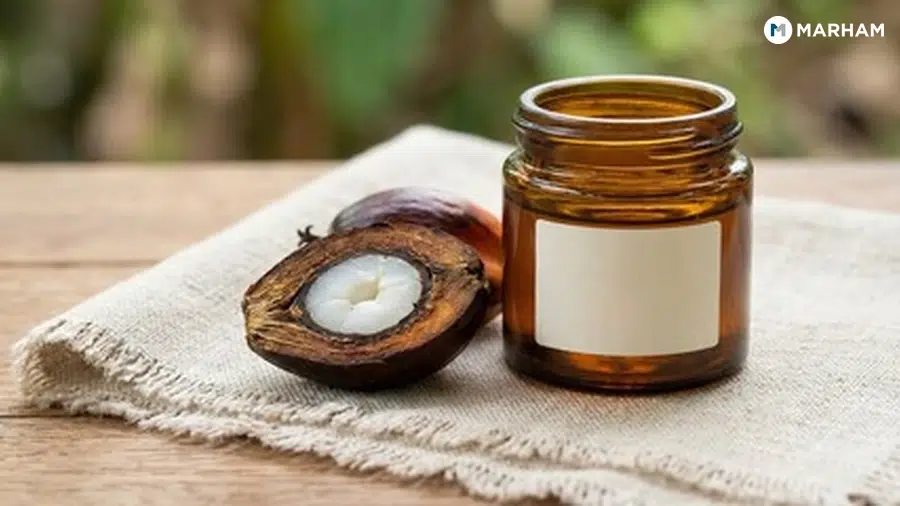
- ChiltanPure (one of Pakistan’s most recognised natural oil brands): their batana oil is listed at approximately Rs 2,999 to Rs 3,350 for a standard bottle, available online and at select stores in Lahore and Karachi.
- Online marketplaces like Daraz.pk typically stock multiple brands ranging from Rs 1,500 to Rs 4,000 depending on volume and purity.
- Specialty herbal stores in Saddar (Karachi) and Anarkali (Lahore) sometimes carry it, though purity can be harder to verify.
Always look for “100% pure” or “cold-pressed” on the label. Blended products or those with added fragrances give less predictable results and are more likely to cause scalp irritation.
For more on how natural oils compare for Pakistani hair types, the guide on lavender oil uses in Urdu covers another popular import worth knowing about.
When to See a Specialist About Hair or Skin Concerns
Batana oil can support a healthy hair care routine, but it is not a medical treatment. If you’re losing more than the normal 50 to 100 hairs per day, noticing patchy hair loss, or dealing with a persistently itchy and inflamed scalp, these are signs that need a clinical assessment rather than an oil.
Similarly, persistent skin dryness that doesn’t respond to moisturisers, or any skin reaction after using batana oil, deserves professional attention. A qualified dermatologist in Pakistan can identify whether the issue is a simple sensitivity or something that needs targeted treatment.
Get Expert Skin and Hair Advice on Marham
Finding a reliable skin or hair specialist in Pakistan can take time, particularly outside Lahore and Karachi where specialist availability is limited. Marham connects you with verified dermatologists in Pakistan who offer online consultations, so you can get a professional opinion without a long wait or a long drive.
A short online consultation, typically 15 to 20 minutes, can clarify whether your hair loss or scalp issue needs medical treatment or simply a better routine. If a nutritional deficiency is contributing to hair health, Marham also has nutritionists in Pakistan who can assess your diet and suggest adjustments suited to a Pakistani meal pattern.
Frequently Asked Questions
What is batana oil called in Urdu?
Batana oil is written as باتانہ کا تیل in Urdu and is sometimes referred to as باتانہ آئل. There is no classical Urdu or Persian name for it since it originates in Central America and is a relatively recent import to Pakistan.
Is batana oil good for hair growth?
Batana oil may support a healthier scalp environment by moisturising the scalp and reducing breakage, which can help retain length over time. However, there are no clinical trials confirming it regrows lost hair, so it’s best seen as a nourishing conditioner rather than a hair-regrowth treatment.
Can I use batana oil every day?
Daily use is not necessary and can cause product buildup on the scalp, particularly in humid climates. Two to three times a week is enough for most hair types. Fine or oily hair types may need to use it even less frequently.
What are the side effects of batana oil?
Most people tolerate it well. Possible side effects include allergic reactions (especially in those with nut allergies), scalp buildup, clogged pores on oily skin, and slight darkening of grey hair with repeated use. Always do a patch test before first use.
Is batana oil safe for all hair types?
It works well for dry, coarse, or chemically treated hair. Those with fine or low-porosity hair may find it too heavy and should dilute it with a lighter oil like coconut oil. A patch test is recommended for everyone before first use.
Where can I buy batana oil in Pakistan?
ChiltanPure is among the most accessible local brands, priced around Rs 2,999 to Rs 3,350. It is also available on Daraz.pk from multiple sellers. Check for “cold-pressed” and “100% pure” on the label to ensure quality.
When should I see a doctor about hair loss instead of using oils?
If you’re noticing patchy hair loss, thinning at the crown, or losing significantly more hair than usual over several weeks, consult a dermatologist rather than relying on oils alone. These patterns often have underlying causes, such as hormonal imbalance or nutritional deficiency, that need proper diagnosis.
Conclusion
Batana oil is a genuinely nourishing natural oil with a well-established traditional history and a composition that makes it useful for dry, damaged, or chemically treated hair. For Pakistani readers dealing with hard water, seasonal dryness, or heat-styling damage, it’s a reasonable addition to a hair care routine. Use it two to three times a week, dilute it if your hair is fine, always patch test first, and keep expectations realistic: it’s a conditioner, not a cure.


