



Walk into almost any gym in Lahore or Karachi and you’ll see the same split: one group grinding away on treadmills for an hour, another group camped at the dumbbell rack. Both are putting in the work. But which approach actually gets you closer to your goal?
The cardio vs weights debate is one of the most common questions Pakistani gym-goers ask, especially those trying to lose weight before a wedding, after Ramadan, or simply because the doctor said it was time. The honest answer is that both matter, but they work through very different mechanisms, and understanding those differences changes how you plan your week at the gym.
This guide breaks down what each type of exercise actually does to your body, which is better for specific goals, and how to combine them in a way that fits a typical Pakistani routine.
کارڈیو بمقابلہ ویٹ ٹریننگ: وزن کم کرنے کے لیے کیا بہتر ہے؟
کارڈیو ورزش جیسے دوڑنا، سائیکل چلانا یا تیراکی ورزش کے دوران زیادہ کیلوریز جلاتی ہے۔ ویٹ ٹریننگ یعنی وزن اٹھانا ورزش کے بعد بھی میٹابولزم کو تیز رکھتی ہے اور پٹھوں کی تعمیر کرتی ہے۔ پاکستانی افراد کے لیے جو وزن کم کرنا چاہتے ہیں، دونوں کا مجموعہ سب سے زیادہ مؤثر ثابت ہوتا ہے۔ اگر آپ ہفتے میں تین سے چار دن ویٹ ٹریننگ اور دو دن کارڈیو کریں تو چربی کم کرنے کے ساتھ ساتھ پٹھے بھی محفوظ رہتے ہیں۔ اپنی غذا میں پروٹین بڑھائیں اور میٹھے مشروبات سے پرہیز کریں۔
Cardio vs Weights: What Each One Actually Does
Cardio, also called aerobic exercise, is any sustained activity that raises your heart rate: brisk walking, running, cycling, swimming, or a Zumba class. It burns calories during the session itself and supports heart and lung health.
Weight training, also called resistance training or strength training, works differently. It asks your muscles to contract against resistance, whether that’s a barbell, a dumbbell, a resistance band, or your own bodyweight. The session burns fewer calories than cardio in real time, but it triggers a repair process afterward that keeps your metabolism elevated for hours.
Think of it this way: cardio is a tap you turn on and off. Weight training is a slow-burning furnace you light.

Which Burns More Calories: Cardio or Weights?
Calorie for calorie, cardio has the edge during the workout itself. According to data from Henry Ford Health (2026), a moderate cardio session burns roughly 10 to 12 calories per minute, compared to 8 to 10 calories per minute for weight lifting at similar effort.
But that comparison stops at the gym door. Weight training triggers something called EPOC, excess post-exercise oxygen consumption, commonly called the afterburn effect. Your body continues burning extra calories as it repairs muscle tissue after the session ends. According to the American College of Sports Medicine, an intense weight-training session can keep your resting metabolism elevated for up to 36 to 48 hours afterward.
Cardio’s calorie burn, by contrast, largely stops when you step off the treadmill.
| Feature | Cardio | Weight Training |
|---|---|---|
| Calories burned during session | Higher | Lower |
| Calories burned after session (EPOC) | Low | High (up to 48 hrs) |
| Builds lean muscle | Minimal | Yes |
| Improves resting metabolism | Minimal | Yes |
| Heart and lung health | Excellent | Moderate |
| Bone density | Moderate | Excellent |
| Good for fat loss | Yes | Yes (long-term) |
Cardio vs Weights for Weight Loss: Which Wins?
Neither wins outright, because they serve different phases of fat loss. Cardio helps you create a calorie deficit quickly, which is useful when you’re just starting out or when you’ve hit a plateau. Weight training helps you keep the fat off by building muscle, which raises your resting metabolic rate (RMR), the number of calories your body burns just to stay alive.
Here’s the nuance most global articles miss: losing weight on the scale and losing body fat are not the same thing. If you do only cardio in a calorie deficit, your body can break down muscle for fuel alongside fat. You’ll weigh less, but your body composition may not improve much. Weight training preserves muscle during a deficit, so more of the weight you lose actually comes from fat.
A 2020 systematic review published in the journal Sports Medicine found that resistance exercise is more effective than aerobic exercise alone at increasing resting metabolic rate. That’s the long game.
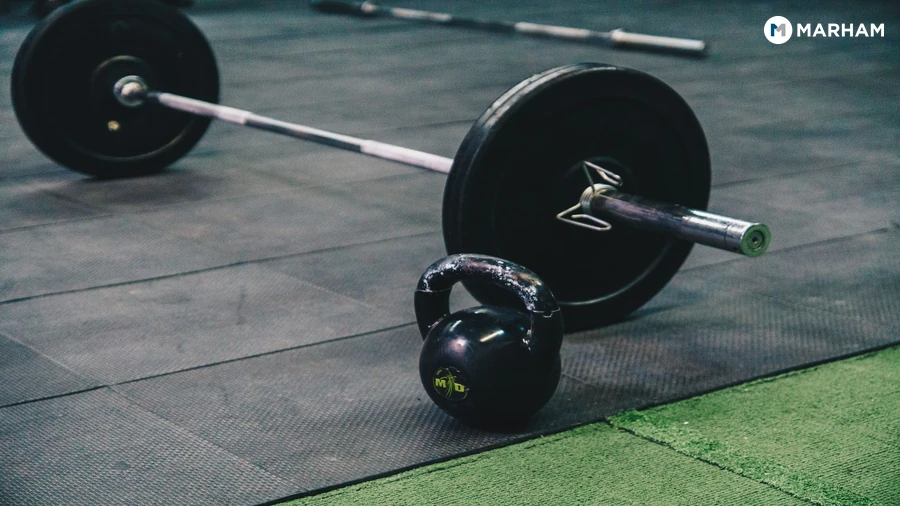
For Pakistani men and women who carry most of their weight around the abdomen, which is common in South Asian populations due to genetic tendency toward central fat storage, resistance training combined with moderate cardio tends to produce better body composition results than cardio alone.
Cardio vs Weights for Belly Fat: A Specific Note
Belly fat, or visceral fat (fat stored around the organs), responds well to both types of exercise. However, no exercise spot-reduces fat from one area. Fat loss happens across the whole body as you sustain a calorie deficit over time.
HIIT, high-intensity interval training, is a form of cardio that alternates short bursts of intense effort with brief rest periods. Research suggests HIIT may be particularly effective at reducing waist circumference compared to steady-state cardio, and it takes less time. A 20-minute HIIT session on a hot Karachi afternoon is far more practical than a 60-minute jog in 38-degree heat.
Should You Do Cardio Before or After Weights?
If you’re doing both in the same session, the order depends on your primary goal.
- Building muscle or strength: lift weights first, then do cardio. Fresh muscles lift heavier and with better form.
- Improving cardiovascular fitness: do cardio first, then weights.
- General fat loss with no specific priority: either order works. Splitting them across different days, say weights on Monday, Wednesday, Friday and cardio on Tuesday and Thursday, avoids fatigue and is easier to sustain.
For most Pakistani gym-goers who are time-pressed and training in the evening after work, splitting the sessions across days is the most practical approach.
A Practical Weekly Plan for Pakistani Gym-Goers
This plan follows the WHO guideline of at least 150 minutes of moderate-intensity aerobic activity per week, plus two days of muscle-strengthening activity.
- Monday: Full-body weight training, 45 minutes. Focus on compound movements: squats, deadlifts, rows, and push-ups. No gym? Use bodyweight exercises at home.
- Tuesday: 30 minutes of moderate cardio. Brisk walking in a local park or a light jog. In summer, do this before 7 AM or after 7 PM to avoid heat.
- Wednesday: Upper body weight training, 40 minutes. Dumbbells available at most gyms in Lahore and Islamabad for PKR 2,000 to 5,000 per set if you train at home.
- Thursday: 20 to 25 minutes of HIIT. Jumping jacks, high knees, and burpees work fine in a small space. No equipment needed.
- Friday: Lower body weight training, 40 minutes. Squats, lunges, leg press.
- Saturday: Light cardio or a long walk, 30 to 40 minutes. This is your active recovery day.
- Sunday: Full rest. Eat well, sleep 7 to 8 hours.
During Ramadan, shift your weight training session to after Iftar when you’ve had a meal and some water. Fasted weight training during a long summer fast can lead to dizziness and poor form. Light cardio, a 20-minute walk after Taraweeh, is more sustainable.
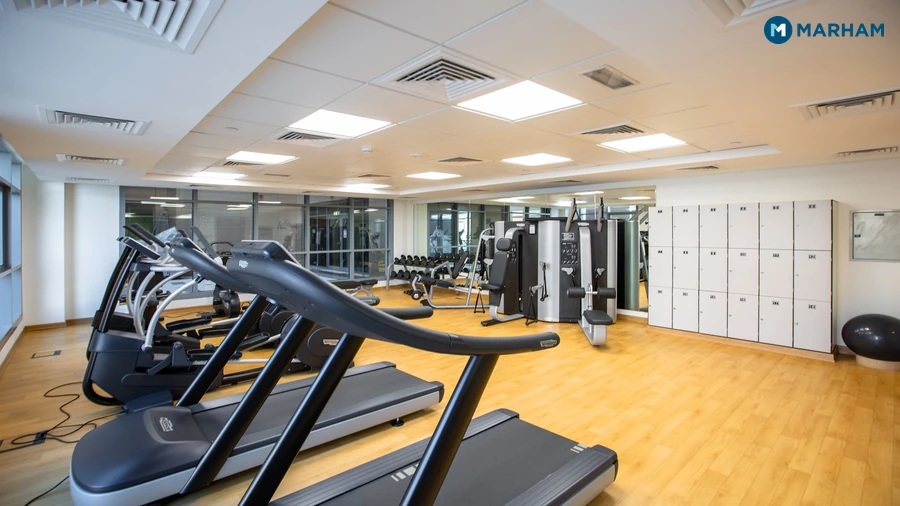
Who Should Prioritise Cardio, and Who Should Prioritise Weights?
Cardio should take priority if you have a heart condition, high blood pressure, or your doctor has recommended aerobic exercise specifically. It’s also the gentler starting point for someone who is significantly overweight and hasn’t exercised in years.
Weight training should take priority if you want to change your body shape, improve your metabolism long-term, or if you’re a woman worried about losing muscle as you age. The fear that lifting weights will make women look bulky is a common myth in Pakistani fitness circles. Women have far lower testosterone levels than men, and building significant muscle mass requires years of very specific training. What weight training does for most women is create a leaner, more defined look.
A nutritionist in Pakistan can help you align your diet with whichever training style you choose, since exercise without the right nutrition rarely produces the results people expect.
Get Expert Fitness and Nutrition Advice from Marham
Deciding between cardio and weights is one part of the equation. The bigger question is whether your diet, sleep, and overall health support the training you’re doing. Many Pakistani patients who struggle to lose weight despite regular exercise are dealing with underlying issues like thyroid dysfunction, insulin resistance, or simply a diet too high in refined carbohydrates from roti, rice, and sweetened chai.
Marham connects you with verified nutritionists in Pakistan who can review your diet and training together and give you a plan that actually fits your lifestyle. If you suspect a health condition is slowing your progress, a endocrinologist in Pakistan can assess your thyroid, insulin levels, and hormones through an online consultation. A short session typically takes 15 to 20 minutes and can save months of trial and error at the gym.
Frequently Asked Questions
Is cardio or weights better for weight loss?
Neither is definitively better on its own. Cardio burns more calories during the session, while weight training raises your resting metabolism and preserves muscle during fat loss. Combining both produces the best results for most people.
Can I lose weight by lifting weights only, without doing cardio?
Yes, weight training alone can support fat loss, especially when paired with a calorie deficit. It preserves muscle and raises your resting metabolic rate. Adding some cardio, even brisk walking, tends to speed up results.
Should I do cardio before or after weights?
If your main goal is building muscle or strength, do weights first while your muscles are fresh. If your goal is cardiovascular fitness, do cardio first. For general fat loss, the order matters less than consistency.
How many days a week should I do cardio vs weights?
The WHO recommends at least 150 minutes of moderate cardio per week plus two days of strength training. A practical split for most Pakistani gym-goers is three days of weights and two days of cardio, with one active recovery day.
Is HIIT better than steady-state cardio for fat loss?
HIIT tends to burn more calories in less time and may be more effective at reducing waist circumference than steady-state cardio. It’s a good option for people with limited time, though it’s more demanding on the body and requires adequate recovery.
Which is better for belly fat: cardio or weights?
No exercise removes fat from one specific area. Both cardio and weight training reduce overall body fat when combined with a calorie deficit. HIIT and resistance training together tend to produce the greatest reduction in abdominal fat over time.
When should I see a doctor or nutritionist about my weight loss?
If you’ve been exercising regularly for 8 to 12 weeks without meaningful results, it’s worth getting checked. Conditions like hypothyroidism, PCOS, or insulin resistance can stall fat loss despite consistent effort. A doctor or nutritionist can identify the issue and adjust your plan.
Conclusion
Cardio and weight training are not rivals. They’re tools, and the best Pakistani gym-goers use both. Cardio gets the calorie burn going quickly; weight training builds the muscle that keeps fat off long-term. Start with whichever you enjoy more, add the other within a few weeks, and keep your diet in check. Consistency over months matters far more than which machine you start on.


