


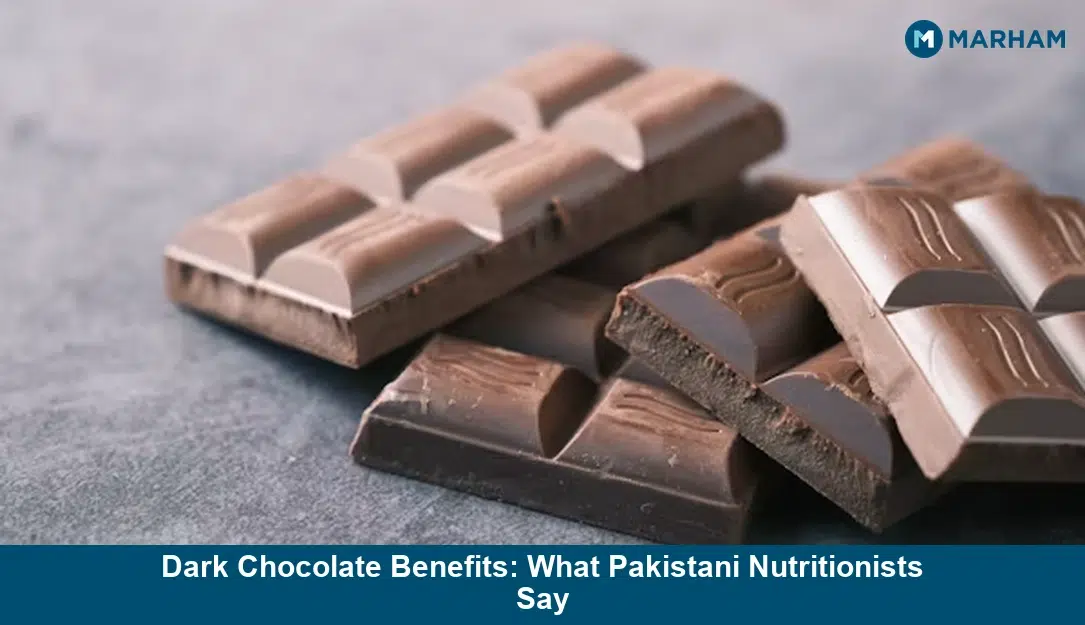
Dark chocolate has quietly moved from a guilty indulgence to a topic nutritionists in Pakistan are taking seriously. You’ll find it stacked on shelves in Lahore’s grocery stores and Karachi’s bakeries, and more Pakistani families are reaching for it over the usual mithai. The question most people have is simple: does it actually do anything good for you?
Cardiovascular disease is among the leading causes of death in Pakistan, according to the World Health Organization’s Pakistan country data. That context matters when looking at foods that may support heart health. Dark chocolate, specifically varieties with 70% or more cocoa content, has been studied for exactly this kind of benefit.
The research is promising but not a licence to overeat. Below are six benefits supported by evidence, how much is reasonable to consume, and what Pakistani nutritionists typically advise their patients.
ڈارک چاکلیٹ کے فوائد: اہم نکات
ڈارک چاکلیٹ میں فلیوانولز اور پولی فینولز جیسے طاقتور اینٹی آکسیڈنٹس پائے جاتے ہیں جو دل اور دماغ کی صحت کے لیے مفید ہو سکتے ہیں۔ پاکستان میں دل کی بیماریوں کی بڑھتی ہوئی شرح کو دیکھتے ہوئے، ماہرین غذائیت کم مقدار میں اعلیٰ معیار کی ڈارک چاکلیٹ کو متوازن غذا کا حصہ بنانے کی اجازت دیتے ہیں۔ روزانہ 10 سے 30 گرام، یعنی ایک سے تین مربع ٹکڑے، کافی ہیں۔ تاہم ذیابیطس یا ہائی بلڈ پریشر کے مریضوں کو اپنے ڈاکٹر سے مشورہ کرنا چاہیے۔ کوکو کا تناسب 70 فیصد یا اس سے زیادہ ہونا ضروری ہے تاکہ فوائد حاصل ہو سکیں۔
Key Takeaways
- Dark chocolate with 70% or more cocoa content contains flavanols that may support heart and brain health.
- Research suggests modest cardiovascular benefits, including lower blood pressure and improved blood vessel function.
- A reasonable portion is 10 to 30 grams per day, roughly one to three squares from a standard bar.
- Dark chocolate is calorie-dense and still contains sugar, so moderation matters especially for Pakistani patients managing weight or blood sugar.
- Choose bars that list cocoa or cacao as the first ingredient and avoid those with hydrogenated oils or excessive added sugar.
- People with diabetes, hypertension, or a history of heart disease should consult a doctor or nutritionist before adding it regularly to their diet.
Dark Chocolate Benefits for Heart Health in Pakistan
Dark chocolate may support cardiovascular health through its flavanol content. Flavanols are plant compounds found in cocoa that stimulate the production of nitric oxide in the body. Nitric oxide relaxes blood vessels and improves blood flow, which may in turn help lower blood pressure.
Consuming dark chocolate may help improve several important risk factors for heart disease, and it may protect against high cholesterol. A 2021 review of 8 studies found that eating dark chocolate helped decrease LDL cholesterol and fasting blood glucose levels.
Given that hypertension and heart disease are among the most common reasons Pakistanis visit a cardiologist, these findings are worth noting. Nutritionists in Pakistan generally frame dark chocolate as a supportive dietary choice, not a treatment. If you have been diagnosed with hypertension or a related condition, speak to your doctor before making dietary changes.
Dark Chocolate and Brain Function: What the Research Shows
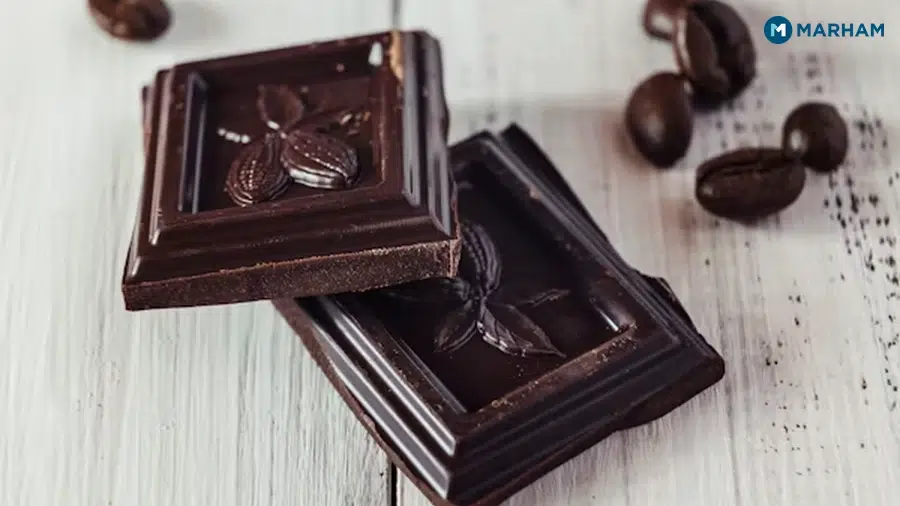
The brain benefits of dark chocolate are linked to the same mechanism as the heart benefits: improved blood flow. Research shows dark chocolate can increase blood flow to the brain, which can improve brain function, memory, and mood.
Cocoa flavanols may help increase blood flow to the brain and support the function of blood vessels. Some small, short-term studies have found improvements in attention, processing speed, or working memory after consuming cocoa flavanols. These effects seem to be modest and temporary, and the research is still evolving.
For students in Lahore or Islamabad pulling long study hours, a small square of quality dark chocolate after a meal is a reasonable snack choice. It’s not a cognitive enhancer in any dramatic sense, but it won’t work against you either.
Can Dark Chocolate Help with Blood Pressure?
Blood pressure is one of the most studied areas in dark chocolate research. A 2025 review of human trials showed that flavanol-containing foods reduced high blood pressure. That said, the effect size tends to be modest and varies between individuals.
A 2019 study in women found that eating 85% dark chocolate slightly elevated blood pressure two hours after eating. That said, eating the dark chocolate during periods of stress actually helped lower blood pressure and heart rate slightly. Given the great variation between studies on this subject, more research is needed to understand the effects of eating dark chocolate on blood pressure.
The takeaway for Pakistani patients is straightforward. Dark chocolate is not a substitute for prescribed medication. Anyone already on antihypertensive treatment should not adjust their dosage based on dietary changes without consulting their physician.
Dark Chocolate vs Milk Chocolate: Key Differences
Not all chocolate delivers the same benefits. The distinction comes down to cocoa content.
| Feature | Dark Chocolate (70%+) | Milk Chocolate |
|---|---|---|
| Cocoa content | 70% to 90% | 10% to 50% |
| Flavanol level | High | Low |
| Added sugar | Lower | Higher |
| Fiber per 30g | Around 3 to 4g | Minimal |
| Calories per 30g | Around 170 kcal | Around 160 kcal |
| Recommended for health benefits | Yes | No |
For maximum health benefits, choose dark chocolate with 70% or more cocoa. The higher the cocoa percentage, the greater the amount of antioxidants. As the cocoa percentage increases, the sugar content decreases, making the chocolate taste more bitter but better for your blood sugar and overall health.
In Pakistan, most supermarket shelves carry imported bars ranging from 70% to 85% cocoa. Local artisan brands have also started producing higher-cocoa options. Read the label and check that cocoa or cacao is listed first, not sugar.
Mood, Stress, and Dark Chocolate

Dark chocolate has a modest but real effect on mood. In addition to stress-managing tools like meditation and exercise, eating a healthy diet has been linked to stress relief, and that includes dark chocolate. The sweet treat contributes to producing the feel-good hormone serotonin and contains magnesium, which is linked to reducing anxiety.
A 2009 study found that daily consumption of dark chocolate lowered cortisol levels, the stress hormone, thereby reducing mental stress. Cortisol is also associated with abdominal weight gain, a common concern among Pakistani adults with sedentary desk jobs.
These effects are real but modest. Dark chocolate is not a treatment for anxiety or depression. If you’re experiencing persistent low mood or stress that affects daily life, that deserves proper clinical attention.
How Much Dark Chocolate Should You Eat Per Day?
Portion size is where most people go wrong. The benefits seen in research are associated with small, regular amounts, not large daily servings.
- Start with one square. A single 10-gram square of 70%+ dark chocolate after a meal is a reasonable starting point.
- Don’t exceed 30 grams daily. A typical serving of dark chocolate is 10 to 30 grams per day, or roughly one to three squares from a standard chocolate bar.
- Pair it with something nutritious. In Pakistan, a small piece alongside a handful of unsalted peanuts or almonds (available at any kiryana store for around Rs. 100 to Rs. 150 per 100g) makes a balanced snack that slows sugar absorption.
- Avoid it close to bedtime. Dark chocolate contains caffeine and theobromine. Some studies show high intake can lead to elevated uric acid levels, and dark chocolate also contains caffeine, which can affect sleep and heart rate. If you’re going to eat dark chocolate, be sure to eat it at least a few hours before bedtime.
- Skip it during Ramadan suhoor. The caffeine content can increase thirst during the fast. Save it for iftar in small amounts instead.
- Check the label for heavy metals. Heavy metals like lead and cadmium can appear in cocoa products. These two heavy metals can come from the soil where the cocoa is grown or from certain processing methods. Lead and cadmium are linked to several health problems, so choose brands that test for safety.
Is Dark Chocolate Good for Diabetics in Pakistan?
This question comes up often in Pakistani clinics, given that diabetes affects a large share of the adult population. The answer requires nuance.
Although a few long-term observational studies have suggested moderate amounts of dark chocolate (unlike milk chocolate) may reduce the risk of type 2 diabetes, more clinical studies are needed to prove this.
The flavanols in cocoa are thought to increase insulin sensitivity, which over the long run might reduce the risk of diabetes. However, dark chocolate still contains sugar and calories. A Pakistani patient already managing blood sugar with medication should not add dark chocolate to their diet without discussing it with their endocrinologist first.
Consult a Nutritionist on Marham
Many Pakistanis make dietary changes based on social media posts without checking whether those changes suit their specific health profile. A person managing weight, blood pressure, or blood sugar has different nutritional needs from someone who is otherwise healthy.
Marham connects you with verified nutritionists in Pakistan who can review your current diet and advise whether foods like dark chocolate fit into your plan. You can also speak to an endocrinologist in Pakistan if you have concerns about blood sugar or metabolic health. A short online consultation typically takes 15 to 20 minutes and can clarify whether a dietary adjustment is appropriate for your condition.
Frequently Asked Questions
Is dark chocolate good for your heart?
Dark chocolate with 70% or more cocoa content may support heart health when eaten in moderation. Consuming flavanol-rich cocoa or dark chocolate can help improve cardiovascular health, lower blood pressure, and protect against conditions like heart disease. The key word is moderation. It’s a supportive dietary choice, not a treatment for any heart condition.
How much dark chocolate should you eat per day?
Most nutritionists recommend 10 to 30 grams per day, which is roughly one to three squares from a standard bar. This doesn’t mean you should go all out and consume lots of chocolate every day, as it’s still relatively high in calories and sugar, and it’s easy to overeat. One or two squares after a meal is a sensible habit.
What percentage of cocoa is best in dark chocolate?
70% or higher is the widely cited threshold. Most of the benefits seen in research are associated with chocolate that has at least a 70% cacao content. Higher percentages contain more flavanols and less sugar, which is generally better for your health.
Can dark chocolate help with blood pressure?
It may help modestly. Dark chocolate seems to have anti-inflammatory effects as well as properties that help prevent blood clots and lower blood pressure. However, the effect is small and varies between people. It should never replace prescribed antihypertensive medication.
Is dark chocolate good for diabetics?
The evidence is mixed and still evolving. Some research suggests flavanols may improve insulin sensitivity, but dark chocolate still contains sugar and calories. Pakistani patients managing diabetes should consult their doctor or a registered nutritionist before adding it to their regular diet.
Conclusion
Dark chocolate, chosen carefully and eaten in small amounts, can be a reasonable part of a balanced diet for most healthy adults in Pakistan. The benefits for heart health, blood pressure, and mood are modest but supported by research. The 70% cocoa threshold matters, the portion size matters, and individual health conditions matter most of all. Treat it as a small daily pleasure rather than a health supplement, and it fits comfortably into a sensible Pakistani diet.
