


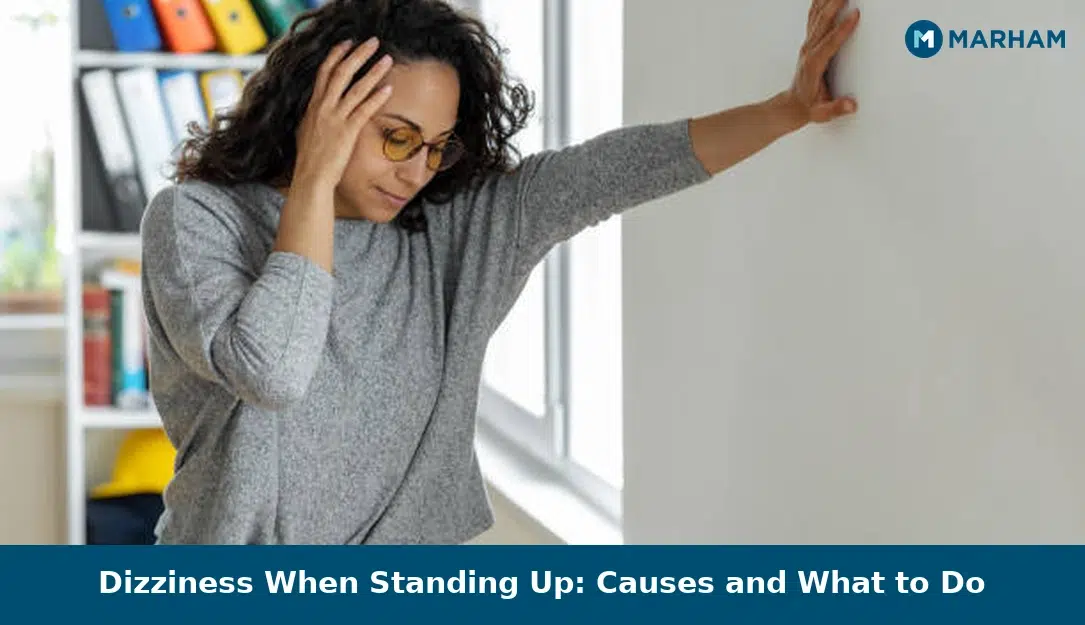
Standing up from the prayer mat after Fajr, getting off a charpai in the afternoon heat, or rising quickly from a long sitting session at work — many Pakistanis know that brief spinning or “head rush” feeling all too well. It passes in a few seconds and most people brush it off.
But when it happens regularly, or when the room seems to tilt for longer than a moment, it’s worth understanding what’s actually going on. In Pakistan’s summer months, when temperatures in Lahore and Karachi regularly cross 40°C and fluid intake often drops during Ramadan fasting hours, this kind of dizziness becomes noticeably more common.
The good news is that most cases have a straightforward explanation and a practical fix. A few, though, point to something that needs a doctor’s attention.
Why Do You Get Dizzy When You Stand Up?
Dizziness when standing up is most often caused by orthostatic hypotension, a temporary drop in blood pressure that happens the moment you shift from sitting or lying down to standing. Gravity pulls blood toward the legs, and if the body’s adjustment is too slow, less blood reaches the brain for a few seconds, producing that lightheaded or woozy sensation. The episode typically resolves within 15 to 30 seconds once the body compensates.
What Is Orthostatic Hypotension?
Orthostatic hypotension, also called postural hypotension, is defined clinically as a drop in systolic blood pressure of at least 20 mmHg, or a drop in diastolic blood pressure of at least 10 mmHg, within three minutes of standing, according to the American Heart Association (2022). It is not a disease on its own but a sign that the body’s blood pressure regulation is being challenged by something.
Most episodes are brief and harmless. Persistent or frequent episodes, however, can signal an underlying condition that deserves evaluation.
| Feature | Occasional / Benign | Frequent / Concerning |
|---|---|---|
| Duration | Under 15 seconds | Longer than 30 seconds |
| Frequency | Rare, situational | Several times a week |
| Trigger | Heat, dehydration, long sitting | No clear trigger |
| Associated symptoms | None | Fainting, chest pain, blurred vision |
| Action needed | Lifestyle adjustment | See a doctor |
Common Causes of Dizziness When Standing Up
Several things can slow or impair the body’s blood pressure adjustment when you stand. The most common ones in a Pakistani context are:

Dehydration is the single most frequent trigger. Blood is mostly water, and when blood volume drops, blood pressure drops with it. In Pakistan’s summer heat, or during Ramadan when many people go 12 to 16 hours without fluids, dehydration builds up faster than most people realise. Even a modest fluid deficit can cause noticeable lightheadedness on standing.
Iron-deficiency anemia is another major contributor, and it’s particularly common among Pakistani women. When red blood cells are low, the blood carries less oxygen to the brain. The hallmark is tiredness, but dizziness on standing is a frequent companion. According to Pakistan’s National Nutrition Survey (2018), iron-deficiency anemia affects roughly 50% of women of reproductive age in Pakistan, making this a clinically relevant cause that global blogs rarely emphasise.
Prolonged sitting or lying down slows the body’s vascular reflexes. After a long session on the floor watching TV, sitting at a desk, or resting during illness, standing up quickly gives the circulatory system less time to respond.
Certain medications can lower blood pressure as a side effect. Blood pressure tablets (antihypertensives), diuretics (water pills), some antidepressants, and alpha-blockers are common culprits. If you recently started a new medicine and the dizziness appeared around the same time, mention it to your doctor.
Low blood sugar (hypoglycemia) can cause lightheadedness that worsens on standing. Skipping meals, a common pattern during busy work days or Ramadan, can drop blood glucose enough to produce dizziness. People managing diabetes in Pakistan on insulin or sulphonylureas are at higher risk.
Underlying heart or autonomic conditions are less common but important. Heart rhythm problems (arrhythmias), heart valve disease, and disorders of the autonomic nervous system (the system that automatically regulates blood pressure) can all impair the body’s ability to compensate when you stand. Parkinson’s disease and uncontrolled diabetes can both damage the autonomic nervous system over time.

Symptoms That Come With Dizziness on Standing
Orthostatic hypotension most often produces lightheadedness or a brief “head rush.” Other symptoms that may accompany it include:
- Blurred or darkened vision for a few seconds
- A feeling of weakness in the legs
- Mild nausea
- Ringing in the ears
- Fainting (in more severe cases)
These symptoms typically resolve within 15 to 30 seconds of standing still or sitting back down. If they last longer, or if you actually faint, that changes the picture.
How to Stop Dizziness When Standing Up: Practical Steps
For most people, especially those whose dizziness is linked to dehydration, heat, or posture habits, these steps make a real difference:
- Stand up slowly. Pause at the edge of the bed or chair for 5 to 10 seconds before fully rising. This gives your blood vessels time to tighten and push blood upward. It sounds simple, but it’s the step most people skip.
- Drink enough water throughout the day. Aim for 8 to 10 glasses daily. In Karachi or Lahore during summer, or during Ramadan fasting hours, increase this at sehri and iftar. Plain water, nimbu pani (lemon water), or a glass of lassi at sehri all count toward hydration.
- Clench your leg muscles before standing. Pumping or squeezing the calf muscles while still seated pushes pooled blood back toward the heart before you rise. The American Heart Association (2022) recommends this as a simple first-line measure.
- Eat smaller, more frequent meals. A large, heavy meal, especially a biryani or daal-chawal lunch, diverts blood to the digestive system and can trigger dizziness on standing afterward. This is called postprandial hypotension. Smaller portions eaten more often reduce this effect.
- Check your iron levels. If you’re a woman, feel persistently tired, and get dizzy often on standing, ask your doctor for a complete blood count (CBC). A CBC test costs roughly PKR 400 to 800 at most diagnostic labs in Pakistan and can confirm or rule out anemia quickly.
- Avoid prolonged standing in heat. If you’re working outdoors in summer or standing at a wedding function for hours, take seated breaks and keep sipping water.
- Review your medications with your doctor. Never stop or adjust a prescribed medicine on your own, but do flag the dizziness to your physician. A simple timing change, such as taking a blood pressure tablet at night rather than in the morning, sometimes resolves the problem.
When Should You Worry About Dizziness When Standing Up?
Occasional dizziness on standing, especially in summer heat or after a long fast, is usually not a cause for alarm. See a doctor promptly if:
- You actually faint or lose consciousness, even briefly
- The dizziness lasts longer than 30 seconds each time
- It happens multiple times a day without an obvious trigger
- You have chest pain, shortness of breath, or palpitations alongside the dizziness
- You notice weakness or numbness on one side of the body (this needs emergency attention)
- The episodes are getting more frequent or more severe over weeks
A general physician can measure your blood pressure lying down and then standing to confirm orthostatic hypotension. Further tests, such as a blood count, blood sugar, thyroid panel, or ECG, help identify the underlying cause. Consulting a cardiologist in Pakistan is advisable if a heart-related cause is suspected.
Key Takeaways
- Dizziness when standing up is most often caused by orthostatic hypotension, a brief drop in blood pressure when changing posture.
- Dehydration is the most common trigger, and it’s especially relevant in Pakistan’s summer heat and during Ramadan fasting.
- Iron-deficiency anemia affects roughly 50% of Pakistani women of reproductive age, according to Pakistan’s National Nutrition Survey (2018), and is a frequently overlooked cause of standing dizziness.
- Standing up slowly, staying hydrated, and eating smaller meals are the most effective first-line measures.
- Dizziness that causes fainting, lasts more than 30 seconds, or comes with chest pain or neurological symptoms needs prompt medical evaluation.
- Certain medications, including blood pressure tablets and diuretics, can cause or worsen orthostatic hypotension — always discuss new symptoms with your prescribing doctor.
Speak to a Specialist on Marham
If dizziness when standing up is happening regularly and you’re not sure why, it’s worth getting a proper assessment rather than guessing. The cause could be as simple as low iron or mild dehydration, or it could be a medication side effect that’s easy to adjust. A doctor can tell the difference with a few basic checks.
Marham connects you with verified general physicians and cardiologists in Pakistan through online consultations, so you don’t need to travel or wait in a long queue. A short consultation, usually 15 to 20 minutes, is enough to review your symptoms, check whether any current medicines may be contributing, and decide whether further tests like a CBC or ECG are needed. You can also check the yearly health checkup guide to understand what routine tests are worth doing even when you feel mostly fine.
Frequently Asked Questions
Is dizziness when standing up serious?
Most of the time, dizziness when standing up is not serious and resolves on its own within seconds. It becomes a concern when it causes fainting, happens very frequently, or comes with chest pain, shortness of breath, or neurological symptoms — in those cases, see a doctor.
Can dehydration cause dizziness when standing up?
Yes. Dehydration reduces blood volume, which lowers blood pressure and makes orthostatic hypotension more likely. Drinking enough water throughout the day, especially in hot weather or during Ramadan fasting hours, is one of the most effective ways to prevent it.
Does anemia cause dizziness when standing?
Yes. Iron-deficiency anemia reduces the oxygen-carrying capacity of the blood, which can cause lightheadedness and dizziness, particularly when standing up quickly. A simple blood test (CBC) can confirm whether anemia is a factor.
What is the best treatment for orthostatic hypotension?
Treatment depends on the cause. For most people, standing up slowly, staying well-hydrated, eating smaller meals, and clenching the leg muscles before rising are enough. If a medication is the cause, a doctor may adjust the dose or timing. Underlying conditions like anemia or diabetes need their own management.
Can dizziness when standing be a sign of a heart problem?
In some cases, yes. Heart rhythm problems (arrhythmias) and heart valve disease can impair the body’s ability to maintain blood pressure when you stand. If dizziness is accompanied by palpitations, chest tightness, or shortness of breath, a cardiac evaluation is warranted.
Why do I get dizzy when I stand up in the morning?
Morning dizziness on standing is common because blood pressure is naturally at its lowest after a night’s sleep, and overnight dehydration reduces blood volume further. Standing up slowly and drinking a glass of water before getting out of bed often helps.
When should I see a doctor for dizziness when standing up?
See a doctor if the dizziness causes you to faint, lasts longer than 30 seconds, happens multiple times daily, or is accompanied by chest pain, palpitations, or weakness on one side of the body. Also consult a doctor if you’ve recently started a new medication and the dizziness appeared shortly after.
Dizziness When Standing Up in Urdu
کھڑے ہونے پر چکر آنا اکثر بلڈ پریشر میں اچانک کمی کی وجہ سے ہوتا ہے، جسے طبی زبان میں آرتھوسٹیٹک ہائپوٹینشن کہتے ہیں۔ پاکستان میں گرمیوں کی شدید گرمی، رمضان کے روزوں میں پانی کی کمی، اور خواتین میں خون کی کمی (آئرن ڈیفیشینسی انیمیا) اس کی سب سے عام وجوہات ہیں۔ آہستہ آہستہ اٹھنا، دن بھر پانی پیتے رہنا، اور چھوٹے چھوٹے کھانے کھانا اس مسئلے کو کم کرنے میں مدد دیتا ہے۔ اگر چکر بار بار آئیں، بے ہوشی ہو، یا سینے میں درد ہو تو فوری طور پر ڈاکٹر سے رجوع کریں۔
Conclusion
Dizziness when standing up is one of those symptoms that most people experience at some point, and in the vast majority of cases it has a simple, correctable cause. Staying hydrated, rising slowly, and keeping an eye on iron levels covers the most common triggers for Pakistani adults. The cases that need attention are the ones that don’t follow that pattern: frequent episodes, fainting, or dizziness paired with other symptoms. Those deserve a proper check, not just a wait-and-see approach.


