


Sweating is the body’s way of cooling itself down, and in Pakistan’s climate it’s a daily reality. But when sweat soaks through your kameez on a cool morning, drips from your palms during a routine conversation, or keeps you awake at night, something beyond normal heat regulation is happening.
This kind of sweating has a medical name: hyperhidrosis. Dermatologists in Karachi and Lahore see it regularly, yet many Pakistani patients spend years assuming they’re just “naturally sweaty” without realising the condition is both diagnosable and manageable. According to the International Hyperhidrosis Society, primary hyperhidrosis affects roughly 1% to 3% of the general population, and secondary hyperhidrosis linked to underlying conditions is likely underreported in South Asia.
Understanding why it happens, what type you have, and what can actually help is the first step toward managing it properly.
ضرورت سے زیادہ پسینہ آنا: اہم باتیں
ضرورت سے زیادہ پسینہ آنے کو طبی زبان میں ہائپرہائیڈروسس کہتے ہیں۔ یہ مسئلہ پاکستان میں عام ہے، خاص طور پر کراچی اور لاہور جیسے گرم اور مرطوب شہروں میں۔ اس کی دو اقسام ہیں: بنیادی ہائپرہائیڈروسس جو بغیر کسی بیماری کے ہوتی ہے، اور ثانوی ہائپرہائیڈروسس جو تھائرائیڈ، ذیابیطس یا ادویات کی وجہ سے ہو سکتی ہے۔ علاج میں اینٹی پرسپیرنٹس، ادویات اور ڈاکٹر کی تجویز کردہ طریقہ کار شامل ہیں۔ اگر پسینہ آپ کی روزمرہ زندگی متاثر کر رہا ہے تو کسی ماہر ڈاکٹر سے مشورہ کریں۔
Key Takeaways
- Hyperhidrosis has two types: primary (no underlying cause) and secondary (caused by a medical condition or medication).
- Common triggers in Pakistan include heat, spicy food, chai, stress, and underlying conditions like thyroid disease or uncontrolled diabetes.
- Sweating that soaks through clothing at rest, occurs during sleep, or affects daily tasks like writing or shaking hands warrants medical evaluation.
- First-line management includes clinical-strength antiperspirants containing aluminium chloride, applied at night to dry skin.
- Secondary hyperhidrosis often improves when the root cause, such as a thyroid disorder, is treated.
- A dermatologist can confirm the type and guide treatment; general physicians in Pakistan often refer to dermatology for persistent cases.
Types of Excessive Sweating: Primary vs Secondary Hyperhidrosis
Hyperhidrosis falls into two distinct categories, and telling them apart matters because the treatment path is completely different.
Primary hyperhidrosis has no identifiable underlying cause. The sweating is focal, meaning it affects specific areas: palms, soles of the feet, underarms, or the face and scalp. It typically begins in childhood or adolescence, tends to run in families, and does not occur during sleep. According to Johns Hopkins Medicine, primary hyperhidrosis is usually inherited. The sweat glands are structurally normal; the problem is that the sympathetic nervous system sends overactive signals to them.
Secondary hyperhidrosis is driven by an underlying medical condition or a medication. It tends to come on more suddenly in adulthood, often affects the whole body rather than one area, and can occur at night. Common causes include thyroid disorders, uncontrolled diabetes, menopause, infections such as tuberculosis, and certain medications including some antidepressants and beta-blockers.
| Feature | Primary Hyperhidrosis | Secondary Hyperhidrosis |
|---|---|---|
| Onset | Childhood or adolescence | Adulthood (often sudden) |
| Sweating pattern | Focal (palms, underarms, feet, face) | Generalised (whole body) |
| Night sweats | Rarely | Common |
| Underlying cause | None identified | Medical condition or medication |
| First step in treatment | Antiperspirants, lifestyle changes | Treat the underlying cause |
Causes of Excessive Sweating in Pakistan
Several factors make excessive sweating particularly common and particularly troublesome in Pakistan.
Heat and humidity top the list. Karachi’s coastal humidity regularly sits above 70% from June through September, and Lahore’s summer temperatures cross 42°C. This environmental load pushes anyone with an overactive sweat response to their limit. Wearing synthetic fabrics in this heat makes things significantly worse.
Diet plays a role that Pakistani patients often underestimate. Spicy food, which features heavily in desi cooking, stimulates the same nerve pathways that trigger sweating. Strong chai, especially in large quantities, contains caffeine, which raises heart rate and body temperature. Fatty meals like nihari or halwa puri can also briefly increase metabolic heat. None of these foods cause hyperhidrosis on their own, but they reliably worsen it in people who already have the condition.
Underlying medical conditions are the most important cause to rule out. Thyroid disease — particularly an overactive thyroid (hyperthyroidism) — is one of the most common medical drivers of generalised sweating. Uncontrolled diabetes, infections including tuberculosis (which remains prevalent in Pakistan per WHO Pakistan data), and hormonal changes during menopause or pregnancy all belong on this list.
Stress and anxiety complete the picture. The sympathetic nervous system, which governs the fight-or-flight response, directly activates sweat glands. Pakistani urban life, with its commuting pressure, financial stress, and exam culture, creates near-constant low-grade sympathetic activation for many people. This is why sweating and anxiety often reinforce each other in a cycle that is hard to break without addressing both sides.
How to Manage Excessive Sweating: A Step-by-Step Approach
Management works best when it follows a logical sequence from simple to more involved.
- Switch to a clinical-strength antiperspirant. Look for products containing aluminium chloride available at most pharmacies in Lahore, Karachi, and Islamabad. Apply to completely dry skin at bedtime, not in the morning. The aluminium forms a temporary plug in the sweat duct; applying it at night gives it hours to work before morning heat and activity wash it away.
- Wear breathable fabrics. Pure cotton shalwar kameez or loose cotton kurtas allow air circulation and absorb moisture without trapping heat. Synthetic blends and tight-fitting clothing keep body heat locked in and make sweating noticeably worse in Pakistan’s summer months.
- Adjust your diet. Reduce very spicy dishes, limit chai to one or two cups per day, and avoid eating heavy meals right before a situation where you know sweating causes you distress, such as a job interview or a social gathering.
- Shower twice daily during summer. In Karachi’s monsoon season or Lahore’s June heat, a cool (not cold) shower in the morning and again before bed reduces skin bacteria that convert sweat into odour and lowers surface body temperature. Use a mild antibacterial soap on affected areas.
- Address stress directly. Simple breathing exercises, a 20-minute walk in the cooler evening hours, or reducing caffeine can lower baseline sympathetic tone. If anxiety is significant, speaking to a professional is more effective than any topical product.
- Get a thyroid and blood sugar check. If sweating is generalised, came on suddenly in adulthood, or is accompanied by weight changes, fatigue, or palpitations, a basic blood panel including thyroid function tests and fasting glucose is the most important next step. Many Pakistanis have undiagnosed thyroid conditions.
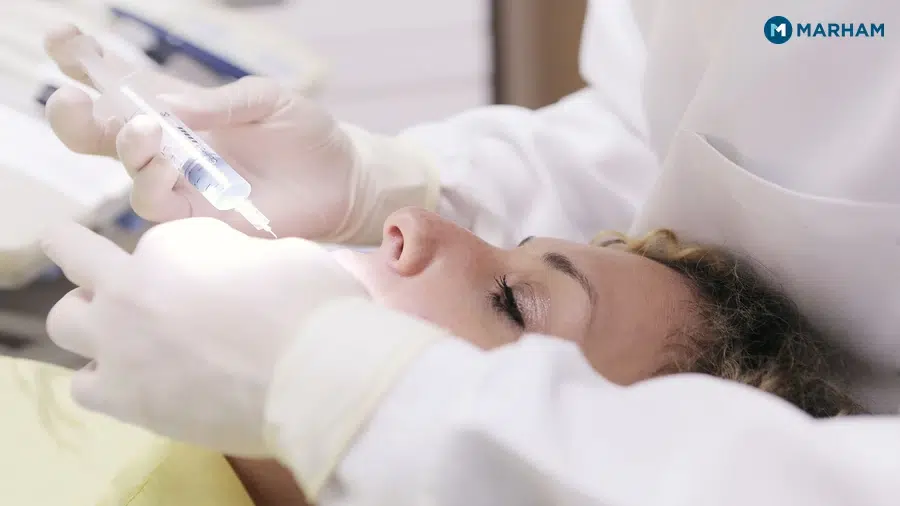
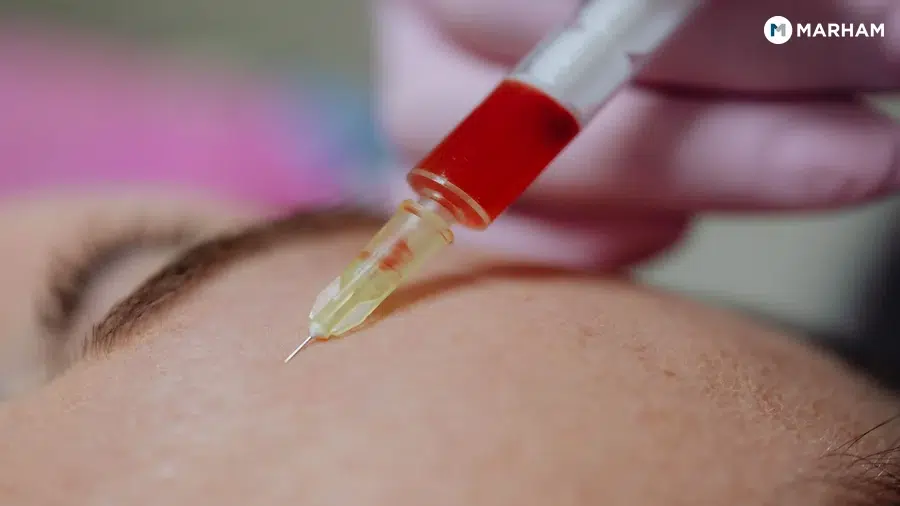
- Consult a dermatologist for persistent focal sweating. If steps 1 through 6 haven’t helped after 4 to 6 weeks, a dermatologist can offer prescription-strength options including anticholinergic medications, iontophoresis (a device that passes mild electrical current through water to temporarily block sweat glands), or botulinum toxin (Botox) injections, which the FDA has approved for excessive underarm sweating and which are available at dermatology clinics in Karachi, Lahore, and Islamabad, typically starting from PKR 35,000 per session.
When to See a Doctor for Excessive Sweating
Not every case of heavy sweating needs a specialist, but certain patterns do. See a doctor promptly if the sweating started suddenly in adulthood with no obvious trigger, occurs mostly at night, is accompanied by unexplained weight loss, fever, or heart palpitations, or is severe enough to interfere with work, studies, or social life.
Night sweats in particular deserve attention. According to Johns Hopkins Medicine, some cancers are known to cause night sweats, so new-onset nocturnal sweating should be evaluated rather than ignored. Tuberculosis, still a public health concern in Pakistan, is another cause of night sweats that warrants testing.
Consulting a qualified dermatologist in Pakistan can confirm whether you have primary or secondary hyperhidrosis, order relevant tests, and map out a treatment plan matched to your specific pattern.
Get Expert Help from Marham
Finding the right specialist for a condition like excessive sweating can feel awkward. Many Pakistani patients delay seeking help because they assume it’s not a serious enough reason to visit a doctor, or because they’re unsure which specialty to approach. Dermatologists handle most hyperhidrosis cases, while an endocrinologist is the right choice when thyroid disease or diabetes may be the underlying driver.
Marham connects you with verified dermatologists in Pakistan and endocrinologists through online consultations, so you can speak to a specialist from home without a hospital visit. A short consultation typically takes 15 to 20 minutes and can clarify whether your sweating needs further testing, a prescription, or simply a structured management plan you can follow yourself.
Frequently Asked Questions
Is excessive sweating a sign of diabetes?
Excessive sweating can be associated with uncontrolled diabetes, particularly as a symptom of hypoglycaemia (low blood sugar), but it is not a reliable standalone sign of the condition. If sweating is accompanied by shakiness, hunger, or confusion, check blood sugar and consult a doctor.
What vitamin deficiency causes excessive sweating?
No vitamin deficiency is a well-established direct cause of hyperhidrosis. Some research suggests low vitamin D may affect nerve function, but the link is not strong enough to recommend supplements as a treatment for sweating without a confirmed deficiency.
Can stress cause excessive sweating?
Yes. Stress activates the sympathetic nervous system, which directly stimulates sweat glands. This is why palms and underarms often sweat during anxiety-inducing situations. Managing stress through breathing exercises or professional support can reduce stress-triggered sweating over time.
Is hyperhidrosis curable?
Primary hyperhidrosis is managed rather than cured, but many people achieve very good long-term control with antiperspirants, medications, or procedures like Botox injections. Secondary hyperhidrosis often improves significantly once the underlying condition, such as a thyroid disorder, is treated.
How do I stop excessive sweating naturally?
Using a clinical-strength antiperspirant at night, wearing breathable cotton clothing, reducing spicy food and caffeine, and managing stress are the most evidence-supported lifestyle steps. These measures help many people but may not be sufficient for moderate to severe hyperhidrosis, which benefits from medical treatment.
Does excessive sweating cause body odour?
Not directly. According to NHS Inform, excessive sweating itself doesn’t usually cause a bad smell. Body odour occurs when bacteria on the skin break down sweat. Keeping skin clean, using an antibacterial soap, and applying antiperspirant consistently can manage both.
When should I see a doctor for sweating?
See a doctor if sweating started suddenly in adulthood, occurs at night, is accompanied by weight loss or palpitations, or is affecting your daily life. A dermatologist or general physician can evaluate whether an underlying condition is involved.
Conclusion
Excessive sweating is more than a comfort issue. It can signal an underlying condition, affect confidence, and limit daily activity in ways that are genuinely disruptive. Most cases respond well to a structured approach: the right antiperspirant used correctly, sensible adjustments to diet and clothing choices suited to Pakistan’s climate, and medical evaluation when the pattern points to something deeper. Knowing which type of hyperhidrosis you have is the starting point, and that’s a question a dermatologist or general physician can answer with a straightforward consultation.


