


Your 30s feel like the healthiest decade. You’re past the chaos of your 20s, you have more control over your routine, and serious illness still feels far away. That sense of invincibility is exactly what makes this decade the riskiest time to skip a health checkup.
Pakistan’s disease picture has shifted sharply. According to the second National Diabetes Survey of Pakistan (NDSP) 2016-17, the age-adjusted prevalence of diabetes in Pakistani adults is 26.3%, with another 14.4% in the pre-diabetes range. A 2024 study from tertiary hospitals in Rawalpindi found that 22% of patients had undiagnosed hypertension. Both conditions develop silently, often through your 30s, and show up as a crisis in your 40s. The 30s are when the window to catch and reverse these trends is still wide open.
This guide covers the nine tests that matter most for Pakistani men and women in their 30s, why each one is relevant to our diet and lifestyle, and what to do with the results.
تیس سال کی عمر میں صحت کی جانچ
تیس کی دہائی میں صحت کا معائنہ کروانا پاکستانیوں کے لیے انتہائی ضروری ہے، کیونکہ ذیابیطس، بلند فشارِ خون اور تھائیرائیڈ جیسی بیماریاں اس عمر میں خاموشی سے شروع ہو جاتی ہیں۔ قومی ذیابیطس سروے 2016-17 کے مطابق پاکستان میں ذیابیطس کا پھیلاؤ 26 فیصد سے زائد ہے، جو کہ ایک تشویشناک صورتحال ہے۔ روزانہ کی چائے، پراٹھے، اور بیٹھ کر کام کرنے کی عادت ان بیماریوں کے خطرے کو بڑھاتی ہے۔ اس لیے تیس سال کی عمر میں خون کا ٹیسٹ، بلڈ پریشر، کولیسٹرول، اور تھائیرائیڈ کی جانچ ضرور کروائیں۔ بروقت تشخیص سے علاج آسان اور مؤثر ہو جاتا ہے۔
Why Your 30s Are the Critical Window for Screening
Your body in your 30s is not the same as it was at 22. Metabolism slows, muscle mass starts to dip slightly, and the cumulative effect of a high-carb Pakistani diet (think white roti three times a day, sweet chai after every meal, and biryani on weekends) begins to show in your blood markers even before you feel anything. Blood sugar and blood pressure rarely announce themselves with obvious symptoms early on. By the time you feel unwell, the damage to blood vessels, kidneys, or the heart may already be underway.
Screening at this stage is not about finding disease. It’s about knowing your baseline so any change over the next decade can be caught early. A 32-year-old with a slightly elevated fasting glucose has a real chance to reverse course through diet and activity. A 45-year-old finding out for the first time has far less room to manoeuvre.
The 9 Essential Tests for a Health Checkup in Your 30s
1. Fasting Blood Sugar and HbA1c
This is the single most important test for Pakistani adults in their 30s. The diabetes risk in Pakistan is not abstract: a family history of diabetes, a diet high in refined carbohydrates, and a sedentary desk job are the exact conditions millions of urban Pakistanis live with every day.

A fasting blood glucose test measures your sugar after at least 8 hours without food. HbA1c (glycated haemoglobin) gives a 3-month average of blood sugar levels and is more useful for spotting a trend. Per the American Diabetes Association (ADA), a fasting glucose consistently above 126 mg/dL on two separate occasions may indicate diabetes, but diagnosis requires clinical evaluation by a doctor. The ADA recommends diabetes screening for all adults from age 35, and earlier if you have risk factors such as a family history of diabetes, a BMI over 23 (the Asia-Pacific threshold for South Asians), or high blood pressure.
In Pakistan, many doctors recommend starting at 30 if any first-degree relative has diabetes.
2. Lipid Profile (Cholesterol Panel)
A lipid profile measures total cholesterol, LDL (low-density lipoprotein, the type associated with arterial plaque), HDL (high-density lipoprotein, the protective type), and triglycerides. The American Heart Association (AHA) recommends that all adults over 20 get a cholesterol check at least every 4 to 6 years, with more frequent checks if results are abnormal or risk factors are present.
For Pakistani patients, triglycerides deserve special attention. A diet heavy in white rice, maida (refined flour), and sugary drinks tends to push triglycerides up even in people who are not obviously overweight. Many people in Lahore and Karachi with a normal body weight still carry elevated triglycerides that a lipid profile would catch.
3. Blood Pressure Measurement
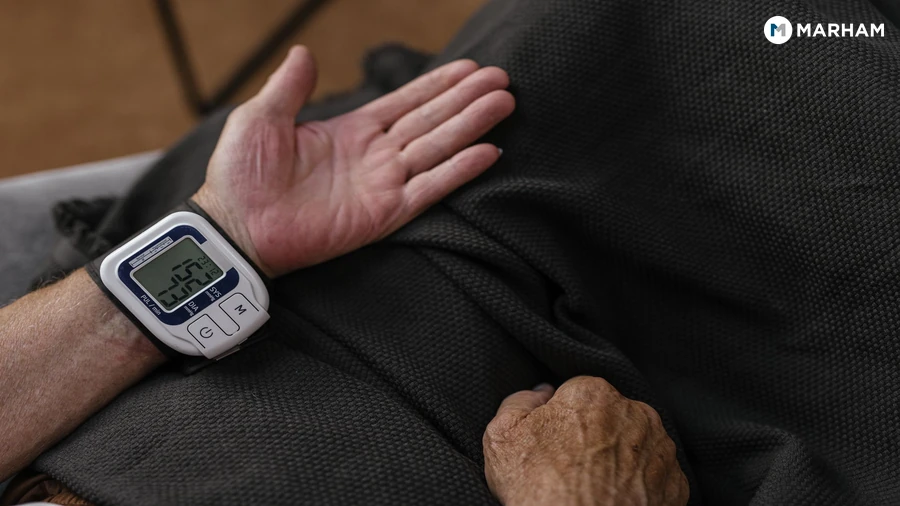
High blood pressure (hypertension) has no reliable symptoms. You can feel completely fine with a reading of 150/95 mmHg. The AHA defines normal blood pressure as below 120/80 mmHg. Readings consistently at or above 130/80 mmHg warrant a conversation with your doctor.
The 2024 Rawalpindi hospital study found 22% undiagnosed hypertension among OPD patients, and a Pakistani PMRC survey showed that 70 to 85% of hypertensive patients in Pakistan were unaware of their condition. A blood pressure reading takes two minutes and costs nothing at a clinic. There is no reason to skip it.
4. Complete Blood Count (CBC)
A CBC measures your red blood cells, white blood cells, haemoglobin, and platelets. It screens for anaemia (low haemoglobin), infection, and in rare cases signals other blood disorders. In Pakistan, iron-deficiency anaemia is common among women of reproductive age, and vitamin B12 deficiency is increasingly seen in people eating a predominantly vegetarian or low-meat diet. A CBC tells your doctor whether your fatigue is just lifestyle-related or something that needs follow-up.
5. Thyroid Function Test (TSH)
The thyroid gland regulates metabolism, energy, weight, mood, and menstrual cycles in women. An underactive thyroid (hypothyroidism) can cause weight gain, cold intolerance, fatigue, and low mood, all of which are easy to attribute to stress or a busy lifestyle. A TSH (thyroid-stimulating hormone) test is a simple blood draw. Women in Pakistan are more likely to develop thyroid disorders than men, and the 30s are when many cases first surface. If you’re always feeling cold or constantly tired, a TSH test is worth asking your doctor about.
6. Liver Function Tests (LFTs)
LFTs check how well your liver is working by measuring enzymes and proteins in the blood. In Pakistan, where hepatitis B and hepatitis C are endemic, LFTs are part of a responsible baseline screen. The WHO estimates Pakistan has one of the highest hepatitis C burdens globally. If you have never been tested for hepatitis B or C, your 30s are the right time. Both are treatable when caught early.
7. Urine Routine Examination
A urine test is inexpensive (typically Rs 200 to 400 at most labs) and reveals a lot: kidney function markers, early signs of diabetes, urinary tract infections, and protein in the urine (which can be an early warning of kidney disease). In Pakistan, kidney disease is underdiagnosed partly because it has no symptoms in its early stages. A urine routine at your annual checkup is a simple safety net.
8. Eye Examination
The American Academy of Ophthalmology (AAO) recommends a comprehensive eye exam at least twice during your 30s, even if your vision seems fine. Glaucoma, a condition where pressure in the eye damages the optic nerve, often has no early symptoms. Diabetic retinopathy (damage to the retina from high blood sugar) can begin before a diabetes diagnosis is made. Screen time is high in Pakistani urban populations, and many people are already wearing glasses or straining their eyes by their early 30s. An annual eye check is no longer optional.
9. Mental Health Screening
This one rarely makes it onto Pakistani health checklists, but it should. Depression and anxiety screenings are recommended at annual checkups per the US Preventive Services Task Force (USPSTF). In Pakistan, the 30s bring peak career pressure, financial stress, and family responsibilities simultaneously. Untreated anxiety and depression affect sleep, blood pressure, and immune function. A brief conversation with your doctor using a validated screening tool (like the PHQ-9 for depression) takes five minutes and can open the door to help that many Pakistani patients never seek because they don’t know it’s available.

Health Checkup Tests: Quick Reference Table
| Test | What It Screens For | How Often (30s) | Approx. Cost in Pakistan |
|---|---|---|---|
| Fasting Blood Sugar + HbA1c | Diabetes, pre-diabetes | Yearly if at risk; every 3 years otherwise | Rs 500 to 1,200 |
| Lipid Profile | Cholesterol, triglycerides | Every 4 to 5 years (more if abnormal) | Rs 800 to 1,500 |
| Blood Pressure | Hypertension | At every clinic visit | Free at most clinics |
| CBC | Anaemia, infection | Yearly | Rs 400 to 800 |
| TSH (Thyroid) | Hypothyroidism, hyperthyroidism | Every 2 to 3 years | Rs 700 to 1,200 |
| LFTs + Hepatitis B/C | Liver health, hepatitis | Once; repeat if risk factors present | Rs 1,000 to 2,500 |
| Urine Routine | Kidney function, early diabetes | Yearly | Rs 200 to 400 |
| Eye Exam | Glaucoma, retinopathy, vision | Twice in the decade | Rs 500 to 1,500 |
| Mental Health Screen | Depression, anxiety | Yearly at annual checkup | Part of GP consultation |
For Women: Additional Checks in Your 30s
Women in their 30s have a few extra items on the checklist. A Pap smear screens for cervical cancer and is recommended every 3 years for women aged 21 to 65, or every 5 years combined with an HPV test from age 30, per the USPSTF. Breast self-examination should be a monthly habit, and any lump or change in the breast warrants prompt medical attention. Women with a family history of breast cancer should discuss earlier mammography with their gynaecologist. Bone density is another consideration: women begin losing bone mass gradually from their 30s, so a diet adequate in calcium and vitamin D matters now, not just in menopause.
For a broader checklist tailored to women, the health checklist for Pakistani women in their 20s on Marham is a useful companion read as you transition into the next decade.
How to Prepare for Your Annual Health Checkup
- Fast for 8 to 10 hours before your appointment if blood sugar and cholesterol tests are included. Plain water is fine.
- Bring a list of any medicines or supplements you take, including herbal remedies and unani preparations common in Pakistani households.
- Note your family history of diabetes, hypertension, heart disease, or cancer before the visit. Your doctor needs this to decide which additional tests apply to you.
- Avoid heavy exercise the evening before, as it can temporarily affect some blood markers.
- Go to a registered lab. In Lahore and Karachi, accredited labs such as those affiliated with Aga Khan University Hospital or similar ISO-certified facilities provide reliable results. Ask for a printed report with reference ranges.
- Don’t go alone if you can help it. Results can be surprising, and having a family member or friend present makes it easier to ask follow-up questions.
- Book a follow-up appointment with your doctor to review results, not just pick them up from the reception desk and file them away.
When to See a Specialist After Your Checkup
A general physician can interpret most routine results and guide next steps. But some findings need specialist attention. An elevated fasting blood glucose or HbA1c should be reviewed with an endocrinologist in Pakistan who can determine whether lifestyle changes alone are enough or whether medication is needed. Abnormal thyroid results, significant cholesterol elevation, or worrying liver enzymes all deserve specialist input rather than a wait-and-see approach. The earlier a specialist reviews an abnormal result, the more options you have.
Get Expert Guidance from Marham
Knowing which tests to get is one thing. Knowing what to do with the results is another. Many Pakistani patients collect their lab reports, see a few numbers flagged in red, and spend weeks anxious without knowing whether those numbers are actually concerning or just slightly outside a reference range that may not apply to their specific situation.
Marham connects you with verified nutritionists in Pakistan and other specialists through online consultations, so you can review your checkup results with a qualified professional from anywhere in the country. A short online consultation typically takes 15 to 20 minutes and can tell you clearly whether your results need follow-up, what lifestyle changes are worth making right now, and whether you need to see a specialist in person.
Frequently Asked Questions
How often should I get a health checkup in my 30s?
Men and women in their 30s should aim for a basic health checkup once a year. Per the National Library of Medicine, men in their 30s should visit their healthcare provider every 1 to 3 years even if they feel healthy, but annual visits are better if risk factors like a family history of diabetes or hypertension are present.
Is a full body checkup necessary every year in Pakistan?
Not every test needs repeating annually. Blood pressure and urine routine can be done yearly, while cholesterol and thyroid may only need checking every 2 to 5 years unless results are abnormal. Your doctor should guide the frequency based on your individual results and risk factors.
What blood tests should a woman get in her 30s?
Women in their 30s should prioritise CBC (to check for anaemia), TSH (thyroid), fasting blood sugar, lipid profile, LFTs, and a urine routine. A Pap smear and HPV test are also recommended. Women with irregular periods or fatigue should specifically ask about thyroid and iron levels.
When should I start getting tested for diabetes in Pakistan?
The American Diabetes Association recommends diabetes screening from age 35 for all adults. In Pakistan, many doctors advise starting at 30 if you have a parent or sibling with diabetes, are overweight, or have a sedentary lifestyle with a high-carb diet. A fasting blood sugar and HbA1c together give the clearest picture.
Can I skip my health checkup if I feel completely fine?
Feeling fine does not mean your blood sugar, blood pressure, or cholesterol are normal. Both hypertension and pre-diabetes are typically symptom-free in their early stages. A study from Rawalpindi in 2024 found 22% undiagnosed hypertension among hospital outpatients who had come in for other reasons, not for blood pressure complaints.
How much does a basic health checkup cost in Pakistan?
A basic panel covering CBC, fasting blood sugar, lipid profile, LFTs, TSH, and urine routine typically costs between Rs 3,000 and Rs 7,000 at an accredited lab in Lahore or Karachi. Prices vary by city and lab. Some labs offer bundled packages that bring the per-test cost down significantly.
What should I do if my checkup results are abnormal?
Don’t panic and don’t ignore it. A single abnormal reading is not a diagnosis. Share the results with a qualified doctor who can assess whether the finding is clinically significant, recommend repeat testing, or refer you to the right specialist. Avoid self-diagnosing based on internet searches alone.
Conclusion
Your 30s are genuinely the best time to get a health checkup, not because something is likely wrong, but because catching a problem early here gives you the most options. Blood sugar, blood pressure, cholesterol, thyroid, and a few targeted tests take a morning and cost a few thousand rupees. What they can prevent is far more expensive in every sense. Make the appointment, review the results with a doctor, and adjust what needs adjusting while the adjustments are still small.