



Your 40s are when the body quietly shifts gears. The roti-and-chai routine you have followed for decades starts to show up in your blood work, and conditions like high blood pressure or elevated blood sugar can develop without a single obvious symptom. Many Pakistani adults in this age group feel fine right up until a diagnosis that could have been caught two years earlier with a simple test.
According to the Second National Diabetes Survey of Pakistan (NDSP 2016-2017), nearly 46% of Pakistani adults had hypertension, and a significant proportion were newly diagnosed, meaning they had no idea. A separate analysis from the same survey found that abnormal cholesterol was most common in the 40 to 49 age group, particularly low HDL levels, which is the “good” cholesterol that protects the heart. These are not distant statistics. They describe the uncle at the family dinner table or the colleague who seemed perfectly healthy.
The good news is that most of the conditions that peak in this decade are manageable when caught early. Knowing which tests to get, and roughly what they cost in Pakistan, takes the guesswork out of a visit to the doctor.
صحت کی جانچ: 40 کی دہائی میں کیا کریں
چالیس سال کی عمر کے بعد صحت کی باقاعدہ جانچ بہت ضروری ہو جاتی ہے کیونکہ ذیابیطس، بلڈ پریشر، اور کولیسٹرول جیسی بیماریاں اکثر بغیر کسی علامت کے بڑھتی رہتی ہیں۔ پاکستان میں ان بیماریوں کا پھیلاؤ بہت زیادہ ہے اور بروقت تشخیص سے پیچیدگیوں سے بچا جا سکتا ہے۔ مردوں کو بلڈ شوگر، لپڈ پروفائل، بلڈ پریشر، اور گردوں کی جانچ کروانی چاہیے، جبکہ خواتین کو ان کے ساتھ تھائرائیڈ، پیپ سمیئر، اور میموگرام بھی شامل کرنا چاہیے۔ سال میں ایک بار مکمل چیک اپ کروانا ہر پاکستانی کی صحت کی ترجیح ہونی چاہیے۔
Key Tests Every 40-Year-Old Pakistani Should Get
A health checkup in your 40s is not a single test. It is a short panel of screenings that together give your doctor a clear picture of where your risks lie. The tests below are recommended based on guidelines from MedlinePlus (US National Library of Medicine) and are particularly relevant for Pakistani adults given local disease patterns.
| Test | What It Checks | How Often | Approx. Cost in Pakistan |
|---|---|---|---|
| Fasting Blood Sugar / HbA1c | Blood glucose, diabetes risk | Every 1 to 3 years | Rs. 300 to Rs. 1,200 |
| Lipid Profile | Cholesterol (LDL, HDL, triglycerides) | Every 1 to 2 years | Rs. 700 to Rs. 1,500 |
| Blood Pressure | Hypertension | At every visit, at minimum yearly | Rs. 0 to Rs. 300 |
| Kidney Function (Creatinine, eGFR) | Kidney health | Yearly if risk factors present | Rs. 500 to Rs. 1,000 |
| Liver Function Tests (LFTs) | Liver health | Every 1 to 2 years | Rs. 800 to Rs. 1,500 |
| Thyroid (TSH) | Thyroid function | Every 2 to 3 years (women especially) | Rs. 700 to Rs. 1,200 |
| Complete Blood Count (CBC) | Anaemia, infection, immunity | Yearly | Rs. 400 to Rs. 800 |
| Eye Exam | Glaucoma, diabetic eye changes | Every 2 to 4 years | Rs. 500 to Rs. 2,000 |
Costs are indicative ranges for labs in Karachi, Lahore, and Islamabad as of 2026 and will vary by facility.

Blood Sugar and Diabetes Screening: A Priority for Pakistani Adults
Diabetes screening deserves its own section, not just a table row. Pakistan has one of the highest rates of type 2 diabetes in the world, and the risk rises sharply from the 40s onward. A study published in PMC (2020) found that the odds of developing type 2 diabetes more than doubled between the 31 to 40 and 41 to 50 age groups, even in people with a normal body weight.
The test most doctors in Pakistan use is a fasting blood glucose test, ideally paired with an HbA1c (glycated haemoglobin), which reflects average blood sugar over the past two to three months. A single fasting reading alone can miss cases. If you eat three full meals a day including white rice, roti, and sweet chai, your HbA1c is a more honest picture of your metabolic health than a single morning glucose reading. Get both if you can.
If you have a family history of diabetes, are overweight, or have been told your blood pressure is high, start screening now rather than waiting until your mid-40s.
Blood Pressure and Cholesterol: The Silent Pair
High blood pressure and high cholesterol rarely cause symptoms. You can have both for years and feel completely normal. That is exactly what makes them dangerous.
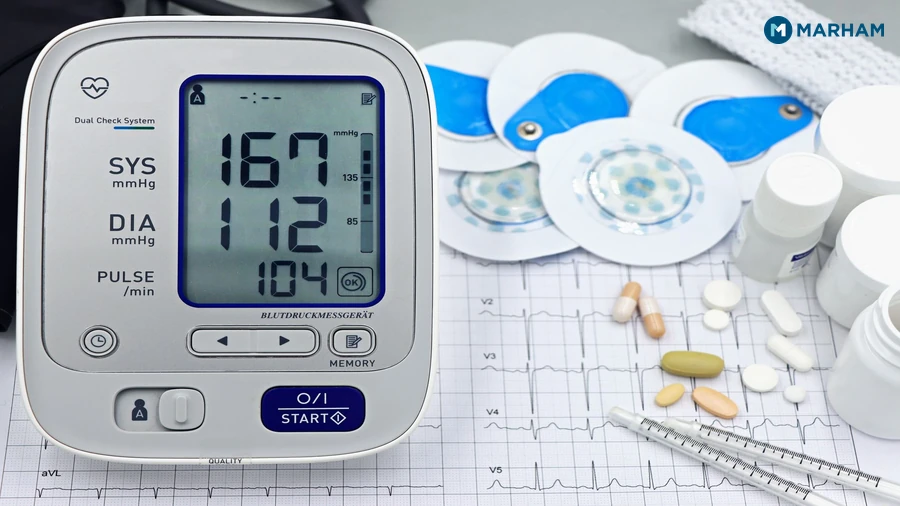
Blood pressure should be checked at least once a year in your 40s. A reading consistently at or above 130/80 mmHg warrants a conversation with your doctor, according to the American Heart Association. For Pakistani adults, the risk is compounded by a diet high in salt (think achaar, salan, and processed snacks) and low physical activity levels in desk-heavy urban jobs in Lahore and Karachi.
A lipid profile measures your total cholesterol, LDL (“bad” cholesterol), HDL (“good” cholesterol), and triglycerides. The NDSP 2016-2017 found that over 83% of Pakistani men and 90% of women in the survey had low HDL levels, which is a significant cardiovascular risk factor. This pattern, common across South Asian populations, means that even if your total cholesterol looks acceptable, your HDL may be too low to offer adequate heart protection. Ask your doctor to look at the full lipid breakdown, not just one number.
Gender-Specific Tests: What Men and Women Need Separately
Some screenings are specific to biological sex and should not be skipped.
For women in their 40s:
- Thyroid (TSH): Thyroid disorders are significantly more common in women. Fatigue, weight gain, and mood changes that many women attribute to “getting older” can actually be an underactive thyroid.
- Pap smear: Women aged 30 to 65 should get a Pap smear every 3 years or a combined Pap and HPV test every 5 years, per US Preventive Services Task Force guidelines.
- Mammogram: The American College of Obstetricians and Gynecologists recommends offering mammograms from age 40. Women with a family history of breast cancer should discuss earlier or more frequent screening with their gynaecologist.
- Bone density consideration: Not yet routine at 40, but women approaching perimenopause with risk factors should ask their doctor.
For men in their 40s:
- Prostate discussion: The National Comprehensive Cancer Network suggests men discuss prostate cancer risk with their doctor around age 45, particularly those with a family history.
- Testosterone levels: Not a routine screen, but worth checking if you experience unexplained fatigue, reduced libido, or mood changes.
For women, consulting a gynaecologist in Pakistan can help structure the right screening calendar based on personal and family history. You can also review the health checklist for Pakistani women in their 20s to understand what a preventive care habit looks like across decades.
How to Actually Get These Tests Done in Pakistan
Knowing the tests is one thing. Getting them done without spending a full day running between labs is another. Here is a practical approach:

- Start with a general physician (GP) visit. Ask for a written referral for a basic panel: CBC, fasting glucose, HbA1c, lipid profile, kidney function, liver function, and TSH (for women). A GP in most cities charges Rs. 500 to Rs. 2,000 for a consultation.
- Use a reputable diagnostic lab. Labs like Chughtai in Lahore or Essa Lab in Karachi offer bundled health packages for Rs. 5,000 to Rs. 15,000 that cover most of the above. Home sample collection is now available in most major cities.
- Fast for 10 to 12 hours before blood tests. You can drink plain water. Do not skip this step, as eating beforehand skews fasting glucose and triglyceride results.
- Take your blood pressure reading at the start of the visit, before any anxiety builds. Sit quietly for five minutes first. A single elevated reading is not a diagnosis; your doctor will look at a pattern over time.
- Book an eye exam at an ophthalmology clinic separately. Eye screenings are not included in most lab packages. In Karachi and Lahore, a basic eye exam at a private clinic costs Rs. 500 to Rs. 2,000.
- Keep a record. Take a photo of your results or keep them in a folder. Comparing this year’s lipid profile to next year’s is where the real value lies.
- Discuss your family history with your doctor before ordering tests. If a parent had a heart attack before age 55, or if diabetes runs in the family, your doctor may recommend additional tests like an ECG (electrocardiogram) or a stress test.
When to See a Specialist, Not Just a GP
A GP is the right starting point, but some findings need a specialist. If your fasting blood sugar comes back consistently elevated, or your HbA1c is above 6.5%, ask for a referral to an endocrinologist in Pakistan. If your lipid profile shows significantly high LDL or low HDL alongside a family history of heart disease, a cardiologist in Pakistan can assess your cardiovascular risk more precisely and may recommend an ECG or echocardiogram.
Do not wait for symptoms. By the time high blood pressure or diabetes causes obvious discomfort, it has often already done quiet damage to the kidneys, eyes, or heart.
Get Expert Guidance from Marham
Finding the right specialist in Pakistan can mean long waiting times, especially outside Karachi, Lahore, and Islamabad. Many people in their 40s are also managing work and family commitments that make a clinic visit hard to schedule. Marham connects you with verified nutritionists in Pakistan and other specialists who consult online, so you can get a personalised screening plan without travelling across the city.
A short online consultation typically takes 15 to 20 minutes. You can share your existing test results, describe your family history, and ask which additional screenings make sense for your specific situation. A nutritionist can also help you adapt your diet, whether that means cutting down on the evening chai with two spoons of sugar or managing portion sizes of rice and roti, to reduce your metabolic risk before it becomes a clinical problem.
Frequently Asked Questions
What blood tests should a 40-year-old get?
A 40-year-old should get a fasting blood glucose or HbA1c, lipid profile, complete blood count, kidney function tests, liver function tests, and TSH (especially for women). These cover the most common conditions that develop silently in this decade.
How often should you get a health checkup in your 40s?
Most guidelines recommend a full health checkup at least once a year in your 40s, or every two years if all previous results are normal and you have no major risk factors. People with diabetes, hypertension, or a strong family history of heart disease may need more frequent monitoring.
Is a full body checkup necessary at 40 even if you feel healthy?
Yes. High blood pressure, high cholesterol, and early diabetes often cause no symptoms at all. A checkup in your 40s is specifically valuable because it catches these conditions before they cause damage to the heart, kidneys, or eyes.
What happens at a 40-year-old health check in Pakistan?
A typical health check includes a blood pressure reading, blood tests (glucose, cholesterol, CBC, kidney and liver function), and a review of your family history and lifestyle. Some packages also include an abdominal ultrasound and ECG. The doctor will discuss results and recommend any follow-up tests or specialist referrals.
Can I get a health checkup package in Pakistan under Rs. 10,000?
Yes. Several diagnostic labs in Lahore, Karachi, and Islamabad offer bundled health screening packages for Rs. 5,000 to Rs. 10,000 that include most of the essential blood tests for the 40s. Some include home sample collection at no extra charge.
When should a Pakistani woman in her 40s see a gynaecologist?
A woman in her 40s should see a gynaecologist for a Pap smear every 3 years, a breast examination, and to discuss mammogram timing based on her family history. Any new changes in the menstrual cycle, unexplained weight gain, or fatigue that persists despite rest are also worth discussing.
What is the most important test for someone in their 40s with a family history of diabetes?
For someone with a family history of diabetes, the HbA1c test is the most informative single test. Unlike a fasting glucose reading, it reflects blood sugar control over the past two to three months and is harder to “pass” by eating carefully the night before.
Conclusion
Your 40s are genuinely the decade where preventive care pays its biggest dividend. Most of the conditions that cause serious illness in the 50s and 60s, including heart disease, diabetes, and kidney damage, are detectable and manageable in their early stages. A basic panel of blood tests, a blood pressure reading, and a conversation with your doctor about your family history costs far less, in money and in health, than treating a condition that went unnoticed for years. Book that checkup.


