


How Many Calories Do I Need in a Day?
The simple answer is most adults need between 1,600 and 3,000 calories per day. However, this number is not the same for everyone. Your calorie needs depend on your age, gender, weight, height, and how active you are.
The common “2,000 calories a day” number you see on food labels is just a rough average. According to the Cleveland Clinic, some people need 600 calories more or less than that number. Eating too much leads to weight gain. Eating too little slows your metabolism and leaves your body short on energy.
This guide breaks it down so you can find a number that fits your body.
Daily Calorie Intake by Age and Gender
The U.S. Department of Agriculture (USDA) publishes calorie estimates based on the Dietary Guidelines for Americans 2020-2025. Here is a simplified chart:
For Women:
| Age | Not Active | Moderately Active | Active |
| 19-25 | 2,000 | 2,200 | 2,400 |
| 26-30 | 1,800 | 2,000 | 2,400 |
| 31-50 | 1,800 | 2,000 | 2,200 |
| 51-60 | 1,600 | 1,800 | 2,200 |
| 61+ | 1,600 | 1,800 | 2,000 |
For Men:
| Age | Not Active | Moderately Active | Active |
| 19-25 | 2,400 | 2,800 | 3,000 |
| 26-35 | 2,400 | 2,600 | 3,000 |
| 36-50 | 2,200 | 2,400 | 2,800 |
| 51-60 | 2,200 | 2,400 | 2,600 |
| 61+ | 2,000 | 2,200 | 2,400 |
“Not active” means you only do basic daily tasks like walking around the house. “Moderately active” means you walk about 2 to 5 km a day at a normal pace. “Active” means you walk more than 5 km a day or do regular exercise.
How to Calculate Your Daily Calories
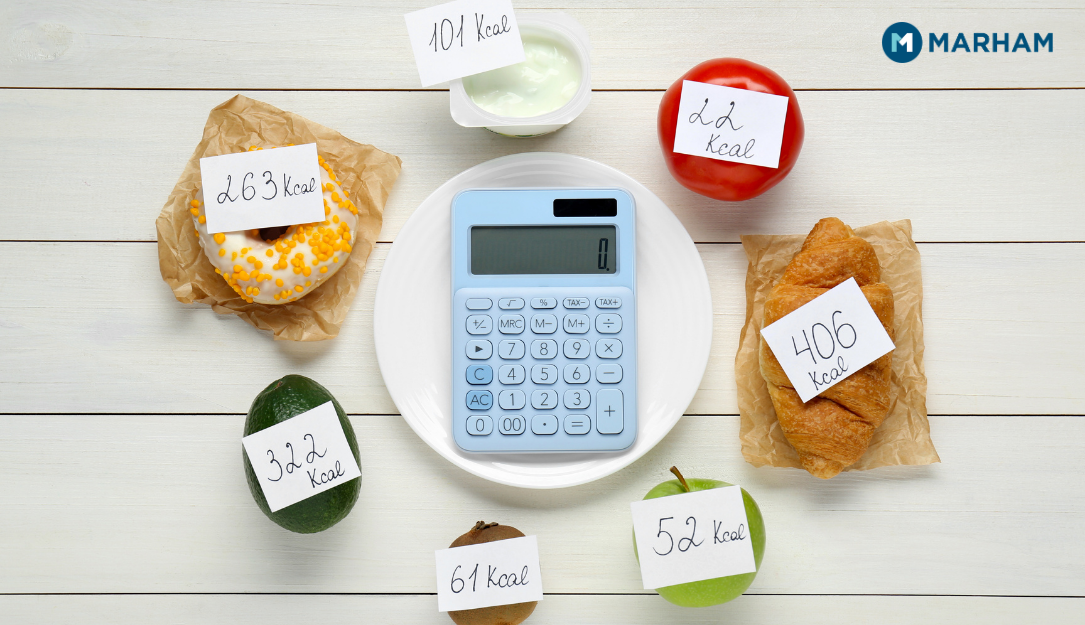
To answer your query “how many calories do I need in a day”, the most accurate formula used by doctors and nutritionists is the Mifflin-St Jeor equation. A study in the Journal of the American Dietetic Association found that it predicts calorie needs within 10% accuracy for most people.
Here is how it works:
For men: BMR = (10 × weight in kg) + (6.25 × height in cm) – (5 × age in years) + 5
For women: BMR = (10 × weight in kg) + (6.25 × height in cm) – (5 × age in years) – 161
BMR stands for Basal Metabolic Rate. It tells you how many calories your body burns just by being alive. Breathing, pumping blood, and keeping your organs working all use energy. About 60% to 70% of your daily calories go toward these basic functions alone.
After you get your BMR, multiply it by your activity level:
- Sitting most of the day: BMR × 1.2
- Light exercise (1-3 days a week): BMR × 1.375
- Moderate exercise (3-5 days a week): BMR × 1.55
- Heavy exercise (6-7 days a week): BMR × 1.725
The final number is your total daily calorie needs.
Example: A 30-year-old Pakistani woman who weighs 60 kg, is 160 cm tall, and walks daily would calculate:
BMR = (10 × 60) + (6.25 × 160) – (5 × 30) – 161 = 1,289 calories at rest
Daily need = 1,289 × 1.55 = about 1,998 calories per day
How Many Calories Do I Need in a Day to Lose Weight?
To lose weight, you need to eat fewer calories than your body burns. Harvard Health says that cutting 500 calories per day from your maintenance level leads to about half a kg of weight loss per week.
But there is a floor. Women should not eat fewer than 1,200 calories a day. Men should not go below 1,500 calories. Eating less than this can slow your metabolism, cause muscle loss, and leave you low on nutrients.
Crash diets that cut calories too fast often backfire. According to NCBI StatPearls, when the body gets too few calories, it switches to survival mode. Metabolism slows down. Cortisol (the stress hormone) rises. The body also holds on to fat instead of burning it.
Common Calorie Mistakes in Pakistani Diet
 Many people struggle and often ask, how many calories do I need in a day?
Pakistani meals are mostly calorie-dense without looking like it. One plate of biryani can contain 400 to 600 calories. A paratha with butter adds around 300 calories. Two cups of chai with sugar adds another 100 to 150 calories. These add up fast.
The fix is not to stop eating these foods. It is to know the portion size. Use a smaller plate. Add salad or raita alongside heavy meals. Cut back on sugar in your tea.
When to Talk to a Doctor
If you are gaining or losing weight without trying, it may not be about calories alone. Thyroid issues, diabetes, and hormonal imbalances can all affect how your body uses energy.
Book a consultation with a nutritionist on Marham now! Call 0311-1222398 to get a personalized diet plan based on your health and goals.
