




Many people in Pakistan feel tired despite eating well, struggle to lose weight even after cutting back on food, or notice their energy dropping through the day. A sluggish metabolism is often part of the reason. Understanding how to increase metabolism can make a real difference to your energy, weight, and overall health.
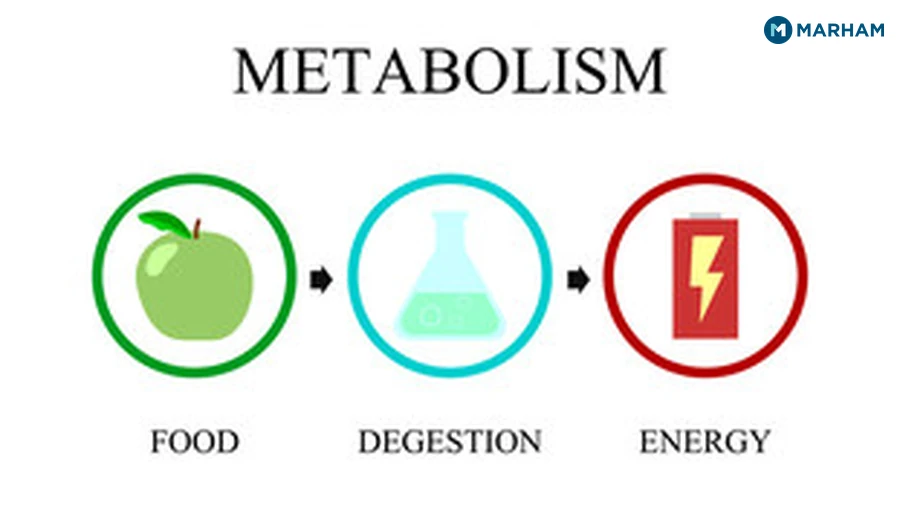
Metabolism is the process your body uses to convert food and drink into energy. Even at rest, your body burns calories to keep vital functions running, such as breathing, circulating blood, and repairing cells. This resting calorie burn is called your basal metabolic rate (BMR), and it accounts for roughly 60 to 80% of your daily energy use, according to the NIH.
In Pakistan’s urban centres like Karachi and Lahore, a common pattern works against metabolism: long desk-job hours with little movement, meals heavy in refined carbohydrates (think white rice, roti, and chai with sugar), and late-night eating. These habits, combined with rising rates of thyroid disorders and PCOS among Pakistani women, mean a slow metabolism is a real and common concern, not just an excuse.
میٹابولزم کیسے بڑھائیں
میٹابولزم وہ عمل ہے جس کے ذریعے ہمارا جسم کھانے کو توانائی میں بدلتا ہے۔ پاکستان میں بیٹھ کر کام کرنے کا طرزِ زندگی، پروٹین کی کم مقدار، اور نیند کی کمی میٹابولزم کو سست کر دیتی ہے۔ پروٹین سے بھرپور غذا، طاقت کی ورزش، اور وقت پر کھانا کھانا میٹابولزم کو بہتر بنانے کے سب سے مؤثر طریقے ہیں۔ تھائرائیڈ یا پی سی او ایس جیسی بیماریاں بھی میٹابولزم کو متاثر کر سکتی ہیں، اس لیے ڈاکٹر سے مشورہ ضروری ہے۔
Signs Your Metabolism May Be Slow
A slow metabolism doesn’t announce itself clearly. The signs are easy to miss or blame on other things.
Common signs include:

- Persistent fatigue even after a full night’s sleep
- Weight gain despite no major change in eating habits
- Feeling cold when others around you are comfortable
- Slow digestion or constipation
- Difficulty losing weight despite consistent effort
These symptoms can also point to hypothyroidism or PCOS, both of which are associated with a slower metabolic rate. If you’re experiencing several of these together, a medical evaluation is worth pursuing rather than simply adjusting your diet.
What Causes a Slow Metabolism
Several factors slow down your body’s calorie-burning rate, and some are more relevant to Pakistani lifestyles than others.
Age: Resting energy expenditure declines by roughly 1 to 2% per decade as the body loses muscle mass, according to research published in peer-reviewed nutrition journals.
Low muscle mass: Muscle tissue burns more calories than fat, even at rest. A lifestyle with little resistance exercise accelerates muscle loss over time.
Skipping meals: When calorie intake drops too low, the body conserves energy by slowing metabolism. This is why crash diets tend to backfire. Skipping sehri during Ramadan, for example, and then eating a large iftar meal can trigger the same conservation response.
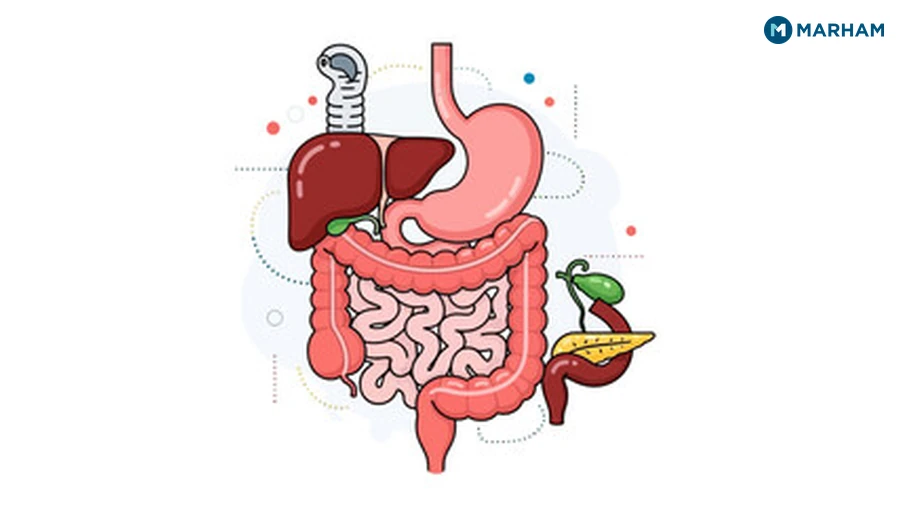
Medical conditions: Hypothyroidism, PCOS, and insulin resistance can all reduce metabolic rate. These conditions are particularly common among Pakistani women and often go undiagnosed for years.
Low protein intake: A typical Pakistani plate is carbohydrate-heavy. Dal and roti are nutritious, but if the protein portion is small, the thermic effect of food (the calories burned digesting a meal) stays low.
7 Evidence-Based Ways to Increase Metabolism
These are the approaches with the strongest evidence, adapted for a Pakistani lifestyle.
- Eat enough protein at every meal. Protein has the highest thermic effect of food, requiring 20 to 30% of its own calories just to digest, compared to 5 to 10% for carbohydrates, according to Healthline citing peer-reviewed data. Add a portion of eggs, dahi (plain yoghurt), dal, or grilled chicken to each meal. A bowl of dahi at breakfast costs around Rs 40 to 60 at any local kiryana store and is one of the most practical protein boosts available.
- Add strength training twice a week. Building lean muscle raises your BMR because muscle is metabolically active tissue that requires energy to maintain even at rest. Bodyweight exercises at home work fine: squats, push-ups, and lunges need no equipment.
- Try short bursts of high-intensity movement. High-intensity interval training (HIIT) has been shown to increase metabolic rate for hours after the workout ends, a phenomenon known as excess post-exercise oxygen consumption (EPOC). A 15-minute HIIT session in the morning, before the heat of a Karachi or Lahore summer day sets in, is a practical way to fit this in.
- Don’t skip meals, especially breakfast. Skipping meals signals the body to conserve energy, which slows calorie burning. A protein-rich breakfast, such as two boiled eggs with a small paratha, keeps metabolism active through the morning.
- Drink water consistently through the day. Dehydration reduces the body’s ability to burn fat efficiently. In Pakistan’s hot climate, especially from May to August when temperatures regularly cross 40°C in cities like Multan and Faisalabad, fluid loss is rapid. Starting the morning with two glasses of water before chai is a simple habit that supports metabolic function.
- Swap some refined carbs for fibre-rich alternatives. Whole-grain atta roti instead of maida, brown rice instead of white, and adding sabzi (vegetables) to each meal all slow digestion and maintain a steadier energy burn throughout the day.
- Prioritise 7 to 8 hours of sleep. Poor sleep disrupts ghrelin and leptin, the hormones that regulate hunger and fullness. This can lead to overeating and a measurable reduction in the body’s fat-metabolising efficiency, per a 2019 study cited by Healthline.
Metabolism-Boosting Foods for a Pakistani Diet
No single food will transform your metabolic rate. That said, some foods support calorie burning better than others when part of a balanced diet.
| Food | Why It Helps | Practical Use |
|---|---|---|
| Eggs | High-protein, raises TEF | Breakfast or snack |
| Dahi (plain yoghurt) | Protein + calcium | With meals or as a raita |
| Green tea | Catechins may mildly raise fat oxidation | Replace one cup of chai |
| Dal (lentils) | Plant protein + fibre | Daily meal staple |
| Green chillies | Capsaicin may briefly raise metabolic rate | Add to sabzi or chutney |
| Whole-grain atta roti | Slower digestion, steadier energy | Replace maida roti |
Green tea contains a compound called EGCG (epigallocatechin gallate) that, combined with caffeine, may mildly increase calorie expenditure. A meta-analysis cited by Harvard Health found that roughly three cups per day may help burn around 100 extra calories daily, though the effect is modest. Replacing one cup of your regular chai with green tea is a small, realistic swap.
When to See a Doctor About Your Metabolism
Lifestyle changes help most people, but sometimes a slow metabolism has a medical cause that no amount of exercise or diet adjustment will fix on its own. Thyroid disorders and PCOS are the two most common medical reasons for metabolic slowdown in Pakistani women. If you’ve made consistent lifestyle changes for 6 to 8 weeks and still feel fatigued, are gaining weight without explanation, or feel unusually cold, it’s worth getting a proper evaluation.
A nutritionist in Pakistan can assess your diet and suggest a personalised plan, while an endocrinologist in Pakistan can run the right tests to rule out thyroid or hormonal issues. Getting both angles covered gives you a clearer picture than guessing on your own.
Get Metabolic Guidance from Marham
Many people in Pakistan spend months trying different diets and exercise routines without knowing whether an underlying condition is working against them. A short consultation with a specialist can save a lot of wasted effort.
Marham connects you with verified nutritionists in Pakistan who can review your current diet, identify gaps in protein or micronutrient intake, and build a realistic plan around Pakistani foods you already eat. If a hormonal issue is suspected, the same platform connects you to endocrinologists who consult online, so you don’t need to travel across the city. A typical online consultation takes 15 to 20 minutes and can point you in the right direction quickly.
Frequently Asked Questions
What are the signs of a slow metabolism?
Common signs include persistent fatigue, unexplained weight gain, feeling cold, slow digestion, and difficulty losing weight despite effort. These can also indicate a thyroid condition, so a doctor’s evaluation is advisable if several signs appear together.
Can you increase metabolism after 30 or 40?
Yes. While metabolism does slow with age due to muscle loss, strength training and adequate protein intake can counteract much of this decline. Consistent lifestyle changes remain effective at any age.
Does green tea boost metabolism?
Green tea may provide a modest boost. The compound EGCG, combined with caffeine, can mildly increase fat oxidation, but the effect is small and not a substitute for exercise or a protein-rich diet.
Does drinking water increase metabolism?
Staying well-hydrated supports efficient calorie burning, and dehydration measurably reduces fat metabolism. In Pakistan’s heat, consistent water intake throughout the day is especially important for metabolic health.
Is it possible to permanently increase metabolism?
You can raise your resting metabolic rate over time by building muscle through regular strength training. This is the most durable way to increase the calories your body burns at rest. Other habits like diet and sleep support but don’t permanently change your BMR on their own.
What foods speed up metabolism in a Pakistani diet?
High-protein foods like eggs, dahi, dal, and grilled chicken have the strongest effect by raising the thermic effect of food. Green chillies, green tea, and whole-grain atta roti are useful supporting additions to an everyday Pakistani diet.
When should I see a doctor about slow metabolism?
See a doctor if fatigue, weight gain, or cold intolerance persist after 6 to 8 weeks of consistent lifestyle changes. Thyroid disorders and PCOS are common medical causes of slow metabolism in Pakistan and require proper diagnosis and treatment.
Conclusion
Increasing metabolism naturally comes down to a handful of consistent habits: eating enough protein, building some muscle, staying active through the day, sleeping well, and drinking enough water. For Pakistani readers, the most practical starting point is adjusting what’s already on the plate, adding protein to meals, swapping one chai for green tea, and moving a little more between meals. If lifestyle changes don’t move the needle after a couple of months, a medical evaluation can rule out thyroid or hormonal conditions that need treatment of their own.


