


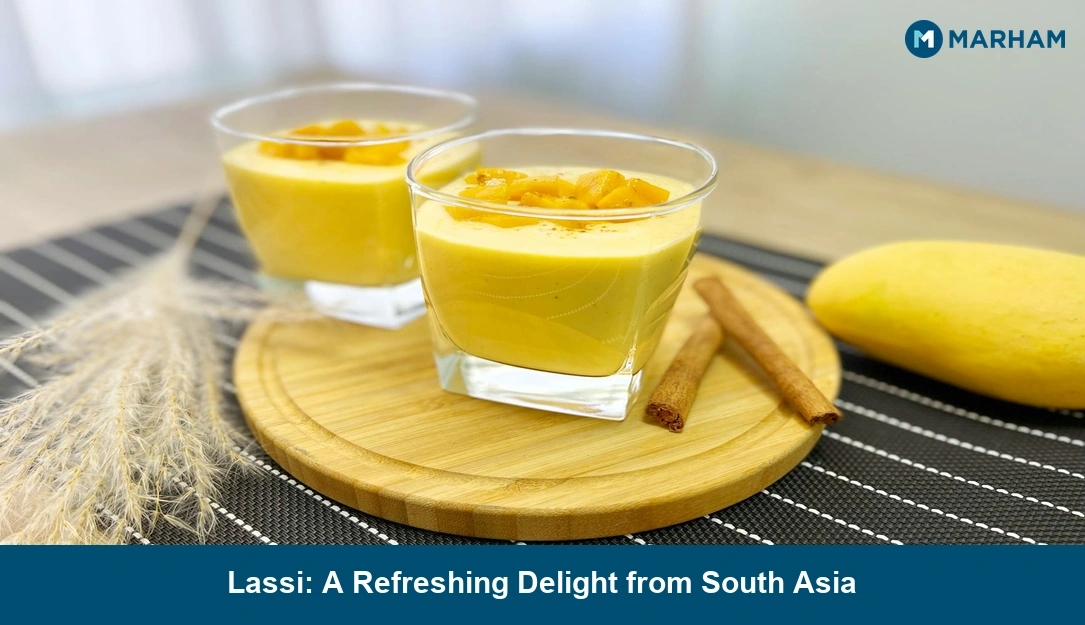
Lassi, a traditional drink hailing from the South Asian subcontinent, is a delightful concoction that has captured the hearts and taste buds of many around the world. With its creamy texture and refreshing taste, lassi is more than just a beverage; it is a cultural staple in countries like Pakistan and India.
What is Lassi?
Lassi is a yogurt-based drink that is often flavored with spices, fruits, or sugar. Traditionally, it is made by blending yogurt with water, and sometimes milk, to create a smooth and frothy drink. The unique combination of ingredients offers a refreshing and cooling effect, making it a popular choice in the hot climates of South Asia.
Types of Lassi
Lassi comes in various forms, each offering a distinct taste experience. The most common types include:
- Sweet Lassi: Made with sugar and often garnished with cardamom or rose water, this version is a popular choice for those with a sweet tooth.
- Salted Lassi: A savory alternative, typically seasoned with salt and spices such as cumin or mint, providing a tangy and refreshing taste.
- Fruit Lassi: Incorporates fruits like mangoes or strawberries, blending them into the yogurt mix for a fruity twist.
- Bhang Lassi: A traditional drink infused with bhang (cannabis paste), often consumed during festivals like Holi in India.
Health Benefits of Lassi
Lassi is not only delicious but also packed with health benefits. Its primary ingredient, yogurt, is a rich source of probiotics which are beneficial for gut health. Probiotics help in maintaining a healthy balance of gut bacteria and can improve digestion.
According to health experts, probiotics found in yogurt can also enhance the immune system and may even reduce the risk of certain infections [Source: NIH, 2023]. Furthermore, lassi is known to be a good source of calcium and vitamins necessary for bone health.
Nutritional Value
Yogurt, the main component of lassi, is packed with essential nutrients. It contains protein, calcium, vitamin B12, and riboflavin, which are crucial for maintaining overall health. Additionally, the addition of fruits in fruit lassi increases its vitamin C content, providing an antioxidant boost.
- Probiotics: Aid digestion and improve gut health
- Calcium: Strengthens bones and teeth
- Vitamins: Support overall health and wellness
gastroenterologist in Pakistan
Cultural Significance of Lassi
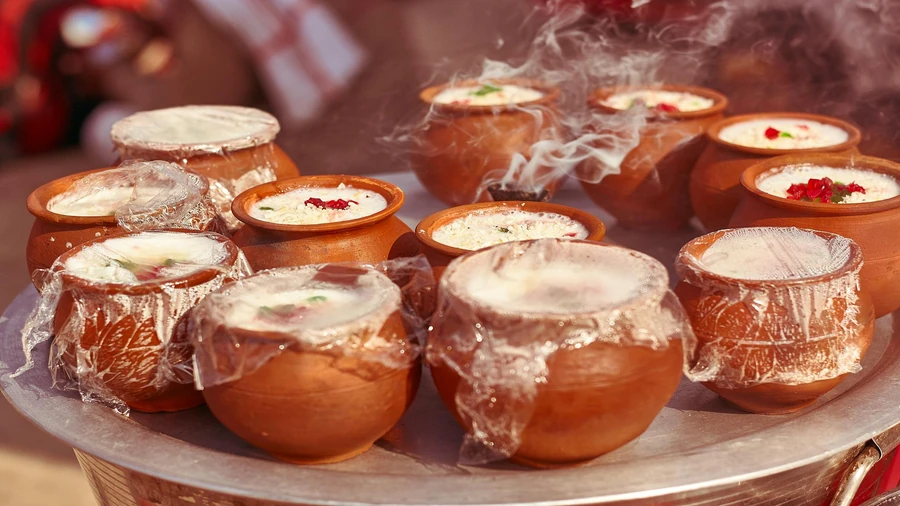
In South Asia, lassi holds significant cultural value. It is often served during festivals and celebrations, symbolizing hospitality and warmth. In Pakistan, it is a common household drink and is usually enjoyed after meals to aid digestion.
Lassi also plays an integral role in traditional South Asian weddings, where it is served to guests as a gesture of goodwill and celebration. The drink’s versatility allows it to be adapted to suit various tastes and preferences, making it a unifying element in diverse cultural settings.
Lassi in Modern Times
While traditional lassi remains popular, modern variations and innovations have made their way into urban cafes and restaurants. These include fusion flavors like chocolate lassi or spiced lassi with a hint of chili, appealing to contemporary tastes while preserving its cultural roots.
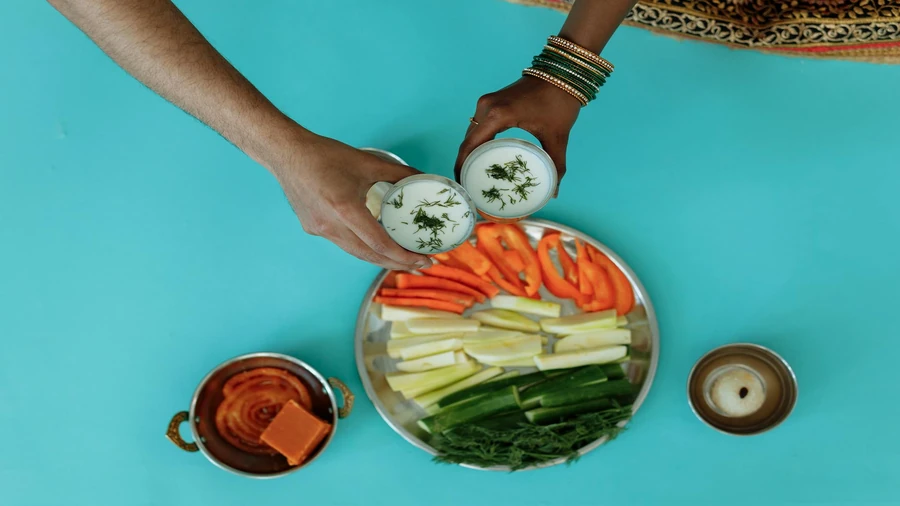
How to Make Lassi at Home
Making lassi at home is a simple process that requires only a few ingredients:
- Ingredients:
- 1 cup of yogurt
- 1/2 cup of water or milk
- 2 tablespoons of sugar (for sweet lassi)
- A pinch of salt and cumin (for salted lassi)
- Fruits like mango or strawberry (optional)
- Instructions:
- Combine the yogurt, water or milk, and sugar or salt in a blender.
- Blend until smooth and frothy.
- Adjust sweetness or saltiness as per taste.
- Serve chilled with a garnish of choice, such as mint or cardamom.
Tips for the Perfect Lassi
- Use chilled ingredients to ensure the drink is refreshing.
- Adjust the consistency by varying the amount of water or milk.
- Experiment with different spices and fruits to create unique flavors.
ذائقے دار لسی
لسی جنوبی ایشیا کی ایک روایتی مشروب ہے جو دہی سے تیار کی جاتی ہے۔ یہ مختلف ذائقوں میں دستیاب ہے، جیسے میٹھی، نمکین، اور پھلوں والی لسی۔ لسی نہ صرف مزیدار ہوتی ہے بلکہ صحت کے لئے بھی مفید ہے کیونکہ اس میں پروبائیوٹک موجود ہوتے ہیں جو ہاضمے کے لئے مفید ہیں۔ پاکستان میں لسی کو خاص تقریبات اور میلوں میں پیش کیا جاتا ہے، جو مہمان نوازی کی علامت سمجھی جاتی ہے۔
Frequently Asked Questions
What is the difference between lassi and buttermilk?
Lassi is a yogurt-based drink, often sweetened or salted, while buttermilk is the liquid left after churning butter from cream, and usually has a tangy flavor.
Can lassi be made with non-dairy yogurt?
Yes, lassi can be made using non-dairy yogurt alternatives such as almond or coconut yogurt, offering a vegan-friendly option.
Is lassi good for health?
Yes, lassi is beneficial for health as it contains probiotics that improve gut health and digestion. It also provides essential nutrients like calcium.

How is lassi traditionally served in Pakistan?
In Pakistan, lassi is traditionally served chilled in a tall glass, often with a garnish of mint or cardamom, especially during hot weather or festive occasions.
What variations of lassi are popular in urban cafes?
Modern cafes often serve innovative versions of lassi, such as chocolate lassi or spiced lassi with chili, catering to diverse palates while retaining its cultural essence.
Conclusion
Lassi is more than just a drink; it is a cultural icon that embodies the richness of South Asian traditions. Whether enjoyed sweet or savory, it offers a refreshing retreat from the heat and a taste of cultural heritage. If you haven’t tried this delightful drink yet, it’s time to explore the myriad flavors of lassi and experience its benefits firsthand. Visit your local market or make your own at home, and savor the taste of South Asia’s beloved beverage.


