




Most Pakistanis track what they eat but rarely think twice about what they drink. A plate of biryani gets the blame. The three cups of doodh pati chai, the sweet lassi at lunch, and the chilled Rooh Afza at iftar quietly escape notice.
This is the liquid calorie problem. Drinks deliver real energy to the body, but they don’t trigger the same feeling of fullness that solid food does. So you finish your chai, feel no different, and eat a full meal on top of it. The extra calories just stack up. According to WHO EMRO, Pakistanis consume far more sugar through beverages than the global average, a pattern that contributes to rising rates of obesity and type 2 diabetes across the country.
Understanding where these calories come from, and how much they actually add up to, is one of the simplest changes a Pakistani household can make for better long-term health.
مائع کیلوریز: اہم نکات
مائع کیلوریز وہ توانائی ہے جو ہم مشروبات سے حاصل کرتے ہیں، جیسے چائے، لسی، ٹھنڈے مشروبات اور جوسز۔ پاکستان میں روزانہ چار سے پانچ کپ دودھ پتی چائے پینا ایک عام عادت ہے جو اکیلے 400 سے 500 کیلوریز شامل کر سکتی ہے۔ ان کیلوریز کا مسئلہ یہ ہے کہ یہ پیٹ بھرنے کا احساس نہیں دیتیں، اس لیے ہم کھانے کے اوپر یہ مشروبات پیتے رہتے ہیں۔ میٹھے مشروبات کو کم کرنا، سبز چائے یا سادہ پانی کو ترجیح دینا، اور لسی میں چینی کم کرنا وزن کو قابو میں رکھنے کے آسان اور مؤثر طریقے ہیں۔
What Are Liquid Calories?
Liquid calories are the energy you take in from any drink other than plain water. This includes chai, cold drinks, packaged juices, lassi, milkshakes, sharbat, and even milk. Your body processes these calories the same way it processes food, but research published in a 2016 review in the American Journal of Clinical Nutrition found that liquid calories produce weaker satiety signals than solid food. In plain terms: drinks don’t fill you up the way a meal does, so you tend to consume them on top of your normal intake rather than instead of it.
This is why understanding how many calories you need in a day matters so much. When drinks are adding 400 to 600 extra calories that you haven’t accounted for, it becomes very difficult to maintain a healthy weight.
Common Pakistani Drinks and Their Calories
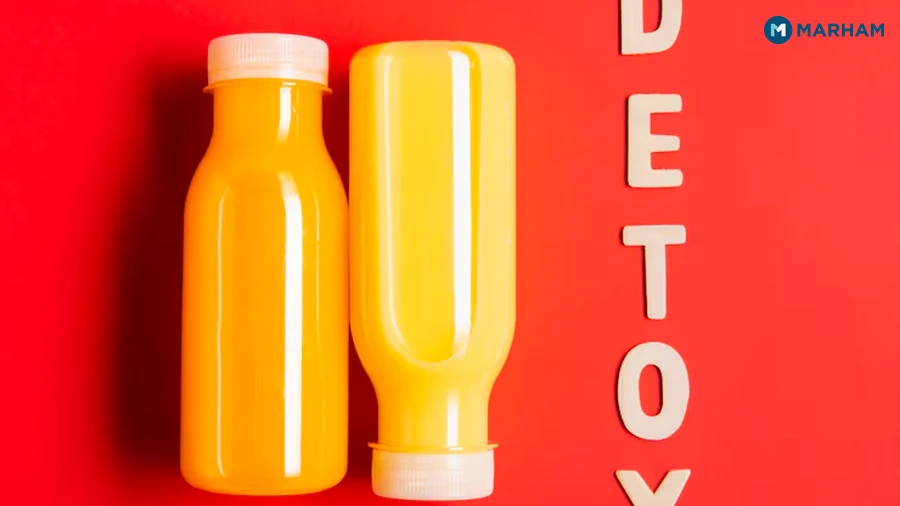
Here is where the numbers become surprising for most people. The drinks below are everyday staples in Pakistani homes, not occasional treats.
| Drink | Serving | Approx. Calories |
|---|---|---|
| Doodh pati chai (full-fat milk + 2 tsp sugar) | 1 cup (240 ml) | 120 to 150 kcal |
| Sweet lassi (whole milk yogurt + sugar) | 1 glass (300 ml) | 250 to 290 kcal |
| Rooh Afza with water | 1 glass (250 ml) | 90 to 110 kcal |
| Rooh Afza with milk | 1 glass (250 ml) | 200 to 230 kcal |
| Packaged mango juice (Maza/Slice style) | 1 carton (250 ml) | 130 to 160 kcal |
| Regular cola (Pepsi/7Up) | 1 can (330 ml) | 130 to 150 kcal |
| Plain salted lassi | 1 glass (300 ml) | 80 to 100 kcal |
| Green tea (no milk, no sugar) | 1 cup | 0 to 5 kcal |
Calorie estimates are based on USDA food composition data and cross-referenced with Pakistan Dietary Guidelines values.
The chai figure is the one that catches people off guard. Four to five cups of doodh pati daily, which is a very common habit across Lahore, Karachi, and Islamabad, can add 480 to 750 calories before you count a single bite of food. That is roughly a third of the average adult’s daily calorie requirement from chai alone.
Why Liquid Calories Are Easy to Overlook
There are two reasons drinks slip under the radar.
First, they don’t register as food. Pouring a glass of Rooh Afza feels like hydration, not eating. The brain doesn’t log it the same way it logs a paratha. This is partly because the act of chewing sends signals to the gut that a meal is coming, and those signals help regulate appetite. Drinks bypass this system.
Second, Pakistani drink culture is social and frequent. Chai is offered at every visit, every office meeting, every family gathering. Refusing feels rude. Saying yes to five cups a day doesn’t feel like a decision at all. It just happens. Nutritionists in Pakistan who work with weight management patients frequently identify chai intake as the first hidden source of excess calories they address.
Do Liquid Calories Count in a Calorie Deficit?
Yes, completely. Every calorie from a drink counts toward your daily total, whether you’re trying to lose weight, maintain it, or gain it. A calorie deficit means consuming less energy than your body burns. If you’re carefully eating 1,600 calories of food but drinking an extra 500 calories in chai, lassi, and cold drinks, your actual intake is 2,100 calories. The deficit disappears.
This is one of the most common reasons people plateau on a weight loss plan. The food choices are good but the drinks are not being tracked. Calories in chai, including doodh pati, are covered in detail here if you want to see the exact breakdown by preparation style.
Liquid Calories and Weight Gain: What the Evidence Says
Sugar-sweetened beverages (SSBs) are the most studied category. A review published in PLOS Medicine found that regular consumption of SSBs is consistently associated with weight gain and increased risk of type 2 diabetes, independent of other dietary factors. The mechanism is straightforward: the added sugar in cold drinks, packaged juices, and sweetened sharbat raises blood glucose quickly. The body responds with insulin, which promotes fat storage. Because the drink provides no fibre and little protein, hunger returns quickly.
Pakistani cold drinks like Pepsi, 7Up, and Mirinda are essentially the same product as the SSBs studied globally. A 330 ml can contains around 35 grams of sugar, which is close to the entire daily limit recommended by the World Health Organization for free sugars.
Packaged fruit juices deserve a separate mention. Many Pakistanis consider them a healthy alternative to cold drinks. They’re not. A 250 ml carton of mango juice typically contains 25 to 30 grams of sugar and very little of the fibre that makes whole fruit genuinely nutritious. Eating a fresh aam is meaningfully different from drinking its processed equivalent.
How to Reduce Liquid Calories Without Giving Up Everything
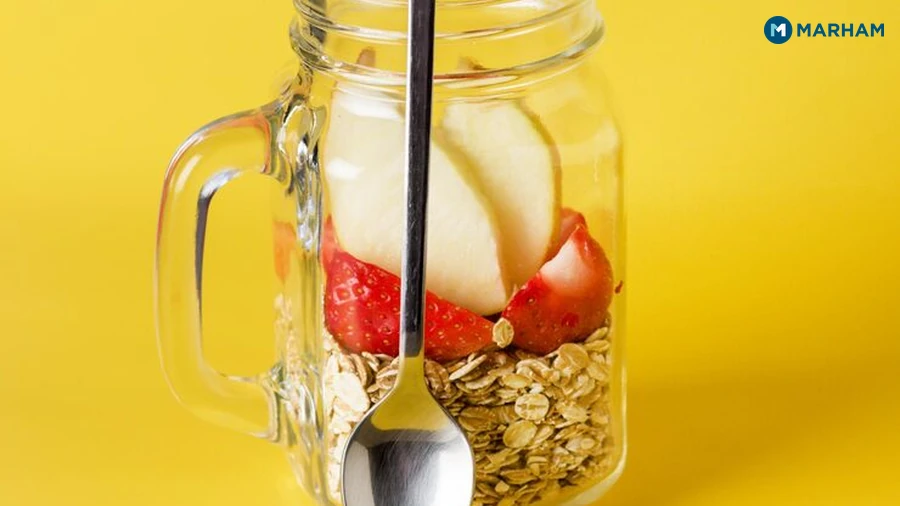
The goal isn’t to stop drinking chai. That’s neither realistic nor necessary. The goal is to bring awareness to the total, then make a few targeted swaps.
- Cut sugar in chai by half. Going from 2 teaspoons to 1 teaspoon per cup saves roughly 30 to 40 calories per cup. Over four cups a day, that’s 120 to 160 fewer calories daily without changing anything else.
- Use less milk or switch to lower-fat milk. Doodh pati made with half-water, half-milk has significantly fewer calories than pure milk chai. Olpers Lite or any low-fat packaged milk available at Imtiaz or Carrefour works well here.
- Replace one cold drink with plain water or nimbu pani (no sugar). A squeeze of lemon in chilled water gives you the refreshment of a cold drink at near-zero calories. During Karachi summers, this swap is genuinely satisfying.
- Choose salted lassi over sweet lassi. Salted lassi (namkeen lassi) with a pinch of zeera (cumin) and black salt has around 80 to 100 calories per glass versus 250 to 290 for the sweet version. The probiotic benefit is identical.
- Avoid Rooh Afza with milk as a daily drink. Reserve it for Ramadan iftars as a treat rather than a routine glass. If you enjoy it regularly, dilute it more than the bottle suggests and skip the extra sugar.
- Read carton labels on packaged juices. Look at the sugar column, not the marketing claims. “Real fruit” and “no added colour” don’t mean low calorie. A juice with 28g of sugar per serving is a sugar drink regardless of the label.
- Swap afternoon chai for green tea or kahwa. Kahwa made with cardamom, cinnamon, and a clove has almost no calories and is genuinely warming. It’s a traditional Pashtun and Kashmiri drink that’s now easy to find in most Pakistani cities.
When to See a Specialist
If you’ve made changes to your diet, including reducing liquid calories, and still aren’t seeing any improvement in weight or energy levels after several weeks, it’s worth speaking to a professional. Unexplained weight gain despite dietary changes can sometimes point to an underlying thyroid or metabolic issue that needs clinical assessment. A nutritionist in Pakistan can review your full intake, including beverages, and give you a personalised calorie target rather than a generic one.
Get Dietary Guidance from Marham
Tracking liquid calories on your own can feel tedious, especially when so much of Pakistani drinking culture happens socially and spontaneously. Many people find it useful to have a professional review their actual daily habits, not just their meals, and identify the specific changes that will make the biggest difference for their body and goals.
Marham connects you with verified nutritionists in Pakistan who consult online, so you don’t need to travel or wait for a clinic appointment. A short consultation of 15 to 20 minutes is usually enough to get a clear picture of where your calories are coming from and what a realistic, sustainable plan looks like for a Pakistani lifestyle and diet.
Frequently Asked Questions
Do liquid calories count toward my daily calorie intake?
Yes, every calorie from a drink counts exactly the same as a calorie from food. Many people underestimate how much chai, lassi, and cold drinks add to their daily total, which is why weight loss stalls even when food choices improve.
How many calories are in a typical Pakistani chai?
A cup of doodh pati chai made with full-fat milk and two teaspoons of sugar contains roughly 120 to 150 calories. Drinking four to five cups daily can add 500 or more calories before a single meal is eaten.
Is sweet lassi fattening?
Sweet lassi can contribute to weight gain if consumed regularly in large amounts, mainly because of its added sugar. One glass contains roughly 250 to 290 calories. Plain or salted lassi is a much lower-calorie alternative with the same probiotic benefit.
Are packaged fruit juices healthy in Pakistan?
Most packaged fruit juices sold in Pakistan are high in sugar and low in fibre, making them nutritionally similar to cold drinks. Eating whole fruit is a better choice because it provides fibre that slows sugar absorption and promotes fullness.
What is the best low-calorie drink for weight loss in Pakistan?
Plain water is the best choice. After that, green tea, black tea without sugar, and plain nimbu pani (lemon water with no sugar) are all near-zero calorie options that are widely available and easy to prepare at home.
Can I drink chai during a calorie deficit?
Yes, chai can fit into a calorie deficit if you account for it. Reducing sugar to half a teaspoon, using less milk, or switching to lower-fat milk keeps each cup under 80 calories, which is manageable in most daily plans.
When should I consult a doctor about weight gain from drinks?
If dietary changes including cutting liquid calories don’t produce results after four to six weeks, consult a doctor. Persistent unexplained weight gain may indicate a thyroid or hormonal issue that needs medical evaluation.
Conclusion
Liquid calories are genuinely easy to miss, and in Pakistan’s chai-and-lassi culture, they add up faster than most people realise. The good news is that small, specific changes, like halving the sugar in your chai, choosing salted over sweet lassi, and reading juice labels before buying, can reduce your daily intake by several hundred calories without any dramatic overhaul of how you eat. Awareness is the first step, and for most people, it’s also the most effective one.
