
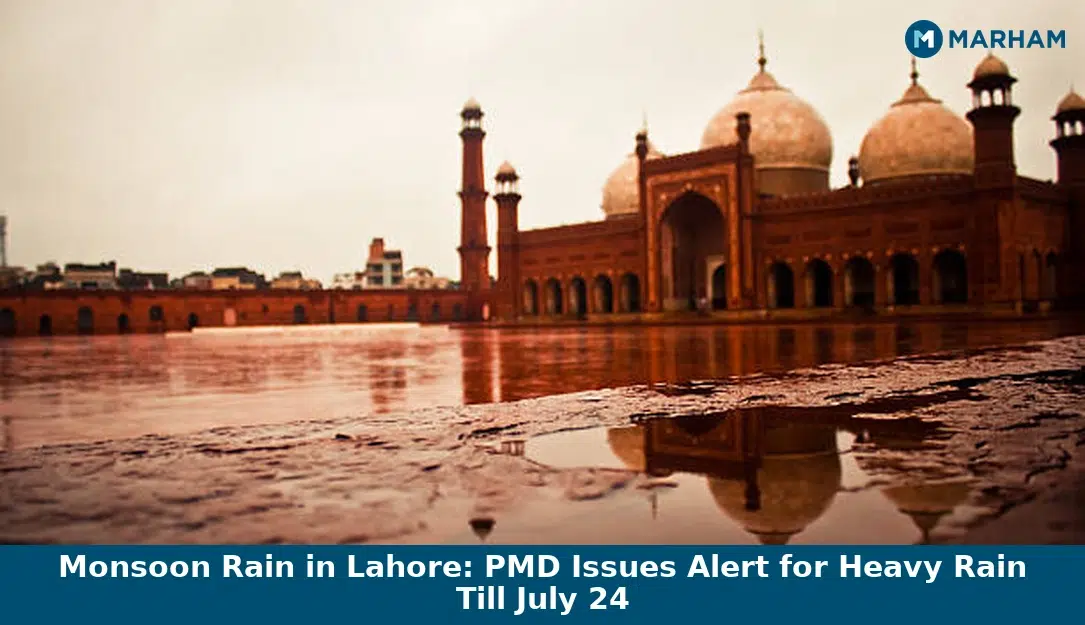
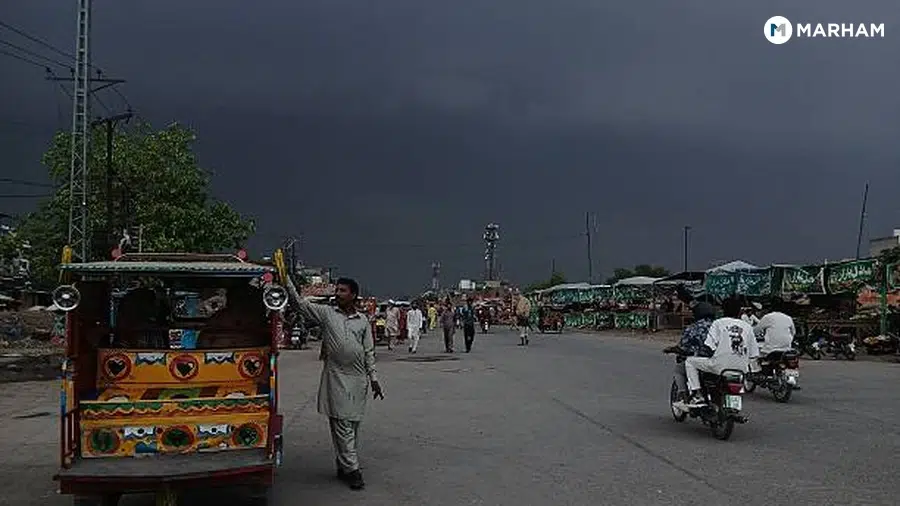
If you stepped outside in Lahore this week, you already know the sky has changed. After days of hot and sticky weather touching 39°C, the second spell of monsoon rain in Lahore, known in Urdu as مون سون بارش (monsoon barish), has arrived across Punjab. The Pakistan Meteorological Department has forecast heavy rain, windstorms, and thunderstorms in Lahore and most of Punjab from July 19 to July 24, with a risk of urban flooding between July 20 and July 23. The rain brings relief from the heat, but it also brings health risks that every family should prepare for. If anyone at home develops fever or stomach issues during the rains, you can consult a general physician online without leaving the house.
What Is the Latest Weather Update for Lahore?
According to the PMD advisory, strong monsoon currents from the Arabian Sea are combining with a westerly wave over the upper parts of the country. This interaction is expected to produce widespread rain with heavy to very heavy falls at isolated places across northern and central Pakistan.
The Punjab Disaster Management Authority has placed relevant departments on alert. Heavy rain is expected in Lahore, Sheikhupura, Sialkot, Gujranwala, Faisalabad, Rawalpindi, and many other districts of Punjab during this spell. Daytime temperatures in Lahore are expected to stay between 30°C and 36°C during rainy days, with humidity making the weather feel warmer than it is.
Key Points From the PMD and PDMA Alerts
- Second monsoon spell active from July 19 and likely to continue till July 24
- Risk of urban flooding in Lahore, Rawalpindi, Gujranwala, Sialkot, Multan, and Faisalabad between July 20 and July 23
- Flash flooding possible in local streams and nullahs during heavy downpours
- Windstorms and lightning may damage weak structures like billboards, solar panels, and electric poles
Why Monsoon Rain in Lahore Is a Health Alert, Not Just a Weather Alert
Every year, the pattern repeats. Rain falls, water collects in streets, pots, tyres, and rooftops, and within one to two weeks hospital OPDs begin to fill. Standing water becomes a breeding ground for mosquitoes, while overflowing drains can contaminate drinking water. This is why doctors treat the monsoon as a health season, not just a weather season.
Here is a quick look at the main illnesses that rise after heavy rain spells in Punjab:
| Illness | How It Spreads | Early Signs to Watch |
|---|---|---|
| Dengue fever | Mosquito bites, breeds in clean standing water | High fever, body pain, pain behind the eyes |
| Gastroenteritis | Contaminated water and food | Vomiting, loose motions, stomach cramps |
| Typhoid | Contaminated water and food | Persistent fever, weakness, poor appetite |
| Skin infections | Wading through dirty rainwater | Itching, rashes, fungal patches between toes |
| Flu and viral fever | Humidity and close contact indoors | Sore throat, body aches, mild fever |
For a detailed breakdown of each illness, its causes, and prevention, read our full guide on monsoon diseases in Pakistan. If dengue is your main concern this season, our report on dengue fever in Pakistan explains how outbreaks build after the rains.
How to Stay Safe During This Rain Spell
A few simple habits during the next few days can protect your whole family. Most monsoon illnesses are preventable, and prevention costs far less than treatment.
At Home
- Empty standing water from pots, coolers, buckets, and rooftop containers daily
- Drink boiled or filtered water only, especially if your area faces low water pressure after rain
- Eat freshly cooked food and avoid street food during rainy days
- Keep ORS at home for any case of loose motions
When Going Out
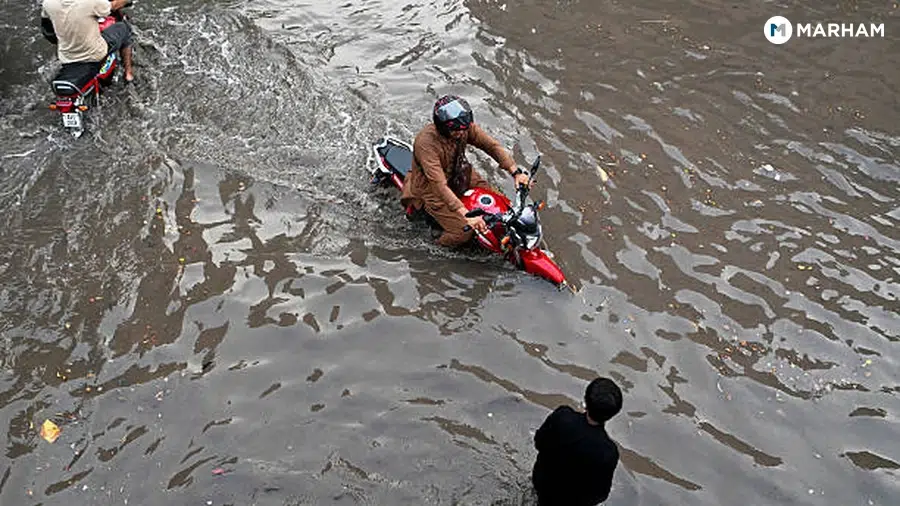
- Avoid walking through flooded streets, as dirty water can cause skin and stomach infections
- Wash and dry your feet immediately if you must wade through rainwater
- Use mosquito repellent in the morning and evening, when dengue mosquitoes bite most
- Stay away from electric poles, hanging wires, and billboards during windstorms
Need to See a General Physician?
Book a PMC verified General Physician near you or consult online from home. No extra charges for booking.
Or call the Marham helpline: 0311 1222398
When Should You See a Doctor?
Do not wait out a fever during the monsoon. Dengue, typhoid, and viral fever can look similar in the first two days, and only a doctor can guide you on the right tests. See a doctor promptly if you or a family member has:
- Fever above 101°F lasting more than 48 hours
- Severe body pain or pain behind the eyes
- Vomiting or loose motions that do not settle within a day
- Any rash, bleeding gums, or unusual weakness
Roads may be waterlogged in parts of Lahore this week, so an online consultation is often the safest first step. You can book an online doctor consultation within minutes and get guidance on whether tests or an in person visit are needed.
موسم کی تازہ صورتحال اور احتیاطی تدابیر
محکمہ موسمیات کے مطابق لاہور اور پنجاب کے بیشتر اضلاع میں مون سون کا دوسرا سلسلہ 19 جولائی سے شروع ہو چکا ہے جو 24 جولائی تک جاری رہنے کا امکان ہے۔ اس دوران تیز ہواؤں اور گرج چمک کے ساتھ موسلا دھار بارش متوقع ہے، جبکہ 20 سے 23 جولائی کے درمیان لاہور سمیت کئی شہروں میں شہری سیلاب کا خطرہ بھی موجود ہے۔ بارش گرمی سے تو راحت لاتی ہے، لیکن اپنے ساتھ کئی بیماریاں بھی لاتی ہے۔
بارش کے بعد کھڑے پانی میں مچھر پیدا ہوتے ہیں جن سے ڈینگی پھیلتا ہے، جبکہ گندے پانی سے پیٹ کی بیماریاں، ٹائیفائیڈ اور جلدی انفیکشن عام ہو جاتے ہیں۔ اپنے گھر والوں کو محفوظ رکھنے کے لیے کھڑا پانی روزانہ صاف کریں، صرف ابلا یا فلٹر شدہ پانی پئیں، تازہ پکا ہوا کھانا کھائیں اور باہر نکلتے وقت مچھر بھگانے والی کریم استعمال کریں۔ اگر بخار دو دن سے زیادہ رہے یا الٹی اور دست بند نہ ہوں تو فوراً ڈاکٹر سے رجوع کریں۔ لاہور میں کئی سڑکیں پانی میں ڈوبی ہو سکتی ہیں، اس لیے آن لائن ڈاکٹر سے مشورہ لینا سب سے محفوظ پہلا قدم ہے۔
Consult a General Physician on Marham
16,000+ PMC verified doctors across 100+ specialties. Book in person or online in minutes.
Helpline: 0311 1222398 (9:00 AM to 11:00 PM)
Frequently Asked Questions
How long will the monsoon rain in Lahore last?
According to the PMD and PDMA, the current second monsoon spell started on July 19 and is expected to continue till around July 24. Monsoon activity as a whole usually continues in spells through August, so more rainy days are likely after this one.
Is it safe to drink tap water during the monsoon in Lahore?
It is safer to boil or filter tap water during and after heavy rain. Overflowing drains and low water pressure can allow contamination, which is a common cause of gastroenteritis and typhoid in the rainy season.
Why do dengue cases rise after rain in Lahore?
Dengue mosquitoes breed in clean standing water that collects after rain, such as in pots, coolers, and rooftop tanks. Warm and humid conditions after the monsoon speed up their breeding, which is why cases usually rise a few weeks into the rainy season.
What should I do if I get a fever during the monsoon?
Monitor your temperature and stay hydrated, and do not self medicate for more than a day. If the fever lasts beyond 48 hours or comes with body pain, rash, or vomiting, consult a doctor promptly, as it may be dengue, typhoid, or a viral infection that needs testing.
Can I see a doctor online if roads are flooded in Lahore?
Yes. Online consultation lets you speak to a PMC verified doctor from home, which is useful when roads are waterlogged. The doctor can assess your symptoms and advise whether you need lab tests or an in person visit.
Final Thoughts
The monsoon rain in Lahore is a welcome break from the summer heat, but it is also a reminder to stay alert about health. The illnesses that follow the rains are predictable every year, which means they are also preventable. Clearing standing water, drinking safe water, eating fresh food, and acting quickly on any fever are the simple habits that keep most families safe.
If anyone at home falls ill during this spell, do not wait for the weather to clear. Reach out to a doctor early so a small problem does not turn into a hospital visit. Stay dry, stay safe, and keep your family protected through the rains.