


Nosebleeds in summer heat catch most people off guard. One moment you’re stepping out into a Karachi afternoon in May, and the next there’s blood on your shirt. It happens more than people expect, and in Pakistan’s scorching summers, where temperatures in Lahore and Multan regularly cross 42°C between May and July, the nasal lining takes a real beating.
The medical term for a nosebleed is epistaxis (pronounced ep-ih-STAK-sis), which simply means bleeding from the blood vessels inside the nose. Most episodes are harmless and stop within ten minutes. But when they start happening every few days, or when the bleeding is heavy and won’t stop, that’s worth paying attention to.
This guide covers why heat triggers nosebleeds, how to handle one correctly, what you can do to prevent them through the garmi season, and the signs that point to something more serious underneath.
گرمی میں نکسیر: اہم باتیں
گرمی کے موسم میں ناک سے خون آنا (نکسیر) پاکستان میں ایک عام مسئلہ ہے، خاص طور پر مئی سے جولائی کے درمیان جب درجہ حرارت انتہائی بلند ہو جاتا ہے۔ شدید گرمی اور کم نمی ناک کی اندرونی جھلی کو خشک کر دیتی ہے، جس سے باریک خون کی نالیاں پھٹ جاتی ہیں۔ نکسیر کو روکنے کے لیے سیدھے بیٹھ کر آگے کی طرف جھکیں اور ناک کو 10 سے 15 منٹ تک دبائے رکھیں۔ پانی کا بھرپور استعمال، نمکین پانی کا اسپرے، اور گرمی کے عروج پر گھر کے اندر رہنا نکسیر سے بچاؤ کے بہترین طریقے ہیں۔ اگر خون 20 منٹ سے زیادہ نہ رکے یا بار بار نکسیر ہو تو فوری طور پر ڈاکٹر سے رجوع کریں۔
Why Heat Causes Nosebleeds: The Simple Mechanism
The inside of your nose is lined with a thin, moist tissue called the nasal mucosa, which contains dozens of small blood vessels sitting very close to the surface. In normal conditions, a layer of mucus keeps this tissue soft and flexible. When the air around you becomes hot and dry, that protective moisture evaporates fast.
Heat triggers nosebleeds through two overlapping processes. First, dry air pulls moisture out of the nasal lining, causing tiny cracks to form in the tissue. Second, high temperatures cause blood vessels to dilate (widen), which increases blood flow and pressure inside them. A cracked, dry vessel under higher-than-usual pressure is exactly the combination that leads to a nosebleed.
Dehydration makes both problems worse. When you’re sweating heavily in Lahore’s June heat and not replacing fluids, your body reduces moisture everywhere, including inside the nose. The nasal lining dries out faster, and the vessels become more fragile.

One thing most guides don’t mention: running the AC all day in Pakistani offices and homes creates the same dry-air problem indoors that the outdoor heat creates outside. Your nose gets hit from both ends.
Common Causes of Nosebleeds in Pakistani Summers
Several factors combine during the garmi season to make nosebleeds more likely:
- Extreme dry heat — low humidity in cities like Multan, Bahawalpur, and interior Sindh strips nasal moisture faster than coastal Karachi does
- Dehydration — skipping water during Roza or long outdoor work hours reduces nasal moisture significantly
- Continuous AC exposure — air conditioning removes humidity from indoor air, drying the nasal lining even when you’re not outdoors
- Dust and pollution — Lahore’s summer dust storms (andhi) irritate and inflame the nasal passages, making vessels more vulnerable
- Forceful nose blowing — common during summer allergies and sinus congestion; the pressure spike can rupture a vessel
- Uncontrolled high blood pressure — hypertension is highly prevalent in Pakistani adults (over 33% according to the Pakistan National Health Survey); elevated blood pressure adds stress to already-fragile nasal vessels and can worsen bleeding
- Certain medications — aspirin and other NSAIDs like ibuprofen, which many Pakistanis self-medicate with during fever season, reduce the blood’s ability to clot and can prolong a nosebleed
Most nosebleeds in summer are anterior bleeds, meaning they come from the front part of the nose (the nasal septum). These are the common, manageable type. A posterior bleed, which comes from deeper inside and often drains down the throat, is less common but needs medical attention.
How to Stop a Nosebleed Fast: Step-by-Step
The correct technique matters. Many people instinctively tilt their head back, which actually pushes blood down the throat and can cause nausea or vomiting.
- Sit upright and lean slightly forward. This lets blood drain out of the nose rather than into the throat.
- Pinch the soft part of the nose (just below the bony bridge) firmly between your thumb and index finger. Hold it continuously for 10 to 15 minutes without checking.
- Breathe through your mouth while you hold the pinch.
- Apply a cold compress to the bridge of the nose. In Pakistani homes, a cloth dipped in cold water or a small ice pack wrapped in a cotton dupatta works well. This helps constrict the blood vessels.
- Do not stuff the nose with cotton tightly packed into the nostril. A loose, soft tissue to catch dripping blood is fine, but a hard cotton plug can tear the clot when removed and restart the bleed.
- Stay seated and rest for at least 30 minutes after the bleeding stops. Avoid bending down, blowing your nose, or lifting anything heavy, as these raise blood pressure and can dislodge the clot.
- Drink cool water once the bleed has stopped to begin rehydrating. Room-temperature or cool water is better than ice-cold water immediately after a bleed.
| What to Do | What NOT to Do |
|---|---|
| Lean slightly forward | Tilt head back |
| Pinch soft part of nose firmly | Pack nose with tight cotton |
| Apply cool compress to bridge | Apply extreme ice directly on skin |
| Breathe through mouth | Blow nose immediately after stopping |
| Rest for 30 minutes after | Resume heavy activity right away |
How to Prevent Nosebleeds During Pakistan’s Garmi Season
Prevention is straightforward once you understand the cause. The goal is to keep the nasal lining moist and avoid the triggers that crack it.
Stay genuinely hydrated. During peak summer in Pakistan, especially if you’re fasting or working outdoors, plain water isn’t always enough. Add nimbu pani (lemon water with a pinch of salt) or coconut water to your fluid intake to replace electrolytes lost through sweating. Aim for at least 2.5 to 3 litres of fluids per day in extreme heat.
Use a saline nasal spray. A simple salt-water nasal spray (available at most pharmacies in Pakistan for around Rs. 200 to 400) keeps the nasal lining moist without any medication. Spray once or twice in each nostril before going to bed and after long AC exposure. This is the single most effective preventive step and the one most Pakistani readers skip.
Apply a small amount of petroleum jelly (Vaseline) inside the nostrils. Use a clean fingertip or a cotton bud to apply a thin layer to the inner sides of the nostrils once a day, preferably at night. This creates a barrier that slows moisture loss while you sleep in a dry, air-conditioned room.
Limit peak-hour outdoor exposure. Between 11 AM and 4 PM in May through July, outdoor air in most Pakistani cities is at its hottest and driest. If you must go out, covering the nose with a light cotton cloth or mask helps reduce direct hot-air exposure to the nasal lining.
Keep indoor humidity reasonable. If you run AC for long hours, consider placing a bowl of water near the unit or using a small humidifier. This is especially useful for children, who are more prone to nosebleeds than adults.
Manage allergies and dust exposure. Summer dust storms in Punjab and Sindh are a real trigger. An antihistamine prescribed by a doctor can reduce nasal inflammation during allergy season, which lowers the risk of bleeding from inflamed vessels. Don’t self-medicate with antihistamines that also contain decongestants, as those can dry the nasal lining further.
For broader guidance on staying safe in extreme Pakistani heat, the summer health guide for Pakistan covers hydration, heat exhaustion, and body cooling strategies in detail.
Who Is More Likely to Get Heat Nosebleeds?
Certain groups face higher risk and deserve extra attention:

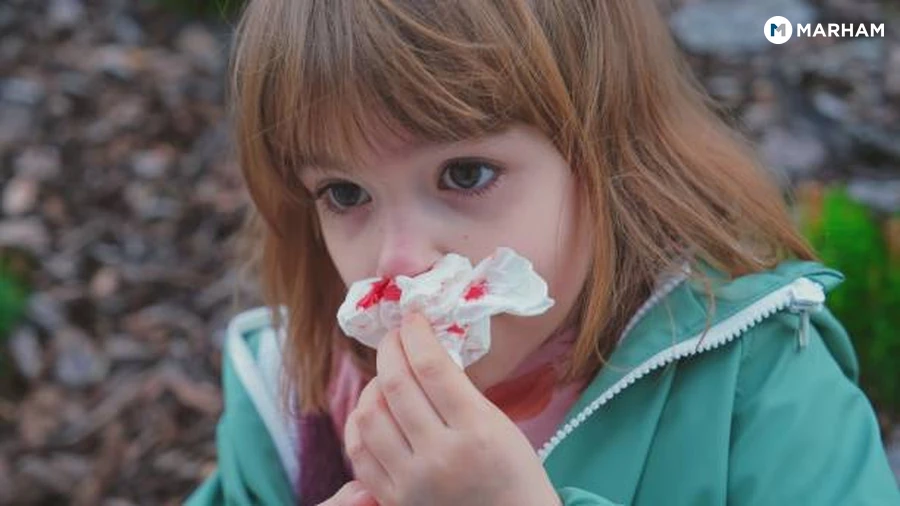
- Children aged 2 to 10 — their nasal vessels are smaller and more fragile; this is the most common age group for summer nosebleeds
- Older adults — nasal tissue thins with age, and many elderly Pakistanis have hypertension that is not well controlled
- People with uncontrolled hypertension — high blood pressure doesn’t directly cause nosebleeds but makes them harder to stop and more likely to recur; if you have hypertension, monitor your BP through summer
- Pregnant women — increased blood volume and hormonal changes make nasal vessels more prone to bleeding during pregnancy
- People on blood thinners or regular aspirin/ibuprofen use — these reduce clotting ability and prolong bleeding episodes
When to See a Doctor for Nosebleeds in Summer
Most summer nosebleeds stop on their own within 10 to 15 minutes and need nothing more than the first-aid steps above. However, some situations need professional evaluation.
See a doctor promptly if the bleeding does not stop after 20 minutes of correct first aid, if the nosebleed is following a head injury or a hard blow to the face, if you’re losing enough blood to feel dizzy or lightheaded, or if you’re getting nosebleeds more than two or three times per week consistently. Frequent recurrence is the key warning sign: it suggests either an underlying structural issue (like a deviated nasal septum), uncontrolled blood pressure, or a blood-clotting problem that needs investigation.
An ENT (ear, nose, and throat) specialist can examine the nasal passages and, if needed, perform a simple cauterisation procedure to seal a repeatedly bleeding vessel. This is a quick outpatient procedure available at most ENT clinics in Karachi, Lahore, and Islamabad. Consulting a specialist through Marham online first can help you decide whether you need an in-person visit or whether a change in your home routine is enough.
Get Expert Advice from Marham
If nosebleeds are happening frequently through the summer and you’re not sure whether the cause is dehydration, blood pressure, or something else, a short consultation with the right specialist can give you a clear answer. Ruling out hypertension or a clotting issue takes a single blood test and a BP check, but knowing which one to start with is easier with a doctor’s guidance.
Marham connects you with verified ENT and general physicians in Pakistan who consult online from anywhere in the country, so you don’t have to travel to a clinic in peak summer heat. A 15 to 20-minute online consultation can clarify whether your nosebleeds need further investigation, a prescription nasal spray, or simply a consistent hydration and nasal-care routine.
Frequently Asked Questions
Is it normal to get nosebleeds in hot weather?
Yes, occasional nosebleeds in hot, dry weather are common and usually harmless. Heat dries out the nasal lining and dilates blood vessels, making them easier to rupture. If they happen more than two to three times a week, that’s worth investigating.
How do I stop a nosebleed fast at home?
Sit upright, lean slightly forward, and pinch the soft part of your nose firmly for 10 to 15 minutes without releasing. Apply a cool compress to the bridge of the nose. Do not tilt your head back, as this pushes blood into the throat.
Can high blood pressure cause nosebleeds in summer?
Uncontrolled high blood pressure doesn’t directly cause nosebleeds, but it makes them harder to stop and more likely to recur. If you have hypertension and are getting frequent nosebleeds, have your BP checked and consult your doctor about your management plan.
When should I go to the doctor for a nosebleed?
Seek medical attention if the bleeding doesn’t stop after 20 minutes of correct first aid, if you feel dizzy or faint, if it follows a head injury, or if nosebleeds are recurring more than twice a week. Frequent recurrence suggests an underlying cause that needs evaluation.
Can nosebleeds be a sign of something serious?
Most nosebleeds are not serious. Rarely, frequent or heavy nosebleeds can point to uncontrolled hypertension, a bleeding disorder, or a structural nasal issue. A doctor can rule these out quickly with a basic examination and a blood test.
Is it okay to tilt your head back during a nosebleed?
No. Tilting the head back sends blood down the back of the throat, which can cause nausea, vomiting, or choking. Always lean slightly forward and let the blood drain out of the nose instead.
How can I prevent nosebleeds during Pakistan’s summer?
Stay well hydrated, use a saline nasal spray daily, apply a thin layer of petroleum jelly inside the nostrils at night, and avoid prolonged outdoor exposure during peak heat hours (11 AM to 4 PM). Managing any underlying allergies or blood pressure also reduces recurrence.
Conclusion
Nosebleeds in summer heat are one of the more startling but usually manageable problems that Pakistan’s garmi season brings. The combination of extreme temperatures, low humidity, dust, and dehydration creates the exact conditions that crack the nasal lining. A saline spray, consistent hydration with nimbu pani or plain water, and a small amount of Vaseline at night will prevent most episodes. When a nosebleed does happen, the correct response is simple: lean forward, pinch, and wait. The cases that need a doctor are the ones that won’t stop, keep coming back, or arrive alongside dizziness or a head injury.