




Most gym-goers in Pakistan spend hours planning their workout splits but give almost no thought to what goes on their plate before and after training. That gap quietly limits their results. Whether you train at a gym in Lahore, jog in DHA Karachi, or do home workouts in Rawalpindi, what you eat around your session shapes your energy, your recovery, and how much muscle you actually keep.
The good news is that Pakistani food is genuinely well-suited for workout nutrition. Daal, anda, dahi, roti, chana, and chawal are not just comfort staples. They are carbohydrate and protein sources that sports nutritionists would approve of. You don’t need imported meal-prep containers or expensive protein bars to fuel your training well.
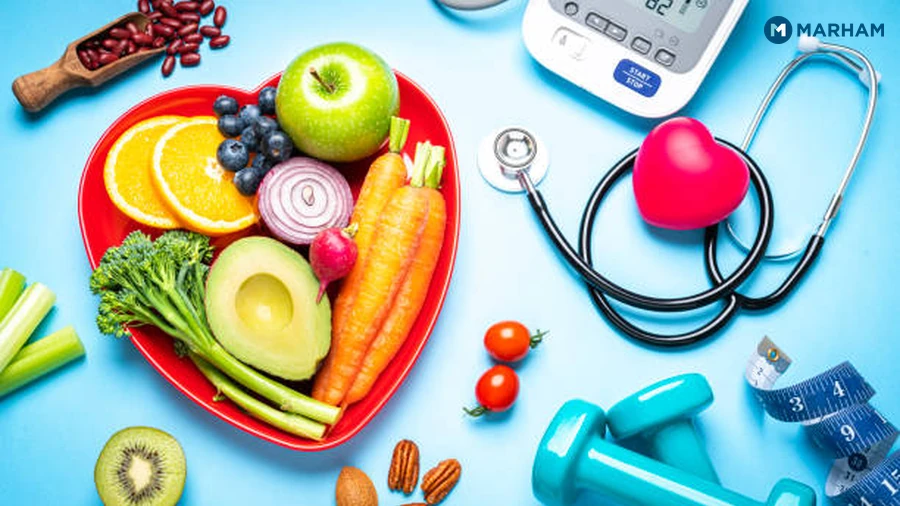
This guide breaks down the science of workout nutrition into practical, desi-friendly meal ideas. It covers timing, the right macronutrient mix, what to avoid, and when it makes sense to speak to a specialist.
ورزش سے پہلے اور بعد کی خوراک
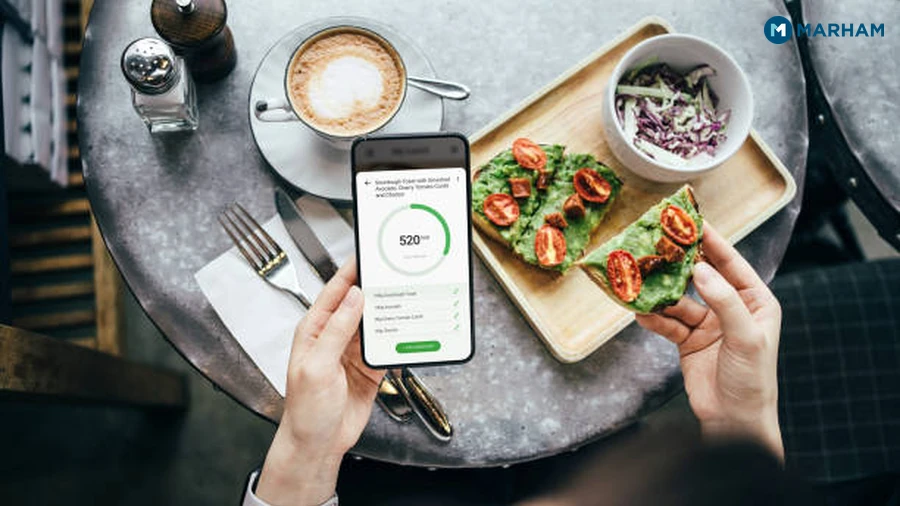
ورزش سے پہلے اور بعد کی مناسب خوراک آپ کی جم پرفارمنس اور صحت یابی میں اہم کردار ادا کرتی ہے۔ ورزش سے دو سے تین گھنٹے پہلے کاربوہائیڈریٹس اور پروٹین کا متوازن کھانا کھانا بہترین ہے۔ پاکستانی کھانوں میں انڈہ، دال، دہی، چنے اور روٹی جیسے اختیارات قدرتی طور پر ورزش کے لیے موزوں ہیں۔ ورزش کے بعد ایک گھنٹے کے اندر پروٹین اور کاربوہائیڈریٹس کا مجموعہ کھانا پٹھوں کی مرمت اور توانائی کی بحالی میں مدد دیتا ہے۔ اگر آپ کو ذاتی غذائی مشورے کی ضرورت ہو تو کسی تجربہ کار ماہر غذائیت سے رابطہ کریں۔
Key Takeaways
- Eat a mixed carb-and-protein meal 2 to 3 hours before training, or a light snack 30 to 60 minutes before.
- Post-workout, aim to eat within 1 to 2 hours to support muscle repair and glycogen replenishment.
- Desi staples like anda, dahi, chana, and roti cover your nutritional bases without expensive supplements.
- Avoid heavy, oily, or very spicy food right before training — it slows digestion and can cause discomfort.
- Hydration matters more in Pakistan’s heat; drink water consistently before, during, and after your session.
- A nutritionist can personalise your meal plan if your goals include muscle gain, fat loss, or managing a health condition.
What to Eat Before a Workout: Timing and Macros
A pre-workout meal has one job: give your muscles enough fuel to train hard without sitting heavy in your stomach. The two key nutrients are carbohydrates (your body’s primary fuel during exercise) and a moderate amount of protein (to protect muscle tissue during the session).
Timing matters more than most people realise. According to the American College of Sports Medicine, eating 2 to 3 hours before training allows a full meal to digest properly. If you have less time, a lighter snack 30 to 60 minutes before works well. The closer the meal is to your workout, the simpler and smaller it should be.
Avoid high-fat foods and very high-fibre foods immediately before training. Fat slows digestion significantly, and a heavy pre-workout meal can redirect blood flow to your gut instead of your muscles, leaving you feeling sluggish.
Best Pre-Workout Meals Using Pakistani Foods
These options suit different timing windows and are all easy to prepare at home:
2 to 3 hours before training (full meal):
- 2 whole eggs with 1 to 2 whole-wheat rotis and a small bowl of dahi
- Chana masala with 1 roti (chickpeas are rich in complex carbs and plant protein)
- Daal with chawal and a side of cucumber salad
30 to 60 minutes before training (light snack):
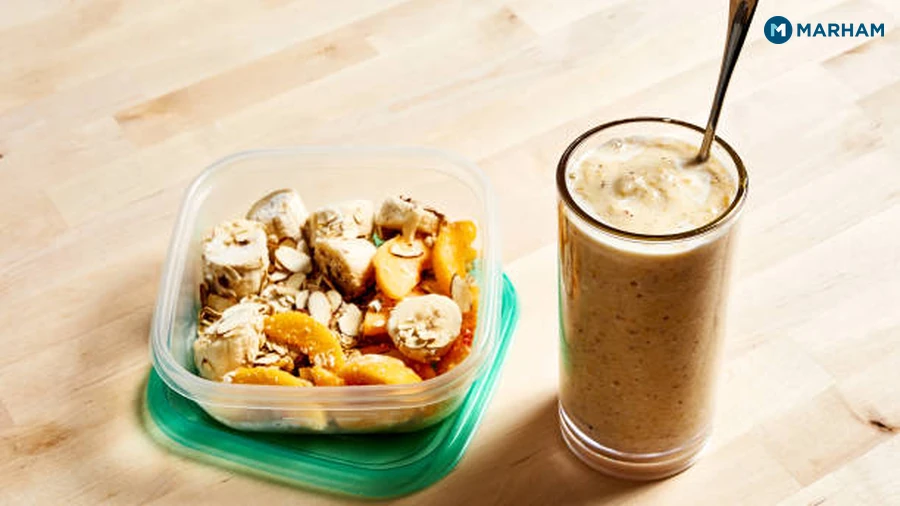
- 1 banana with a tablespoon of peanut butter (widely available at Carrefour, Imtiaz, and Metro stores across Pakistan for around Rs. 300 to 500 per jar)
- 2 to 3 khajoor (dates) with a small glass of doodh — a combination used by athletes fasting during Ramadan who train after iftar
- A small bowl of plain dahi with a drizzle of honey
One thing the global blogs consistently miss: in Pakistan’s summer months, especially in Karachi and Multan where temperatures regularly cross 40°C, your pre-workout snack should include a hydrating element. A glass of nimbu pani (lemon water with a pinch of salt) alongside your snack replaces electrolytes before you even start sweating.
What to Eat After a Workout: Recovery Nutrition
Post-workout nutrition is about repair, not just refuelling. During exercise, muscle fibres develop micro-tears and your body depletes its stored glycogen (the carbohydrate stored in muscle). Eating the right combination of protein and carbohydrates after training helps rebuild those fibres and restore energy stores.
The International Society of Sports Nutrition (ISSN) recommends consuming high-quality protein within 2 hours of finishing a workout to support muscle protein synthesis. Pairing that protein with carbohydrates helps insulin drive amino acids into muscle cells more efficiently.
A practical ratio to aim for is roughly 3 parts carbohydrate to 1 part protein in your post-workout meal — for example, 30g of protein alongside about 90g of carbohydrates, according to guidance from Brown University Health.
Best Post-Workout Meals Using Pakistani Foods
For muscle gain:
- Grilled or boiled chicken breast with chawal and a side of dahi
- Anda bhurji (2 to 3 scrambled eggs) with 2 whole-wheat rotis
- A glass of lassi (dahi blended with water and a pinch of salt) paired with a roti — dahi provides leucine-rich protein, which research in the journal Nutrients identifies as the key amino acid for triggering muscle protein synthesis
For general recovery (moderate intensity training):
- Daal chawal with a small side salad
- A banana and a glass of doodh
- Chana chaat with a squeeze of lemon
A note on whey protein: A single scoop of whey protein (typically 25 to 30g of protein) mixed with water or milk is a convenient post-workout option, especially for people who train early morning and can’t face a full meal right after. Reliable brands are available in Pakistan for roughly Rs. 4,000 to 8,000 per kg depending on the source. It’s a supplement, not a replacement for whole food — but it’s a useful gap-filler when a proper meal isn’t practical.
Pre vs Post Workout Meal: Quick Comparison
| Feature | Pre-Workout Meal | Post-Workout Meal |
|---|---|---|
| Primary goal | Fuel energy, prevent fatigue | Repair muscle, restore glycogen |
| Key macronutrient | Carbohydrates (main), protein (moderate) | Protein (main), carbohydrates (moderate) |
| Ideal timing | 2 to 3 hours before (or snack 30 to 60 min before) | Within 1 to 2 hours after |
| Fat content | Keep low (slows digestion) | Small amount is fine |
| Pakistani example | Anda roti + dahi | Chicken chawal or daal chawal + lassi |
| Portion size | Moderate to light | Moderate |
Foods to Avoid Around Your Workout
Some common Pakistani foods are best saved for other meals, not the hour before or after training:
- Very oily curries (nihari, paye, heavy qorma): Fat content slows gastric emptying and can cause nausea during training.
- Heavy biryani right before a session: The combination of fat, spice, and volume is hard to train on. Save it for a rest day.
- Sugary cold drinks (cola, energy drinks): They cause a rapid blood sugar spike followed by a crash mid-session.
- Excessive chai on an empty stomach pre-workout: Caffeine without food can trigger nausea in some people, especially before high-intensity training.
How to Build Your Workout Meal Plan: Step-by-Step
- Identify your training time. Morning sessions (Fajr to 8 a.m.) are common in Pakistani summers. Evening sessions (after Maghrib) are popular in winter. Your meal plan changes depending on which window you train in.
- Plan your pre-workout meal the night before. If you train at 6 a.m., you won’t have time to cook. Boil eggs the night before, keep a banana on the counter, and have dahi ready in the fridge.
- Eat your main pre-workout meal 2 to 3 hours before training. For an evening session at 7 p.m., that means eating at 4 to 5 p.m. A light daal with 1 roti and some dahi works well at this time.
- Have a small snack 30 minutes before if you’re still hungry. 2 to 3 khajoor or half a banana is enough. Don’t eat a full meal this close to training.
- Hydrate before you leave home. Drink 400 to 500 ml of water in the hour before your session. In Lahore and Karachi summers, add a small pinch of table salt to one of those glasses to pre-load electrolytes.
- Eat your post-workout meal within 1 to 2 hours of finishing. Don’t skip this. Skipping the post-workout meal is one of the most common reasons Pakistani gym-goers plateau despite consistent training.
- Track how you feel, not just what you eat. If you feel bloated during training, your pre-workout meal was too heavy or too close to the session. Adjust the timing or reduce the portion.
When to See a Nutritionist
Most healthy adults can build a solid workout nutrition plan using the framework above. But some situations call for professional guidance. If you have diabetes or are managing blood sugar, pre-workout carbohydrate timing can affect your glucose levels in ways that need careful planning. Similarly, if you’re recovering from an injury, significantly underweight, or have a digestive condition that makes certain foods uncomfortable, a generic plan won’t serve you well.
Consulting a nutritionist in Pakistan can help you build a plan that matches your actual training load, body composition goals, and any health considerations, rather than one copied from a global fitness blog that assumes you eat oatmeal and Greek yogurt every day.
Get Personalised Workout Nutrition Advice on Marham
Finding a qualified sports nutritionist in Pakistan used to mean long waits and limited options outside Karachi, Lahore, and Islamabad. Many people end up following generic advice online that doesn’t account for their actual diet, health history, or training schedule.
Marham connects you with verified nutritionists in Pakistan who consult online from anywhere in the country. A short online consultation, usually 15 to 20 minutes, can help you get a personalised pre and post workout meal plan built around the desi foods you already eat, your training frequency, and your specific goal, whether that’s muscle gain, fat loss, or simply more energy during sessions. If your training is affecting your digestion, you may also find it helpful to read about post-Eid digestion problems and how to fix them, which covers many of the same gut-health principles that apply to workout recovery.
Frequently Asked Questions
What should I eat before a workout in Pakistan?
Eat a meal with carbohydrates and protein 2 to 3 hours before training. Good desi options include anda roti with dahi, chana masala with roti, or daal chawal. For a quick snack 30 minutes before, 2 to 3 khajoor with a glass of doodh works well.
How long before a workout should I eat?
Aim to eat a full meal 2 to 3 hours before your session. If you’re short on time, a light, easy-to-digest snack 30 to 60 minutes before is enough. Eating a heavy meal right before training can cause bloating and discomfort.
What should I eat after a workout for muscle gain?
Focus on protein and carbohydrates within 1 to 2 hours of finishing. Grilled chicken with chawal, anda bhurji with roti, or a glass of lassi with a roti are practical Pakistani options. The ISSN recommends high-quality protein within 2 hours post-workout to support muscle protein synthesis.
Can I eat rice (chawal) before a workout?
Yes, rice is a good pre-workout carbohydrate source, especially when eaten 2 to 3 hours before training. It provides sustained energy without being too heavy. Pair it with a lean protein like daal or chicken, and keep the portion moderate.
Is it okay to work out on an empty stomach?
For short, low-to-moderate intensity sessions, some people manage fine training fasted. For longer or high-intensity sessions, training on an empty stomach can reduce performance and increase the risk of muscle breakdown. If you train early morning and can’t eat a full meal, at least have 2 to 3 dates and a glass of water before starting.
What foods should I avoid before a workout?
Avoid heavy, oily curries, large portions of biryani, sugary cold drinks, and very high-fibre foods right before training. These can cause nausea, bloating, or energy crashes during your session.
How much water should I drink before and after a workout?
The American College of Sports Medicine recommends roughly 400 to 600 ml of water in the 2 to 3 hours before exercise. After training, drink enough to replace what you lost through sweat. In Pakistan’s hot months, this is especially important — thirst alone is not a reliable indicator of hydration status during summer.
Conclusion
Pre and post workout meals don’t need to be complicated or expensive. The Pakistani kitchen already has most of what you need: eggs, lentils, yogurt, whole-wheat roti, chickpeas, and dates. The real difference-maker is timing and consistency. Eat before training, eat after training, stay hydrated, and keep the meals simple enough that you can repeat them every day without effort. That habit, more than any supplement, is what drives steady progress over months of training.
