


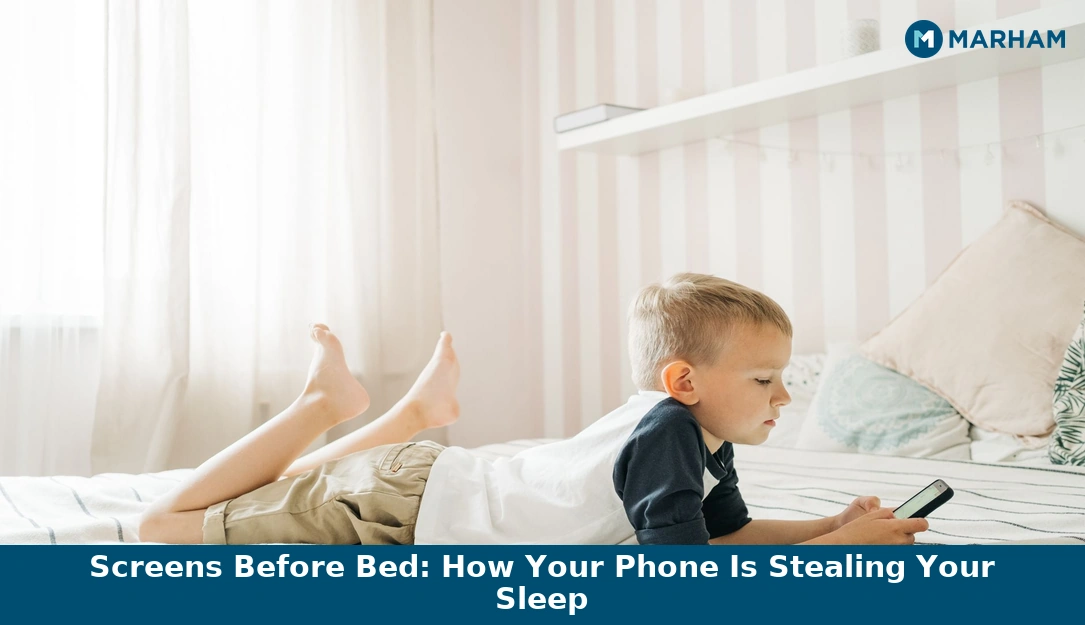
Most Pakistani households wind down the same way every night: chai finished, lights dimmed, and then an hour or two of scrolling through Instagram, watching YouTube, or catching up on WhatsApp. It feels like relaxing. For your brain, it’s the opposite.
Research published in JAMA Network Open in 2025 found that people who used screens before bed had a 33% higher rate of poor sleep quality compared to those who avoided them. A study on university students in Pakistan, published in the International Journal of Psychology (2024), found that smartphone use before bedtime, particularly for social media, was directly linked to delayed sleep onset, reduced total sleep time, and higher rates of insomnia. This isn’t a Western problem. It’s happening in Lahore, Karachi, and Islamabad too.
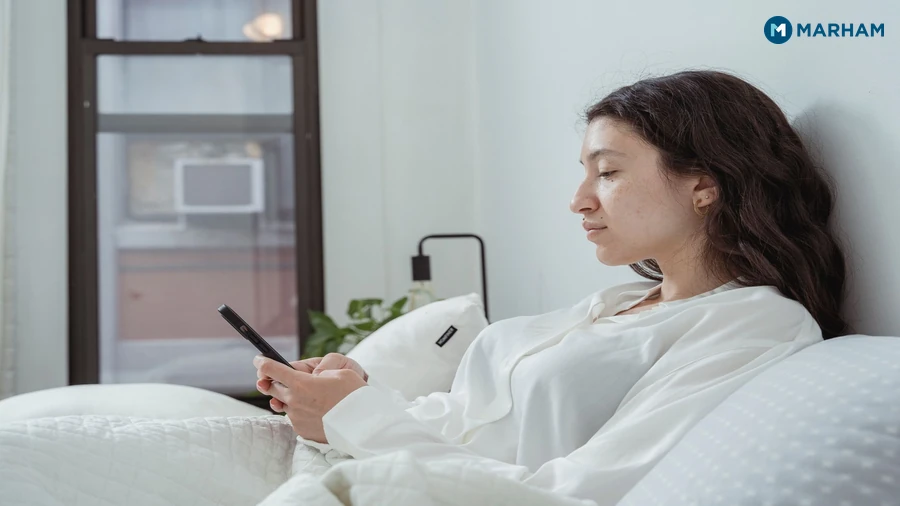
The good news is that the fix is simpler than most people expect. You don’t need to give up your phone entirely. You just need to understand what’s actually happening when you stare at a screen at midnight, and then make a few targeted changes.
سونے سے پہلے اسکرین کا استعمال
سونے سے پہلے موبائل فون یا ٹیبلٹ کا استعمال نیند کے معیار کو بری طرح متاثر کرتا ہے۔ اسکرین سے نکلنے والی نیلی روشنی دماغ میں میلاٹونن نامی ہارمون کی پیداوار کو کم کر دیتی ہے، جو نیند لانے میں مدد کرتا ہے۔ اس کے نتیجے میں نیند دیر سے آتی ہے، رات کو بار بار آنکھ کھلتی ہے، اور صبح تھکاوٹ محسوس ہوتی ہے۔ پاکستان میں یونیورسٹی طلبا پر کی گئی تحقیق سے ثابت ہوا ہے کہ سونے سے پہلے اسکرین کا استعمال انسومنیا یعنی بے خوابی کا ایک بڑا سبب ہے۔ رات کو سونے سے کم از کم ایک گھنٹہ پہلے اسکرین بند کر دینا نیند کو بہتر بنانے کا ایک مؤثر طریقہ ہے۔
Key Takeaways
- Blue light from screens suppresses melatonin, the hormone that signals your body to sleep.
- Mental stimulation from scrolling, gaming, or news keeps the brain alert long after you put the phone down.
- Most sleep experts recommend stopping screen use 30 to 60 minutes before bed, at minimum.
- Pakistani university students using phones before bed show higher rates of insomnia and shorter sleep duration.
- Night mode reduces blue light but does not eliminate the mental stimulation problem.
- A simple bedtime routine without screens can meaningfully improve sleep quality within days.
How Screens Before Bed Disrupt Your Sleep
There are two separate ways your phone keeps you awake. Most people only know about one of them.
The blue light problem. Screens on phones, tablets, and laptops emit blue-wavelength light. According to the National Sleep Foundation, this light signals the brain that it’s still daytime, which slows or stops the release of melatonin, the hormone that makes you feel sleepy. Your internal clock, called the circadian rhythm, gets pushed back. You feel alert when you should be winding down.
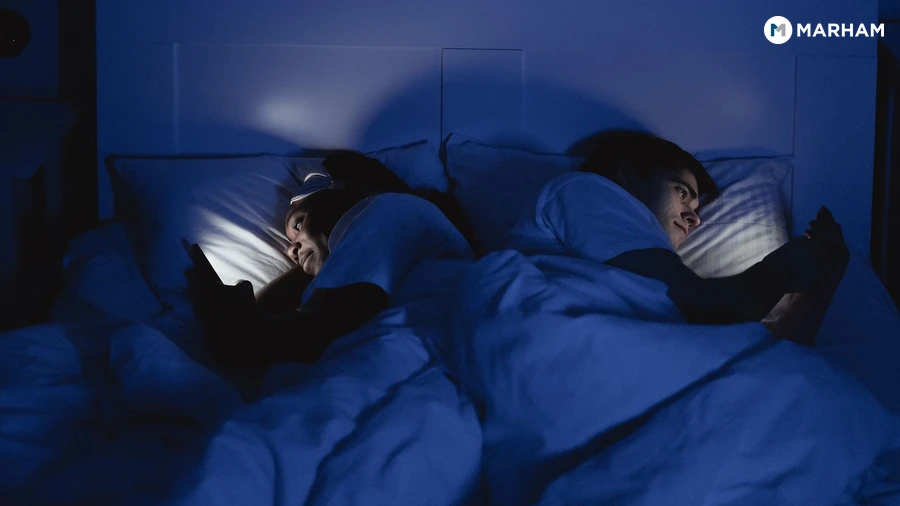
The stimulation problem. This one is less talked about, but arguably more important. Scrolling through social media, watching a tense drama, reading upsetting news, or playing a game all activate your brain’s reward and stress systems. Your cortisol can rise. Your thoughts start racing. Even if you switch off the screen, your mind stays busy for another 20 to 40 minutes. A dimmer screen or dark mode reduces the light issue somewhat, but it does nothing for the mental activation.
Sleep researchers note that the type of content matters as much as the brightness. Passive, calm viewing is less disruptive than active scrolling or gaming. That said, the safest approach for anyone struggling with poor sleep is to treat all screen use before bed as a risk.
What Happens to Your Body When You Don’t Sleep Well
One poor night is manageable. A chronic pattern of screen-disrupted sleep is a different matter.
According to Sutter Health, ongoing poor sleep is associated with increased risk of conditions including heart disease, hypertension, type 2 diabetes, and depression. For Pakistani readers already managing hypertension or diabetes, disrupted sleep can make blood sugar and blood pressure harder to control. Poor sleep also affects concentration, mood, and appetite regulation, which matters for anyone trying to manage their weight.
Children and teenagers are more vulnerable. Research published in PMC (NCBI) found that screen use before bed is associated with shorter sleep duration and more sleep disturbances in younger users, with the effects being strongest when screen use happens right before sleep.
How Long Before Bed Should You Stop Using Your Phone?
Most sleep experts recommend stopping screen use at least 30 to 60 minutes before you plan to sleep. Some specialists suggest a two-hour buffer for people who have persistent difficulty falling asleep. The practical starting point for most people is one hour.
For Pakistani households where late-night WhatsApp conversations, drama serials, and cricket highlights are part of the evening culture, a hard one-hour cutoff can feel unrealistic at first. A gradual approach works better: start with 15 minutes screen-free before bed, then extend it by 15 minutes every few days until you reach an hour. The goal is to build a habit, not to win a willpower contest on day one.
During Ramadan, when sleep schedules shift significantly, this matters even more. If you’re eating sehri at 4 am and sleeping again after Fajr, keeping screens out of that short sleep window can make a real difference to how rested you feel. You can read more about adjusting your sleep timing in our guide on how to adjust your sleep schedule before Ramadan.
6 Steps to Build a Screen-Free Bedtime Routine
- Set a digital curfew. Decide on a fixed time to put all screens away, ideally 60 minutes before your target sleep time. Set an alarm on your phone to remind you, then place the phone face-down in another room or across the room.
- Charge your phone outside the bedroom. This is the single most effective structural change. When your phone is across the room, the temptation to check it drops sharply. Buy a basic alarm clock from any Daraz seller or local electronics shop in Karachi or Lahore for under Rs. 500 so you’re not dependent on your phone to wake up.
- Enable night mode or warm-light settings early. Most Android and iPhone models have a built-in blue light filter (called Night Light or Night Shift). Set it to activate automatically from 8 pm onwards. This reduces, though does not eliminate, the light problem. Think of it as harm reduction, not a full solution.
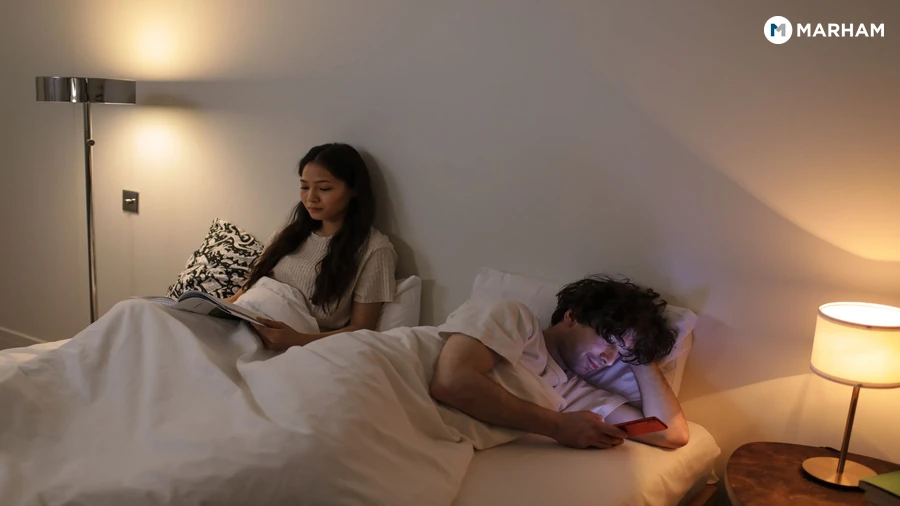
- Replace scrolling with something calming. Reading a physical book, doing light stretching, reciting Quran or dhikr, or listening to a podcast with the screen off are all good options. These activities let your brain slow down rather than rev up. Keep a book on your bedside table so there’s something to reach for.
- Avoid emotionally activating content in the last hour. Pakistani news channels, political debates on YouTube, and argument-heavy Twitter threads are particularly bad choices before bed. If you must use your phone in the evening, choose something low-stakes: a cooking video, a nature documentary, or music.
- Keep the bedroom cool and dark. In Karachi and other hot cities, running a fan or AC helps lower your core body temperature, which naturally supports sleep onset. Heavy curtains block streetlight. These environmental changes work alongside the screen-free habit, not instead of it.
Is Night Mode Enough? What About Blue Light Glasses?
Night mode and blue light-filtering glasses can reduce your exposure to blue wavelengths, but current research suggests the effect is modest. A 2025 review noted that brightness and timing of light exposure matter more than the blue hue alone. Turning down screen brightness and using warm-light settings helps, but neither replaces the benefit of simply putting the screen down.
Blue light glasses are widely sold in Pakistan at optical shops and on Daraz, ranging from roughly Rs. 800 to Rs. 3,000. They’re a reasonable addition if you genuinely can’t avoid screens in the evening, but they shouldn’t give you a false sense of security about late-night scrolling.
When to See a Sleep Specialist
Occasional poor sleep is normal. If you’ve reduced your screen time before bed for two to three weeks and still find it hard to fall asleep, wake frequently during the night, or feel consistently exhausted during the day, the problem may be deeper than screen habits alone. Insomnia, anxiety, depression, and sleep apnea all cause similar symptoms and need proper evaluation.
A general physician or a psychiatrist in Pakistan can assess whether your sleep difficulties need further investigation. Don’t assume that more discipline with your phone will fix everything; some sleep problems have underlying causes that require professional attention.
Get Better Sleep Support from Marham
If you’ve tried adjusting your bedtime routine and still can’t get consistent, restful sleep, talking to a specialist is the right next step. Persistent insomnia, anxiety that keeps your mind racing at night, or daytime fatigue that affects your work and family life are all worth discussing with a doctor.
Marham connects you with verified psychiatrists and general physicians in Pakistan who consult online, so you don’t need to travel to a clinic in the middle of a packed week. A short online consultation typically takes 15 to 20 minutes and can help you understand whether what you’re experiencing is a habit problem, a mental health concern, or something that needs a clinical assessment.
Frequently Asked Questions
How long before bed should I stop using my phone?
Most sleep experts recommend stopping screen use at least 60 minutes before bed. If you struggle with falling asleep, a two-hour buffer may help even more.
Does blue light from screens really affect sleep?
Yes, blue light suppresses melatonin, the hormone that makes you sleepy, and can delay sleep onset. However, the mental stimulation from the content you’re viewing is often just as disruptive as the light itself.
Can using my phone before bed cause insomnia?
Regular screen use before bed is associated with increased sleep latency (taking longer to fall asleep) and poorer sleep quality. Whether it causes clinical insomnia depends on the individual and other factors, so consult a doctor if sleep problems persist.
Is night mode or dark mode enough to protect my sleep?
Night mode reduces blue light exposure but doesn’t eliminate the mental stimulation from content. It’s a useful harm-reduction step, not a complete solution. Putting the screen away is still the most effective choice.
What can I do instead of using my phone before bed?
Reading a physical book, light stretching, reciting Quran or dhikr, journaling, or listening to a podcast with the screen off are all good alternatives that help the brain wind down naturally.
Does screen time before bed affect children differently?
Yes. Research shows children and teenagers are more vulnerable to sleep disruption from screens. Pediatric guidelines recommend keeping devices out of children’s bedrooms and avoiding screens in the hour before bed.
When should I see a doctor about my sleep problems?
If you’ve reduced screen time for two to three weeks and still experience difficulty falling asleep, frequent night waking, or persistent daytime fatigue, consult a doctor. These symptoms may point to insomnia, anxiety, or another condition that needs proper evaluation.
Conclusion
Screens before bed are one of the most common and most correctable reasons Pakistanis sleep badly. The science is clear: blue light delays melatonin, and stimulating content keeps the brain alert well past the point you intended to sleep. A one-hour screen-free window before bed, a phone charged outside the bedroom, and a calm alternative activity are enough to make a real difference for most people. Start small, be consistent, and give it at least two weeks before judging the results.


