
Walking into a room full of people and feeling your heart race, your palms sweat, and your mind go blank — that is not just shyness. If these feelings are intense, persistent, and interfere with your daily life, you may be experiencing social anxiety. Social anxiety disorder affects an estimated 7–13% of the global population, yet in Pakistan, it remains deeply misunderstood and rarely discussed. Many people suffer for years, labelling themselves ‘shy’ or ‘introverted,’ without realising that effective treatment exists. This guide explains what social anxiety really is, how to recognise it, and the evidence-based steps to overcome it.
The World Health Organization ranks anxiety disorders as the most common mental health conditions worldwide, with social anxiety disorder being one of the top three subtypes [Source: WHO, 2023].
What Is Social Anxiety Disorder?
Social anxiety disorder (SAD) — also called social phobia — is an intense, persistent fear of being watched, judged, or embarrassed in social situations. It goes beyond normal nervousness. People with social anxiety experience overwhelming dread before, during, and after social interactions, often to the point where they avoid situations entirely.
Importantly, social anxiety is not a personality flaw, a sign of weakness, or something you can simply ‘get over.’ It is a recognised medical condition with biological, psychological, and environmental causes — and it responds well to treatment.
Social Anxiety Symptoms
Emotional and Behavioural Symptoms
- Intense fear of situations where you might be judged or embarrassed
- Avoiding social gatherings, public speaking, phone calls, or meeting new people
- Worrying for days or weeks before a social event
- Fear of being the centre of attention
- Replaying conversations in your head for hours, analysing everything you said
- Difficulty making eye contact
- Speaking very softly or not speaking at all in groups
- Avoiding eating, drinking, or writing in front of others
Physical Symptoms
- Racing heartbeat and pounding chest
- Blushing, especially when spoken to
- Excessive sweating, particularly on the palms and forehead
- Trembling hands or voice
- Nausea or stomach upset before social situations
- Muscle tension and headaches
- Feeling dizzy or lightheaded
- Mind going blank — unable to think of words
These symptoms can range from mild discomfort to debilitating panic. Many people with social anxiety develop avoidance patterns that progressively shrink their world — declining invitations, avoiding career opportunities, and withdrawing from relationships.
What Causes Social Anxiety?
Social anxiety typically develops from a combination of factors:
Biological Factors
An overactive amygdala (the brain’s threat detection centre) plays a key role. Genetics also contribute — if a close family member has anxiety disorders, your risk is 2–6 times higher.
Psychological Factors
Negative core beliefs — ‘I am not interesting,’ ‘People are judging me,’ ‘I will embarrass myself’ — fuel the anxiety cycle. These beliefs often form in childhood or adolescence and become automatic thought patterns.
Environmental Factors
- Bullying, teasing, or humiliation during school years
- Overly critical or controlling parenting styles
- Traumatic public embarrassment
- Cultural pressure to perform or be socially perfect
In Pakistani culture, the emphasis on family reputation (izzat), public perception, and social conformity can intensify social anxiety, particularly for young women and men in joint family systems.
Social Anxiety vs Shyness: What Is the Difference?
- Shy people feel uncomfortable initially but warm up over time. People with social anxiety feel dread that does not fade — it may worsen
- Shy people can still function in social settings. People with SAD may avoid social situations entirely or endure them with extreme distress
- Shyness does not typically cause physical symptoms. Social anxiety triggers a full fight-or-flight response: racing heart, sweating, trembling, nausea
- Shyness does not interfere with career, relationships, or daily life. Social anxiety often does
How to Overcome Social Anxiety
1. Cognitive Behavioural Therapy (CBT)
CBT is the gold-standard treatment for social anxiety. It works by identifying and challenging the negative thought patterns that drive anxiety. A therapist helps you recognise distorted beliefs (e.g., ‘everyone is staring at me’), test them against reality, and replace them with more balanced thoughts. Research shows that CBT produces significant improvement in 60–80% of patients [Source: Journal of Clinical Psychology, 2022].
2. Gradual Exposure
Avoidance reinforces anxiety. Exposure therapy involves gradually facing feared social situations — starting with easier ones and progressing to harder ones. Over time, your brain learns that the feared outcome rarely happens, and the anxiety response weakens.
Example: start by making small talk with a shopkeeper, then progress to joining a group conversation, then giving a short presentation.

3. Medication
For moderate to severe social anxiety, medication can provide significant relief:
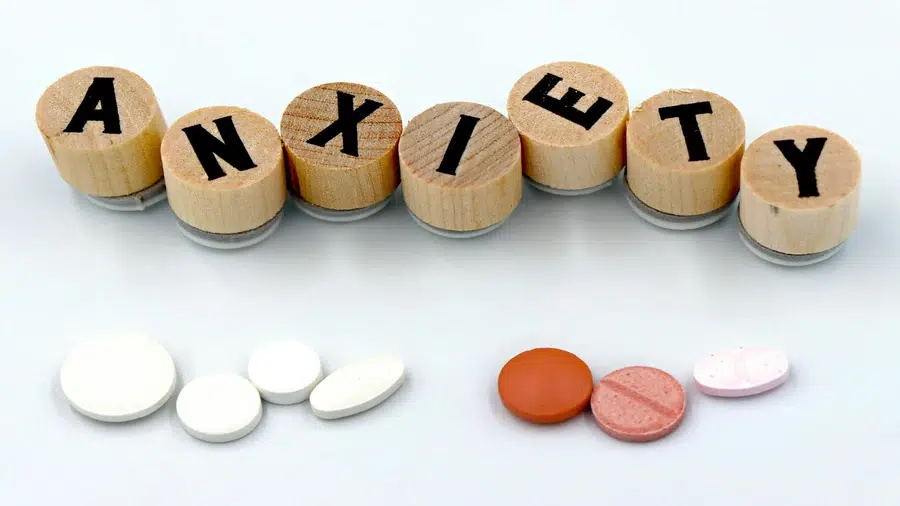
- SSRIs (selective serotonin reuptake inhibitors) like sertraline and escitalopram are the first-line medications — effective, well-tolerated, and non-addictive
- SNRIs like venlafaxine are an alternative
- Beta-blockers can be used for specific performance anxiety (e.g., public speaking)
- Benzodiazepines are used short-term for severe cases but carry dependence risk and are not a long-term solution
Medication works best when combined with therapy. Never self-medicate — dosing and selection require professional guidance.
4. Self-Help Strategies
- Practice deep breathing: inhale for 4 counts, hold for 4, exhale for 6. This activates the parasympathetic nervous system and calms the fight-or-flight response
- Challenge your thoughts: ask yourself, ‘What is the worst that could actually happen? How likely is it? Has it happened before?’
- Prepare rather than rehearse: have 2–3 conversation topics ready rather than scripting every word
- Focus outward: shift attention from ‘how am I coming across?’ to ‘what is this person saying?’ Outward focus reduces self-monitoring and anxiety
- Exercise regularly: physical activity reduces anxiety by 20–30% across multiple studies [Source: JAMA Psychiatry, 2023]
- Limit caffeine: it increases heart rate and can mimic or worsen anxiety symptoms
Social Anxiety in Pakistan: Breaking the Stigma
Mental health stigma remains one of the biggest barriers to treatment in Pakistan. Many families view social anxiety as ‘laziness,’ ‘drama,’ or a lack of confidence that should be overcome by simply trying harder. This approach does not work and often makes the condition worse.
Social anxiety is as real and treatable as any physical illness. Seeking help is not a weakness — it is the most effective decision a person with social anxiety can make.
When to See a Mental Health Professional
- Your anxiety prevents you from working, studying, or maintaining relationships
- You avoid situations that are important to your career or personal life
- Physical symptoms (heart pounding, sweating, trembling) occur regularly in social settings
- You use alcohol or other substances to cope with social situations
- You feel isolated, lonely, or depressed because of avoidance behaviour
- Self-help strategies have not been enough after consistent effort for 4–6 weeks
book a confidential online consultation with a psychologist or psychiatrist on Marham — you can speak from the privacy of your home, which many people with social anxiety find easier than an in-person visit.
Frequently Asked Questions
Is social anxiety common in Pakistan?
Estimates suggest 5–10% of Pakistanis experience social anxiety, though the real number is likely higher due to underreporting and cultural normalisation of avoidance behaviour.
Can social anxiety go away on its own?
Without treatment, social anxiety tends to persist or worsen over time. Early treatment — especially CBT — produces lasting improvement. The sooner you seek help, the better the outcome.
Is social anxiety the same as introversion?
No. Introverts prefer quiet environments but can socialise comfortably when they choose to. People with social anxiety want to socialise but are held back by intense fear and physical symptoms. You can be an introvert without having social anxiety, and you can be an extrovert who has social anxiety.
Can children have social anxiety?
Yes. Social anxiety commonly starts between ages 8 and 15. Signs in children include excessive clinginess, crying before school or social events, stomach aches before gatherings, and refusal to participate in class. Early intervention makes a significant difference.
You Are Not Alone
Social anxiety is one of the most common and most treatable mental health conditions. It does not define who you are — it is a pattern your brain learned, and it can be unlearned with the right support. Whether through therapy, medication, or self-help strategies, millions of people worldwide have significantly reduced their social anxiety and rebuilt fuller, more connected lives. The first step is acknowledging the problem. The second is getting help.