


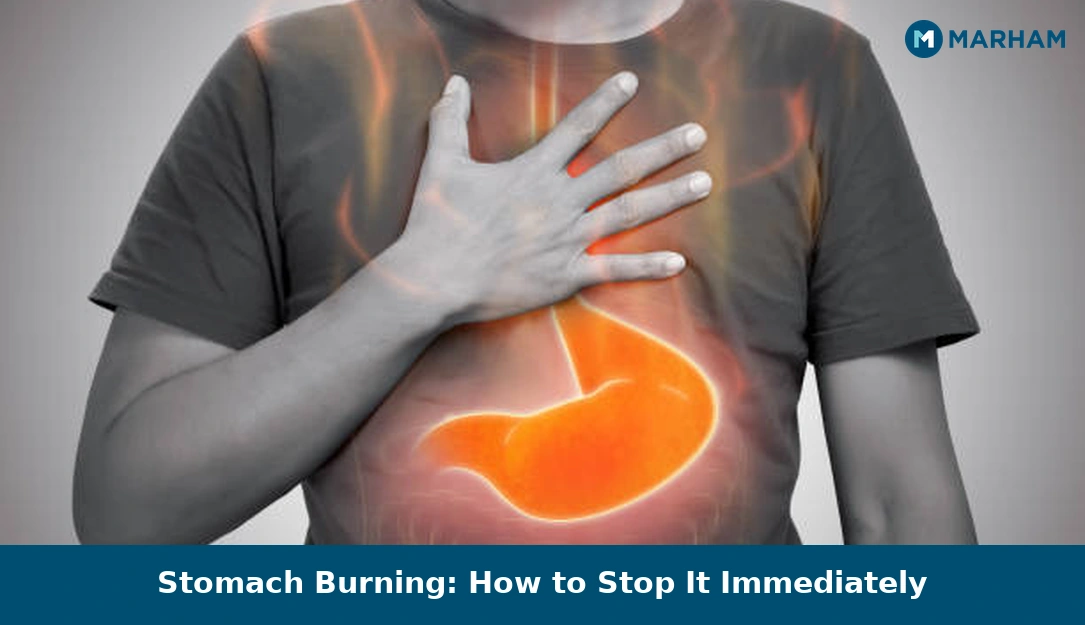
That familiar heat rising from your upper abdomen after a plate of biryani or a cup of chai on an empty stomach is something most Pakistanis know well. It can hit within minutes of eating and linger for hours, making it hard to concentrate, sleep, or get through the day.
Acidity and stomach burning are among the most common digestive complaints seen by gastroenterologists across Pakistan. Lifestyle habits common in Pakistani households — late dinners, large oily meals, chai multiple times a day, and high-stress routines — are well-recognised triggers. According to a review published in the Journal of the Pakistan Medical Association, functional dyspepsia (the medical term for recurring indigestion and burning) affects a significant proportion of adults in urban Pakistan, with spicy and fried food intake being the most frequently reported trigger.
Most episodes are mild and respond quickly to simple measures. This guide covers what is actually causing the burning, which remedies work fastest, what to eat and avoid, and the signs that mean you need a doctor rather than a home fix.
معدے کی جلن: اہم نکات
معدے کی جلن اکثر تیزابیت، ایسڈ ریفلکس، یا معدے کی سوزش کی وجہ سے ہوتی ہے۔ پاکستان میں مرغن کھانے، خالی پیٹ چائے، اور دیر سے کھانا کھانے کی عادات اس مسئلے کو عام بناتی ہیں۔ فوری آرام کے لیے ٹھنڈا دودھ، سونف کا پانی، یا ادرک کی چائے مددگار ہو سکتی ہے۔ اگر جلن بار بار ہو، کھانا نگلنے میں تکلیف ہو، یا پاخانے میں خون آئے تو فوری طور پر معدے کے ڈاکٹر سے رجوع کریں۔
What Causes Stomach Burning?
Stomach burning happens when the lining of the stomach or the food pipe (oesophagus) is irritated by acid. The most common underlying causes are:

- Acid reflux (GERD): The valve between the stomach and oesophagus relaxes at the wrong time, letting acid flow upward. You feel the burn in your chest or upper abdomen, often after meals or when lying down.
- Gastritis: Inflammation of the stomach lining, often from H. pylori bacterial infection, prolonged use of pain-relief medicines like ibuprofen, or excessive alcohol. The burning tends to be in the upper-middle abdomen and may worsen on an empty stomach.
- Peptic ulcers: Open sores in the stomach lining or upper small intestine. Ulcer-related burning often improves briefly after eating, then returns. This pattern is different from GERD, where eating can make things worse.
- Functional dyspepsia: Recurring discomfort after eating without a clear structural cause. Very common and strongly linked to stress and irregular meal timing.
Knowing which type you have matters because the quickest fixes differ slightly. Cold milk, for example, gives faster relief for acid-related burning than for ulcer pain. If you’re unsure, start with the safest and most broadly effective options listed below.
Pakistani-specific triggers to watch: Chai on an empty stomach is probably the single most common trigger seen in Pakistani patients. The caffeine and tannins in tea stimulate acid production, and without food to buffer it, the stomach lining takes the hit. Large, late-night meals — the norm in many Pakistani households — are the second most reported pattern. The stomach needs at least two to three hours to empty before you lie down; skipping that window pushes acid upward.
How to Stop Stomach Burning Immediately: 7 Remedies
These measures can ease mild to moderate burning. They are not treatments for an underlying condition — they manage the symptom while the body recovers or while you arrange proper care.
- Drink a glass of cold, plain milk. Milk’s calcium content helps neutralise stomach acid, and the cold temperature soothes the irritated lining. Sip it slowly rather than gulping. Full-fat doodh patti milk works fine; you don’t need anything special. This is most effective for acid reflux and general acidity.
- Chew a teaspoon of saunf (fennel seeds) with a little water. Saunf is a traditional Pakistani digestive aid with genuine scientific backing: a 2014 review in the Journal of Ethnopharmacology noted fennel’s antispasmodic properties that help relax the gastrointestinal muscles and reduce bloating. Keep a small bowl of saunf near the dining table — it’s a habit worth building.
- Brew a cup of adrak (ginger) tea. Ginger contains compounds called gingerols that can reduce inflammation in the stomach lining and help settle nausea. Boil two to three thin slices of fresh ginger in a cup of water for five minutes, strain, and sip warm. Avoid adding milk if the burning is severe, as milky chai can sometimes worsen reflux in sensitive individuals.
- Sit upright and avoid lying down. Gravity helps keep acid in the stomach. Lying flat or reclining on a sofa after eating is one of the fastest ways to worsen the burning. If the episode hits at night, prop yourself up with two pillows under your upper back, not just your head.
- Drink a glass of plain water slowly. Water dilutes acid concentration and helps flush the oesophagus. Drink it at room temperature in small sips. Avoid cold fizzy drinks — the carbonation increases pressure in the stomach and can push acid upward.
- Eat a ripe banana or a small bowl of plain dahi (yoghurt). Bananas are naturally alkaline and contain compounds that help coat the stomach lining, according to a review in Food Science and Nutrition. Plain dahi (without added masala or sugar) contains probiotics that support a healthy gut lining and may reduce reflux symptoms over time. Both are readily available in any Pakistani kitchen.
- Take an over-the-counter antacid if home remedies aren’t enough. Antacid tablets or suspensions containing calcium carbonate or magnesium hydroxide are widely available at Pakistani pharmacies for roughly Rs. 50 to Rs. 150 per pack. They work within minutes by neutralising excess acid. Use them for occasional relief only — daily use without medical guidance is not recommended, as it can mask an underlying condition that needs proper diagnosis.
Foods to Avoid When Your Stomach Burns
Certain foods make the burning worse by either increasing acid production or relaxing the valve that keeps acid out of the oesophagus. The ones most relevant to a Pakistani diet:
| Food / Drink | Why It Worsens Burning |
|---|---|
| Chai and coffee | Caffeine stimulates acid production |
| Biryani and fried foods | High fat slows stomach emptying, increases reflux risk |
| Achaar (pickle) and chutney | Highly acidic, directly irritates the stomach lining |
| Carbonated drinks | Increases stomach pressure |
| Chocolate | Relaxes the lower oesophageal valve |
| Citrus juices (nimbu pani in excess) | Adds acidity to an already irritated stomach |
| Tomato-based curries | Naturally acidic, common reflux trigger |
A practical rule for Pakistani meals: if a dish is very oily, very spicy, or very sour, it’s likely to trigger burning in someone already prone to acidity. Eating smaller portions of these foods rather than eliminating them entirely is a more sustainable approach.
Lifestyle Changes That Prevent Stomach Burning
Remedies manage an episode. Habits prevent the next one.
- Eat your last meal at least two to three hours before sleeping. This single change reduces nighttime reflux more than almost any other adjustment.
- Avoid chai on an empty stomach. Have a small snack — even a plain biscuit — before your morning cup.
- Eat smaller, more frequent meals rather than one or two large ones. A very full stomach puts pressure on the valve above it.
- Manage stress. The gut-brain connection is well established: stress raises acid production and slows digestion. Even a 10-minute walk after dinner helps.
- If you take ibuprofen or aspirin regularly for joint or back pain, discuss alternatives with your doctor. These medicines can erode the stomach lining over time and are a common but overlooked cause of gastritis in Pakistani patients.
When to See a Doctor for Stomach Burning
Mild, occasional burning that clears up within an hour or two is usually nothing to worry about. You should consult a doctor promptly if:
- The burning is severe, does not improve with antacids, or keeps coming back every few days.
- You notice black or tarry stools, or blood in your vomit — these are signs of bleeding in the digestive tract and need urgent evaluation.
- You have unexplained weight loss alongside the burning.
- Swallowing feels difficult or painful.
- The burning is accompanied by chest pain that spreads to your arm or jaw (this could indicate a cardiac problem, not a stomach problem — seek emergency care).
A gastroenterologist in Pakistan can assess whether the burning is from simple acidity, GERD, gastritis, or an ulcer, and guide treatment accordingly. Trying to self-manage recurring symptoms for months without a diagnosis is one of the most common mistakes Pakistani patients make, and it allows conditions like H. pylori infection or peptic ulcers to worsen quietly. You can also read about stomach infections spreading in Pakistan this summer to understand related digestive issues.
Speak to a Gastroenterologist on Marham
If your stomach burning keeps returning despite home remedies and dietary changes, it’s worth getting a proper assessment rather than relying on antacids indefinitely. Recurring burning without a diagnosis can mean an underlying condition is being managed symptomatically but not treated.
Marham connects you with verified gastroenterologists in Pakistan who consult online from anywhere in the country, including smaller cities where specialist access is limited. A short online consultation typically takes 15 to 20 minutes and can clarify whether you need an endoscopy, a test for H. pylori, or simply a structured dietary plan you can follow at home.
Frequently Asked Questions
What causes a burning sensation in the stomach?
Stomach burning is most often caused by excess acid irritating the stomach lining, which can happen with acid reflux (GERD), gastritis, peptic ulcers, or functional dyspepsia. Spicy food, caffeine, stress, and irregular meal timing are the most common triggers in Pakistan.
Is cold milk good for stomach burning?
Yes, a glass of cold plain milk can provide quick relief by neutralising stomach acid and soothing the lining. Sip it slowly for the best effect. It works best for acid reflux and general acidity rather than ulcer-related pain.
Can stress cause stomach burning?
Yes. Stress increases acid production in the stomach and weakens the protective mucus lining, making it more vulnerable to irritation. Managing stress through regular meals, adequate sleep, and physical activity can reduce how often burning episodes occur.
What foods should I avoid when my stomach burns?
Avoid chai and coffee, fried and oily foods, pickles, carbonated drinks, and tomato-heavy curries. These either increase acid production or relax the valve that keeps acid from rising into the food pipe.
When should I see a doctor for stomach burning?
See a doctor if the burning is severe, keeps returning, does not respond to antacids, or comes with black stools, vomiting blood, difficulty swallowing, or unexplained weight loss. These signs need medical evaluation, not home remedies.
How to stop hiccups that come with acid reflux?
Hiccups that accompany acid reflux often settle when the reflux itself is managed. Sipping water slowly, sitting upright, and taking an antacid can help. If hiccups persist for more than 48 hours, consult a doctor. You can also find more tips in this guide on how to stop hiccups.
Can stomach burning happen during Ramazan fasting?
Yes, and it’s very common. Long fasting hours leave the stomach empty for extended periods, which can increase acid irritation. Eating a balanced sehri with complex carbohydrates, avoiding very spicy or fried food at iftar, and not lying down immediately after iftar all help reduce burning during Ramazan.
Conclusion
Stomach burning is usually manageable with simple measures: cold milk, saunf, ginger tea, staying upright after meals, and avoiding the specific food habits common in Pakistani diets that trigger it. Most episodes settle within an hour. The key is recognising when the pattern shifts from occasional to frequent, or when warning signs appear that point to something more serious than simple acidity.


