



When the temperature crosses 40°C and the kitchen feels like a furnace, the last thing any Pakistani family wants is a heavy, oily meal. Choosing the best summer foods is not just about comfort — it directly affects your hydration, energy levels, digestion, and ability to handle the heat. The right foods cool you from the inside, replace lost electrolytes, and keep your gut healthy through the most demanding months of the year. This guide lists the top summer foods and traditional Pakistani cooling drinks backed by nutrition science, so your family stays energised and well-nourished from April through September.
According to the Food and Agriculture Organization, diet-related dehydration contributes to over 30% of summer hospital admissions in South Asia, many of which could be prevented by simple dietary adjustments [Source: FAO, 2023].
Why Your Diet Needs to Change in Summer
Your body works harder in summer. Sweating depletes water, sodium, potassium, and magnesium. Digestion slows because blood flow shifts to the skin for cooling. Heavy, fried, and protein-rich meals generate more metabolic heat — a process called thermogenesis — making you feel hotter and more sluggish. In contrast, water-rich, fibre-rich, and light foods reduce heat production and support hydration from the inside out.
Top 10 Summer Foods for Pakistani Families
1. Watermelon (Tarbooz)
At 92% water, watermelon is nature’s hydration pack. It provides vitamins A and C, lycopene (a powerful antioxidant), and natural sugars for quick energy. Eat it chilled as a snack, blend it into juice, or add it to fruit chaat without masala.
2. Cucumber (Kheera)
Cucumber is 95% water and extremely low in calories. It cools the body, aids digestion, and pairs well with yogurt in raita or salads. Keep sliced cucumber in the fridge for an instant cooling snack.
3. Yogurt (Dahi)
Yogurt is a probiotic powerhouse that supports gut health — critical in summer when food poisoning risks rise. It also provides calcium, protein, and B vitamins. Use it in lassi, raita, or eat it plain with a meal.
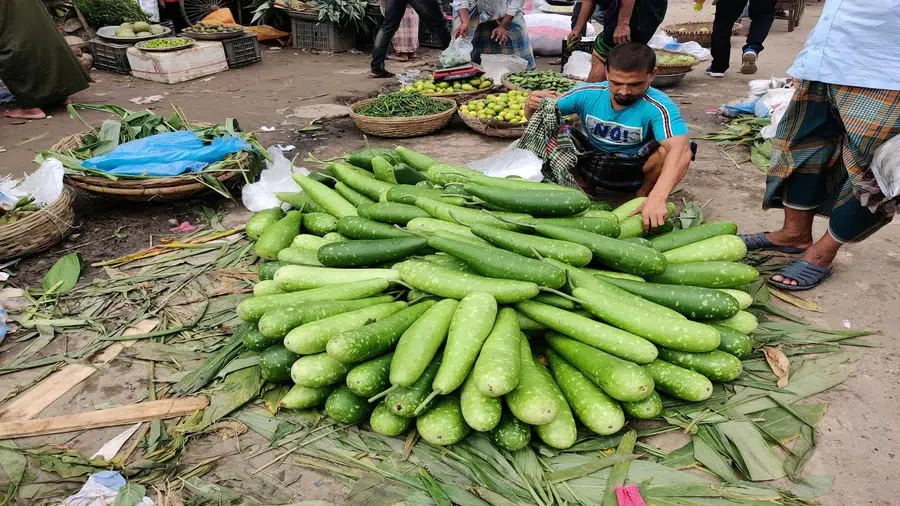
4. Bottle Gourd (Lauki/Kaddu)
Lauki is over 90% water and is one of the lightest, most digestible vegetables. It is a staple in Pakistani summer cooking for good reason — it keeps you hydrated and is gentle on the stomach.
5. Mint (Pudina)
Mint has natural cooling properties and aids digestion. Add fresh mint to drinks, chutneys, raita, and salads. Mint tea (lukewarm, not hot) is a traditional Pakistani remedy for summer indigestion.
6. Mangoes (Aam)
Pakistan’s king of fruits is rich in vitamins A and C, fibre, and natural sugars. Enjoy mangoes in moderation — 1 to 2 servings per day — to avoid excess sugar intake. Mango lassi and aam panna (raw mango drink) are excellent summer options.
7. Onions (Pyaaz)
Raw onions, especially red onions, contain quercetin — a natural anti-inflammatory and antihistamine. In Pakistan, raw onion salad with meals is a time-tested summer tradition that helps prevent heat-related issues.
8. Lemon (Nimbu)
Lemons provide vitamin C and citric acid. A glass of nimbu paani (lemon water) with a pinch of salt replaces electrolytes naturally. It is one of the cheapest and most effective summer drinks available.
9. Coconut Water (Nariyal Paani)
Fresh coconut water is a natural isotonic drink — it contains potassium, sodium, and magnesium in proportions similar to human blood plasma. One glass after outdoor activity rehydrates faster than plain water alone.
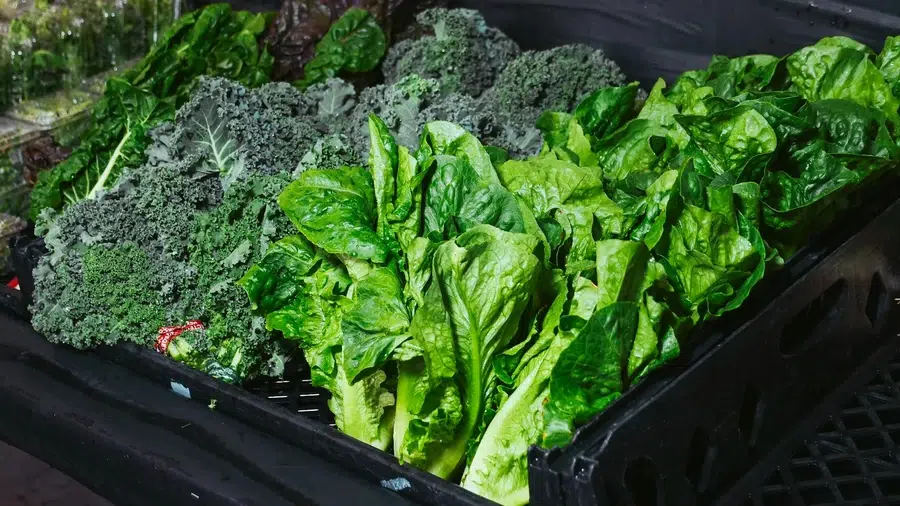
10. Leafy Greens
Spinach, lettuce, and other greens are rich in water, iron, and folate. Use them in salads rather than heavy cooked sabzis to maximise their cooling and nutritional benefits in summer.
5 Traditional Pakistani Cooling Drinks
1. Lassi (Salted)
Blend yogurt with cold water, a pinch of salt, and roasted cumin. Salted lassi rehydrates, replaces sodium, and supports digestion. Avoid sweet lassi in excess — the added sugar can worsen thirst.
2. Sattu Sharbat
Made from roasted gram flour, sattu is a protein-rich, cooling drink popular in Punjab and Sindh. Mix sattu powder with cold water, lemon juice, salt, and a pinch of black pepper. It provides sustained energy without making you feel heavy.
3. Jaljeera
This tangy cumin-based drink aids digestion and cools the body. Combine cumin powder, mint, black salt, lemon juice, and cold water. It is especially refreshing before or after a heavy meal.
4. Aam Panna (Raw Mango Drink)
Boil raw mangoes, extract the pulp, and blend with water, sugar, roasted cumin, and salt. Aam panna is rich in vitamin C and is traditionally used in South Asia to prevent heat exhaustion.
5. Rooh Afza with Milk or Water
A cultural staple in Pakistani summers, this herbal concentrate mixed with cold milk or water provides a quick cooling effect. Use in moderation due to its sugar content, or dilute more heavily for a lighter version.

Foods to Avoid in Summer
- Heavy fried foods — samosas, pakoras, and parathas generate excess body heat
- Excessively spicy curries — they increase sweating and can irritate the stomach
- Red meat in large portions — high protein increases thermogenesis
- Sugary soft drinks and packaged juices — they worsen dehydration despite feeling refreshing
- Excessive caffeine — more than 3 cups of tea or coffee dehydrates through diuresis
- Stale leftovers — the risk of bacterial contamination doubles in summer heat
Summer Meal Plan Ideas
Breakfast
- Yogurt with sliced mango and a drizzle of honey
- Paratha (light, not deep-fried) with cucumber raita
- Overnight oats with seasonal fruit
Lunch
- Khichdi with a side of mint raita
- Grilled chicken salad with lemon dressing
- Daal with plain rice and raw onion salad
Dinner
- Lauki ka salan with roti
- Chicken tikka with green salad and yogurt
- Vegetable soup with whole wheat bread
Snacks
- Chilled watermelon or melon slices
- Cucumber sticks with hummus
- A glass of salted lassi or coconut water
Frequently Asked Questions
Is it true that cold water is bad after a meal?
There is no scientific evidence that cold water harms digestion. Drinking water at any temperature with or after meals is perfectly safe and encouraged in summer.
How many mangoes can I safely eat per day?
One to two medium mangoes per day is fine for most healthy adults. People with diabetes should limit intake and monitor blood sugar, as mangoes are high in natural sugars.
Can I replace water with lassi or sharbat?
These drinks contribute to hydration but should not replace plain water entirely. Aim for at least 8–10 glasses of plain water daily, with other drinks as supplements.
Are ice lollies and gola ganda safe in summer?
Only if made with clean, filtered water. Street-side ice products are a major source of waterborne infections. Homemade frozen treats using boiled water or fruit juice are a safer choice.
Eat Smart, Stay Cool
Summer nutrition is not about dieting — it is about choosing foods that work with your body instead of against it. Fill your kitchen with watermelons, cucumbers, yogurt, and lemons. Swap heavy curries for lighter meals. And keep a jug of lassi or nimbu paani in the fridge at all times. If you have specific dietary concerns — diabetes, kidney issues, or pregnancy — consult a nutritionist or your doctor on Marham for a personalised summer meal plan.


