


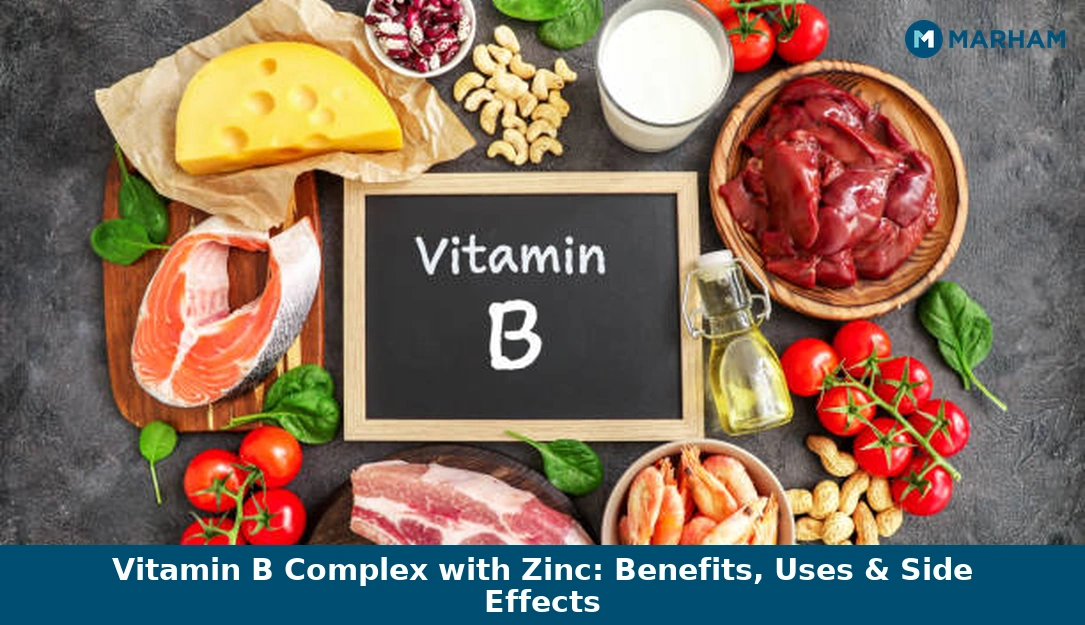
Vitamin B complex with zinc is one of the most commonly recommended supplement combinations at pharmacies across Pakistan, from Karachi’s Burns Road to Lahore’s Liberty Market. Yet most people picking up a strip of Surbex Z or a bottle of Berocca tablets have only a vague idea of what each nutrient actually does, let alone why the two are sold together.
The combination makes sense once you understand the biology. B vitamins and zinc share overlapping roles in energy metabolism, immune defence, and skin repair. A deficiency in one often masks or worsens a deficiency in the other. In Pakistan, both shortfalls are genuinely common: a peer-reviewed study published in PubMed found that zinc deficiency affects roughly 22% of women of reproductive age in the country, with the problem worse in rural areas where wheat-heavy, plant-based diets are rich in phytates — compounds that actively block zinc absorption in the gut.
This guide covers who actually needs this supplement combination, what each nutrient does, how to take it correctly, and when to stop and see a doctor instead.
وٹامن بی کمپلیکس اور زنک: اہم معلومات
وٹامن بی کمپلیکس آٹھ پانی میں حل ہونے والے وٹامنز کا مجموعہ ہے جو توانائی، اعصابی نظام اور خون کی تیاری میں مدد کرتا ہے۔ زنک ایک معدنیات ہے جو قوتِ مدافعت، زخم بھرنے اور جلد کی صحت کے لیے ضروری ہے۔ پاکستان میں گندم اور دالوں پر مبنی خوراک میں فائیٹیٹس ہوتے ہیں جو زنک کے جذب کو کم کر دیتے ہیں، اس لیے یہ کمی عام ہے۔ ڈاکٹر کے مشورے کے بغیر ضرورت سے زیادہ مقدار نہ لیں کیونکہ زیادہ زنک متلی اور دیگر مسائل پیدا کر سکتا ہے۔
What Is Vitamin B Complex with Zinc?
Vitamin B complex is a group of eight water-soluble vitamins: B1 (thiamine), B2 (riboflavin), B3 (niacin), B5 (pantothenic acid), B6 (pyridoxine), B7 (biotin), B9 (folic acid), and B12 (cobalamin). Zinc is a trace mineral, not a vitamin, but it’s added to B-complex formulations because it works alongside B vitamins in several key body processes.
These two are combined because their deficiencies tend to co-occur, particularly in people eating low-protein or plant-heavy diets. The combination targets energy metabolism, immune function, skin health, and nervous system support in one tablet.
Key takeaways:
- B complex covers all 8 B vitamins; zinc is a trace mineral added for synergistic effect
- Both are water-soluble or excreted daily, so regular intake matters
- Phytates in roti, daal, and chana reduce zinc absorption — a real Pakistani dietary concern
- Surbex Z (Abbott Pakistan) is the most widely prescribed local brand, priced at around Rs. 440 for a strip of 30 tablets
- Deficiency symptoms for both overlap: fatigue, poor immunity, skin problems, slow wound healing
- Always take with food to reduce stomach upset
Benefits of Vitamin B Complex with Zinc
Supports Energy and Reduces Fatigue
B vitamins — particularly B1, B2, B3, and B5 — are directly involved in converting the carbohydrates, proteins, and fats from your food into usable cellular energy. Without adequate B vitamins, this conversion slows down, and fatigue sets in even when you’re eating enough. Zinc plays a supporting role here by activating enzymes that drive metabolic reactions.
For Pakistani office workers and students pulling long hours on chai and parathas, this is often the first benefit they notice: more consistent energy through the day without the mid-afternoon crash.
Strengthens Immune Defence
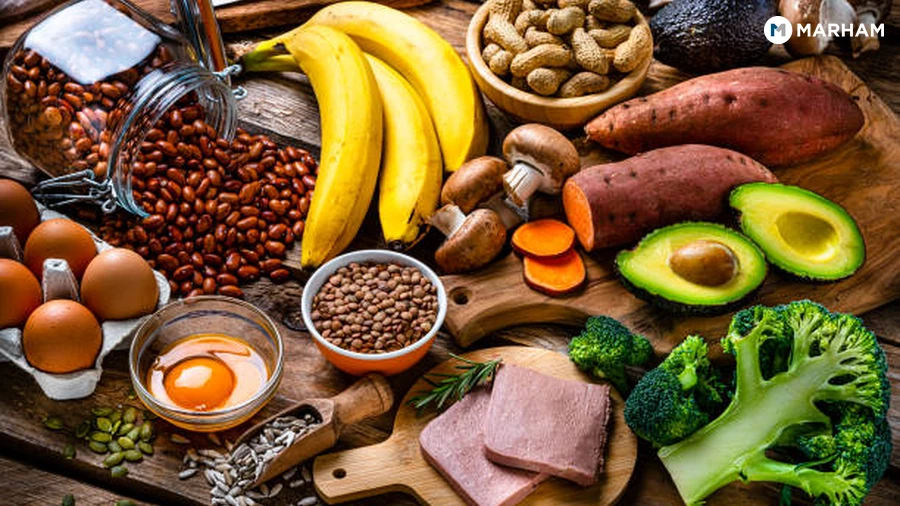
Zinc is essential for the normal development and function of immune cells, including neutrophils and natural killer cells. According to the WHO, global zinc deficiency prevalence has reached 31%, with South Asian populations disproportionately affected due to plant-heavy diets. B6 and B12 also support antibody production and immune cell proliferation.
The practical implication: people who catch every seasonal flu or take longer than usual to recover from infections may benefit from addressing a B-complex or zinc shortfall, though supplementation should complement — not replace — a varied diet.
Promotes Skin, Hair, and Nail Health
Zinc supports the structural integrity of skin and has been used clinically for inflammatory skin conditions including acne. B7 (biotin) and B2 (riboflavin) support healthy hair growth and reduce brittleness in nails. B12 deficiency can manifest as hyperpigmentation and dry, patchy skin.
In Pakistan, where acne is a frequent concern among young adults in humid cities like Karachi and Lahore, dermatologists sometimes recommend a B-complex with zinc as part of a broader skin management plan — though it works best when the underlying deficiency is confirmed, not as a standalone treatment.
Supports Nerve Function and Mood
B6, B9 (folate), and B12 are critical for the synthesis of neurotransmitters including serotonin and dopamine. Low B12 levels are associated with numbness, tingling in the hands and feet, and low mood. Zinc also plays a role in neurological signalling.
A Pakistan-specific concern: a study from Combined Military Hospital, Kharian, published in the Pan African Medical Journal (2013), found that 31% of Pakistani type-2 diabetes patients on metformin had measurably low B12 levels. Metformin reduces B12 absorption in the gut. If you or a family member takes metformin for diabetes, periodic B12 monitoring and supplementation is worth discussing with your doctor.
Aids Wound Healing and Growth
Zinc is involved in collagen synthesis and cell division — both required for tissue repair. According to a peer-reviewed study in PubMed (2014), zinc deficiency signs include delayed wound healing, poor appetite, and growth retardation in children. This is particularly relevant for Pakistani children in lower-income households where dietary zinc from meat and seafood is limited.
Who Needs Vitamin B Complex with Zinc in Pakistan?
Not everyone needs to supplement. Most healthy adults eating a varied diet that includes meat, eggs, dairy, and legumes get adequate amounts. But certain groups in Pakistan are at higher risk of deficiency:
- Heavy roti and daal eaters — phytates in wheat and legumes bind zinc and reduce absorption
- Vegetarians and those who rarely eat meat — B12 is found almost exclusively in animal products
- Diabetic patients on metformin — metformin reduces B12 absorption over time
- Pregnant and breastfeeding women — requirements for B9 (folate), B12, and zinc all increase
- Older adults — stomach acid declines with age, reducing B12 absorption
- People recovering from illness or surgery — zinc demand rises during tissue repair
Vitamin B Complex with Zinc: Comparison of Common Pakistani Brands
| Brand | Key Nutrients | Form | Approx. Price (PKR) |
|---|---|---|---|
| Surbex Z (Abbott) | B-complex, Vitamin C, Zinc | Tablet | Rs. 440 / 30 tablets |
| Berocca Performance | B-complex, Vitamin C, Zinc, Magnesium | Effervescent tablet | Rs. 1,425 / 15 tablets |
| Nutrifactor B-50 | All 8 B vitamins (no zinc) | Tablet | Rs. 600 / 30 tablets |
| Xoctil (Nugen) | B-complex, Zinc, Magnesium, Vitamins A, D, E | Capsule | Rs. 650-800 / pack |
Prices are approximate retail figures as of 2026 and may vary by pharmacy.
How to Take Vitamin B Complex with Zinc Correctly
- Take it with food. Both B vitamins and zinc can cause nausea on an empty stomach. A meal — even a light one like a roti with daal — reduces this significantly.
- Take it at the same time each day. Consistency matters more than the specific time. Morning with breakfast works well for most people.
- Don’t take it with chai or milk immediately. Calcium in milk can compete with zinc for absorption. Space them by at least 30 minutes.
- Avoid taking with iron supplements simultaneously. Iron and zinc compete for the same absorption pathway. If you’re on iron tablets — common during pregnancy in Pakistan — take them at different times of day.
- Swallow the tablet whole. Don’t crush or chew coated tablets; doing so can release the dose too quickly and increase the chance of stomach upset.
- Don’t exceed the recommended dose. One tablet daily is the standard adult dose for most Pakistani brands. More is not better — excess zinc causes nausea, and high-dose B6 over long periods can affect nerve function.
- Give it time. Nutritional deficiencies take weeks to correct. Most people notice a difference in energy and skin over 4 to 8 weeks of consistent use.
Side Effects of Vitamin B Complex with Zinc
At recommended doses, this combination is generally well tolerated. Side effects, when they occur, are usually mild and temporary:
- Nausea or stomach upset — the most common complaint, usually resolved by taking the tablet with food
- Bright yellow urine — caused by riboflavin (B2) being excreted; harmless and expected
- Mild flushing — niacin (B3) can cause a warm, flushing sensation, especially at higher doses
- Metallic taste — occasionally reported with zinc supplements
At doses well above the recommended amount, zinc toxicity can cause vomiting, diarrhoea, and over time may reduce copper absorption in the body. This is why sticking to the prescribed dose matters.
Who Should Be Careful or Avoid It
- People with kidney disease — zinc can accumulate when kidneys can’t clear it efficiently; dose adjustment may be needed
- Those on antibiotics (fluoroquinolones like ciprofloxacin) — zinc can reduce the absorption of these antibiotics; space them by at least 2 hours
- People with a known allergy to any ingredient in the formulation
- Pregnant and breastfeeding women should not self-prescribe; consult a doctor for the correct formulation and dose, as excess folic acid can mask B12 deficiency
When to See a Specialist
A supplement can correct a mild dietary gap, but it can’t diagnose what’s causing your symptoms. Persistent fatigue that doesn’t improve after 6 to 8 weeks of supplementation, tingling or numbness in the hands and feet, visible hair loss, or recurring infections deserve proper evaluation. These can point to underlying conditions — thyroid issues, anaemia, or uncontrolled blood sugar — that need clinical investigation, not just a vitamin.
Consulting a nutritionist in Pakistan can help you confirm whether a deficiency is actually present through a blood test before you start supplementing. This is especially important if you’re already on medications that interact with B vitamins or zinc.
Speak to a Nutritionist on Marham
Many Pakistanis start taking B-complex and zinc tablets based on a pharmacist’s suggestion or a family recommendation, without knowing whether they actually have a deficiency. That’s not necessarily harmful at standard doses, but it’s not the most effective approach either. A blood test for serum B12, serum zinc, and a basic metabolic panel gives you a real baseline and tells you how long to supplement.
Marham connects you with verified nutritionists in Pakistan who consult online from anywhere in the country, including cities where specialist access is limited. A short online consultation typically takes 15 to 20 minutes and can clarify which formulation suits your specific situation — whether you need just B12, a full B-complex, zinc separately, or a combination like Surbex Z. You can also explore related supplement guides like Shilajit benefits and dosage if you’re researching natural energy support options.
Frequently Asked Questions
Can I take vitamin B complex and zinc together every day?
Yes, taking them together daily is safe at recommended doses and is exactly how most combination tablets like Surbex Z are designed to be used. Take one tablet daily with food and do not exceed the stated dose without medical advice.
What are the side effects of vitamin B complex with zinc?
The most common side effects are mild nausea, bright yellow urine from riboflavin, and occasional flushing from niacin. These are usually temporary. Nausea is best avoided by taking the tablet with a meal rather than on an empty stomach.
Is Surbex Z good for hair and skin?
Surbex Z can help if hair loss or skin dryness is caused by a zinc or B-vitamin deficiency. It won’t reverse hair loss caused by hormonal issues, genetics, or other medical conditions. A proper diagnosis before supplementing gives you a much clearer picture.
When is the best time to take vitamin B complex with zinc?
Morning with breakfast is the most practical time for most people. Consistency matters more than the exact hour. Avoid taking it with milk tea or a calcium supplement at the same time, as calcium competes with zinc absorption.
Is vitamin B complex with zinc safe during pregnancy?
Some B vitamins — particularly folic acid (B9) — are actively recommended during pregnancy. However, the full combination and the correct doses should be confirmed by a doctor or gynaecologist, not self-prescribed. Excess zinc or high-dose B6 during pregnancy carries risks that a qualified doctor can help you avoid.
Can diabetic patients take vitamin B complex with zinc?
Yes, and Pakistani diabetics on metformin may particularly benefit from B12 supplementation, as metformin is known to reduce B12 absorption over time. A blood test to check serum B12 levels is the right starting point before supplementing.
How long does it take for vitamin B complex with zinc to work?
Most people notice improvements in energy and skin within 4 to 8 weeks of consistent daily use, provided the fatigue or skin issue was actually caused by a deficiency. If there’s no improvement after 8 weeks, the underlying cause is likely something other than a nutritional gap.
Conclusion
Vitamin B complex with zinc fills a real nutritional gap for many Pakistanis, particularly those eating wheat-heavy diets, taking metformin, or going through periods of high physical or mental demand. At standard doses it’s safe, well tolerated, and genuinely useful when a deficiency is the root cause. The key is taking it consistently with food, not exceeding the recommended dose, and getting a blood test if symptoms persist beyond a couple of months. A supplement works best when it’s targeted at an actual shortfall, not taken as a general precaution.


