



White spots on nails are almost always caused by minor trauma to the nail matrix, not calcium or zinc deficiency as widely believed in Pakistani households. Medically called leukonychia, they are harmless in most cases and grow out on their own. This guide explains the real causes, a simple at-home press test, and exactly when to see a dermatologist.
What Causes White Spots on Nails?
White spots on nails, medically called leukonychia (loo-ko-NIK-ee-ah), are areas of white discolouration on the fingernail or toenail plate. The most common cause is minor physical trauma to the nail matrix, the tissue at the base of the nail where new nail cells are produced. Most cases resolve on their own as the nail grows out, requiring no treatment.
Not sure what is causing your nail changes?
A PMC-verified dermatologist can examine your nails, rule out fungal infection, and give you a clear answer, without you needing to travel to a clinic. Marham connects you with verified skin specialists across 155 cities in Pakistan.
Find a Dermatologist Near YouBook online video consultation instead
The Calcium Myth: What Pakistani Families Get Wrong
Ask almost anyone in Pakistan why they have white spots on their nails and the answer is almost always the same: “calcium ki kami hai.” This belief is widespread, but the evidence does not support it as the primary cause.
According to the Cleveland Clinic (2025), healthcare providers and researchers are not certain that mineral deficiencies directly cause white spots on nails. While some studies suggest that low zinc or iron levels may occasionally play a role, the link is not well-established, and isolated white spots on otherwise healthy nails are rarely a sign of nutritional deficiency.
The confusion likely comes from the fact that severe, long-standing zinc deficiency can affect nail structure. But a single white dot on one nail after bumping your hand on a kitchen counter is not a zinc deficiency. It is a bruise, essentially, just inside the nail plate.
For Pakistani women who follow a diet heavy in roti, daal, and chai with little meat or seafood, zinc intake can genuinely be lower than ideal. But if white spots are your only symptom, a nutritional deficiency is unlikely to be the explanation. Other signs of zinc deficiency include slow wound healing, frequent infections, and hair thinning.
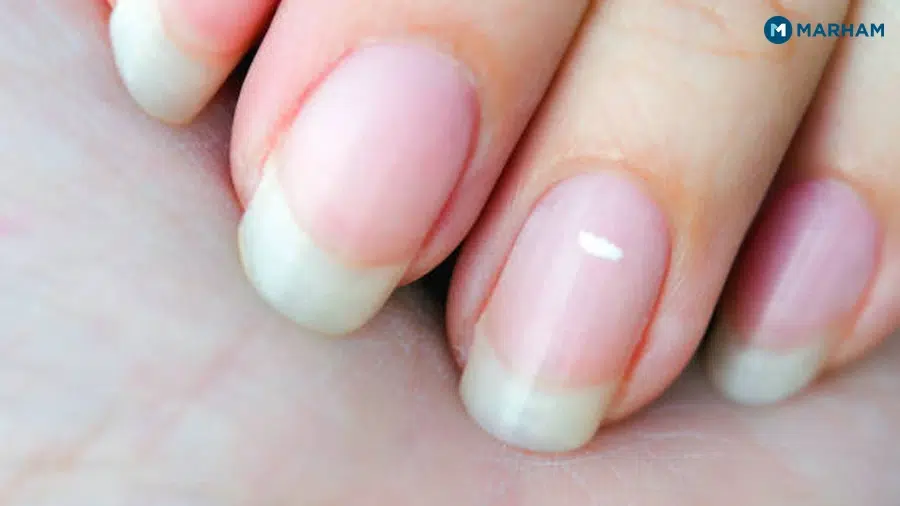
7 Real Causes of White Spots on Nails
1. Nail Trauma (Most Common)
Physical injury to the nail matrix is by far the most frequent cause. The tricky part is that the injury often happens weeks before the spot appears, because nails grow slowly. You may have no memory of the bump or knock that caused it.
Common sources of nail trauma in Pakistan include:
- Pressing nails hard against a surface while kneading dough (atta goondna)
- Nail biting, a habit particularly common in children and students
- Aggressive cuticle pushing during a home manicure
- Accidentally catching a nail in a dupatta or clothing
2. Frequent Nail Polish and Gel Manicures
This is a significant cause for Pakistani women who regularly use nail polish, especially during Eid, weddings, or festive seasons. Leaving nail polish on for several weeks without a break can cause keratin granulations, which are white, chalky patches on the nail surface where the top layers of the nail have dried out.
Gel manicures and acrylic nails are increasingly popular in salons across Karachi and Lahore. The filing and chemical exposure involved can cause both surface-level white patches and deeper trauma to the nail matrix.
3. Nail Polish Allergy
Some people develop an allergic reaction to ingredients in nail polish, nail hardeners, or nail polish remover. The immune system treats these chemicals as irritants, and white spots can form as a result. If you notice spots appearing consistently after using a particular product, switching brands may resolve the issue.
4. Fungal Nail Infection (Onychomycosis)
A fungal infection of the nail, called onychomycosis, can cause white discolouration. This type tends to look different from trauma-related spots. Fungal white patches are often powdery or chalky on the surface of the nail, may spread across a larger area, and are sometimes accompanied by nail thickening or crumbling.
Fungal nail infections are more common on toenails and are more likely in people who wear closed shoes for long hours, use public bathrooms barefoot, or have diabetes. According to a review published in the Journal of the American Academy of Dermatology (2014), onychomycosis affects roughly 10% of the general population globally, with higher rates in people with diabetes, a condition that is highly prevalent in Pakistan.
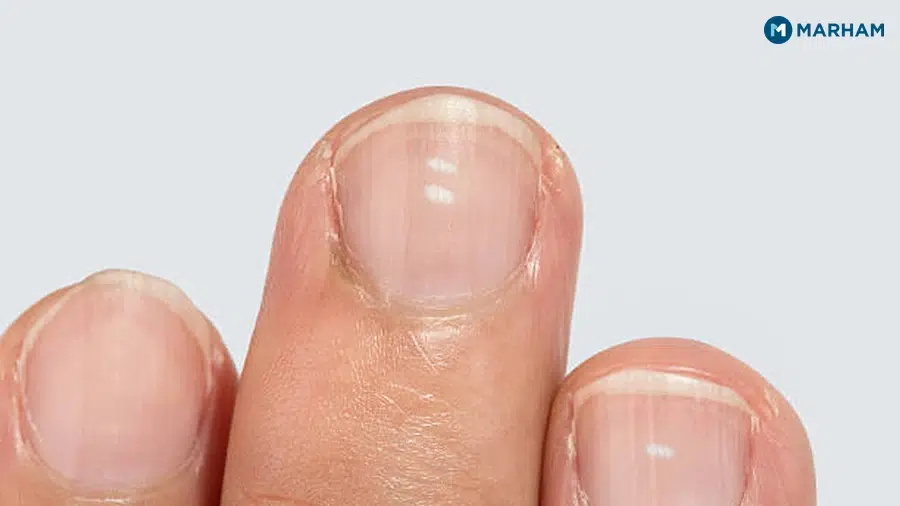
If you suspect a fungal infection, a dermatologist can confirm it with a simple nail scraping test. Do not self-treat with antifungal creams without a diagnosis, as the wrong treatment will not work.
5. Skin Conditions: Psoriasis and Eczema
Psoriasis, an autoimmune skin condition, can affect the nails and cause white spots, pitting, or separation of the nail from the nail bed. Eczema can also cause nail changes. These conditions usually come with other visible skin symptoms, so nail changes alone are rarely the first sign.
6. Systemic Conditions (Rare)
In rare cases, white spots or white bands across multiple nails can be associated with underlying systemic conditions. These include liver disease (cirrhosis), kidney disease, anaemia, and thyroid disorders. This type of leukonychia typically affects several nails at once and looks different from the small, isolated dots caused by trauma.
According to the Cleveland Clinic (2025), white spots are only a rare symptom of systemic diseases such as liver cirrhosis, heart failure, and diabetes. If you have white discolouration covering half or more of multiple nails, that warrants a medical evaluation rather than a wait-and-see approach.
7. Mehndi and Chemical Exposure
This is a Pakistan-specific cause that global articles rarely mention. Frequent application of chemical-based mehndi (henna) products, particularly those containing para-phenylenediamine (PPD), can cause allergic reactions that affect the skin around the nail and occasionally the nail itself. If white spots or nail changes appear after mehndi application, an allergy to PPD may be worth investigating.
The Press Test: True vs Apparent Leukonychia
This is a simple at-home check that most Pakistani readers will not have heard of, but it is genuinely useful.

Press gently on the white area of your nail. If the white colour stays the same under pressure, you likely have true leukonychia, meaning the change is inside the nail plate itself. This is almost always caused by trauma and will grow out harmlessly.
If the white area fades or disappears when you press on it, you may have apparent leukonychia, where the nail bed underneath is affected rather than the nail plate. This type is more likely to be associated with an underlying condition and is worth showing to a doctor.
Types of Leukonychia at a Glance
| Type | Appearance | Common Cause | Grows Out? |
|---|---|---|---|
| Punctate leukonychia | Small white dots | Nail trauma | Yes |
| Striate leukonychia | Horizontal white lines | Repeated trauma or illness | Yes (if trauma) |
| Total leukonychia | Entire nail white | Hereditary or systemic | Depends on cause |
| Apparent leukonychia | White fades on pressure | Liver, kidney, or heart disease | No |
| Pseudoleukonychia | White on nail surface | Fungal infection or polish | Treated, not grown out |
How to Prevent White Spots on Nails
Most white spots from trauma and nail care habits can be reduced with a few practical changes.
- Give nails a polish break. After every 2 to 3 weeks of nail polish use, leave nails bare for at least a week. This is especially important after gel or acrylic applications.
- Be gentle with cuticles. Avoid pushing or cutting cuticles aggressively. In Pakistani parlance, the “manicure wali” at your local salon may be too rough. Ask for a gentle approach.
- Wear gloves for cleaning. Dishwashing liquid and floor cleaners sold in Pakistani markets (like Vim or Surf Excel liquid) are harsh on nails. Rubber gloves protect both the nail plate and the skin around it.
- Trim nails regularly. Keeping nails short reduces the chance of accidental knocks and catches.
- Eat a varied diet. Include zinc-rich foods such as meat, eggs, lentils (masoor daal), and pumpkin seeds (kaddu ke beej) in your weekly meals. This supports overall nail health even if deficiency is not the direct cause of your spots.
- Choose nail polish remover carefully. Acetone-free removers are gentler on the nail plate. These are available at most cosmetic shops in Karachi and Lahore for around Rs 150 to Rs 300.
- Avoid biting or picking nails. This is the single most common cause of white spots in children and teenagers in Pakistan.
When to See a Dermatologist
Most white spots on nails do not need a doctor visit. They will grow out on their own over 4 to 8 weeks as the nail grows. However, you should consult a specialist if:
- White spots appear on multiple nails at the same time without any obvious injury
- The spots are spreading, thickening, or accompanied by nail crumbling
- You have other symptoms such as fatigue, hair loss, or skin changes
- The white area does not grow out after 2 to 3 months
- You press on the spot and the white colour disappears (apparent leukonychia)
A dermatologist in Pakistan can examine the nail, perform a scraping test if a fungal infection is suspected, and check for any underlying conditions. For nail changes that appear alongside skin symptoms, a dermatologist is the right first step. If nutritional deficiency is suspected, a nutritionist in Pakistan can assess your diet and recommend appropriate changes.
Similarly, if you notice other unexplained changes on your skin or mouth alongside nail changes, it may be worth reading about white tongue causes in Pakistan, as some systemic conditions can affect multiple areas at once.
Key Takeaways
- White spots on nails, called leukonychia, are most commonly caused by minor trauma to the nail matrix, not calcium deficiency.
- The calcium and zinc deficiency explanation is a widespread myth in Pakistani households; isolated white spots on otherwise healthy nails rarely indicate a nutritional problem.
- Frequent nail polish use, gel manicures, and aggressive cuticle care are common causes for Pakistani women, especially around festive seasons.
- Fungal nail infection (onychomycosis) causes white patches that look powdery or chalky and do not grow out without treatment.
- The press test is a simple way to distinguish harmless true leukonychia (stays white under pressure) from apparent leukonychia (fades under pressure), which may need medical evaluation.
- White spots on multiple nails simultaneously, or spots that do not grow out after 2 to 3 months, warrant a visit to a dermatologist.
Consult a Dermatologist on Marham
If your white spots are spreading, affecting multiple nails, or simply not going away after a couple of months, it is worth getting a professional opinion rather than guessing at the cause. Marham connects you with PMC-verified dermatologists in Pakistan across 155 cities, with online consultations available from Rs 500. You do not need to travel to a major city to get a qualified answer.
A short online consultation typically takes 15 to 20 minutes. The dermatologist can review your nail photos, ask about your nail care habits and diet, and advise whether you need a lab test or antifungal treatment, or simply reassure you that the spots will grow out on their own.
Frequently Asked Questions
Are white spots on nails a sign of calcium deficiency?
In most cases, no. The calcium deficiency explanation is a common myth. According to the Cleveland Clinic (2025), the most likely cause of white spots is minor nail trauma, not a mineral shortage. Nutritional deficiency is a less common cause and is usually accompanied by other symptoms.
Do white spots on nails go away on their own?
Yes, in most cases. White spots caused by trauma grow out with the nail over 4 to 8 weeks. You cannot speed up the process, but they will disappear as the nail grows. Spots caused by fungal infection or an underlying condition need treatment to resolve.
Can nail polish cause white spots on nails?
Yes. Leaving nail polish on for several weeks without a break can cause keratin granulations, which are white, chalky patches on the nail surface. Gel manicures and acrylic nails can also cause white spots through chemical exposure and filing trauma.
Do white spots on nails mean a zinc deficiency?
Not usually. While severe zinc deficiency can affect nail structure, isolated white spots on one or two nails are rarely caused by low zinc. If you also have slow wound healing, frequent infections, or hair thinning, it is worth having your zinc levels checked by a doctor.
When should I see a doctor about white spots on my nails?
See a doctor if white spots appear on multiple nails at once, if they are spreading or accompanied by nail thickening, if they do not grow out after 2 to 3 months, or if the white area fades when you press on it. A dermatologist can rule out fungal infection or an underlying systemic condition.
Can mehndi cause white spots on nails?
Chemical-based mehndi products containing PPD (para-phenylenediamine) can cause allergic reactions that affect the skin and nails. If white spots or nail changes appear consistently after mehndi application, an allergy test with a dermatologist is advisable.
Are white spots on nails in children serious?
Rarely. White spots in children are almost always caused by nail biting or minor knocks during play. They are harmless and grow out on their own. If spots appear on multiple nails or the child has other symptoms, a paediatrician or dermatologist can assess further.
White Spots on Nails in Urdu
ناخنوں پر سفید داغ، جنہیں طبی زبان میں لیوکونیکیا کہا جاتا ہے، عام طور پر بے ضرر ہوتے ہیں اور زیادہ تر ناخن کو لگنے والی معمولی چوٹ کی وجہ سے ظاہر ہوتے ہیں۔ پاکستان میں یہ عام خیال ہے کہ یہ داغ کیلشیم یا زنک کی کمی کی علامت ہیں، لیکن ماہرین کے مطابق یہ بات زیادہ تر درست نہیں۔ اگر یہ داغ صرف ایک یا دو ناخنوں پر ہوں تو گھبرانے کی ضرورت نہیں، یہ چند ہفتوں میں خود بخود ختم ہو جاتے ہیں۔ تاہم اگر ایک ساتھ کئی ناخنوں پر داغ آ جائیں، ناخن موٹے یا بھربھرے ہو جائیں، یا داغ دو سے تین ماہ میں ختم نہ ہوں، تو کسی ماہر امراض جلد سے مشورہ کرنا ضروری ہے۔
Conclusion
White spots on nails are almost always harmless, and the calcium deficiency explanation that circulates in Pakistani households is rarely the real answer. Nail trauma from everyday activities, frequent nail polish use, and aggressive manicure habits account for the vast majority of cases. The spots grow out on their own as the nail does. Knowing the press test, recognising when spots look fungal rather than traumatic, and understanding which patterns genuinely warrant a doctor visit will save you both worry and unnecessary supplements.
How Long Do White Spots on Nails Take to Grow Out?
White spots caused by nail trauma grow out as the nail grows, which takes roughly 4 to 8 weeks for fingernails and up to 6 months for toenails. You cannot speed up the process, but the spot will move toward the tip of the nail and eventually be clipped away.
The timeline depends on which nail is affected and how far from the base the spot appeared. A spot near the cuticle will take longer to reach the tip than one already halfway up the nail.
- Fingernails grow approximately 3 mm per month on average.
- Toenails grow more slowly, around 1.5 mm per month.
- If a spot has not moved or grown out after 3 months, it is worth showing to a dermatologist, as it may not be trauma-related.
There is no cream, supplement, or home remedy that removes a true leukonychia spot faster. The only reliable fix is time and nail growth.
White Spots on Nails in Children: What Parents Should Know
White spots on a child’s nails are almost always caused by nail biting, finger sucking, or minor knocks during play. They are harmless and grow out without any treatment.
In Pakistan, nail biting is particularly common among school-age children, especially during exam season. If your child has one or two white dots on their nails and no other symptoms, there is no cause for concern.
- Nail biting is the single most common cause in children under 12.
- Sports and play injuries, such as catching a finger in a cricket ball or a door, are the next most frequent cause.
- Multiple nails affected at once without any obvious injury is the only pattern that warrants a doctor visit.
- White spots accompanied by nail thickening, crumbling, or skin rashes should be assessed by a dermatologist or paediatrician.
Do not give children zinc or calcium supplements based on white spots alone. A nutritional deficiency in an otherwise healthy, growing child eating a varied Pakistani diet is unlikely to present as isolated nail spots without other symptoms such as poor growth, frequent illness, or fatigue.
Can Thyroid or Kidney Disease Cause White Nails?
Yes, but this is uncommon and the nail changes look different from the small white dots caused by everyday trauma. When thyroid disorders or kidney disease affect the nails, the discolouration tends to cover a larger portion of the nail and often affects several nails at the same time.
Two specific patterns are associated with systemic illness:
- Terry’s nails: Most of the nail appears white with only a narrow pink band near the tip. Associated with liver cirrhosis, heart failure, and kidney disease.
- Muehrcke’s lines: Paired white horizontal bands that do not move as the nail grows. Linked to low albumin levels, which can occur in kidney or liver disease.
These patterns are distinct from the isolated white dots most people notice after bumping a nail. If you have a known thyroid condition or kidney disease and notice new nail changes, mention them to your specialist at your next visit. If you have no known systemic illness, isolated white spots on one or two nails are not a reason to investigate thyroid or kidney function.
Treating White Spots on Nails: What Actually Works
Treatment depends entirely on the cause. Most white spots need no treatment at all and will grow out on their own.
- Trauma-related spots: No treatment needed. Wait for the nail to grow out. Avoid further trauma to the same nail.
- Keratin granulations from nail polish: Stop using nail polish for 2 to 4 weeks. Apply a nail-strengthening base coat when you resume. The chalky surface usually improves within a few weeks.
- Fungal nail infection (onychomycosis): Requires antifungal treatment prescribed by a dermatologist. Topical antifungal lacquers work for mild surface infections. Oral antifungals (such as terbinafine) are needed for deeper or more extensive infections. Do not self-treat without a confirmed diagnosis, as antifungal medications have side effects and the wrong product will not work.
- Psoriasis or eczema affecting the nails: Managed as part of the broader skin condition under a dermatologist’s care.
- Systemic causes: Treating the underlying condition (thyroid disorder, kidney disease, anaemia) is the only way to resolve the nail changes.
Over-the-counter nail hardeners and biotin supplements are widely sold in Pakistani pharmacies and marketed for nail health. There is limited evidence that biotin improves nail strength in people without a deficiency. They will not remove existing white spots.
Online dermatologist consultation from Rs 500
Get a professional opinion on your nail symptoms from the comfort of home. Marham has 16,000+ PMC-verified doctors, including skin specialists available for same-day online consultations. Pay online for an in-clinic visit and save a flat 10%.
Frequently Asked Questions
Are white spots on nails a sign of calcium deficiency?
No, in most cases white spots on nails are not a sign of calcium deficiency. The most likely cause is minor trauma to the nail matrix, such as a knock or bump that happened weeks before the spot appeared. According to the Cleveland Clinic, healthcare providers are not certain that mineral deficiencies directly cause white spots, and isolated spots on otherwise healthy nails rarely indicate a nutritional problem.
Do white spots on nails go away on their own?
Yes. White spots caused by trauma grow out with the nail over roughly 4 to 8 weeks for fingernails and up to 6 months for toenails. You cannot speed up the process. Spots caused by a fungal infection or an underlying systemic condition will not grow out on their own and need treatment to resolve.
Can nail polish cause white spots on nails?
Yes. Leaving nail polish on for several weeks without a break can cause keratin granulations, which are white, chalky patches on the nail surface where the top layers have dried out. Gel manicures and acrylic nails can also cause white spots through chemical exposure and filing trauma. Taking a polish-free break of at least one week every 2 to 3 weeks helps prevent this.
How do I know if my white spots are fungal or from trauma?
Fungal white patches (pseudoleukonychia) tend to look powdery or chalky on the nail surface, may spread across a larger area, and are sometimes accompanied by nail thickening or crumbling. Trauma-related spots are usually small, isolated dots that move toward the nail tip over weeks. A dermatologist can confirm a fungal infection with a simple nail scraping test if you are unsure.
When should I see a doctor about white spots on my nails?
See a dermatologist if white spots appear on multiple nails at the same time without any obvious injury, if they are spreading or accompanied by nail thickening or crumbling, if they do not grow out after 2 to 3 months, or if the white area fades when you press on it. That last sign, called apparent leukonychia, can be associated with liver, kidney, or heart conditions and warrants a medical evaluation.
Can mehndi cause white spots on nails?
Chemical-based mehndi products containing PPD (para-phenylenediamine) can trigger allergic reactions that affect the skin around the nail and occasionally the nail itself. If white spots or nail changes appear consistently after mehndi application, an allergy assessment with a dermatologist is advisable. This is a Pakistan-specific cause that most global articles do not mention.
Are white spots on nails in children serious?
Rarely. White spots in children are almost always caused by nail biting or minor knocks during play, and they grow out harmlessly on their own. Do not give children calcium or zinc supplements based on white spots alone. If spots appear on multiple nails simultaneously, or the child has other symptoms such as fatigue, poor growth, or skin rashes, a paediatrician or dermatologist can assess further.
Medically reviewed by Marham Medical Team. Updated July 2026.
