


You’ve been cutting back on roti, skipping chai biscuits, and walking every evening. The scale hasn’t moved in three weeks. Sound familiar? This is one of the most common frustrations Pakistani adults bring to nutritionists, and the answer is rarely as simple as “eat less, move more.”
According to the Pakistan National Health Survey, over 40% of Pakistani adults are overweight or obese, with urban women aged 25 to 45 seeing the sharpest rise. Yet many of these same people are actively trying to lose weight and getting nowhere. The reasons are almost always specific and fixable — once you know what to look for.
Below are eight evidence-backed reasons your weight isn’t shifting, along with honest, Pakistan-grounded advice for each one.
وزن کم کیوں نہیں ہو رہا؟
وزن کم نہ ہونے کی سب سے عام وجوہات میں چھپی ہوئی کیلوریز، ہارمون کا عدم توازن، نیند کی کمی، اور دائمی تناؤ شامل ہیں۔ پاکستانی غذا میں گھی، میٹھی چائے، اور رات کا دیر سے کھانا وزن کم کرنے کی کوشش کو خاموشی سے سبوتاژ کر سکتا ہے۔ تھائرائیڈ کی خرابی اور پی سی او ایس جیسے طبی مسائل بھی وزن کو روک سکتے ہیں، اس لیے اگر کوشش کے باوجود نتیجہ نہ آئے تو ڈاکٹر سے رجوع کرنا ضروری ہے۔
Why You’re Not Losing Weight: 8 Honest Reasons
Most people plateau for one of a handful of reasons. None of them mean you’re failing. They mean your approach needs a specific adjustment.
1. You’re Eating More Calories Than You Think
This is the most common culprit, and it’s almost always invisible. A cup of doodh pati chai with two teaspoons of sugar is roughly 80 to 100 calories. Three cups a day adds up to 300 calories before a single meal. Cooking oil poured by hand rather than measured, a handful of biscuits at a colleague’s desk, a small bowl of kheer after dinner — these additions are real calories that most people don’t count.
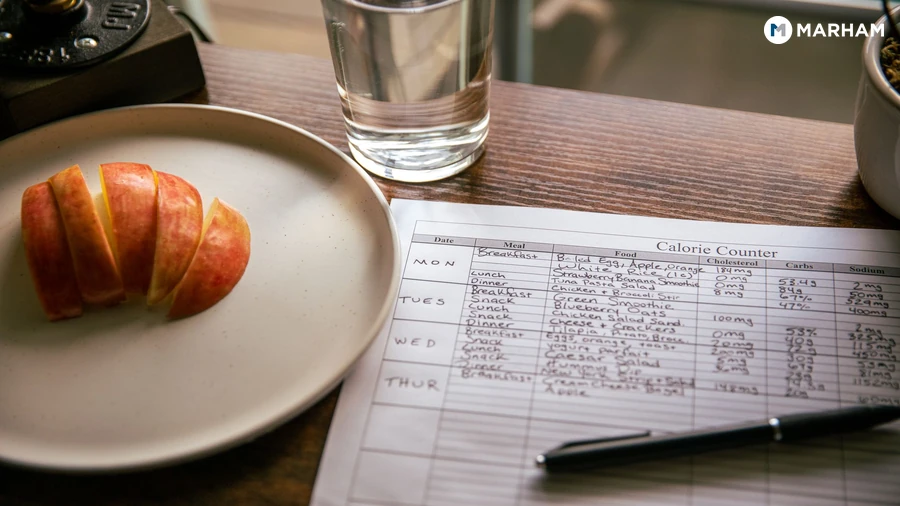
A scoping review published in the journal Nutrients (2024) identified hidden caloric intake as the single most common reason people don’t lose weight despite believing they’re in a deficit. The fix is not obsessive tracking, but a few days of honest food logging to spot the patterns. Check your healthy weight range with our BMI guide
2. Your Metabolism Has Adapted
When you eat less, your body adapts. It burns fewer calories to keep you alive, a well-documented process called metabolic adaptation. This is why the first two weeks of a diet often produce fast results, and then progress stalls even when nothing changes.
The practical fix is to vary your calorie intake slightly week to week rather than staying at the same level every day, and to include resistance exercise (bodyweight squats, push-ups at home, or a local gym) to preserve muscle mass. Muscle tissue burns more calories at rest than fat tissue, so keeping it matters.
3. Sugary Drinks Are Silently Adding Up
This is the Pakistani-specific blind spot that most generic weight loss advice misses entirely. A 250ml can of Pakola or a glass of Rooh Afza mixed with full-fat milk contains 120 to 180 calories. A medium-sized sugarcane juice from a roadside vendor in Lahore or Karachi can carry 250 calories or more. The brain doesn’t register liquid calories the same way it registers solid food, so you don’t eat less to compensate.
Swapping one sugary drink per day for plain water or unsweetened green tea can create a 150 to 200 calorie daily deficit without changing a single meal.
4. Poor Sleep Is Disrupting Your Hunger Hormones
Sleep deprivation raises ghrelin (the hormone that signals hunger) and lowers leptin (the hormone that signals fullness). The result is that a tired person genuinely feels hungrier than a rested person eating the same diet — it’s not a lack of willpower, it’s biology.
Research consistently links fewer than six hours of sleep with higher body weight and greater difficulty losing fat. In Pakistan, late-night routines, especially during summer when the heat makes early sleep difficult in cities like Multan and Karachi, mean many adults are chronically under-slept. Aiming for seven to eight hours is not optional when weight loss is the goal.
5. Chronic Stress Is Keeping Cortisol Elevated
Stress triggers the release of cortisol, a hormone that shifts the body toward fat storage, particularly around the abdomen. Chronic stress also intensifies cravings for calorie-dense foods and drives emotional eating. You eat because you’re stressed, not because you’re hungry.
Pakistani adults managing financial pressure, long commutes, or family responsibilities often carry a chronic stress load that works directly against weight loss. Stress reduction doesn’t have to mean yoga retreats. A 20-minute walk after Maghrib, limiting news before bed, or even a short breathing exercise can reduce cortisol levels measurably over time.
6. A Medical Condition May Be Blocking Progress
Some people genuinely cannot lose weight through diet and exercise alone because an underlying condition is interfering with their metabolism. The most common ones in Pakistan:
- Hypothyroidism: An underactive thyroid slows metabolism significantly. It’s more common in Pakistani women than many realise, and many cases go undiagnosed for years.
- PCOS (Polycystic Ovary Syndrome): Affects roughly 1 in 5 women of reproductive age in South Asia, per research published in the Journal of the Pakistan Medical Association. Insulin resistance associated with PCOS makes fat loss much harder.
- Insulin resistance: Even without a diabetes diagnosis, insulin resistance causes the body to store more fat and access stored fat less readily. It can be identified through a fasting insulin test.
If you’ve been consistent for more than 8 to 10 weeks with no meaningful change, a blood panel including thyroid function (TSH, T3, T4) and fasting insulin is worth requesting from your doctor. Consulting an endocrinologist in Pakistan is the right step when a hormonal cause is suspected.
7. Your Exercise Routine Has Stopped Challenging You
The body adapts to repeated exercise just as it adapts to repeated calorie levels. If you’ve been doing the same 30-minute walk at the same pace for three months, your body now burns fewer calories doing it than it did at the start. This is not a reason to exercise more — it’s a reason to exercise differently.
Adding two days of resistance training per week (even bodyweight exercises at home), increasing walking pace, or trying a new activity breaks the adaptation. Current WHO physical activity guidelines recommend at least 150 minutes of moderate-intensity aerobic activity per week, combined with muscle-strengthening activity on two or more days. WHO physical activity guidelines
8. You’re Measuring Progress Only by the Scale
The scale measures total body weight: fat, muscle, water, food in your digestive system, and more. Strength training can cause you to lose fat and gain muscle simultaneously, leaving the number unchanged even as your body composition improves noticeably. Water retention before a menstrual cycle, a salty meal the night before, or mild dehydration can all shift the number by 1 to 2 kg in either direction.
A better approach is to track waist circumference monthly (for Pakistani adults, a waist above 90cm for men and 80cm for women carries higher metabolic risk, per WHO South-East Asia guidelines), how clothes fit, and energy levels. The scale is one data point, not the whole picture.
How to Break Through a Weight Loss Plateau: 6 Steps
- Log food honestly for 3 days. Include cooking oil, chai sugar, and snacks. Most people find 300 to 500 hidden calories they weren’t counting.
- Swap one sugary drink daily. Replace a can of cola or a glass of Rooh Afza with plain water or unsweetened zeera water. Do this for two weeks before changing anything else.
- Add a protein source to each meal. Eggs, daal, plain yogurt, or a small portion of chicken. Protein increases satiety and slightly raises the metabolic rate. Aim for a palm-sized portion at each meal.
- Prioritise sleep. Set a consistent sleep time, even on weekends. In summer, use a fan or cooler to make the room comfortable enough to sleep by 11pm.
- Change one aspect of your exercise. Increase walking pace, add a hill, or do 15 minutes of bodyweight squats and lunges at home three times a week.
- Get a basic blood panel. If nothing else is working after 8 to 10 weeks of honest effort, check TSH, fasting blood sugar, and fasting insulin. These three tests together cost roughly Rs. 2,000 to 3,500 at most diagnostic labs in Lahore and Karachi.
Calorie Comparison: Common Pakistani Foods
| Food Item | Approximate Calories | Common Mistake |
|---|---|---|
| 1 paratha (with ghee) | 300 to 350 kcal | Eating 2 at breakfast |
| 1 cup doodh pati chai (sweetened) | 80 to 100 kcal | 3 to 4 cups per day |
| 1 glass Rooh Afza (full-fat milk) | 180 to 200 kcal | Counted as “just a drink” |
| 1 serving biryani (restaurant) | 500 to 700 kcal | Portion size underestimated |
| 1 roti (plain, medium) | 120 to 140 kcal | Often eaten 3 to 4 per meal |
| 1 tbsp cooking oil | 120 kcal | Added freely during cooking |
When Should You See a Specialist?
Most weight loss stalls are lifestyle-related and respond to the adjustments above. But some situations genuinely need professional input. See a doctor if you’ve been consistent for more than 10 weeks with no change, if you’re gaining weight despite eating very little, if you feel persistently cold, fatigued, or notice hair loss (possible thyroid signs), or if you have irregular periods alongside difficulty losing weight (possible PCOS).
A nutritionist in Pakistan can review your actual diet and identify gaps that self-help guides can’t catch. They can also work around Pakistani food preferences rather than prescribing a generic meal plan that doesn’t fit a desi kitchen.
For women specifically, if PCOS or thyroid issues are suspected, a referral to a gynaecologist or endocrinologist is appropriate before making further dietary changes. You can read more about unexplained weight changes in our guide on sudden weight loss without trying.
Get Expert Help from Marham
Figuring out why weight loss has stalled is frustrating when you’re trying on your own. The reasons are often specific to your individual hormones, habits, and medical history — things that a generic online plan can’t assess. Many Pakistani patients spend months adjusting their diet by guesswork when a single consultation could identify the actual problem in 20 minutes.
Marham connects you with verified nutritionists in Pakistan who understand desi diets, Pakistani meal timings, and the practical realities of eating well in Lahore, Karachi, or Islamabad. An online consultation typically takes 15 to 20 minutes and can give you a specific, personalised plan rather than a list of generic tips.
Frequently Asked Questions
Why am I not losing weight despite eating less?
Eating less doesn’t always mean eating at a calorie deficit. Hidden calories in cooking oil, sweetened chai, and drinks like Rooh Afza add up quickly without feeling like a “meal.” Logging food honestly for a few days usually reveals where the extra calories are coming from.
Can stress really stop weight loss?
Yes. Chronic stress raises cortisol, a hormone that promotes fat storage and increases appetite for high-calorie foods. Managing stress through regular walks, better sleep, or structured relaxation can support weight loss even without changing your diet significantly.
Could hypothyroidism be why I’m not losing weight?
Possibly. An underactive thyroid slows your metabolic rate, making fat loss much harder even with a good diet and regular exercise. A simple TSH blood test can rule this out. If you suspect thyroid issues, ask your doctor for a full thyroid panel.
Why does the scale not move even when I’m dieting?
The scale reflects total body weight, not just fat. Water retention, muscle gain from exercise, and normal daily fluctuations can keep the number stable even when fat is being lost. Track waist circumference and how clothes fit alongside the scale for a more accurate picture.
How long does it take to see real weight loss results?
Most people notice energy and digestion improvements within one to two weeks. Visible fat loss typically becomes apparent after three to four weeks of consistent effort. Meaningful body composition changes generally take two to three months.
Is PCOS making it harder for me to lose weight?
PCOS is associated with insulin resistance, which makes fat storage easier and fat loss harder. Women with PCOS often need a slightly different approach — lower refined carbohydrates, regular resistance exercise, and sometimes medical management. A gynaecologist or endocrinologist can advise on this.
Can I lose weight without going to the gym?
Yes. Brisk walking for 30 to 45 minutes daily, bodyweight exercises at home, and reducing sedentary time are all effective. The most important factor is creating a consistent calorie deficit through diet, with movement supporting it.
Conclusion
Not losing weight despite real effort is a signal, not a failure. The body is responding to something specific — hidden calories, hormonal interference, poor sleep, or metabolic adaptation — and each of those has a practical fix. For Pakistani readers, the most overlooked culprits are sugary drinks, late-night eating habits, and undiagnosed thyroid or hormonal conditions. Address the most likely cause for your situation first, give it six to eight weeks of genuine consistency, and seek professional input if nothing shifts.
