
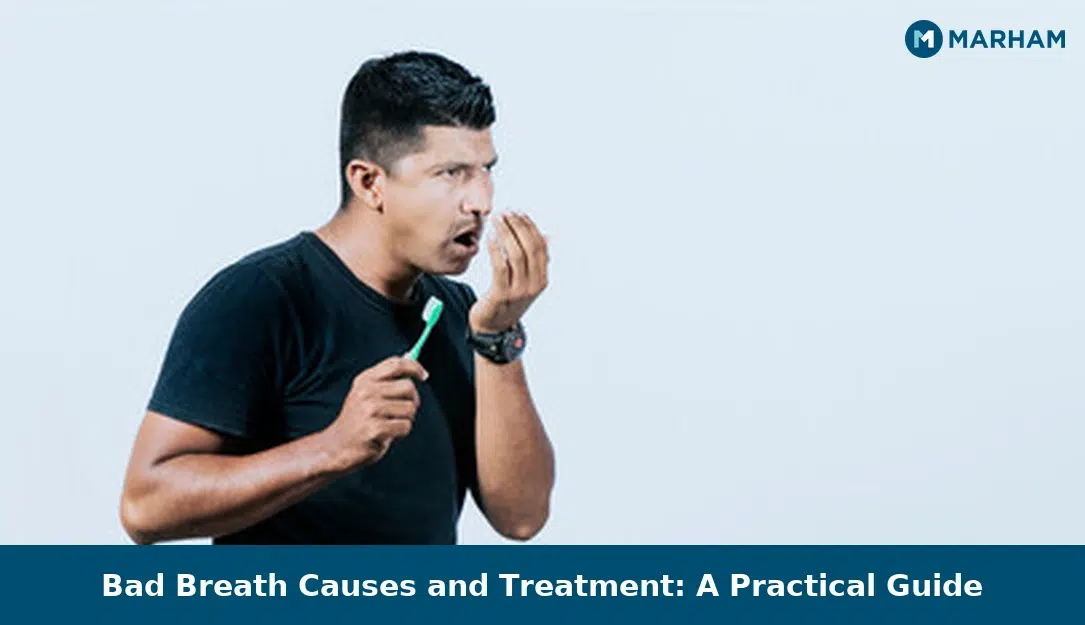
Bad breath is something most people in Pakistan have dealt with at some point, whether after a heavy biryani dinner, a long day of Roza, or simply waking up in the morning. It’s uncomfortable, and it can quietly affect how confident you feel around others.
The medical term for persistent bad breath is halitosis. According to a review published in the Journal of Natural Science, Biology and Medicine, roughly 1 in 4 people worldwide experience bad breath regularly, and oral hygiene is the primary driver in the vast majority of cases. In Pakistan, where chai, paan, and heavily spiced food are daily staples, the triggers can be even more varied.
Understanding what’s actually causing the problem is the first step toward fixing it. This guide covers the real causes, practical remedies that work in a Pakistani context, and the signs that tell you it’s time to see a doctor.
منہ کی بدبو: اہم باتیں
منہ کی بدبو (halitosis) اکثر منہ کی صفائی میں کمی، بیکٹیریا کی افزائش، یا پیٹ کی تکالیف کی وجہ سے ہوتی ہے۔ پاکستان میں مسالہ دار کھانے، چائے، پان اور روزے کے دوران کم پانی پینا اس مسئلے کو بڑھا سکتا ہے۔ زبان کی صفائی، دن میں دو بار برش، اور کافی مقدار میں پانی پینا عام طور پر بدبو کو کنٹرول کرنے میں مدد دیتا ہے۔ اگر بدبو مسلسل رہے تو کسی ماہر ڈاکٹر سے مشورہ ضروری ہے۔
Common Causes of Bad Breath
Bad breath most often starts in the mouth itself. Bacteria that live on the tongue, between teeth, and along the gumline break down food particles and release sulfur compounds. Those sulfur gases are what produce the unpleasant smell.

The most frequent causes include:
- Poor oral hygiene: Not brushing or cleaning the tongue allows bacteria to multiply unchecked.
- Dry mouth (xerostomia): Saliva naturally washes away bacteria and food debris. When saliva production drops, bacteria thrive. This is why breath often smells worse in the morning and during fasting.
- Foods: Garlic, onions, and heavily spiced dishes are major contributors. The odor-causing compounds from these foods enter the bloodstream and are exhaled through the lungs, so brushing alone doesn’t fully remove them.
- Gum disease (periodontitis): Infected gum tissue harbors bacteria that produce a distinctly foul odor. This is a common and underdiagnosed cause in Pakistan.
- Tonsil stones: Small calcified deposits that form in the crevices of the tonsils can harbor odor-causing bacteria.
- Smoking and tobacco: Tobacco dries out the mouth and leaves its own residue. Paan with tobacco, widely used across Pakistan, compounds both effects.
- Underlying medical conditions: Acid reflux (GERD), sinus infections, uncontrolled diabetes, and kidney or liver disease can all produce characteristic breath odors. A fruity smell may point toward poorly controlled blood sugar; a fishy smell can sometimes indicate kidney problems.
Bad Breath During Ramadan: Why It Gets Worse
During Roza, reduced saliva flow is the main reason breath becomes stronger. When you’re not eating or drinking from Sehri to Iftar, your mouth produces less saliva, and bacteria multiply more freely on the tongue and between the teeth. The body may also enter a mild state of ketosis during prolonged fasting, which produces its own distinct breath odor.
This is entirely normal and not a sign of poor hygiene. A few targeted habits can manage it:
- Brush thoroughly after both Sehri and Iftar, including the tongue.
- Use miswak (the traditional stick from the Salvadora persica tree) during the day. Research published in the Journal of Periodontology confirms miswak has genuine antibacterial properties, making it a practical and Sunnah-aligned tool for oral hygiene during fasting hours.
- Rinse with plain water or a salt-water gargle between prayers to reduce bacterial load.
- At Iftar, start with water and avoid rushing into heavily spiced or oily food, which can worsen both digestion and breath.
How to Get Rid of Bad Breath: Step-by-Step
Most cases of bad breath respond well to consistent oral hygiene. Here’s a practical routine:

- Brush twice a day, including the tongue. Most odor-causing bacteria live on the tongue’s surface, not just the teeth. Use a tongue scraper or the back of your toothbrush every morning. Colgate and Sensodyne are both widely available at pharmacies across Lahore, Karachi, and Islamabad for Rs. 150 to Rs. 350.
- Floss once daily. Food trapped between teeth is a major odor source. Floss reaches where a brush can’t.
- Drink enough water throughout the day. Aim for 8 to 10 glasses. In Pakistan’s summer heat, especially in Karachi and Multan where temperatures cross 40°C, dehydration-driven dry mouth is a real and overlooked trigger.
- Chew fresh parsley or mint leaves after meals. Both are natural breath fresheners available at any sabzi mandi for a few rupees. The chlorophyll in parsley temporarily neutralizes sulfur compounds.
- Rinse with an alcohol-free mouthwash. Alcohol-based rinses can actually dry the mouth and worsen the problem over time. Choose an alcohol-free formula and use it after brushing, not as a substitute for it.
- Cut back on chai and coffee between meals. Both are acidic and reduce saliva flow. If you’re having multiple cups of chai daily, as many Pakistanis do, try spacing them out and drinking water alongside.
- Avoid paan with tobacco. Beyond breath, tobacco-containing paan is strongly associated with oral cancer. If stopping is difficult, speak to a doctor about support options.
Foods That Cause Bad Breath (and What to Eat Instead)
Some foods are particularly problematic in the Pakistani diet context:
| Food / Habit | Why It Causes Bad Breath | Better Alternative |
|---|---|---|
| Garlic-heavy curries | Allicin compounds enter bloodstream and are exhaled | Reduce garlic; add fresh coriander as garnish |
| Paan with tobacco | Dries mouth; leaves bacterial residue | Plain saunf (fennel seeds) after meals |
| Multiple cups of chai | Acidic; reduces saliva | Water or green tea between meals |
| Biryani with onions | Onion compounds linger for hours | Rinse mouth and chew mint after eating |
| Sugary mithai | Feeds bacteria in the mouth | Fresh fruit or plain dahi as dessert |
On the other side, plain dahi (yogurt) contains probiotics that may help reduce odor-causing bacteria in the gut and mouth. Saunf (fennel seeds), a traditional after-dinner digestive in Pakistani homes, genuinely freshens breath and stimulates saliva production.
When Bad Breath Signals Something More Serious
Bad breath that doesn’t improve with good oral hygiene deserves professional attention. Persistent halitosis can be an early sign of gum disease, a sinus infection, acid reflux, or a systemic condition like uncontrolled diabetes.
See a doctor if:

- The smell persists despite brushing, flossing, and tongue cleaning for more than two weeks.
- You notice bleeding gums, loose teeth, or pain while chewing.
- The breath has a distinctly fruity, fishy, or fecal odor (these can point to metabolic or digestive causes).
- You have accompanying symptoms like heartburn, nasal congestion, or a persistent sore throat.
A gastroenterologist in Pakistan can help if reflux or a stomach condition is suspected. For gum disease or tooth decay, a dental checkup is the right first step.
Get Expert Advice from Marham
Finding the right specialist in Pakistan can feel difficult, especially outside major cities where waiting times are long and appointments are hard to get. If your bad breath has persisted for weeks despite consistent oral hygiene, or if you suspect an underlying condition like GERD or gum disease, speaking to a verified doctor online can help you get to the root cause faster.
Marham connects you with experienced nutritionists in Pakistan and other specialists who consult online from anywhere in the country. A short online consultation typically takes 15 to 20 minutes and can clarify whether your symptoms need targeted treatment or a simple change in routine.
Frequently Asked Questions
What causes bad breath even after brushing?
Bad breath after brushing usually means the tongue or gums are the source, not just the teeth. Bacteria on the tongue’s surface are the most common culprit. Add tongue scraping to your routine and check for signs of gum disease.
Can bad breath come from the stomach?
Yes, conditions like acid reflux (GERD) and H. pylori infection can produce bad breath that originates in the digestive tract. If oral hygiene doesn’t resolve the problem, a digestive cause is worth investigating with a doctor.
Is bad breath a sign of something serious?
Occasional bad breath is rarely serious. Persistent bad breath that doesn’t respond to oral hygiene can indicate gum disease, sinus infection, acid reflux, or in rarer cases a metabolic condition like kidney or liver disease.
How do you get rid of bad breath fast?
Rinse with water, chew fresh mint or parsley, and use an alcohol-free mouthwash. These steps reduce odor quickly. For lasting results, consistent brushing, tongue cleaning, and flossing are needed daily.
Does bad breath go away on its own?
Temporary bad breath from food or morning dryness resolves on its own. Chronic halitosis does not go away without addressing the underlying cause, whether that’s oral hygiene, gum disease, or a medical condition.
When should I see a doctor for bad breath?
See a doctor if bad breath persists for more than two weeks despite good oral hygiene, or if it’s accompanied by bleeding gums, heartburn, nasal symptoms, or a distinctly unusual odor. A general physician or specialist can help identify the cause.
Is bad breath during Ramadan normal?
Yes, it’s very common. Reduced saliva flow during fasting hours allows bacteria to multiply. Brushing after Sehri and Iftar, using miswak during the day, and rinsing with water can keep it manageable.
Conclusion
Bad breath causes and treatment are more straightforward than most people expect. The majority of cases come down to oral hygiene, dry mouth, or diet, all of which are manageable with consistent daily habits. For Pakistani readers, paying attention to tongue cleaning, staying hydrated in the heat, and being mindful of garlic-heavy and tobacco-containing foods makes a real difference. When good habits don’t resolve the problem within a couple of weeks, that’s the signal to get a professional opinion rather than waiting it out.