

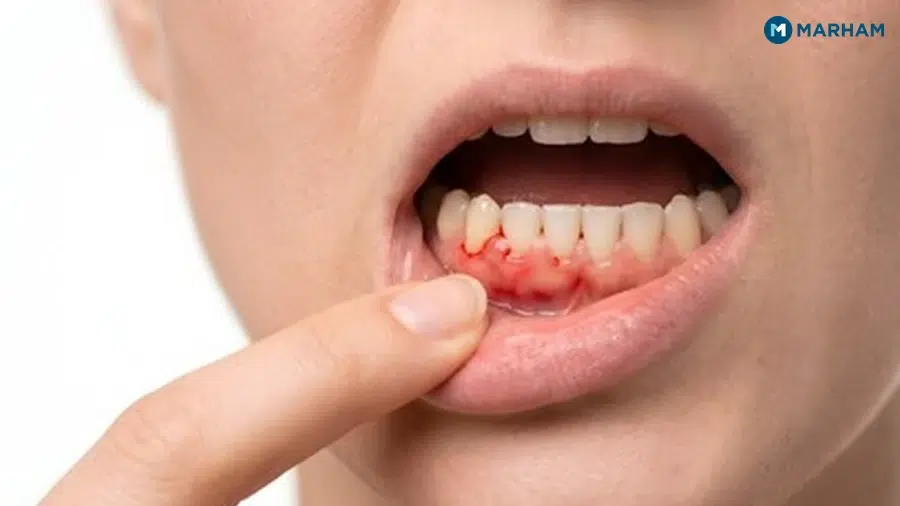
Have you ever noticed blood while doing wuzu, or seen a pink tinge in the sink after brushing? Many people in Pakistan brush it off as normal, or blame a hard toothbrush. It is not normal. Bleeding gums, known in Urdu as مسوڑھوں سے خون آنا (masoron se khoon aana), are your mouth’s earliest warning sign that something needs attention.
Bleeding gums are most commonly caused by plaque buildup along the gum line, which leads to gingivitis, the earliest and fully reversible stage of gum disease. Less common causes include hard brushing, vitamin C or K deficiency, hormonal changes, diabetes, and certain medicines.
The good news is that at this early stage, the problem can usually be reversed completely with professional cleaning and better home care. This guide explains why gums bleed, what to do at home, and when it is time to consult a qualified dentist in Islamabad instead of waiting it out.
What Causes Bleeding Gums?
Healthy gums are pink and firm, and they do not bleed when you brush, floss, or do wuzu. When they do bleed, one of these causes is usually behind it:
| Cause | What Happens | How Common |
|---|---|---|
| Plaque and tartar buildup | Bacteria collect along the gum line and inflame the gums (gingivitis) | Most common cause |
| Hard brushing or a hard brush | Aggressive scrubbing injures gum tissue directly | Very common |
| Gum disease (periodontitis) | Untreated gingivitis spreads to the bone that supports teeth | Common when ignored |
| Hormonal changes | Pregnancy, puberty, and menopause make gums more sensitive | Common in women |
| Vitamin C or K deficiency | Weak gum tissue and poor clotting cause easy bleeding | Less common |
| Diabetes | High sugar levels weaken the gums’ ability to fight infection | Important in Pakistan |
| Blood thinning medicines | Aspirin and similar medicines make bleeding easier | Ask your doctor |
In most cases, the story is simple. Plaque that is not removed by brushing hardens into tartar, and tartar cannot be removed by any toothbrush or home remedy. Only professional scaling removes it.
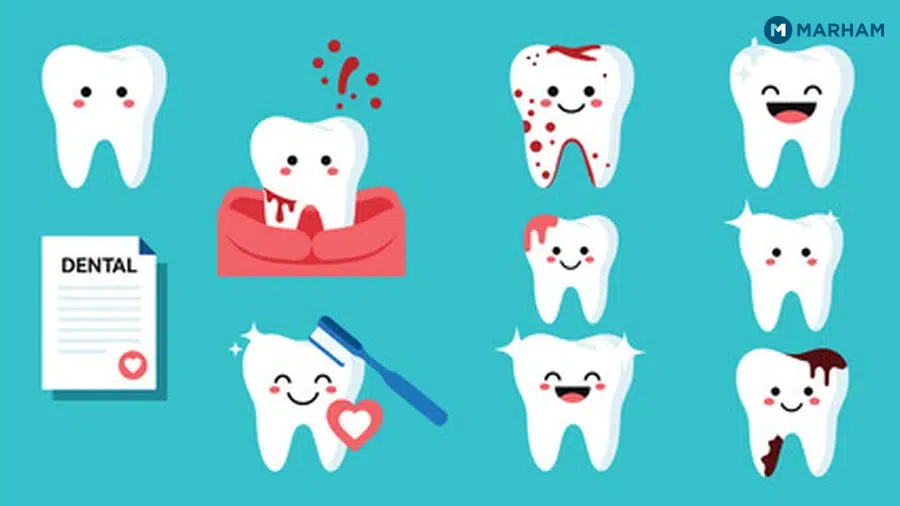
Is Bleeding During Wuzu or Brushing Serious?
Occasional light bleeding usually means early gingivitis, which is fully reversible. Research from major dental institutions confirms that gingivitis causes no permanent damage if treated early with professional cleaning and good daily hygiene.
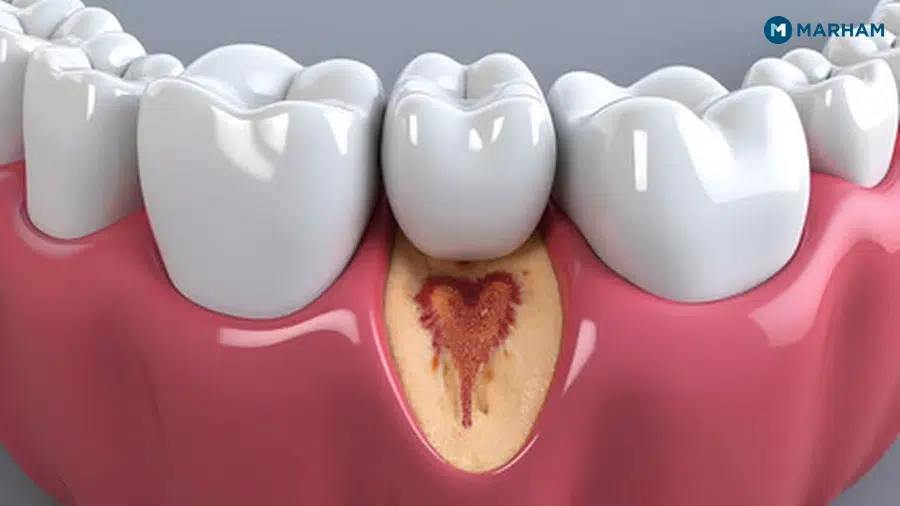
The danger is in ignoring it. Untreated gingivitis can progress to periodontitis, where the infection reaches the bone holding your teeth. Gum disease is considered the main cause of tooth loss in adults worldwide. At that stage, gums pull away from the teeth, teeth become loose, and the damage is much harder to reverse.
A simple rule: if your gums have been bleeding on and off for more than one to two weeks despite gentle brushing, get them checked.
How to Stop Bleeding Gums at Home
- Switch to a soft toothbrush and brush gently in small circles twice a day. Scrubbing harder does not clean better, it wounds the gums.
- Do not stop brushing the bleeding area. Many people avoid it out of fear, which lets more plaque collect and makes bleeding worse.
- Clean between the teeth daily with floss or an interdental brush, where most plaque hides.
- Rinse with lukewarm salt water two to three times a day to soothe inflamed gums.
- Add vitamin C rich foods like amrood, malta, and lemon to your diet.
- Cut down on smoking and gutka, both of which damage gum health badly.
These steps calm the gums, but remember: if tartar has already formed, home care alone will not fix the root cause.
Gums Bleeding for More Than 2 Weeks?
Dr. Ayesha Khan is a PMDC verified Dentist in Islamabad with 15 years of experience and 990+ reviews. Get your gums examined online for Rs. 2,000. No extra charges for booking.
Or call the Marham helpline: 0311 1222398
How Dentists Treat Bleeding Gums
Treatment depends on the cause, but for most patients it follows a simple path:
- Scaling and polishing: the dentist removes plaque and tartar from the teeth and below the gum line using an ultrasonic scaler. This is the single most effective treatment for bleeding gums and usually takes 30 to 60 minutes.
- Medicated care: the dentist may advise a gum friendly toothpaste or an antiseptic mouthwash for a few weeks.
- Deep cleaning: if gum disease has advanced, cleaning below the gums (root planing) may be needed over more than one visit.
- Treating the underlying cause: if bleeding is linked to diabetes, vitamin deficiency, or a medicine you take, your dentist will guide you and may coordinate with your physician.
Minor bleeding for a few days after scaling is normal while the gums heal. Most patients see a clear improvement within one to two weeks of professional cleaning combined with proper home care.
How to Prevent Bleeding Gums
- Brush twice daily with a soft brush and fluoride toothpaste
- Clean between teeth once a day
- Get professional scaling every 6 to 12 months, even if nothing hurts
- Manage diabetes well, since uncontrolled sugar directly worsens gum health
- Drink water after chai and meals to rinse away food residue
- Avoid smoking, paan, and gutka
Gum disease rarely hurts in the early stages, which is exactly why it gets ignored. A routine check up catches it before it costs you a tooth. If you are due for a cleaning, you can book a scaling appointment with a certified dentist in a few minutes.
مسوڑھوں سے خون کیوں آتا ہے؟
وضو یا برش کرتے وقت مسوڑھوں سے خون آنا عام بات نہیں ہے۔ یہ زیادہ تر دانتوں پر جمی ہوئی میل یعنی پلاک اور ٹارٹر کی وجہ سے ہوتا ہے، جو مسوڑھوں میں سوزش پیدا کرتی ہے۔ اس ابتدائی مرحلے کو جنجیوائٹس کہتے ہیں اور یہ مکمل طور پر قابلِ علاج ہے۔ سخت برش کرنا، وٹامن سی کی کمی، حمل کے دوران ہارمونز کی تبدیلی، اور شوگر کی بیماری بھی مسوڑھوں سے خون آنے کی وجوہات ہو سکتی ہیں۔
گھر پر نرم برش استعمال کریں، دن میں دو بار آہستہ برش کریں، اور نیم گرم پانی میں نمک ملا کر کلیاں کریں۔ لیکن یاد رکھیں کہ جمی ہوئی ٹارٹر صرف ڈینٹسٹ کی اسکیلنگ سے ہی صاف ہوتی ہے۔ اگر دو ہفتے سے زیادہ خون آ رہا ہو تو ڈینٹسٹ سے معائنہ ضرور کروائیں، کیونکہ علاج نہ کروانے سے مسوڑھوں کی بیماری بڑھ کر دانت گرنے کا سبب بن سکتی ہے۔ اسلام آباد میں ڈاکٹر عائشہ خان پندرہ سال کے تجربے کے ساتھ مرہم کے ذریعے آن لائن اور کلینک دونوں طرح دستیاب ہیں۔
Consult Dr. Ayesha Khan on Marham
Video consultation Rs. 2,000, available 7 days a week (12 PM to 8 PM). In clinic at Dental Art and Science, F 10 Markaz, Islamabad, Rs. 2,500 (Mon to Sat, 11 AM to 8 PM).
Helpline: 0311 1222398 (9:00 AM to 11:00 PM)
Frequently Asked Questions
Why do my gums bleed when I do wuzu or brush my teeth?
The most common reason is plaque buildup along the gum line, which inflames the gums (gingivitis). Hard brushing or rinsing forcefully over already inflamed gums triggers the bleeding. A dental check up can confirm the exact cause.
Can bleeding gums heal on their own?
Early gingivitis can improve with gentle brushing, flossing, and salt water rinses. But if tartar has formed, it can only be removed by professional scaling, so bleeding that lasts beyond one to two weeks needs a dentist.
Is teeth scaling good for bleeding gums?
Yes. Scaling removes the plaque and tartar that cause gum inflammation, and it is the standard first treatment for bleeding gums. Mild bleeding for a few days after scaling is normal while gums heal.
Which vitamin deficiency causes bleeding gums?
Vitamin C deficiency weakens gum tissue and vitamin K deficiency affects blood clotting, and both can cause gums to bleed. Adding citrus fruits, guava, and green vegetables to your diet may help support gum health.
When should I see a dentist for bleeding gums?
See a dentist if bleeding continues beyond one to two weeks, if gums are swollen or receding, if you notice bad breath that does not go away, or if any tooth feels loose. Early treatment can fully reverse the problem.
Final Thoughts
Bleeding gums are your body’s earliest alarm for gum disease, and at this stage the problem is completely fixable. Gentle brushing, daily cleaning between teeth, and salt water rinses help at home, but a professional scaling is what removes the real cause.
Do not wait for pain, because gum disease usually does not hurt until real damage is done. If your gums have been bleeding regularly, get them examined by a qualified dentist and give your smile the care it deserves.