



You feel a little different this month. Maybe your breasts are tender, you are unusually tired, or a smell that never bothered you suddenly turns your stomach. If you are wondering whether these could be early pregnancy symptoms, known in Urdu as حمل کی ابتدائی علامات (hamal ki ibtidai alamaat), you are asking the right question. The most common early signs of pregnancy are a missed period, tender or swollen breasts, nausea, fatigue, and light spotting, and they usually appear around four to six weeks after conception, which is one to two weeks after a missed period. A pregnancy test is the only way to be sure. If your symptoms are confusing you, you can consult a gynecologist online on Marham from the privacy of your home.
This guide walks you through the earliest signs, when they appear, and when to see a doctor.
When Do Early Pregnancy Symptoms Start?
Every woman’s body is different, so timing varies. According to Johns Hopkins Medicine, most pregnancy symptoms do not begin until four to six weeks after conception, which is about one to two weeks after your first missed period. Some women, however, notice small changes even earlier.
A few symptoms such as light spotting, mild cramping, or tiredness can appear as early as one week after conception, once the fertilised egg implants in the uterus and hormone levels begin to rise. It is also completely normal to feel no symptoms at all during the first trimester and still be pregnant.
The Most Common Early Pregnancy Symptoms
Here are the signs women notice most often in the first few weeks. You may experience several of these, just one or two, or none.
1. Missed Period
For women with regular cycles, a missed period is usually the clearest early sign. If a week or more passes without your expected period, pregnancy is a strong possibility. Keep in mind that an irregular cycle, stress, or other health reasons can also delay a period.
2. Tender or Swollen Breasts
Rising hormones in early pregnancy can make your breasts feel heavy, sore, or more sensitive, sometimes as early as one to two weeks after conception. Many women describe a fuller feeling or increased nipple sensitivity. The discomfort often eases after a few weeks as your body adjusts.
3. Nausea With or Without Vomiting
Often called morning sickness, this queasy feeling can strike at any time of day. It commonly begins around the sixth week but can start earlier for some women. Certain smells and foods may suddenly become hard to tolerate.

4. Fatigue
Feeling drained for no clear reason is a very common early sign. A rise in the hormone progesterone can leave you unusually sleepy in the first weeks of pregnancy.
5. Light Spotting and Cramping
Some women notice light spotting, known as implantation bleeding, when the fertilised egg attaches to the uterine lining. It is usually lighter than a period and may come with mild cramps. Not everyone experiences this.
6. Frequent Urination
You may find yourself needing to use the washroom more often than usual. Hormonal changes increase blood flow to your kidneys, which produces more urine.
7. Food Cravings or Aversions
Suddenly craving sour or unusual foods, or feeling put off by a favourite dish or tea, is a familiar early pregnancy experience driven by hormones.
8. Mood Swings and Bloating
Fluctuating estrogen and progesterone can bring unexpected mood shifts, from irritability to sudden happiness. Bloating, gas, and mild headaches are also common in the first weeks.
Think You Might Be Pregnant?
Consult a PMC verified gynecologist online or in person on Marham. Private, confidential, and no extra charges for booking.
Or call the Marham helpline: 0311 1222398
Early Pregnancy Symptoms vs PMS: How to Tell the Difference

Many early pregnancy symptoms look almost identical to premenstrual syndrome, which is why they are so easy to confuse. This table shows how they often differ, though only a test can confirm.
| Symptom | Early Pregnancy | PMS |
|---|---|---|
| Bleeding | Light spotting, lighter than a period | A full flow when the period starts |
| Breast changes | Fuller, more sensitive, may last weeks | Soreness that eases once the period begins |
| Nausea | Common, may involve vomiting | Rare |
| Fatigue | Often marked and lasting | Usually milder and shorter |
| Food aversions | Common, strong dislikes appear | Cravings possible, aversions rare |
How Early Can You Take a Pregnancy Test?
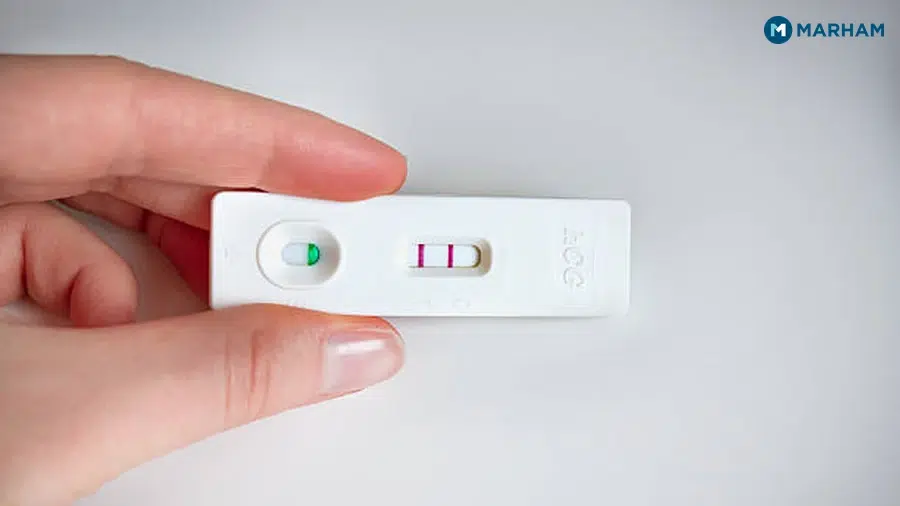
The best way to confirm pregnancy is a test. According to the American College of Obstetricians and Gynaecologists, a home urine pregnancy test is accurate from the first day of your missed period. Some sensitive tests may detect pregnancy a few days earlier, but accuracy is lower before the missed period, so an early negative result is worth repeating a few days later.
Home pregnancy test strips are widely available across Pakistan at affordable prices, and a blood test at a lab can confirm pregnancy even earlier by measuring the hormone beta hCG. If your test is positive or your period is clearly late, the next step is to book a gynecologist consultation to begin your care.
What to Do If You Think You Are Pregnant
A few simple steps early on protect both you and your baby.
- Take a home pregnancy test after your missed period, and repeat it in a few days if needed
- Start a prenatal vitamin with folic acid, which ACOG recommends as soon as pregnancy is confirmed to help prevent birth defects
- Avoid smoking, alcohol, and any medicine not approved by your doctor
- Book an appointment with a gynaecologist to confirm the pregnancy and plan your first check-up
Once your pregnancy is confirmed, you will naturally want to know your due date. Our pregnancy calculator week by week uses your last menstrual period to estimate your due date and show you exactly how far along you are, so you can plan your appointments and tests with confidence.
When Should You See a Doctor?
Some symptoms need prompt medical attention. Contact a doctor without delay if you experience:
- Heavy vaginal bleeding, especially with severe pain
- Sharp or one sided lower abdominal pain
- Severe vomiting that stops you from keeping food or water down
- Dizziness or fainting
These can signal a problem such as an ectopic pregnancy or severe morning sickness that needs care. When in doubt, it is always safer to check with a gynaecologist than to wait.
Confirm Your Pregnancy With a Specialist
16,000+ PMC verified doctors on Marham, including top gynaecologists across Pakistan. Book online or in person in minutes.
Helpline: 0311 1222398 (9:00 AM to 11:00 PM)
حمل کی ابتدائی علامات کیا ہیں؟
اگر آپ کو اس مہینے اپنے جسم میں کچھ تبدیلی محسوس ہو رہی ہے تو یہ حمل کی ابتدائی علامات ہو سکتی ہیں۔ سب سے عام علامات میں ماہواری کا نہ آنا، چھاتیوں میں نرمی یا درد، متلی، تھکاوٹ اور ہلکی سی بلیڈنگ شامل ہیں۔ یہ علامات عام طور پر حمل ٹھہرنے کے چار سے چھ ہفتے بعد ظاہر ہوتی ہیں، یعنی ماہواری مس ہونے کے ایک سے دو ہفتے بعد۔ کچھ خواتین کو یہ علامات جلدی محسوس ہوتی ہیں اور کچھ کو بالکل بھی نہیں ہوتیں، اور یہ دونوں صورتیں بالکل نارمل ہیں۔
یاد رکھیں کہ ان میں سے کئی علامات ماہواری سے پہلے والی علامات سے ملتی جلتی ہوتی ہیں، اس لیے صرف علامات پر یقین نہ کریں۔ حمل کی تصدیق کے لیے سب سے بہتر طریقہ پریگننسی ٹیسٹ ہے، جو ماہواری مس ہونے کے پہلے دن سے درست نتیجہ دیتا ہے۔ اگر ٹیسٹ مثبت آئے یا آپ کی ماہواری واضح طور پر لیٹ ہو تو کسی مستند گائناکالوجسٹ سے رجوع کریں۔ آپ مرہم پر گھر بیٹھے آن لائن گائناکالوجسٹ سے مکمل رازداری کے ساتھ مشورہ لے سکتی ہیں۔
Frequently Asked Questions
What are the earliest signs of pregnancy before a missed period?
Some women notice tender breasts, mild fatigue, light spotting, or slight cramping about one to two weeks after conception, before a missed period. These signs can be mistaken for PMS, so a pregnancy test is needed to confirm.
How many days after conception do pregnancy symptoms start?
Most symptoms begin around four to six weeks after conception, though a few such as light spotting or fatigue may appear as early as one week after conception when hormone levels start to rise.
Can I be pregnant and have no symptoms?
Yes. It is completely normal to have few or no symptoms during the first trimester and still be pregnant. Every woman’s experience is different, so a test is the only reliable confirmation.
When is the best time to take a pregnancy test?
A home urine test is most accurate from the first day of your missed period. Taking it too early can give a false negative, so if the result is negative but your period does not arrive, repeat the test after a few days.
Are early pregnancy cramps normal?
Mild cramping in early pregnancy is common and often linked to implantation or the uterus adjusting. However, severe pain, one sided pain, or cramping with heavy bleeding needs immediate medical attention.
Final Thoughts
Early pregnancy symptoms are your body’s first quiet signals, but they are not proof on their own. A missed period, sore breasts, nausea, and fatigue can all point toward pregnancy, yet they overlap with everyday hormonal changes. The only sure step is a pregnancy test, followed by a visit to a gynecologist.
If you suspect you may be pregnant, do not stay in doubt. A short consultation gives you clarity, peace of mind, and the right start to a healthy pregnancy. Listen to your body, take the test, and let a trusted specialist guide you from there.
Medically reviewed by a Marham gynaecologist. This article is for general information and does not replace a personal consultation with your doctor.


