

Fatty liver disease has quietly become one of the most common liver conditions seen in Pakistani clinics. Gastroenterologists at major hospitals in Karachi and Lahore report it appearing in ultrasound reports with increasing regularity, even in patients who came in for something else entirely. Most people are surprised to learn they have it.
A 2024 systematic review and meta-analysis published in Scientific Reports found that roughly 30% of the general Pakistani population has fatty liver disease, with that figure climbing to nearly 58% among Pakistanis with diabetes. Those numbers place Pakistan firmly in the high-burden category globally, where fatty liver disease now affects an estimated 38% of adults worldwide, according to the Global Liver Institute’s 2025 report.
What makes this condition tricky is that it rarely announces itself loudly. Many Pakistani patients discover it incidentally during a routine ultrasound or blood test. Knowing what to look for, what drives it, and what you can realistically do about it, is where this guide begins.
فیٹی لیور: اہم نکات
فیٹی لیور ایک ایسی بیماری ہے جس میں جگر کے خلیوں میں چربی جمع ہو جاتی ہے۔ پاکستان میں یہ بیماری تیزی سے عام ہو رہی ہے، خاص طور پر ذیابیطس اور موٹاپے کے مریضوں میں۔ زیادہ تر مریضوں کو کوئی واضح علامات نہیں ہوتیں، اس لیے یہ اکثر الٹراساؤنڈ یا خون کے ٹیسٹ کے دوران دریافت ہوتی ہے۔ مناسب خوراک، ورزش اور وزن میں کمی سے ابتدائی مراحل میں اس بیماری کو قابو کیا جا سکتا ہے۔ تاہم، اگر علاج نہ کیا جائے تو یہ سروسس یا جگر کے کینسر کا سبب بن سکتی ہے۔
Fatty Liver Symptoms in Pakistan: What Patients Actually Report
Fatty liver disease usually produces no symptoms in its early stages. That’s the clinical reality, and it’s also why so many Pakistani patients are caught off guard. The liver is a remarkably tolerant organ; it can sustain significant fat accumulation before it signals distress.
When symptoms do appear, they tend to be vague and easy to attribute to something else:
- Persistent fatigue that doesn’t improve with rest
- A dull, heavy feeling or mild discomfort in the upper right side of the abdomen (where the liver sits)
- Unexplained mild nausea, especially after a heavy meal
- A general sense of bloating or fullness
- Mild loss of appetite
- Occasional brain fog or difficulty concentrating
In more advanced stages, when inflammation or scarring (fibrosis) has developed, symptoms become more noticeable. These can include noticeable weight loss without trying, yellowing of the skin or eyes (jaundice, meaning a build-up of bilirubin in the blood), swelling in the legs or abdomen, and easy bruising. If you are experiencing these later-stage symptoms, see a doctor promptly rather than waiting.

One nuance worth knowing: lean fatty liver, meaning fatty liver in people who are not overweight, does occur in Pakistan. A study published in PubMed noted that even lean Pakistanis are increasingly developing fatty liver because of poor dietary habits and metabolic problems. Don’t assume a normal body weight rules it out.
Grades of Fatty Liver: What Grade 1, 2, and 3 Mean
Fatty liver is graded on ultrasound based on how much fat has accumulated in liver tissue. Understanding your grade helps you gauge urgency.
| Grade | Fat in Liver | Ultrasound Appearance | Urgency |
|---|---|---|---|
| Grade 1 (Mild) | 5% to 33% of liver cells | Slightly brighter than normal | Reversible with lifestyle changes |
| Grade 2 (Moderate) | 33% to 66% of liver cells | Clearly echogenic, vessels harder to see | Requires active management |
| Grade 3 (Severe) | More than 66% of liver cells | Bright liver, vessels not visible | High risk of progression to fibrosis |
Grade 1 fatty liver can often be managed with diet and exercise alone. Grades 2 and 3 require closer medical supervision, as the risk of progressing to steatohepatitis (liver inflammation, abbreviated NASH or now called MASH) and eventually cirrhosis increases significantly.
Causes and Risk Factors in the Pakistani Context
Fatty liver disease in Pakistan is almost always the non-alcoholic type, known as NAFLD or, under the newer naming, MASLD (metabolic dysfunction-associated steatotic liver disease). The main drivers in Pakistani patients include:
- Type 2 diabetes or insulin resistance: The 2024 Scientific Reports meta-analysis found that among Pakistanis with diabetes, fatty liver prevalence reaches nearly 58%. Insulin resistance causes the liver to produce and store excess fat.
- Obesity and excess abdominal fat: Urban Pakistanis show higher rates than rural populations; one Pakistani study found NAFLD in 56% of urban subjects compared to 36% in rural areas.
- High-refined-carbohydrate diet: White rice, maida-based rotis, heavily sweetened chai, and sugary drinks all raise blood triglycerides, which the liver then converts to fat.
- Sedentary lifestyle: Desk jobs, long commutes in Karachi and Lahore, and minimal physical activity are consistent risk factors.
- High triglycerides and low HDL cholesterol: Common in South Asian metabolic profiles.
- Hypertension: A 2024 Pakistani meta-analysis found fatty liver prevalence of 74% among hypertensive Pakistani patients.
- Rapid weight gain or crash dieting: Both disrupt fat metabolism and can worsen liver fat.
- Certain medications: Some drugs used for other conditions can contribute to fat accumulation in the liver; always discuss your full medication list with your doctor.
A point the SERP results rarely address: Ramadan fasting followed by heavy iftar meals high in fried foods and sugary drinks can worsen fatty liver in susceptible individuals. The pattern of prolonged fasting and then large caloric loads stresses liver fat metabolism. This doesn’t mean fasting is harmful; it means the composition of the iftar meal matters.
How Fatty Liver Is Diagnosed
Diagnosis typically begins with a blood test showing elevated liver enzymes (ALT and AST), though many patients have normal enzymes even with significant fat accumulation. A raised ALT is a flag, not a diagnosis on its own.
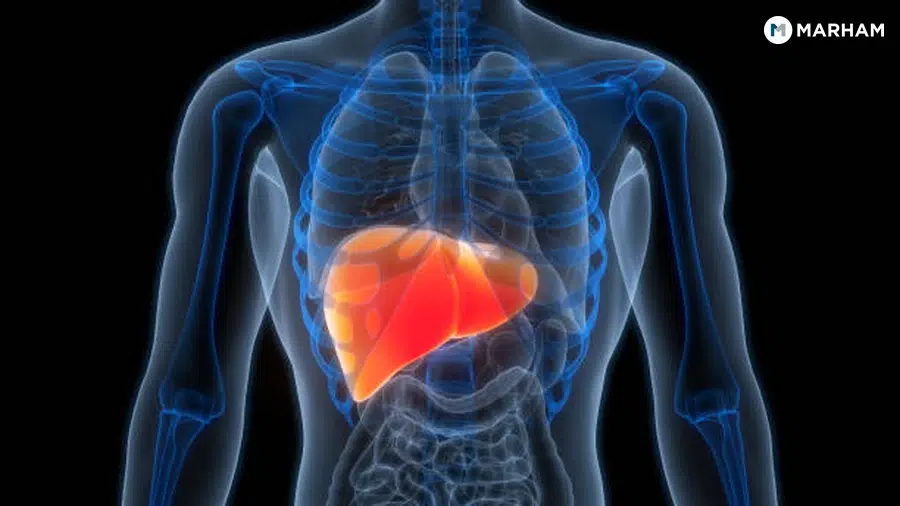
The next step is usually an abdominal ultrasound, which is widely available across Pakistan at costs ranging from roughly Rs. 1,500 to Rs. 3,500 depending on the city and facility. Ultrasound can detect fat accumulation and assign a grade but cannot reliably detect inflammation or fibrosis.
For a more precise picture, a gastroenterologist or hepatologist may order:
- Liver function tests (LFTs) including ALT, AST, GGT, and bilirubin
- Fasting lipid profile (cholesterol and triglycerides)
- Fasting blood glucose and HbA1c to assess diabetes risk
- FibroScan (transient elastography), a non-invasive test that measures liver stiffness, available at major hospitals in Karachi, Lahore, and Islamabad
- In select cases, a liver biopsy to confirm fibrosis stage
A liver biopsy is the gold standard for staging but is reserved for cases where non-invasive tests are inconclusive. Most Pakistani patients are managed effectively without one.
Fatty Liver Diet: What to Eat and Avoid in Pakistan
There is no approved medication specifically for fatty liver disease. Lifestyle change is the primary treatment, and diet is the most powerful lever. The good news is that the liver can recover fat accumulation, particularly in grades 1 and 2, with sustained changes.
Foods to prioritise in a Pakistani diet:
- Whole wheat roti over maida-based naan or paratha
- Daal (lentils) as a primary protein source; low in fat, high in fibre
- Saag (mustard greens), palak (spinach), and other leafy vegetables
- Olive oil or mustard oil in small amounts for cooking instead of vanaspati ghee
- Fish, especially rohu or pomfret, eaten 2 to 3 times a week
- Fruits such as guava, papaya, and jamun, which are low glycaemic and widely available in Pakistan
- Plain water and unsweetened green tea instead of packaged juices and meetha chai
Foods to reduce or avoid:

- Fried snacks: samosas, pakoras, and chaat eaten daily drive up caloric and fat intake
- White rice in large portions at every meal
- Full-fat mithai (sweets) and sugary drinks including bottled cold drinks
- Processed meat and fast food consumed multiple times a week
- Vanaspati ghee and partially hydrogenated cooking oils
A practical Pakistani approach: swap one daily cup of sweetened chai for unsweetened green tea, replace one rice-based meal with a daal-and-roti combination, and add a 30-minute walk after dinner. These three changes alone, maintained consistently, can meaningfully reduce liver fat over 3 to 6 months.
When to See a Gastroenterologist for Fatty Liver
Fatty liver in its early grade should not be ignored, even when you feel fine. Consulting a gastroenterologist in Pakistan is advisable if your ultrasound shows grade 2 or 3 fatty liver, if your liver enzymes are persistently elevated, or if you have diabetes or hypertension alongside a fatty liver finding. You should also seek specialist advice if you notice any of the later-stage symptoms described above, such as jaundice, abdominal swelling, or unexplained weight loss.
Early intervention matters. Fatty liver that progresses to MASH (liver inflammation) and then to cirrhosis becomes much harder to manage and can eventually lead to liver failure or hepatocellular carcinoma (liver cancer). A gastroenterologist can assess your fibrosis risk, guide you on monitoring frequency, and rule out other liver conditions such as hepatitis, which is also prevalent in Pakistan and can coexist with fatty liver.
Get Expert Liver Advice on Marham
For many Pakistani patients, getting the right specialist opinion means navigating long wait times at public hospitals or uncertainty about where to start. If your ultrasound report mentions fatty liver and you’re not sure what to do next, speaking to a gastroenterologist in Pakistan online can save time and give you a clear action plan without leaving home.
A short online consultation, typically 15 to 20 minutes, can help you understand your grade, whether you need additional tests such as a FibroScan or HbA1c, and what dietary and lifestyle targets are realistic for your situation. Marham connects Pakistani patients with verified gastroenterologists and nutritionists in Pakistan who can guide your dietary changes alongside medical monitoring, which is especially useful if you also have diabetes or hypertension.
Frequently Asked Questions
Can fatty liver be reversed completely?
Yes, in grades 1 and 2, fatty liver can be reversed with sustained lifestyle changes including weight loss, dietary improvement, and regular exercise. Grade 3 or cases that have progressed to fibrosis may not be fully reversible but can be stabilised with proper management.
What blood tests detect fatty liver?
Elevated liver enzymes (ALT and AST) on a blood test are a common early indicator, though some people have normal enzymes even with fatty liver. A diagnosis is confirmed by ultrasound. Your doctor may also check fasting glucose, HbA1c, and a lipid profile to identify underlying metabolic causes.
Is fatty liver dangerous if left untreated?
Fatty liver can progress over years from simple fat accumulation to liver inflammation (MASH), then to fibrosis and cirrhosis, which is permanent scarring. A small percentage of cases progress further to liver failure or liver cancer. Early detection and management significantly reduce that risk.
Can thin or normal-weight people get fatty liver in Pakistan?
Yes. Lean fatty liver does occur, particularly in people with insulin resistance, high triglycerides, or a diet high in refined carbohydrates, even without obesity. Normal body weight does not rule out the condition.
When should I see a specialist rather than just changing my diet?
See a gastroenterologist if your ultrasound shows grade 2 or 3 fatty liver, if liver enzymes remain elevated after 3 months of lifestyle changes, if you have diabetes or hypertension alongside fatty liver, or if you develop symptoms such as jaundice, abdominal swelling, or unusual fatigue.
Conclusion
Fatty liver disease is no longer a rare finding in Pakistan. It sits at the intersection of the country’s rising rates of diabetes, obesity, and sedentary urban living. The reassuring part is that the liver is genuinely forgiving in its early stages: dietary changes, regular walking, and managing blood sugar can produce real improvements within months. The key is catching it early, understanding your grade, and getting the right guidance rather than waiting for symptoms that may never clearly announce themselves.